

Strumigenys precava
- Scientific Name
- Strumigenys precava
- Tribe
- Attini
- Subfamily
- Myrmicinae
- Author
- Brown, 1954
- Distribution
- Found in 7 countries
Strumigenys precava Overview
Strumigenys precava is an ant species of the genus Strumigenys. It is primarily documented in 7 countries , including Bolivia, Plurinational State of, Brazil. Detailed taxonomic data and occurrence records can be further explored via authoritative databases such as AntWeb or the Global Biodiversity Information Facility (GBIF).
Strumigenys precava - "Trap-jaw Ant"
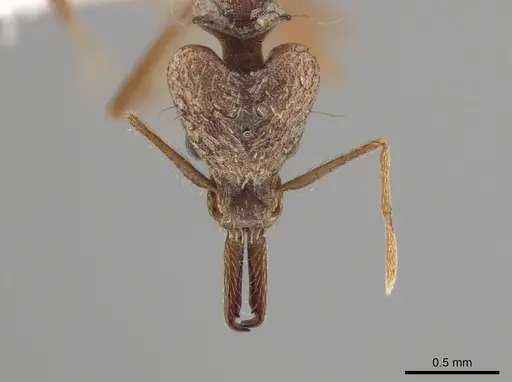
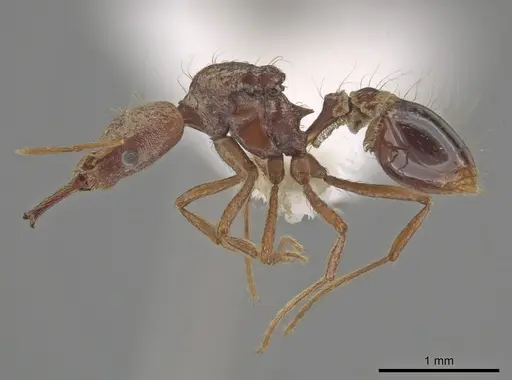
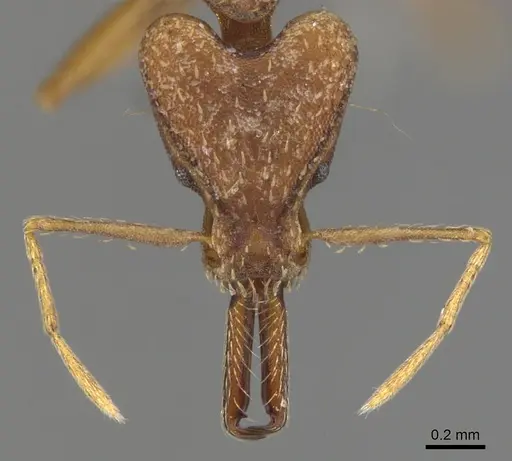
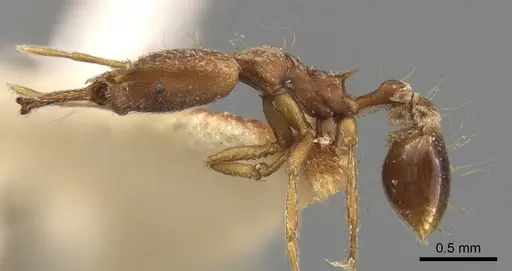
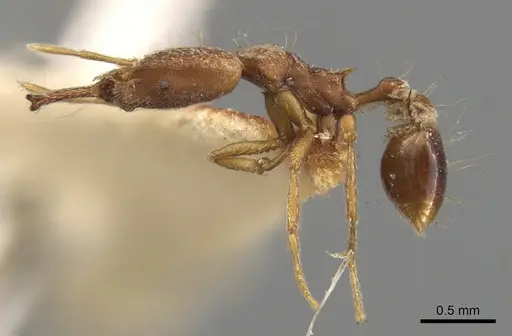
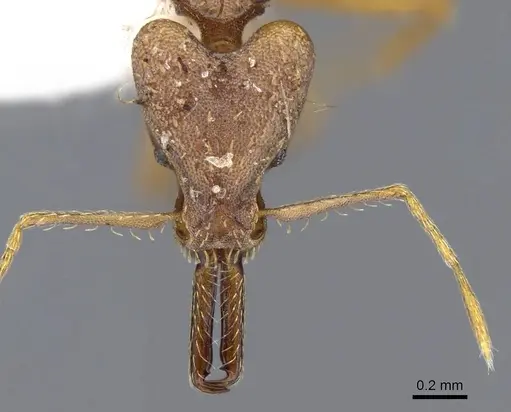
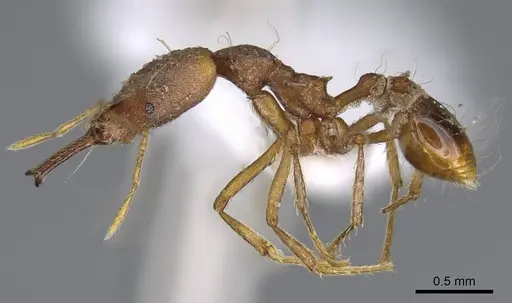
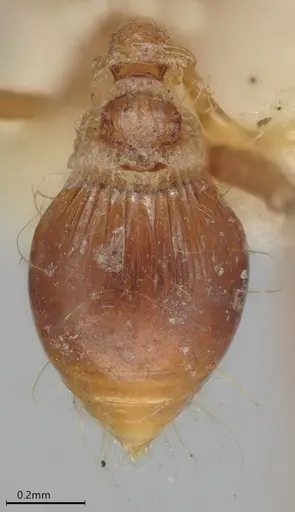
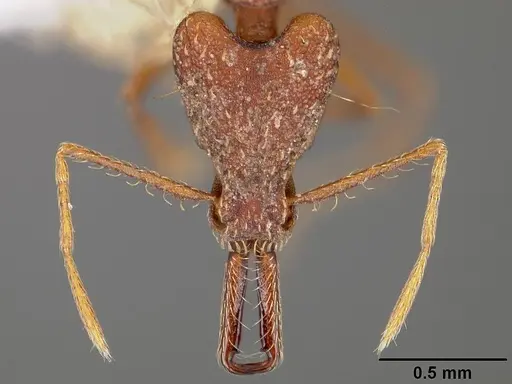
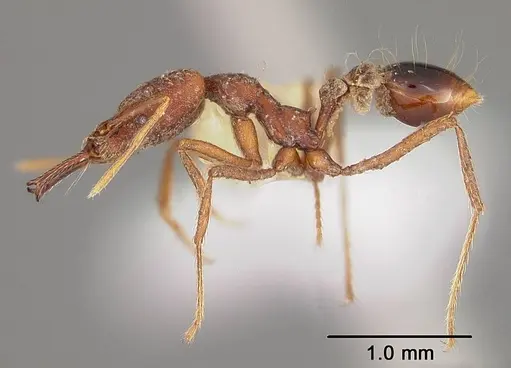
Strumigenys precava is a fascinating species of tiny ants known for their unique trap-jaw mandibles, which they use to capture small, soft-bodied arthropods, primarily springtails. Workers of this species typically have a brown coloration and distinct physical features like long, flagellate hairs on their gaster and a conical tubercle on the pronotal humerus. They are relatively small, with worker total lengths ranging from 3.1 to 3.8 mm. Their head is also notably constricted in front of the eyes. This species is often found in leaf litter and rotten wood, showcasing a cryptic lifestyle that makes them a unique addition to any antkeeping collection.
- Difficulty: Medium
- Origin & Habitat: Neotropical Region (South and Central America), specifically found in countries like Guyana, Panama, Costa Rica, Bolivia, Brazil, Colombia, and Ecuador. in Primarily forest-dwelling, nesting mostly in soil and rotting wood, particularly in red or chocolate-rotten logs. They are also found in leaf litter and occasionally in arboreal plant cavities in tropical rainforests..
- Colony Type: Monogyne, but some Strumigenys species can be polygynous., claustral founding.
- Size & Growth:
- Queen: Not specified
- Worker: 3.1-3.8mm
- Colony: Medium (several hundred to a thousand or more workers).. Slow to Medium growth.
- Antkeeping:
- Temperature: Ideally, maintain temperatures between 24-28°C (75-82°F) to mimic their tropical habitat. Consistency is key, as fluctuating temperatures can stress the colony..
- Humidity: High humidity is crucial for this species, around 70-90%. Their natural nesting sites in rotting wood and leaf litter are consistently moist. A humidity gradient within the nest is beneficial, allowing the ants to choose their preferred level..
- Diapause: Not required. Not specified at Not specified.
- Nesting: Given their natural preference for rotting wood and soil, a naturalistic setup is ideal. Ytong, cork, or even small, moist rotting wood pieces within a formicarium are suitable. Nests should have small, intricate tunnels that mimic their natural environment. A deep substrate layer in the outworld for foraging can also be beneficial..
- Behavior: Low (towards handler, food or other ants) aggressiveness.
- Common Issues: Lack of appropriate live prey, Humidity fluctuations, Mold in nest, Colony stalling due to stress.
Strumigenys precava are specialized predators, primarily preying on springtails (Collembola). This makes their feeding habits unique and requires a consistent supply of these tiny invertebrates. Unlike many ant species that accept various insects, Strumigenys often show a strong preference for their natural prey. Providing a thriving culture of diverse springtails is paramount for their long-term health and growth. Live feeding is essential, as their trap-jaw mandibles are adapted for capturing moving prey, a fascinating behavior to observe.
Due to their cryptic nature and small size, Strumigenys precava can be quite challenging to observe. They thrive in dark, humid environments, often nesting within decaying wood or deep in the leaf litter. When setting up their formicarium, prioritize creating plenty of hiding spots and intricate tunnels that allow them to feel secure. Consider a nest design with a removable top or side for occasional, brief observations to minimize disturbance while still appreciating their unique behaviors. Patience is a virtue when keeping these tiny hunters.
Maintaining stable humidity levels is critical for the well-being of a Strumigenys precava colony. Their natural habitat is consistently moist, and dry conditions can quickly lead to stress and colony decline. Misting the outworld regularly or providing a constant water source within the nest, such as a humidity sponge or a consistently watered area, is highly recommended. Good ventilation in the outworld is still important to prevent mold growth, creating a delicate balance that antkeepers must master.
While Strumigenys precava are not known to sting or bite humans, their specialized predatory nature means they have powerful, fast-acting mandibles. Care should be taken when handling their setup to avoid stressing the colony or causing accidental injury to the ants themselves. Observing their unique hunting technique, where they ambush and 'trap' their prey, is one of the most rewarding aspects of keeping this species. This specific behavioral trait highlights the incredible diversity within the ant world and makes them truly captivating subjects.
Frequently Asked Questions
What kind of enclosure is best for Strumigenys precava colonies?
For these fascinating trap-jaw ants, a naturalistic formicarium with plenty of rotting wood or a deep layer of moist substrate like loam is ideal. They love intricate tunnels and secluded spaces, so designs with small, interconnected chambers are perfect. Many antkeepers opt for Ytong nests or even custom-built setups that can maintain high humidity levels, often incorporating a large outworld filled with leaf litter for foraging.
What do Strumigenys precava eat in captivity?
Strumigenys precava are highly specialized predators, primarily feasting on springtails (Collembola). It's crucial to provide a consistent supply of live springtails for your colony. While some might occasionally accept other tiny, soft-bodied insects like small fruit flies, springtails are their absolute favorite and essential for their well-being. Keeping a healthy culture of springtails on hand is a must for any Strumigenys keeper.
How large do Strumigenys precava colonies get?
These trap-jaw ants form medium-sized colonies. In the wild, nests of Strumigenys precava have been found with several hundred, sometimes even over a thousand, workers. While not 'supercolony' status, a thriving Strumigenys colony will offer plenty of activity to observe.
Are Strumigenys precava queens difficult to find?
Finding Strumigenys precava queens can be a bit challenging due to their cryptic nature and relatively small size. They are often found in rotting logs or leaf litter. Keep an eye out after nuptial flights in their native regions, but acquiring a founding queen from a reputable ant vendor is often the most reliable route for ant hobbyists.
Do Strumigenys precava sting or bite?
No, Strumigenys precava are not known to sting. Their primary defense and hunting mechanism involves their remarkable trap-jaw mandibles. While these are incredibly fast and effective for subduing prey like springtails, they pose no threat to humans. You can enjoy observing their unique hunting style without worry.
What humidity levels are best for Strumigenys precava?
High humidity is absolutely vital for Strumigenys precava. Aim for a consistent humidity level between 70% and 90% within their nest. Mimicking their damp natural habitat, such as rotting wood and moist leaf litter, is key to their health and preventing stress. Consider using a humidity gauge to monitor conditions closely.
Do Strumigenys precava need diapause?
As a tropical species, Strumigenys precava typically do not require diapause (a period of dormancy). They thrive in consistent, warm conditions year-round, reflecting their natural equatorial climate. Maintaining stable temperatures is more important than attempting a cool-down period.
How fast do Strumigenys precava colonies grow?
Strumigenys precava colonies generally exhibit a slow to medium growth rate. While they can reach a good size, they won't explode in numbers overnight like some more common ant species. Patience is key with these specialist hunters, and consistent feeding will help ensure steady development.
What is their natural habitat like?
Strumigenys precava are denizens of tropical and subtropical forests, primarily in Central and South America. They make their homes in moist environments, often found nesting inside decaying wood, such as red or chocolate-rotten logs, and within the rich leaf litter on the forest floor. They're masters of cryptic living!
Are there different castes within a Strumigenys precava colony?
Like many ant species, Strumigenys precava colonies consist of a queen and a worker caste. The workers are all relatively similar in size and morphology, performing all the tasks necessary for the colony's survival, from foraging to brood care. They don't typically exhibit major or super major worker castes.
What are the unique physical features of Strumigenys precava?
Strumigenys precava workers are quite distinctive. They possess long, trap-jaw mandibles, crucial for their hunting. Their bodies are typically brown, and you'll notice long, whip-like hairs (flagellate hairs) on their gaster (abdomen). They also have a unique, stout conical tubercle on their pronotal humerus and a head that appears somewhat constricted in front of the eyes. These features help differentiate them from other ant species.
How do Strumigenys precava hunt their prey?
Their hunting strategy is truly remarkable! Strumigenys precava are ambush predators. They wait patiently for small prey like springtails to come close. When a springtail is within striking distance, their specialized trap-jaw mandibles snap shut with incredible speed, trapping and immobilizing the prey. They then sting their captive to fully subdue it before carrying it back to the nest. It's a swift and efficient method perfectly adapted to their diet.
Can Strumigenys precava be kept in a test tube setup initially?
While it's possible for a founding queen to start in a test tube setup, Strumigenys precava queens might prefer a small, naturalistic founding chamber with some decaying wood or substrate from the get-go. Given their preference for tight, dark spaces and high humidity, a small setup mimicking these conditions, perhaps a mini-formicarium or a test tube connected to a small substrate area, could be more conducive to successful founding. Ensure consistent humidity is maintained.
What are some common issues when keeping Strumigenys precava?
The main challenges for Strumigenys precava keepers often revolve around their specialized needs. The most common issues include not providing enough live springtails, which can lead to starvation. Maintaining consistent high humidity without allowing mold to grow in the nest is another balancing act. Fluctuations in humidity or temperature can also stress the colony, potentially leading to a stalled growth or decline. Proper ventilation in the outworld is essential to mitigate mold risks.
Where can I find more information about Strumigenys precava?
For more in-depth scientific and taxonomic information, resources like AntWiki and academic papers on myrmecology are excellent sources. Many antkeeping communities and forums also have experienced hobbyists who can share practical tips and insights on keeping these unique ants. Searching for 'Strumigenys precava caresheet' and 'Strumigenys precava natural history' on reliable antkeeping blogs and scientific databases will yield valuable results.

This caresheet is licensed under CC BY-SA 4.0 .
CASENT0631554
View on AntWeb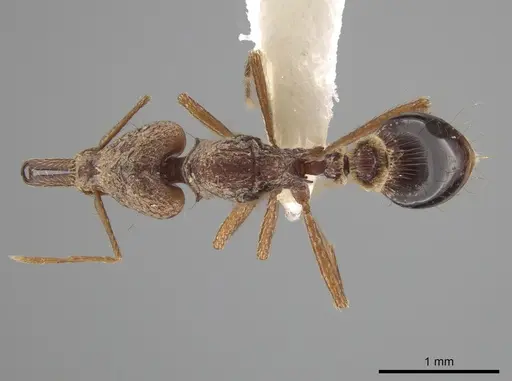
CASENT0900441
View on AntWeb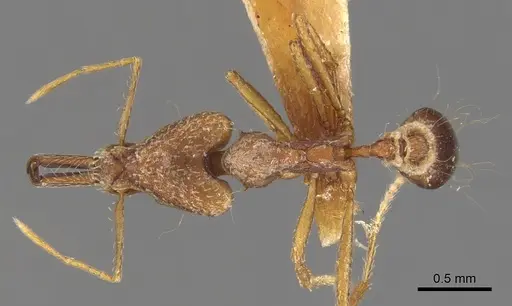
CASENT0914750
View on AntWeb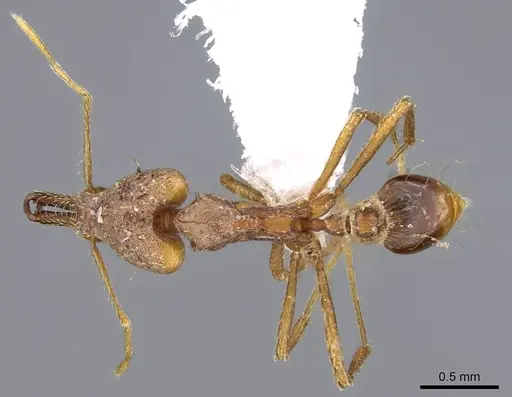
CASENT4036105
View on AntWeb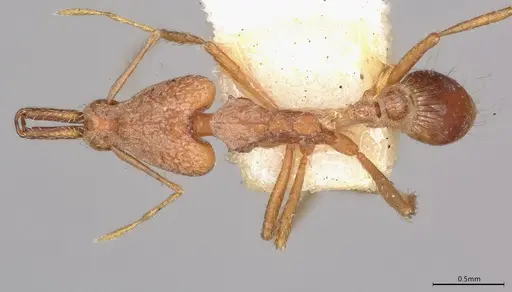
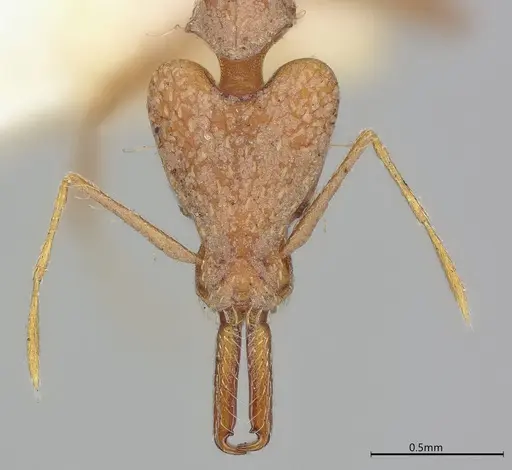
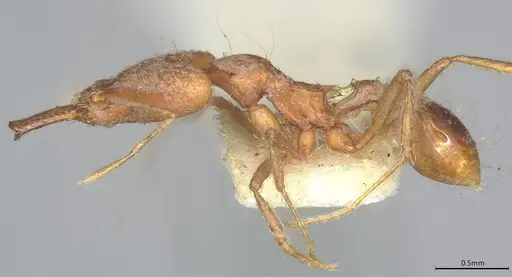
FMNHINS0000057158
View on AntWeb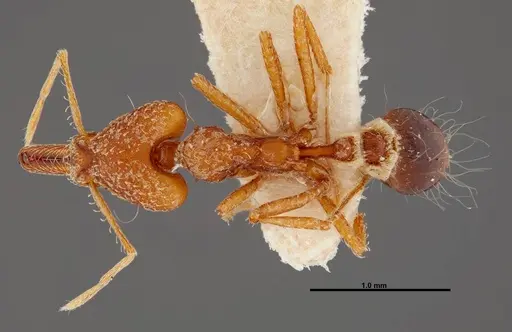
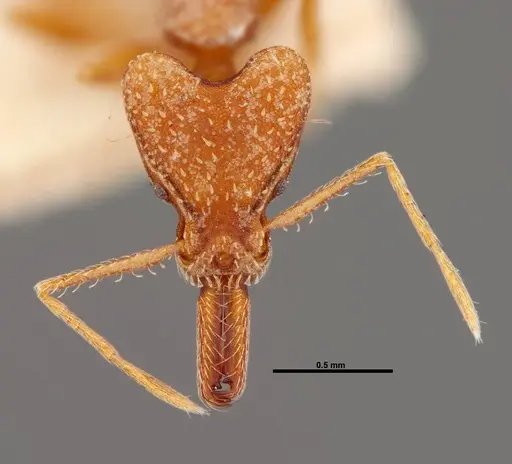
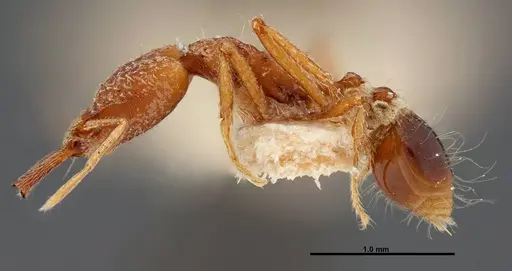
INBIOCRI001283750
View on AntWeb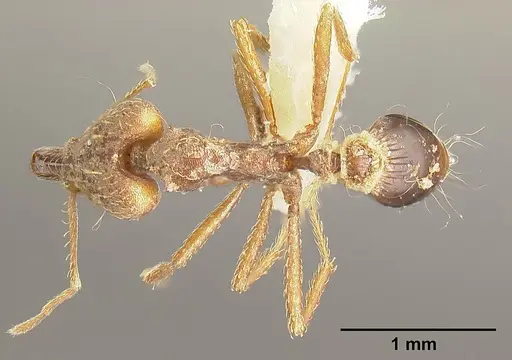
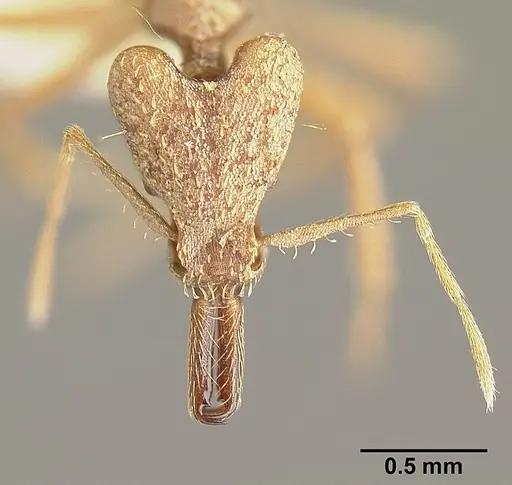
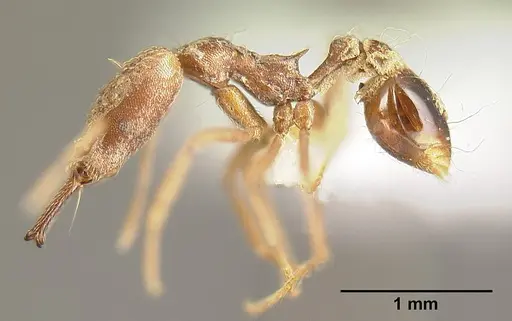
USNMENT00441682
View on AntWeb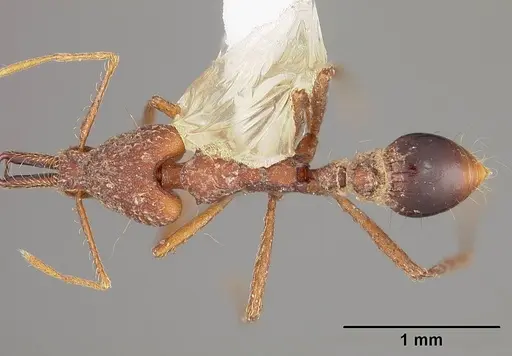
Literature
Loading...Loading products...