

Strumigenys planeti
- Scientific Name
- Strumigenys planeti
- Tribe
- Attini
- Subfamily
- Myrmicinae
- Author
- Brown, 1953
- Distribution
- Found in 3 countries
Strumigenys planeti Overview
Strumigenys planeti is an ant species of the genus Strumigenys. It is primarily documented in 3 countries , including Bolivia, Plurinational State of, Peru. Detailed taxonomic data and occurrence records can be further explored via authoritative databases such as AntWeb or the Global Biodiversity Information Facility (GBIF).
Strumigenys planeti
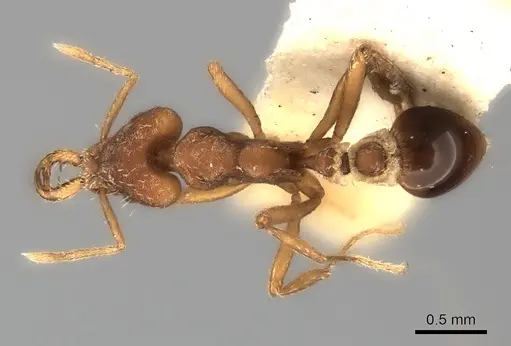
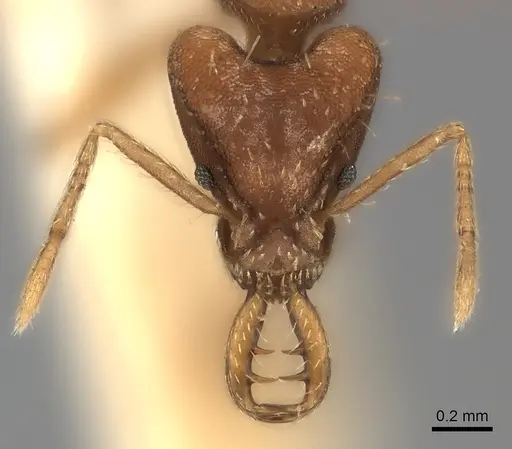
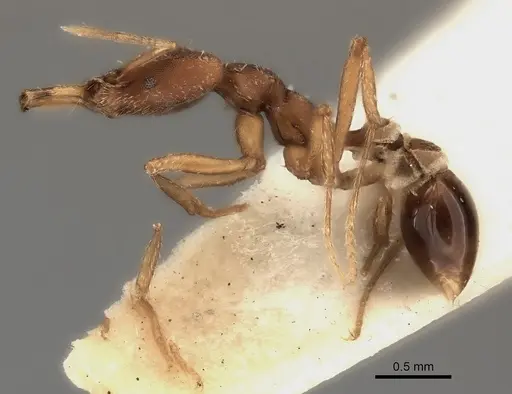
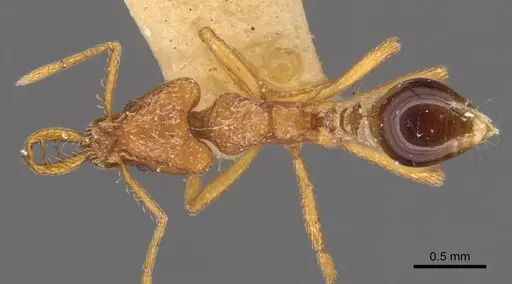
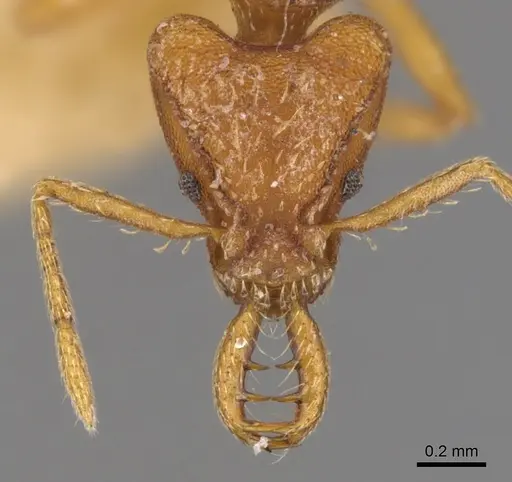
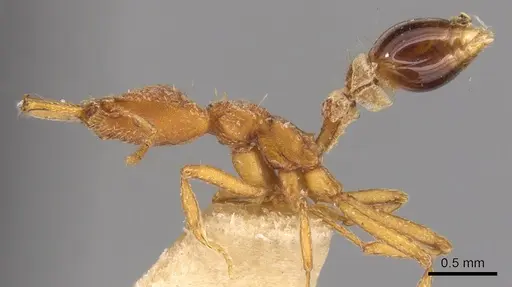
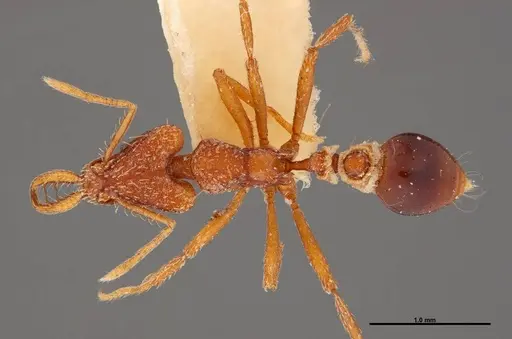
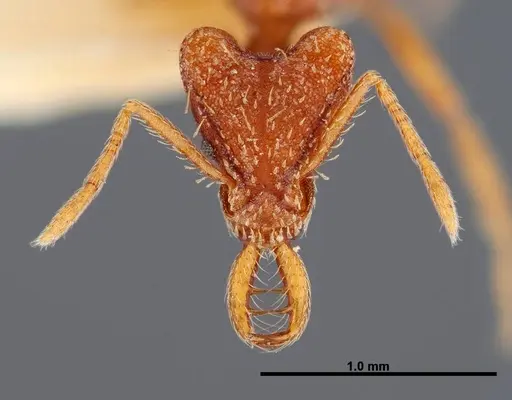
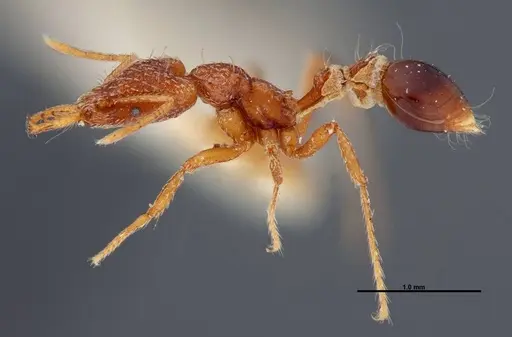
Strumigenys planeti is a tiny predatory ant measuring 3.5-4.0mm in total length, belonging to the Myrmicinae subfamily and Attini tribe [1]. These ants have distinctive elongated mandibles that curve outward when closed, giving them a unique appearance among small ants. Their coloration ranges from yellowish to reddish-brown, with the abdomen often appearing darker, nearly black in some specimens. Originally described from Bolivia in 1953,this species is now known across the Amazon-Orinoco region including Brazil, Peru, Trinidad and Tobago, and Venezuela [2].
These ants are specialized predators that hunt tiny arthropods, particularly springtails, using their trap-jaw mandibles to capture prey [2]. In their natural rainforest habitat, they nest in moist decaying wood and moss, making them a humidity-dependent species that thrives in damp, shaded environments.
Quick Summary
- Difficulty: Hard
- Origin & Habitat: Rainforest species from the Amazon-Orinoco Basin, found in Bolivia, Brazil, Peru, Trinidad and Tobago, and Venezuela. Nests in wet mossy logs in cacao plantations and decaying wood in humid forest areas [2].
- Colony Type: Single-queen (monogyne) colonies. Queens are similar in size to workers and were described alongside workers from the same nest series.
- Colony: Monogyne
- Size & Growth:
- Queen: Approximately 3.5-4.0mm, queens are similar in size to workers.
- Worker: 3.45-4.00mm total length, with head length 0.80-0.89mm and mandible length 0.45-0.50mm [1].
- Colony: Colony size is not directly documented, but based on related Strumigenys species, colonies likely reach several hundred workers at most.
- Growth: Growth rate is unconfirmed for this specific species, but Strumigenys colonies typically develop slowly due to their specialized diet and small colony sizes.
- Development: Estimated 6-10 weeks based on related dacetine ant species. Specific development data for S. planeti is not available. (Development time is estimated from genus-level data since no species-specific study exists.)
- Antkeeping:
- Temperature: Keep at 22-26°C. As a rainforest species from the Amazon basin, they prefer warm, stable temperatures in the mid-range. Avoid temperatures below 20°C or above 28°C.
- Humidity: High humidity is essential, aim for 70-85%. These ants naturally nest in wet mossy logs, so the nest substrate should remain consistently moist but not waterlogged. Provide a water reservoir in the nest setup.
- Diapause: No formal diapause required. As a tropical species from the Amazon basin, they do not experience cold winters. However, slight temperature reductions during the dry season may be beneficial if the colony shows reduced activity.
- Nesting: Natural nesting occurs in wet decaying wood and moss. In captivity, a naturalistic setup with moist substrate (like a dirt-filled formicarium or plaster nest) works well. Y-tong nests can work if kept adequately moist. The key is maintaining constant humidity without flooding.
- Behavior: These ants are specialized predators with trap-jaw mandibles designed for capturing tiny prey, primarily springtails. They are not aggressive toward humans and cannot sting. Their small size and delicate nature make them more suited for observation than handling. Escape prevention is important due to their tiny size, use fine mesh barriers. They are relatively slow-moving compared to many ants and rely on ambush-style hunting rather than active foraging [2].
- Common Issues: high humidity management is critical, too dry and colonies desiccate, too wet and mold becomes a problem, tiny size means escape prevention must be excellent, they can squeeze through standard mesh, specialized diet makes feeding challenging, they need live springtails or other micro-prey, slow colony growth can lead to keeper impatience and overfeeding, which causes mold problems, wild-caught colonies may have parasites that can decimate the colony in captivity
Housing and Nest Setup
Strumigenys planeti requires a setup that maintains high, consistent humidity. A naturalistic formicarium with moist soil or a plaster nest works well for this species. The nest chambers should be kept damp but not flooded, think of the moist conditions inside a rotting log in a rainforest. You can achieve this by connecting a water reservoir to the nest or using a moisture gradient system. Outworlds should also be kept humid, and you can add live moss to help maintain moisture levels. Because these ants are tiny, even small gaps can lead to escapes, so ensure all connections are tight and consider using cotton or foam as barriers rather than standard tube plugs. [1][2]
Feeding and Diet
This is the most challenging aspect of keeping Strumigenys planeti. As specialized predators, they require live tiny prey, springtails are the ideal food source and should be the primary diet. Other small arthropods like booklice, dust mites, and fruit fly larvae may be accepted, but success varies. Do not rely on sugar sources or honey, these ants are strict predators and typically do not accept carbohydrate foods. Feed small amounts of live prey every few days, removing any uneaten prey after 24 hours to prevent mold. The prey items must be tiny, springtails and similar small arthropods that the ants can actually overpower. A established springtail culture is nearly essential before acquiring this species. [2]
Temperature and Seasonal Care
Keep your colony at 22-26°C, which mimics the warm, stable conditions of their Amazonian rainforest habitat. Room temperature in most homes falls within this range, but monitor during winter months when heating may dry out the air. A small heating cable on one side of the nest can help maintain warmth if needed, but always provide a temperature gradient so ants can move to cooler areas if they overheat. Since this is a tropical species, they do not require hibernation. However, slight seasonal variations in temperature (a few degrees cooler during winter) may help simulate natural cycles. Avoid any temperature drops below 20°C as this can stress and potentially kill the colony. [2]
Behavior and Observation
Strumigenys planeti is a fascinating species to observe due to its unique hunting strategy. The elongated mandibles function like a trap, when triggered by prey movement, they snap shut with remarkable speed. Unlike many ants that actively forage, these ants often wait motionless near nest entrances or in passages, ready to ambush passing prey. Workers are relatively slow-moving and not aggressive toward larger threats. They communicate through chemical signals like most ants but do not form large foraging trails. Colonies remain relatively small, so you can observe individual behaviors easily. The queens are similar in size to workers and can be found in the nest, though they may be tucked away in deeper chambers. [1]
Colony Establishment
If you acquire a founding queen (claustral founding is typical for this genus but not specifically documented for S. planeti), she will seal herself in a small chamber and raise the first brood alone. The founding chamber should be kept moist, a small test tube with a water reservoir works well. Queens have been found nesting in wet mossy logs in the wild, so humidity is critical during founding. The first workers (nanitics) will be smaller than mature workers and may take 6-10 weeks to emerge based on related species. Once workers arrive, you can connect the founding setup to a larger outworld and begin offering tiny live prey. Growth is slow, expect several months before the colony reaches double digits of workers. [2]
Frequently Asked Questions
Can I keep Strumigenys planeti in a test tube?
Yes, test tubes work for founding colonies. Keep the water reservoir filled to maintain high humidity, and plug the tube with cotton to prevent escapes while allowing some air flow. Once the colony grows beyond 15-20 workers, consider moving them to a more spacious naturalistic setup that can hold moisture better.
What do Strumigenys planeti ants eat?
They eat live tiny arthropods, primarily springtails. This is not optional, they are specialized predators that rarely accept other foods. You need an established springtail culture before getting this species. Other tiny prey like booklice or fruit fly larvae may be accepted occasionally.
How long does it take for the first workers to appear?
Based on related Strumigenys species, expect 6-10 weeks from egg to first worker at optimal temperature (around 24°C). This is a slow process compared to many common ant species, so patience is essential.
Are Strumigenys planeti good for beginners?
No, this is a difficult species not suitable for beginners. The primary challenges are their specialized diet (requiring live springtails), high humidity needs, and slow growth. They are best suited for experienced antkeepers who can maintain stable conditions and provide appropriate prey.
Do Strumigenys planeti need hibernation?
No, they do not require hibernation. As a tropical Amazonian species, they expect year-round warm, humid conditions. Slight temperature reductions during winter months are acceptable but not necessary.
How big do Strumigenys planeti colonies get?
Colony size is not well documented, but based on related species, colonies likely reach several hundred workers at maximum. They are not large colony formers like some Myrmicinae. Expect a modestly sized colony even at maturity.
Why are my Strumigenys planeti dying?
The most common causes are: low humidity (they desiccate easily), lack of appropriate live prey (they will starve without springtails), mold from overfeeding or poor ventilation, and temperature stress outside their 22-26°C range. Check these parameters first when troubleshooting colony problems.
When should I move Strumigenys planeti to a formicarium?
Move them when the test tube becomes crowded or the water reservoir runs out frequently, typically when the colony reaches 15-30 workers. A naturalistic setup with moist substrate maintains humidity better than test tubes for established colonies.
Can I keep multiple Strumigenys planeti queens together?
This species is monogyne, single queen colonies. Multiple unrelated queens will likely fight. In the wild, only one queen per colony has been documented. Do not attempt to combine queens.
References

This caresheet is licensed under CC BY-SA 4.0 .
Literature
Loading...Loading products...