

Strumigenys philiporum
- Scientific Name
- Strumigenys philiporum
- Tribe
- Attini
- Subfamily
- Myrmicinae
- Author
- Brown, 1988
- Distribution
- Found in 1 countries
Strumigenys philiporum Overview
Strumigenys philiporum is an ant species of the genus Strumigenys. It is primarily documented in 1 countries , including Australia. Detailed taxonomic data and occurrence records can be further explored via authoritative databases such as AntWeb or the Global Biodiversity Information Facility (GBIF).
Strumigenys philiporum
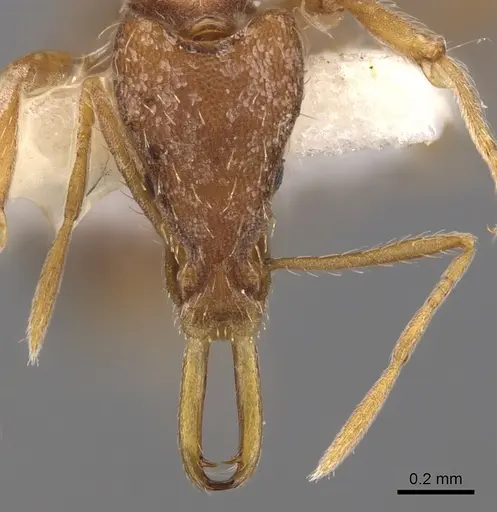
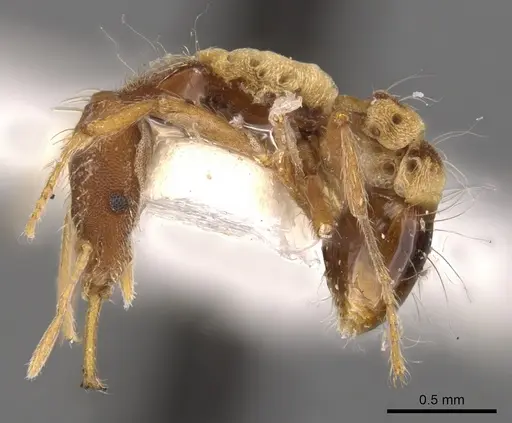
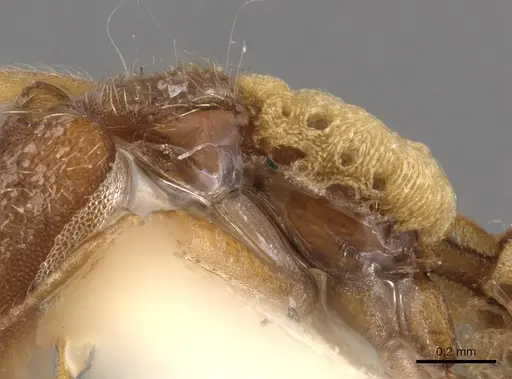
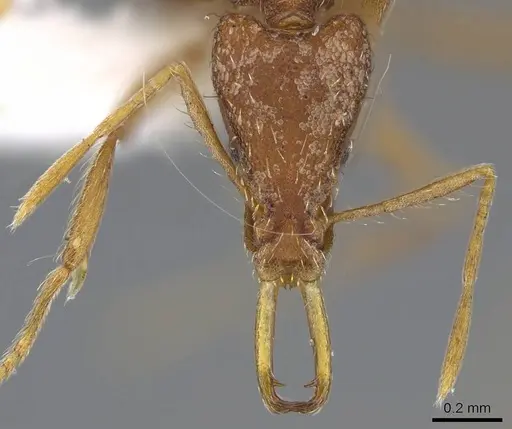
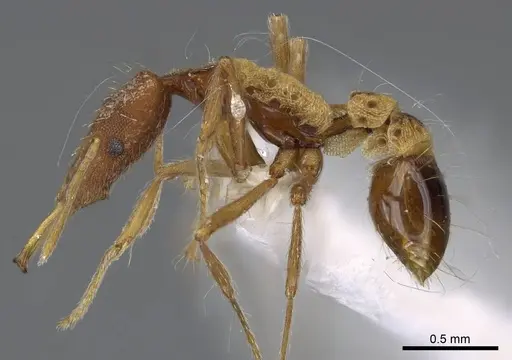
Strumigenys philiporum is a tiny predatory ant native to the rainforests of Queensland, Australia. Workers measure just 2.9-3.3mm and are instantly recognizable by their massively developed spongiform tissue, a strange, sponge-like tissue that covers much of their body, particularly on the alitrunk and waist segments. This unusual adaptation makes them one of the most distinctive Strumigenys species in Australasia. Their large eyes contain over 20 ommatidia, and they have long flagellate hairs covering their body and legs. Found in rotten logs in humid rainforest environments at elevations around 900m, these ants are part of the cryptic functional group, meaning they are slow-moving and secretive hunters [1].
Quick Summary
- Difficulty: Medium
- Origin & Habitat: Queensland, Australia, found in rainforest habitats at Mt Lewis, Mt Alexander, Lake Eacham, and Danbullah Forest. Specimens collected from rotten logs in humid, shaded rainforest environments.
- Colony Type: Unconfirmed colony structure, no published data on queen number for this specific species.
- Size & Growth:
- Queen: Undescribed, no queen measurements published
- Worker: 2.9-3.3mm total length, HL 0.78-0.86mm, HW 0.46-0.51mm
- Colony: Unknown, no colony size data published
- Growth: Unknown, likely slow like other Strumigenys species
- Development: Unconfirmed, likely 6-10 weeks based on related Strumigenys species at optimal temperature (No direct development data available for this species)
- Antkeeping:
- Temperature: Keep at 24-27°C, tropical rainforest species requiring warm, stable conditions. A gentle gradient allows workers to regulate their temperature.
- Humidity: High humidity essential, aim for 70-85%. These ants come from damp rainforest environments, so the nest substrate should remain consistently moist but not waterlogged. Provide a water tube for drinking access.
- Diapause: Not required, being a tropical species, they do not need a true diapause. However, they may show reduced activity during cooler periods.
- Nesting: Naturalistic setup with damp rotten wood or a well-humidified Y-tong/plaster nest works best. They naturally nest in rotting wood in the wild, so replicate these conditions.
- Behavior: These are highly specialized, secretive predators. They are cryptic ants that move slowly and carefully through their environment. They possess trap-jaw mandibles specialized for catching tiny springtail prey. They are not aggressive toward keepers and pose no stinging threat. Their small size means escape prevention is critical, they can slip through standard test tube setups. They are unlikely to accept sugar sources, being specialized predators.
- Common Issues: escape prevention is critical due to tiny 2.9-3.3mm size, use fine mesh barriers, high humidity requirements can lead to mold if ventilation is poor, specialized diet means they need constant access to live springtails or other micro-prey, slow growth and secretive nature may lead keepers to over-check the colony, may not accept sugar or honey, do not rely on carbohydrate sources, wild-caught colonies may have parasites that can devastate captive colonies
Housing and Nest Setup
Strumigenys philiporum requires a setup that maintains high humidity while providing appropriate hunting space. A naturalistic terrarium-style setup with damp rotten wood or cork works well since this is their natural nesting environment. Alternatively, a Y-tong (AAC) nest with a water reservoir or plaster nest can maintain the humidity they need. The key is keeping the substrate consistently moist but never waterlogged. Because they are tiny (under 3.5mm), escape prevention is critical, use fine mesh on any ventilation holes and ensure all connections are sealed. A small outworld area allows you to offer prey without disturbing the nest. Avoid setups with large open spaces they cannot navigate. [1][2]
Feeding and Diet
These are specialized predators that hunt tiny springtails and other micro-arthropods. In captivity, their primary food should be live springtails, these are ideal both in size and nutritional value. They may also accept other tiny live prey such as booklice (psocids), small mites, and fruit fly larvae. Do NOT rely on sugar water, honey, or protein shakes, Strumigenys are not typical ants that accept these. They are obligate predators with specialized trap-jaw mandibles designed for catching small, fast-moving prey. Feed prey 2-3 times per week, adjusting based on colony size and consumption rate. Always remove uneaten prey to prevent mold. [2]
Temperature and Humidity
As a Queensland rainforest species, Strumigenys philiporum needs warm, humid conditions. Keep the nest area at 24-27°C, this range supports normal activity and likely brood development. A heating cable on one side of the nest can create a gentle gradient, but avoid direct heat that dries out the substrate. Humidity should stay around 70-85%, these ants naturally live in damp rotten logs where moisture is constant. Use a water tube connected to the nest or mist regularly to maintain humidity. Monitor for condensation on nest walls, which indicates adequate moisture. Poor humidity leads to desiccation and colony failure. [2]
Behavior and Temperament
Strumigenys philiporum is a cryptic, slow-moving ant that spends much of its time hunting in the leaf litter and rotting wood of its natural environment. They are not aggressive and pose no threat to keepers, their trap-jaw mandibles are specialized for catching tiny springtail prey, not for defense. Workers forage individually rather than in groups, using their large eyes to locate prey. They are not swarmers or escape artists in the aggressive sense, but their tiny size means they can slip through the smallest gaps. Handle gently and minimize disturbances to the nest. They are fascinating to watch as they slowly patrol their territory, using their specialized mandibles to snap up prey. [1]
Colony Development
Colony growth is likely slow, as with other Strumigenys species. The first workers (nanitics) will be small but should already show the characteristic spongiform tissue development. Queens are not described in the literature, so founding behavior is unconfirmed. Based on related Strumigenys species, the queen probably seals herself in a chamber and raises the first brood alone using stored fat reserves (claustral founding). Expect the first workers to appear several months after founding. Colonies likely remain small, probably under a few hundred workers even at maturity. Do not disturb the founding chamber unnecessarily. [2]
Frequently Asked Questions
What do Strumigenys philiporum ants eat?
They are specialized predators that need live springtails or other tiny micro-arthropods. They will not accept sugar water, honey, or dead protein. Their trap-jaw mandibles are designed for catching small, fast-moving prey like springtails. Feed live springtails 2-3 times per week. [2]
How long does it take for Strumigenys philiporum to produce first workers?
Development time is unconfirmed for this specific species. Based on related Strumigenys species, expect 6-10 weeks from egg to worker at optimal temperature (24-27°C). Growth is typically slow, do not expect rapid colony expansion. [2]
Do Strumigenys philiporum ants need hibernation?
No, being a tropical rainforest species from Queensland, they do not require a true diapause. They may show reduced activity during cooler periods, but standard room temperature or slightly warm conditions year-round are appropriate. [2]
Can I keep Strumigenys philiporum in a test tube?
A test tube setup can work for founding colonies if you maintain high humidity, but a naturalistic or Y-tong setup is better for established colonies. The critical issue is escape prevention, at only 2.9-3.3mm, they can escape through standard cotton plugs. Use fine mesh barriers and ensure all connections are sealed.
Are Strumigenys philiporum good for beginners?
They are considered medium difficulty. While not aggressive, their specialized diet (live springtails required), high humidity needs, and tiny size make them challenging for complete beginners. Experience with humidity-dependent species is helpful. [2]
How big do Strumigenys philiporum colonies get?
Colony size is not documented in scientific literature. Based on related Strumigenys species, colonies likely reach a few hundred workers at maximum. They are not large colony ants.
Why are my Strumigenys philiporum dying?
Common causes include: low humidity (they need 70-85%), lack of live prey (they cannot survive on sugar), escape through tiny gaps, mold from overwatering, and stress from too much disturbance. Check humidity levels first, ensure you are providing live springtails, and verify escape prevention is adequate. [2]
What temperature is best for Strumigenys philiporum?
Keep them at 24-27°C. This tropical rainforest species needs warm, stable conditions. Avoid temperatures below 20°C or above 30°C. A gentle gradient allows workers to self-regulate. [2]
When should I move Strumigenys philiporum to a formicarium?
Wait until the colony has at least 20-30 workers before moving. They do better in setups that maintain high humidity, a Y-tong or plaster nest with water reservoir is ideal. Moving too early can stress the colony. [2]
Can I keep multiple Strumigenys philiporum queens together?
Colony structure is unconfirmed for this species. Combining unrelated queens is not recommended since it has not been documented. If you have a founding queen, let her establish alone. [2]
Where is Strumigenys philiporum found in the wild?
They are endemic to Queensland, Australia, specifically the rainforests around Mt Lewis, Mt Alexander, Lake Eacham, and Danbullah Forest. They live in rotting logs in humid, shaded rainforest environments at elevations around 900m.
References

This caresheet is licensed under CC BY-SA 4.0 .
CASENT0900915
View on AntWeb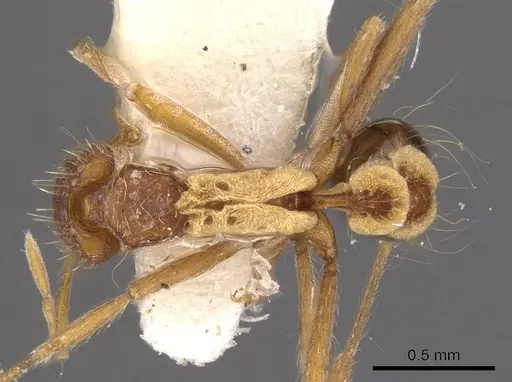
CASENT0914859
View on AntWeb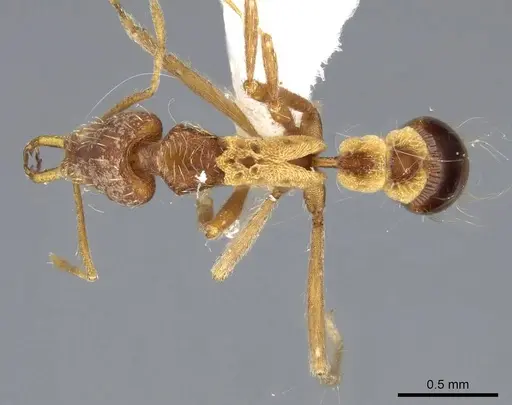
Literature
Loading...Loading products...