

Strumigenys paniaguae
- Scientific Name
- Strumigenys paniaguae
- Tribe
- Attini
- Subfamily
- Myrmicinae
- Author
- Longino, 2006
- Distribution
- Found in 2 countries
Strumigenys paniaguae Overview
Strumigenys paniaguae is an ant species of the genus Strumigenys. It is primarily documented in 2 countries , including Costa Rica, Nicaragua. Detailed taxonomic data and occurrence records can be further explored via authoritative databases such as AntWeb or the Global Biodiversity Information Facility (GBIF).
Strumigenys paniaguae
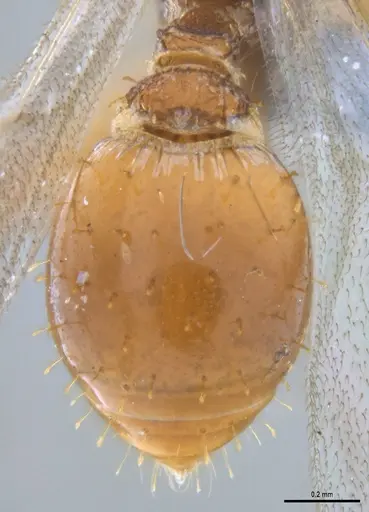
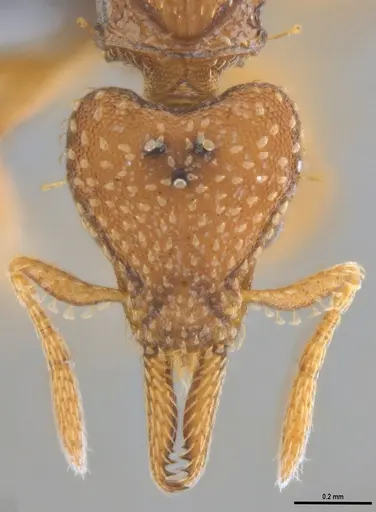
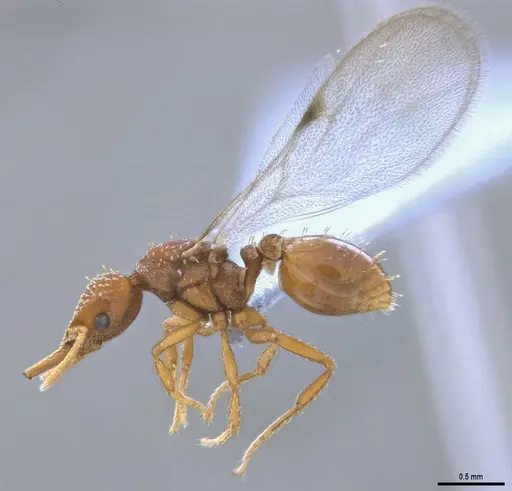
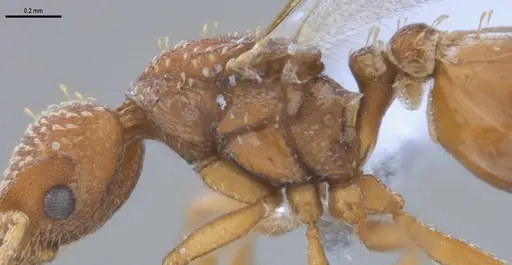
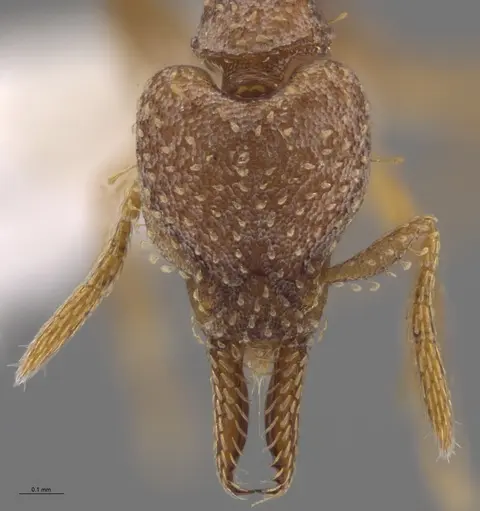
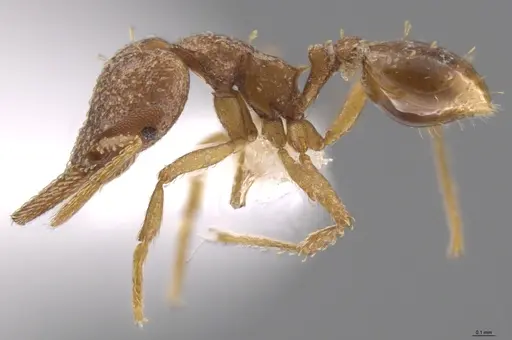
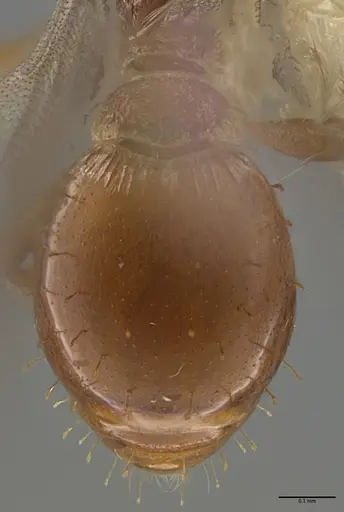
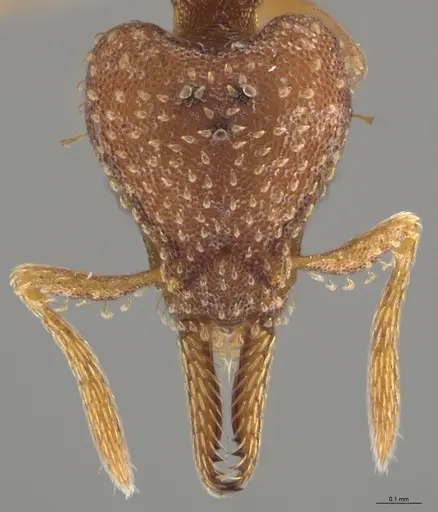
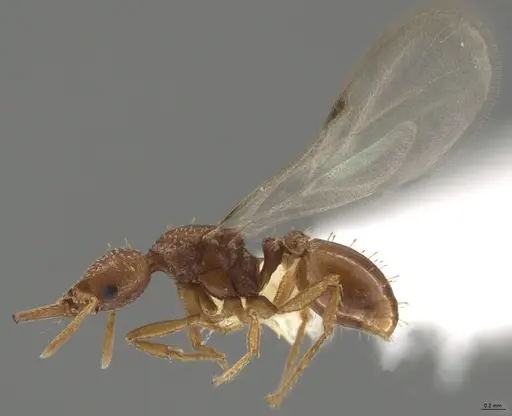
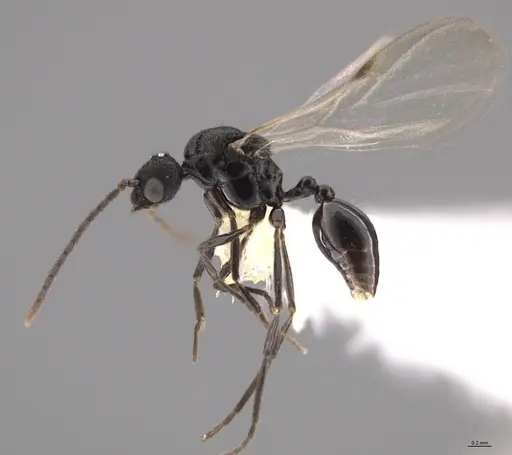
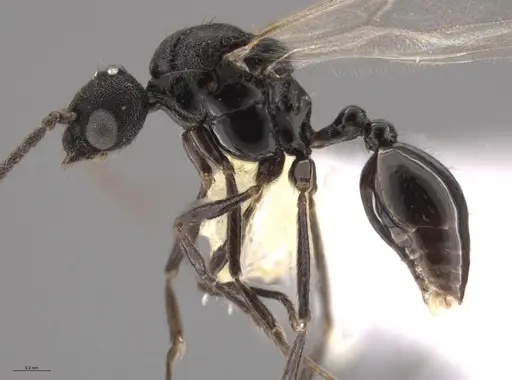
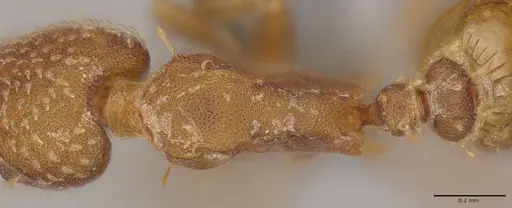
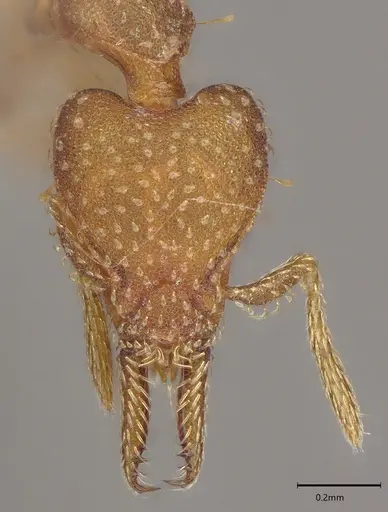
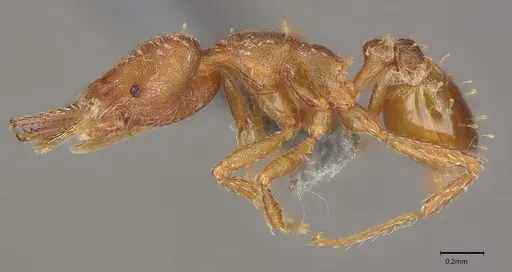
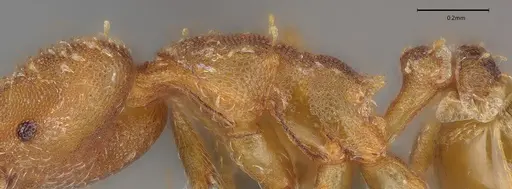
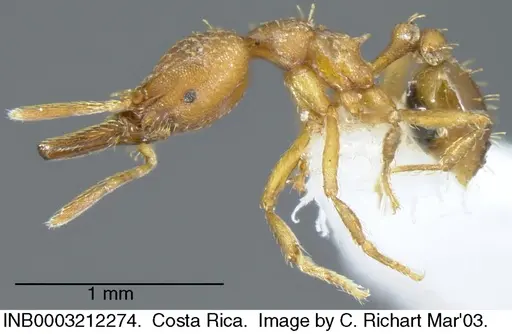
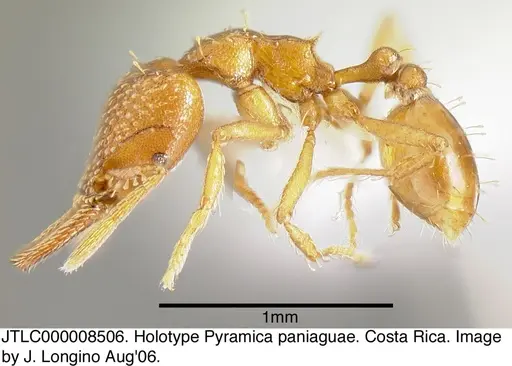
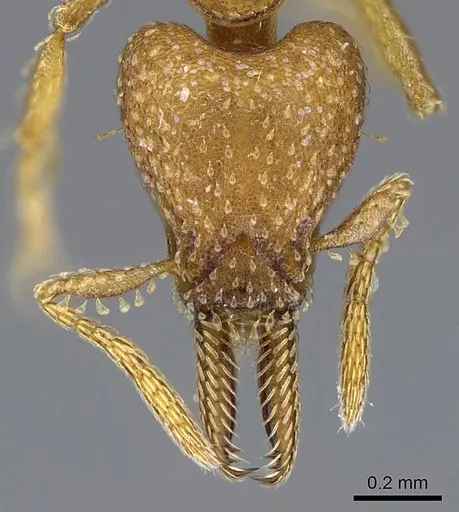
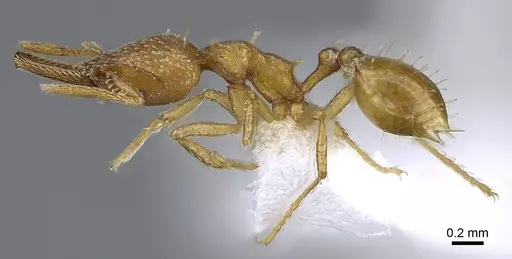
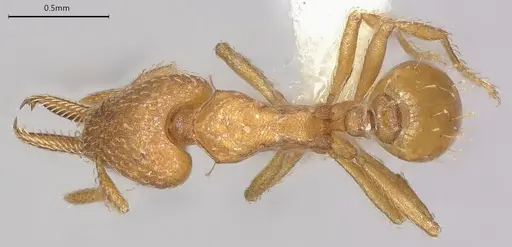
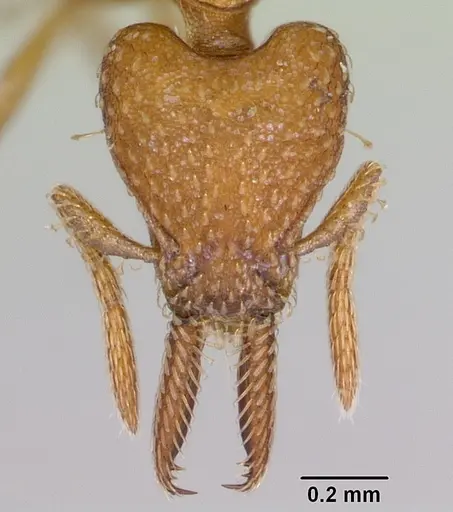
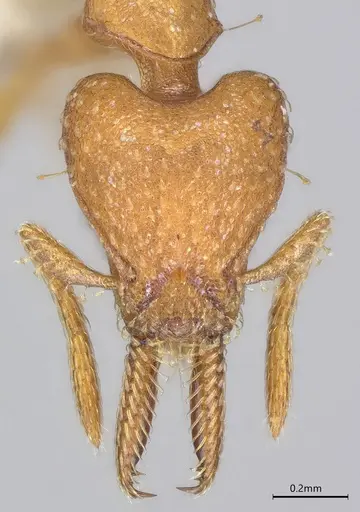
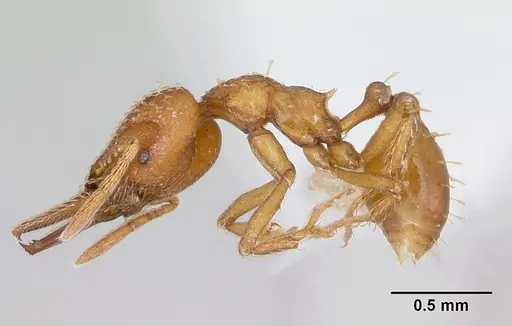
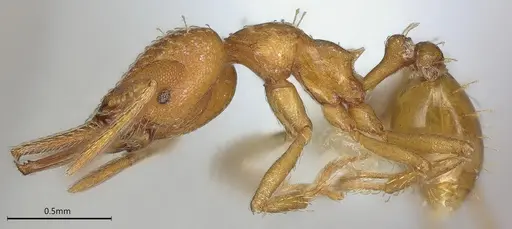
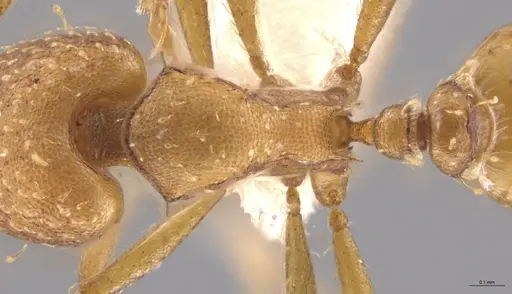
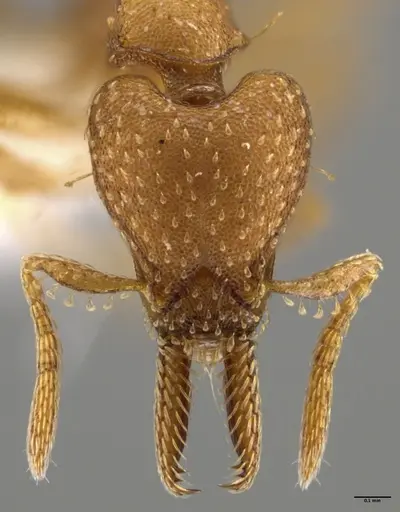
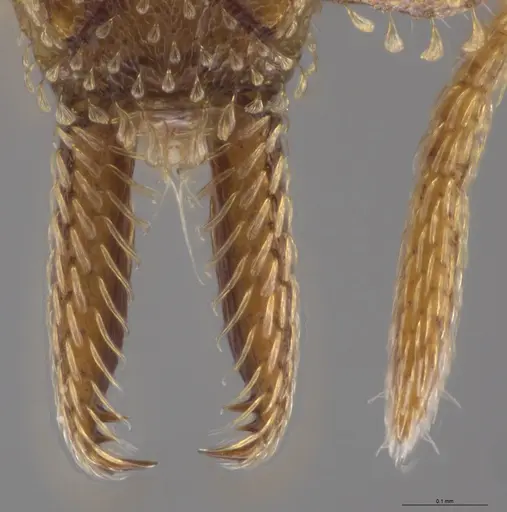
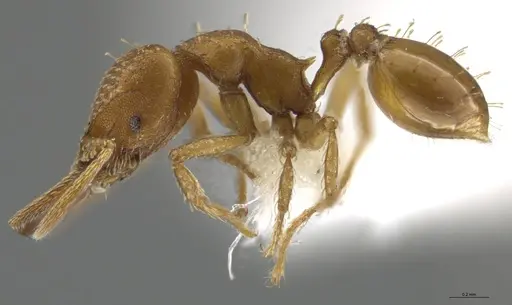
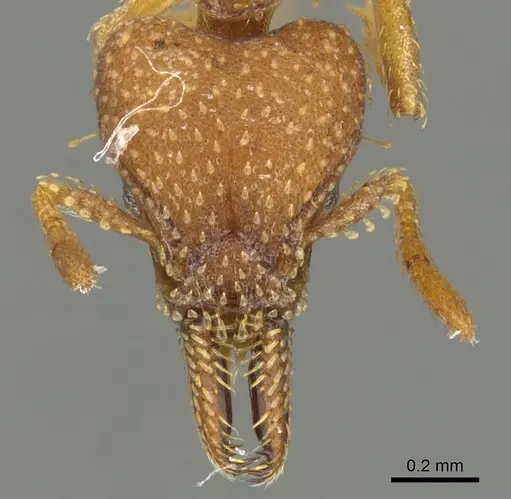
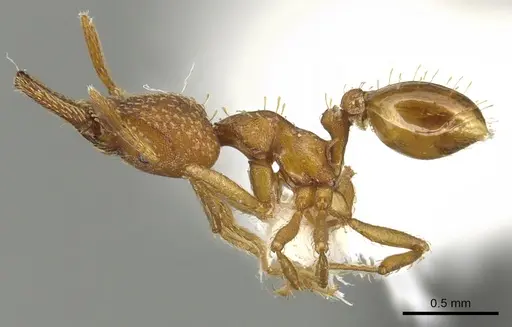
Strumigenys paniaguae is a tiny predatory ant native to the cloud forests of Costa Rica. Workers are among the smallest ants you'll encounter, measuring just 2-3mm with a distinctive orange coloration [1]. This species belongs to the P. gundlachi group and is recognized by its small eyes (about 15 ommatidia), uniquely shaped mandibles with two small teeth before the apical tooth, and abundant stiff clavate setae covering its body [1]. The species was originally described as Strumigenys paniaguae before being transferred to Strumigenys [1].
What makes this species unusual is its arboreal lifestyle, in the wild, these ants nest under epiphytes (air plants) in the cloud forest canopy at elevations between 500m and 1500m [1]. They were discovered in a populous nest under an epiphyte mat in a recent treefall, where they were hunting small prey [1]. As predators, they specialize in capturing tiny arthropods like springtails using their specialized trap-jaw mandibles.
Quick Summary
- Difficulty: Hard
- Origin & Habitat: Costa Rica, specifically the Barva transect in Braulio Carrillo National Park, ranging from 500m to 1500m elevation in continuous cloud forest [1]. This is a tropical montane environment with high humidity and moderate temperatures.
- Colony Type: Colony structure is unconfirmed. The species is arboreal, nesting epiphytically in natural conditions [1].
- Size & Growth:
- Queen: Unconfirmed, likely similar to other Strumigenys at 3-4mm
- Worker: Approximately 2-3mm based on head width of 0.612mm [1]
- Colony: Populous nests observed in the wild, likely reaching several hundred workers [1]
- Growth: Unknown, likely slow to moderate like other Strumigenys species
- Development: Unconfirmed, estimated 6-10 weeks based on related Strumigenys species in tropical conditions (Development timeline has not been directly studied for this species. Estimates based on genus-level data for similar dacetine ants.)
- Antkeeping:
- Temperature: Keep at 22-26°C, they come from a tropical cloud forest with warm, stable temperatures [1]. Avoid temperatures below 20°C.
- Humidity: High humidity is essential, these ants live under epiphytes in cloud forest environments. Keep the nest substrate consistently moist but not waterlogged, with good ventilation to prevent mold.
- Diapause: No, as a tropical species from Costa Rica, they do not require a winter dormancy period [1].
- Nesting: Arboreal specialists, they do well in naturalistic setups with epiphyte material or in moist plaster/acrylic nests. They prefer tight chambers scaled to their tiny size. Avoid dry, open setups.
- Behavior: These are specialized predators with trap-jaw mandibles designed for capturing tiny prey. Workers are small and fast-moving, actively hunting springtails and other micro-arthropods. They are not aggressive toward humans and cannot sting. Due to their tiny size, escape prevention is critical, they can squeeze through remarkably small gaps. Colonies are likely to be shy and may abandon exposed foraging areas if disturbed.
- Common Issues: escape prevention is critical due to their very small size, use fine mesh and tight-fitting lids, specialized diet means they need live micro-prey, they cannot survive on sugar water alone, high humidity requirements can lead to mold problems if ventilation is poor, slow colony growth can frustrate keepers who overfeed and cause pest issues, wild-caught colonies may be stressed from collection and transport
Housing and Nest Setup
Strumigenys paniaguae is an arboreal species that naturally nests under epiphytes in cloud forest canopies [1]. In captivity, they do best in naturalistic setups that mimic this epiphytic environment. You can use a moist plaster nest or acrylic formicarium with tight chambers scaled to their tiny size. The key is maintaining high humidity without stagnation, use adequate ventilation to prevent mold while keeping the substrate consistently damp. Some keepers successfullly keep them in setups with added moss or epiphyte material that retains moisture. Because they are so small, even standard test tube setups can work if you use a water reservoir and keep the cotton well-packed to prevent flooding.
Feeding and Diet
This is a specialized predatory ant, they are not scavengers and cannot survive on sugar water alone. In the wild, they hunt tiny arthropods, particularly springtails (Collembola) [1]. In captivity, their primary food should be live springtails, which you can culture separately. Other small live prey like booklice (psocids), fruit flies, and tiny isopods may also be accepted. Offer prey every 2-3 days, removing any uneaten items within 24 hours to prevent mold. Do not rely on honey or sugar water, these ants are strict predators. Some keepers report success with occasional small pieces of insect flesh, but live prey should form the basis of their diet.
Temperature and Humidity
As a Costa Rican cloud forest species, Strumigenys paniaguae needs warm, humid conditions. Keep temperatures in the range of 22-26°C, avoid dropping below 20°C as this species is not cold-tolerant. High humidity is essential, ideally 70-85% relative humidity. The epiphytic nesting environment means they are used to constant moisture. Use a water reservoir in your nest setup and monitor substrate moisture regularly. The substrate should feel damp to the touch but never waterlogged. Good ventilation is crucial to prevent the stagnant, mold-prone conditions that can kill these delicate ants. [1]
Colony Dynamics and Growth
Colony growth is likely slow compared to many common ant species. The species was discovered in a populous wild nest with workers and brood, but no sexuals were observed [2]. This suggests colonies can reach several hundred workers. Development time from egg to worker has not been documented for this specific species, but based on related Strumigenys, expect 6-10 weeks under optimal conditions. Be patient, these ants prioritize quality over quantity, and a slow-growing colony is normal. Do not overfeed in an attempt to speed growth, as excess prey leads to mold and pest problems that can devastate small colonies.
Handling and Temperament
These tiny ants are not aggressive and pose no danger to keepers. They have small mandibles and no functional stinger (Strumigenys are in Myrmicinae but are not stinging specialists). Workers are fast-moving and secretive, often hiding in the nest rather than foraging openly. Their small size means they are excellent escape artists, use fine mesh (at least 0.5mm) on all openings and consider applying Fluon to barrier edges. Handle colony transfers gently, as these small ants can be easily crushed. They are best observed through the nest walls rather than handled directly. [1]
Frequently Asked Questions
How long does it take for Strumigenys paniaguae to produce first workers?
The exact timeline is unconfirmed, but based on related Strumigenys species, expect 6-10 weeks from egg to first worker at optimal temperature (22-26°C). Colony growth is typically slow, so patience is essential.
What do Strumigenys paniaguae ants eat?
They are specialized predators that need live micro-prey. Their primary food should be live springtails, which they hunt using their trap-jaw mandibles. Other small live prey like booklice, fruit flies, and tiny isopods may also be accepted. They cannot survive on sugar water alone.
Can I keep Strumigenys paniaguae in a test tube?
Yes, test tubes can work if properly set up with a water reservoir. However, due to their high humidity needs and small size, a naturalistic setup with moist substrate or a plaster nest often produces better results. Ensure the cotton is well-packed to prevent flooding.
Are Strumigenys paniaguae good for beginners?
No, this species is not recommended for beginners. They have very specific humidity and dietary requirements (live prey only), are extremely small making escape likely, and have slow colony growth. They are best suited for experienced antkeepers who can provide the specialized care they need.
Do Strumigenys paniaguae need hibernation?
No, they do not need hibernation. As a tropical species from Costa Rica's cloud forests, they require year-round warm temperatures (22-26°C) without seasonal cooling. Attempting to hibernate them can be fatal.
Why are my Strumigenys paniaguae dying?
Common causes include: temperature too low (below 20°C), humidity too low or too high (stagnant causing mold), lack of live prey, overfeeding causing pest/mold issues, or escape due to inadequate barriers. Review each of these factors and adjust accordingly.
How big do Strumigenys paniaguae colonies get?
Colonies can reach several hundred workers based on observations of populous nests in the wild [1]. However, growth is slow and may take many months to reach this size.
Can I keep multiple queens together?
This has not been documented for this species. Based on typical Strumigenys behavior, it is not recommended to combine unrelated foundresses. If you obtain a dealate queen, house her alone in a founding setup.
When should I move my colony to a formicarium?
Wait until the colony has at least 20-30 workers and is actively foraging in an outworld. For Strumigenys, this typically takes 6-12 months after founding. Moving too early can stress the colony. Ensure the new setup maintains the high humidity they require.
References

This caresheet is licensed under CC BY-SA 4.0 .
ANTWEB1053491
View on AntWeb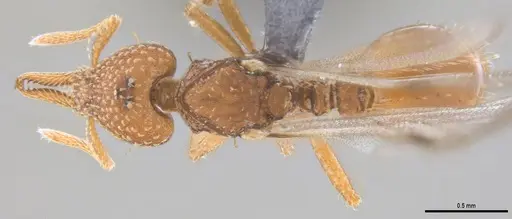
CASENT0629112
View on AntWeb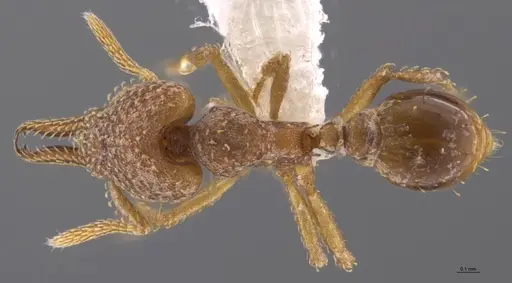
CASENT0648595
View on AntWeb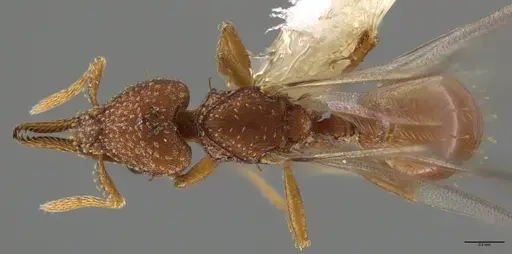
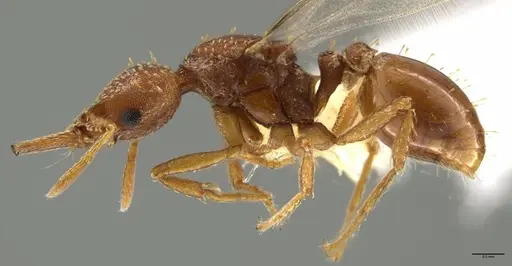
CASENT0648596
View on AntWeb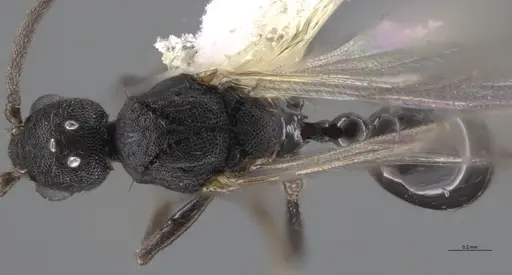
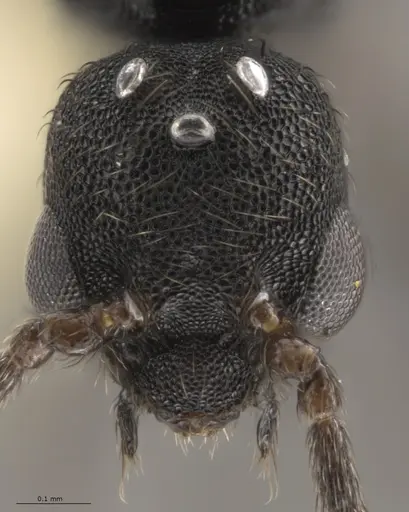
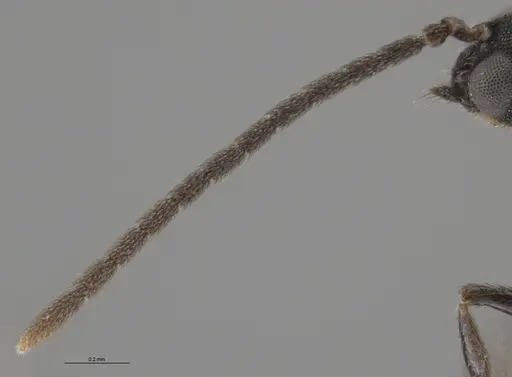
CASENT4036160
View on AntWeb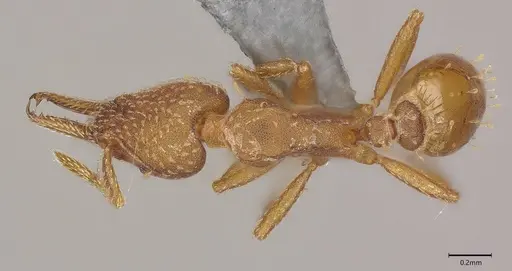
INB0003212274
View on AntWeb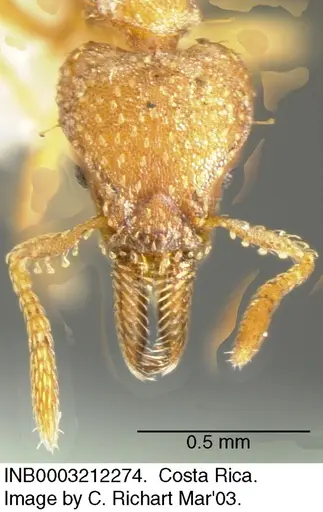
JTLC000008506
View on AntWeb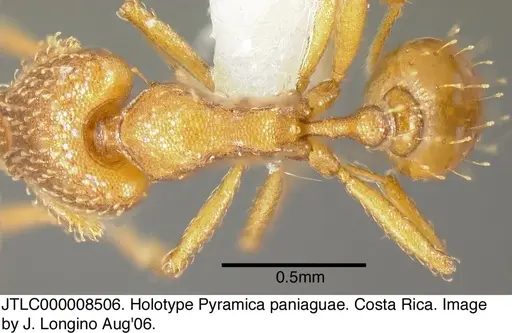
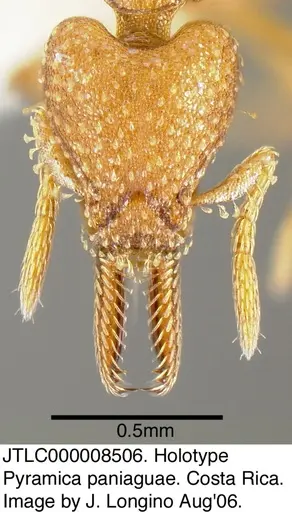
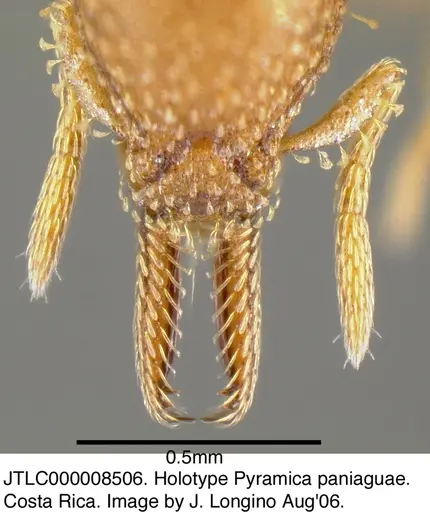
JTLC000008508
View on AntWeb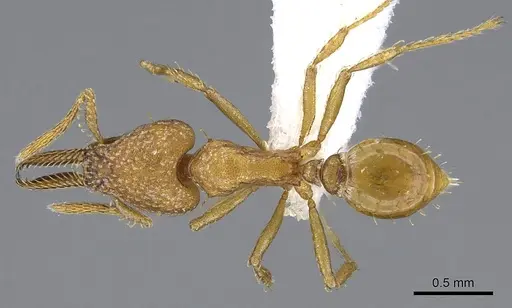
JTLC000008509
View on AntWeb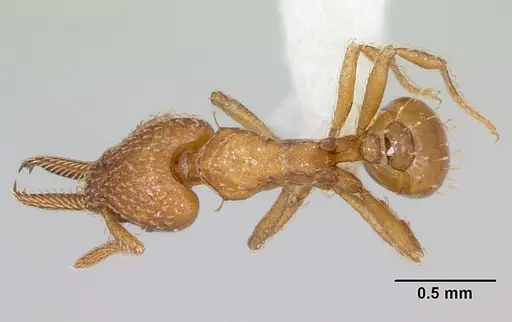
JTLC000008514
View on AntWeb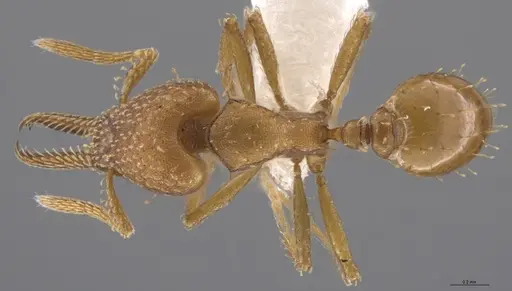
LACMENT144683
View on AntWeb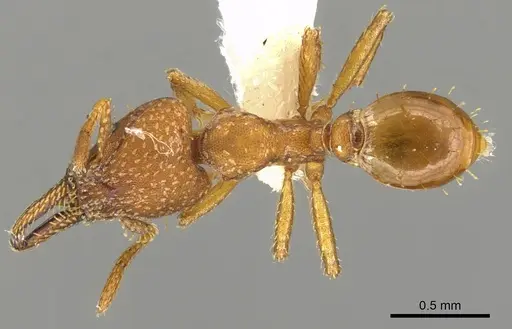
Literature
Loading...Loading products...