

Strumigenys olsoni
- Scientific Name
- Strumigenys olsoni
- Tribe
- Attini
- Subfamily
- Myrmicinae
- Author
- Bolton, 2000
- Distribution
- Found in 1 countries
Strumigenys olsoni Overview
Strumigenys olsoni is an ant species of the genus Strumigenys. It is primarily documented in 1 countries , including Madagascar. Detailed taxonomic data and occurrence records can be further explored via authoritative databases such as AntWeb or the Global Biodiversity Information Facility (GBIF).
Strumigenys olsoni
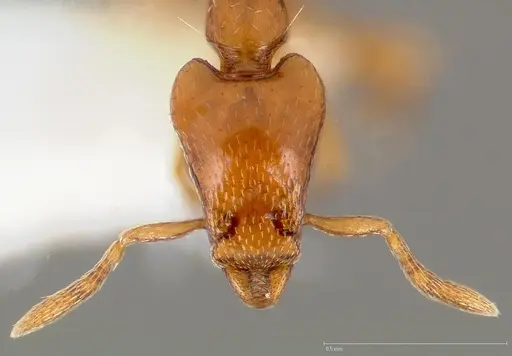
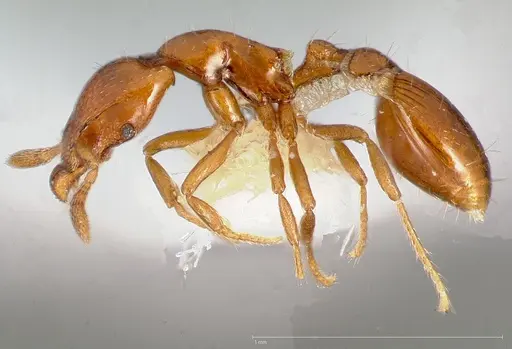
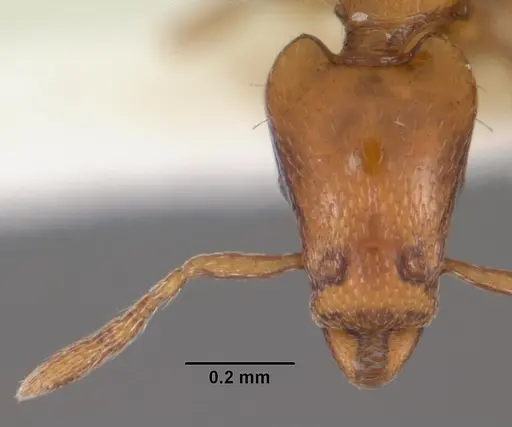
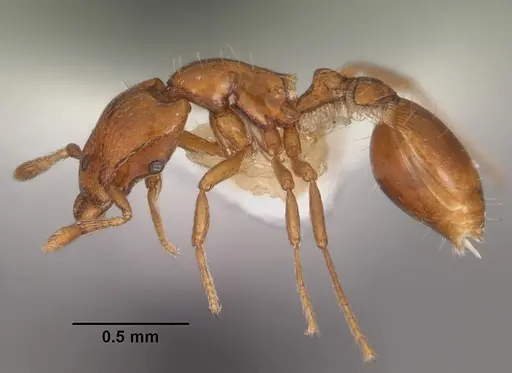
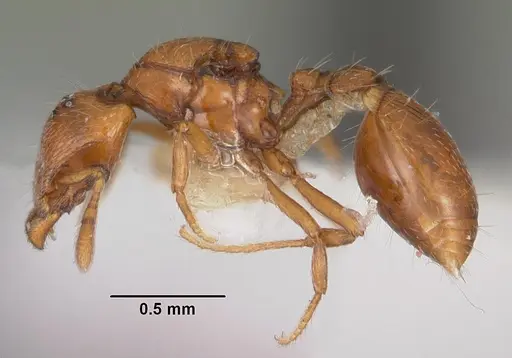
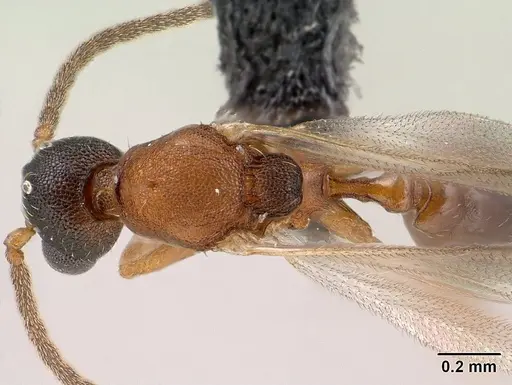
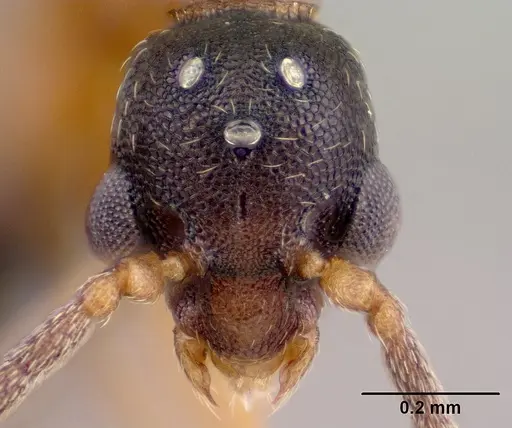
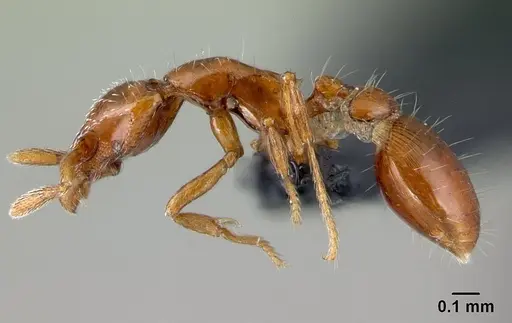
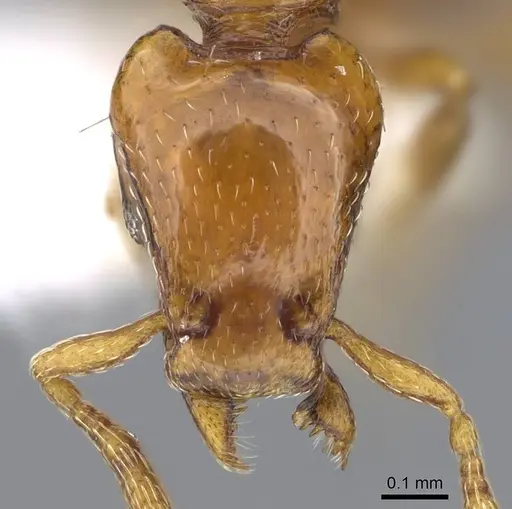
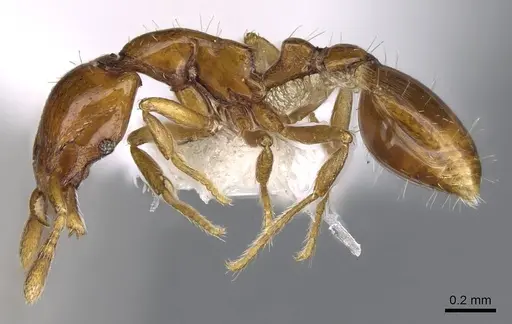
Strumigenys olsoni is a tiny predatory ant measuring just 2.2-2.3mm in total length, native to Madagascar. Workers have a glossy head and alitrunk with distinctive erect hairs on the body, and feature the characteristic trap-jaw mandibles of the Dacetini tribe, capable of snapping shut on prey in a fraction of a second. The species is the sole member of the S. olsoni group and was originally described under the genus Pyramica before being reclassified to Strumigenys.
These ants are specialist springtail predators, using their trap-jaw mandibles to capture tiny arthropods in leaf litter. They inhabit areas ranging from grassland to rainforest across Madagascar, most commonly collected from forest floor litter samples at elevations around 400m [1]. Their tiny size and specialized diet make them a challenging but fascinating species to keep.
Quick Summary
- Difficulty: Expert
- Origin & Habitat: Madagascar, widely distributed across the island in habitats varying from grassland to rainforest, typically found in leaf litter samples at elevations around 400m [1][2]
- Colony Type: Likely monogyne (single queen) based on typical Strumigenys colony structure, though colony founding details are unconfirmed for this specific species
- Colony: Monogyne
- Size & Growth:
- Queen: Unconfirmed size, related species typically 2.5-3.5mm
- Worker: 2.2-2.3mm
- Colony: Likely small colonies of several dozen workers based on typical Strumigenys colony sizes
- Growth: Slow, specialist predators with limited prey requirements
- Development: Estimated 8-12 weeks based on related Strumigenys species at warm temperatures (Development is slow due to specialized predatory lifestyle and small colony sizes typical of this genus)
- Antkeeping:
- Temperature: Keep at 22-26°C, they prefer warm, humid conditions similar to tropical leaf litter [2]
- Humidity: High humidity required, maintain moist substrate similar to forest floor conditions, around 70-80%
- Diapause: No true diapause, being a tropical species, they do not require hibernation but may show reduced activity during cooler periods
- Nesting: Y-tong (AAC) nests or test tube setups work well, they prefer tight chambers scaled to their tiny 2mm size. Naturalistic setups with leaf litter and substrate also suitable
- Behavior: Very docile and non-aggressive, these tiny ants are specialized predators that pose no threat to keepers. They are slow-moving but possess lightning-fast trap-jaw mandibles for capturing springtails. Escape prevention is critical due to their minute size, they can squeeze through incredibly small gaps. They are not defensive and will not sting.
- Common Issues: escape prevention is critical, their tiny 2mm size means they can slip through standard barrier setups, specialized diet makes them difficult to feed, they require live springtails or other micro-arthropods, slow growth and small colony sizes mean colonies can easily stagnate if prey is not available, high humidity requirements can lead to mold issues if ventilation is poor, wild-caught colonies may contain parasites that can devastate captive colonies
Housing and Nest Setup
Strumigenys olsoni requires careful housing due to their minute size. Y-tong (acrylic) nests with narrow chambers work well, or you can use test tube setups with cotton plugs. The chambers should be tight-fitting, these tiny 2mm ants can escape through gaps that would hold back larger species. Use fine mesh on all openings and apply Fluon or other barrier solutions to all edges. A naturalistic setup with a layer of moist leaf litter on top of a hydration plug also works well, simulating their natural forest floor habitat. Avoid tall, open spaces that could cause them to feel exposed, they prefer tight, enclosed spaces. [2]
Feeding and Diet
This is the most challenging aspect of keeping S. olsoni. They are specialist springtail predators and will not thrive on typical ant foods like sugar water or protein scraps. You must culture a steady supply of springtails (Folsomia candida or similar species) to feed them. Offer 3-5 springtails per worker cluster every few days, removing uneaten prey to prevent mold. Some keepers report success with other tiny arthropods like micro-isopods and booklice (psocids), but springtails should form the bulk of their diet. Never rely on honey or sugar, these ants are pure predators. Remove uneaten prey within 24 hours to maintain hygiene. [2]
Temperature and Humidity
Keep your colony at 22-26°C, mimicking the warm, humid conditions of tropical Madagascar leaf litter. A small heating cable on one side of the nest can create a gentle gradient, but avoid overheating. Humidity should be high, aim for 70-80% relative humidity in the nest chamber. The substrate should remain consistently moist but never waterlogged. Use a water reservoir or hydration system that allows the ants to access moisture without flooding. Avoid placing the nest near air conditioning or heating vents that could cause rapid drying. [2]
Behavior and Colony Dynamics
Strumigenys olsoni workers are slow and deliberate in their movements, but their trap-jaw mandibles can snap shut in milliseconds when springtails are detected. Colonies remain small, typically under 100 workers even in established colonies. They are not aggressive toward keepers and cannot sting. The queen is likely claustral and will seal herself in during founding, raising the first workers (nanitics) on stored fat reserves. Workers forage individually through the substrate, hunting springtails and other tiny arthropods. Do not combine colonies or introduce additional queens to established nests.
Growth and Development
Colony growth is slow. The first workers (nanitics) will appear after an estimated 8-12 weeks, though this is based on related Strumigenys species rather than direct observation of S. olsoni. These first workers are typically smaller than mature workers. Growth continues slowly as the colony adds maybe one to a few workers per month under optimal conditions. A healthy colony may eventually reach 50-100 workers, but colonies often remain smaller. Patience is essential, do not disturb the queen during founding or overfeed the colony in its early stages.
Frequently Asked Questions
How long does it take for Strumigenys olsoni to produce first workers?
Expect first workers (nanitics) after approximately 8-12 weeks based on related Strumigenys species, though this has not been directly documented for S. olsoni. Development is slow due to their specialized predatory lifestyle and small colony sizes.
What do Strumigenys olsoni ants eat?
They are specialist springtail predators. You must culture live springtails (Folsomia candida or similar) to feed them. They will not accept sugar water, honey, or typical ant protein foods. Some keepers report success with other micro-arthropods like booklice, but springtails should form the bulk of their diet.
Can I keep Strumigenys olsoni in a test tube?
Yes, test tubes work well for this species. Use a small test tube with a cotton plug and water reservoir. The key is ensuring excellent escape prevention, their tiny 2mm size means they can slip through standard barriers. Apply Fluon to the rim and use fine mesh on any ventilation holes.
Are Strumigenys olsoni good for beginners?
No. This is an expert-level species due to their specialized springtail diet, tiny size requiring excellent escape prevention, and high humidity requirements. They are not recommended for anyone without experience culturing live micro-prey.
How big do Strumigenys olsoni colonies get?
Colonies remain small, typically under 100 workers even in established colonies. This is typical for the genus Strumigenys, which maintains relatively small colony sizes compared to many other ants.
Do Strumigenys olsoni need hibernation?
No. Being a tropical Madagascar species, they do not require a diapause or hibernation period. They may show reduced activity during cooler periods, but no special winter care is needed beyond maintaining normal temperatures.
Why are my Strumigenys olsoni dying?
The most common causes are: lack of live springtail prey (they will starve without proper food), escape through tiny gaps (their 2mm size makes escape common), mold from overwatering or poor ventilation, and parasites from wild-caught colonies. Ensure you have a springtail culture established before acquiring this species.
When should I move my colony to a formicarium?
You generally do not need to move them to a traditional formicarium. A test tube or Y-tong nest works well for their entire lifespan. Only consider moving if the test tube is severely degraded or the colony has reached its maximum size and you want to expand the setup.
Can I keep multiple queens together?
Not recommended. Strumigenys are typically monogyne (single queen). Combining unrelated queens has not been documented for this species and would likely result in fighting. If you acquire a multi-queen colony from the wild, allow only one to remain in the primary nesting chamber.
References

This caresheet is licensed under CC BY-SA 4.0 .
CASENT0005455
View on AntWeb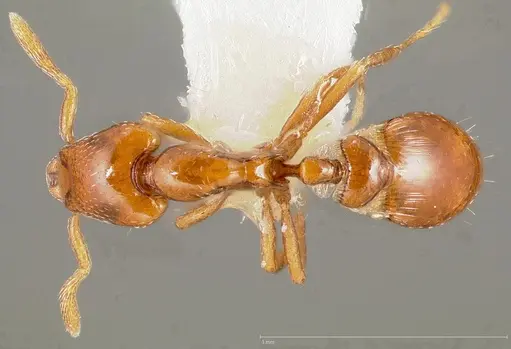
CASENT0102263
View on AntWeb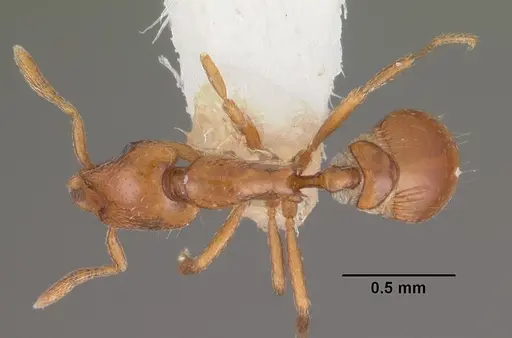
CASENT0102264
View on AntWeb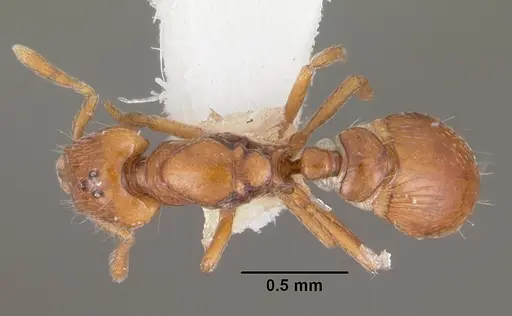
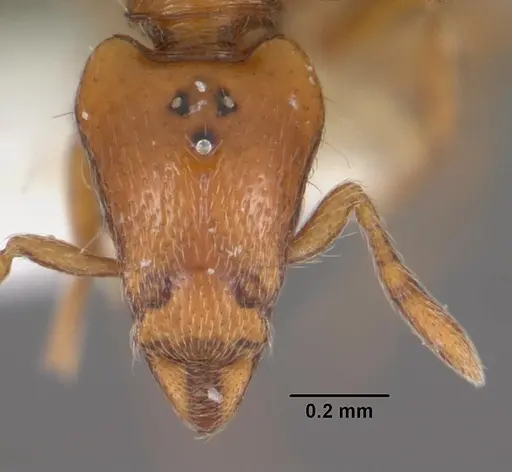
CASENT0135583
View on AntWeb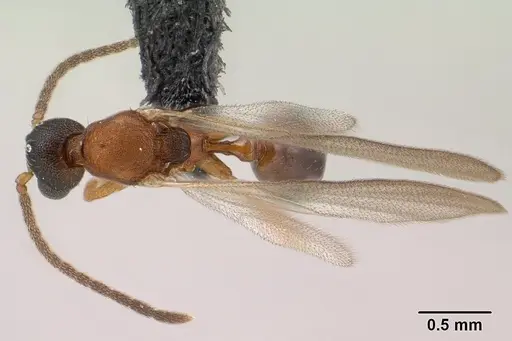
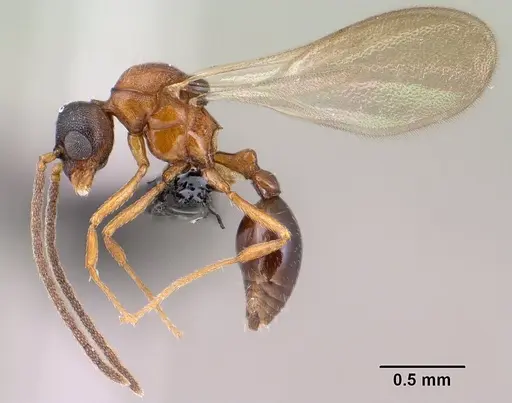
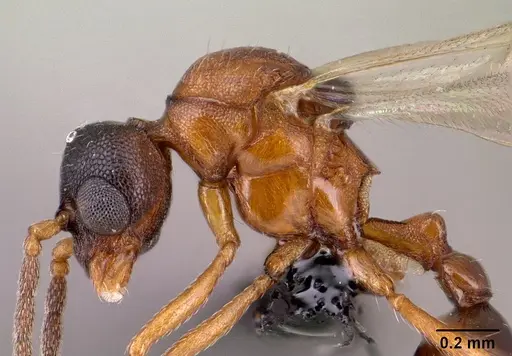
CASENT0141982
View on AntWeb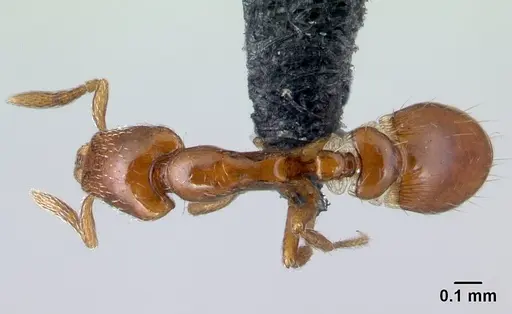
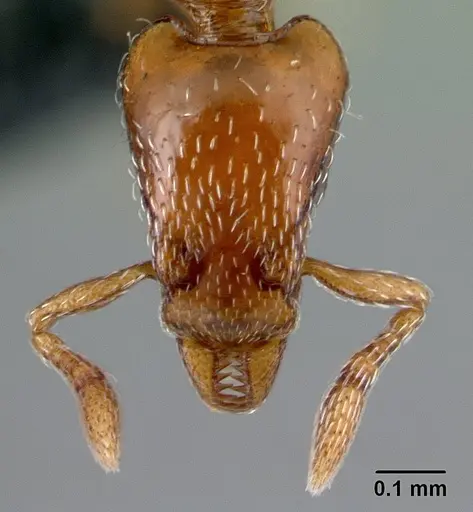
CASENT0914711
View on AntWeb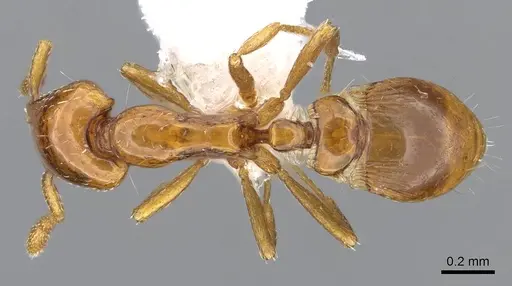
Literature
Loading...Loading products...