

Strumigenys ogloblini
- Scientific Name
- Strumigenys ogloblini
- Tribe
- Attini
- Subfamily
- Myrmicinae
- Author
- Santschi, 1936
- Distribution
- Found in 2 countries
Strumigenys ogloblini Overview
Strumigenys ogloblini is an ant species of the genus Strumigenys. It is primarily documented in 2 countries , including Argentina, Brazil. Detailed taxonomic data and occurrence records can be further explored via authoritative databases such as AntWeb or the Global Biodiversity Information Facility (GBIF).
Strumigenys ogloblini
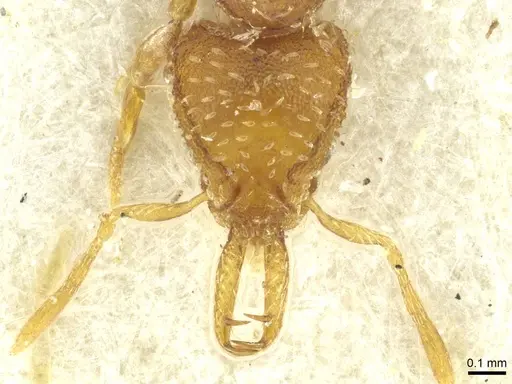
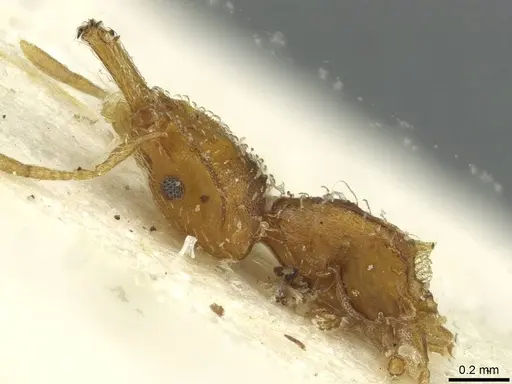
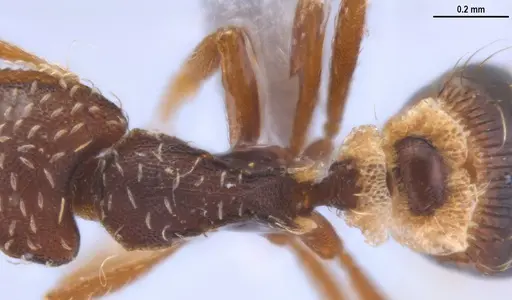
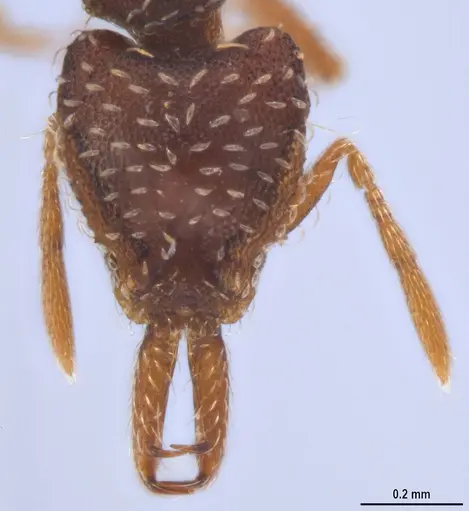
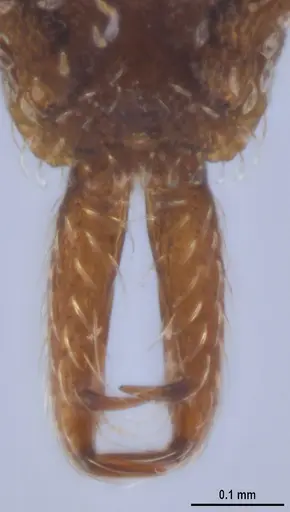
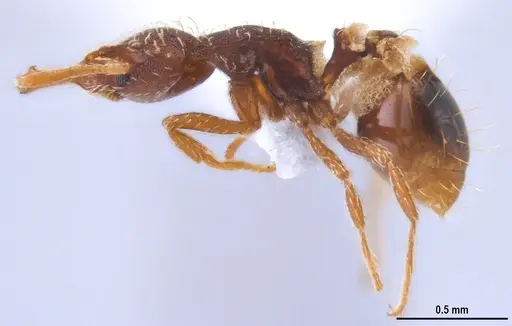
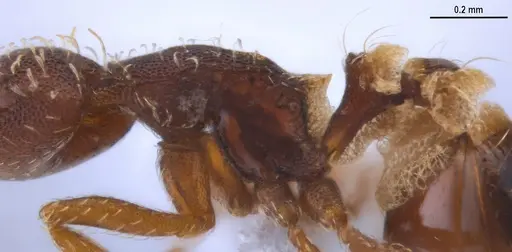
Strumigenys ogloblini is a tiny predatory ant native to the Neotropical region of South America, found in Argentina, Brazil, and Paraguay. Workers measure just 2.3-2.5mm, making them one of the smaller ant species kept in captivity. They have a distinctive rusty ferruginous color and can be identified by their strongly convex head, broad translucent margins along the scrobe borders, and unique mandibular structure with a single preapical tooth and one intercalary denticle. The species is the only member of the Strumigenys ogloblini group and nests in the ground according to collector notes [1].
Quick Summary
- Difficulty: Hard
- Origin & Habitat: Neotropical region, Argentina, Brazil, and Paraguay. Found in Misiones province and surrounding areas. In nature they live in leaf litter and nest in the ground [1][2].
- Colony Type: Monogyne, single queen colonies. Colony size reaches up to a few hundred workers based on related Strumigenys species [1].
- Colony: Monogyne
- Founding: Claustral
- Size & Growth:
- Queen: 2.6-2.7 mm
- Worker: 2.3-2.5 mm
- Colony: Estimated 100-300 workers based on related species
- Growth: Slow
- Development: Estimated 8-12 weeks at 24-26°C based on related Strumigenys species (Development time is estimated as this species has not been specifically studied. Strumigenys colonies typically grow slowly due to their specialized predatory diet.)
- Antkeeping:
- Temperature: Keep at 24-26°C, these are tropical ants that need warm, stable conditions. A gentle heating gradient allows them to regulate temperature.
- Humidity: High humidity of 70-85%, they come from damp forest floor environments in the Neotropics. Keep the nest substrate consistently moist but not waterlogged.
- Diapause: No, being a tropical species, they do not require hibernation. Maintain warm conditions year-round.
- Nesting: Ground-nesting species. In captivity, a naturalistic setup with moist soil or a plaster/acrylic nest works well. They prefer tight chambers scaled to their tiny size. The founding queen seals herself in a claustral chamber.
- Behavior: Strumigenys are specialized predators of tiny arthropods, primarily springtails (collembola). They use their unusual mandibles to capture prey with a snap-like action. Workers are cryptic and spend most of their time foraging in leaf litter. They are not aggressive and pose no threat to keepers. Their tiny size means escape prevention is critical, they can squeeze through standard mesh barriers.
- Common Issues: tiny size means escapes are likely without fine mesh barriers, specialized diet makes them difficult to feed, require live springtails or other micro-prey, slow growth can frustrate keepers expecting fast colony development, high humidity requirements can lead to mold problems if ventilation is poor, wild-caught colonies may have parasites that kill them in captivity
Housing and Nest Setup
Strumigenys ogloblini is a tiny ground-nesting ant that requires careful housing setup. Because workers are only 2.3-2.5mm, you must use excellent escape prevention, standard mesh may be too coarse. Fine mesh or fluon barriers are essential. For the nest, a naturalistic setup with moist soil or a small acrylic/plaster nest with tight chambers works well. They prefer narrow passages scaled to their tiny body size. The outworld should be simple with minimal vertical space since they are not strong climbers. A small water reservoir connected to the nest helps maintain humidity without flooding. [1]
Feeding and Diet
This is the most challenging aspect of keeping Strumigenys ogloblini. They are specialized predators that primarily hunt springtails (Collembola) and other tiny soil arthropods. In captivity, you must establish a culture of live springtails to feed your colony. They may also accept other micro-prey like booklice (psocids), tiny mites, and fruit fly larvae, but springtails should be their primary food. Do not rely on sugar sources, Strumigenys are not honeydew feeders and get their nutrition entirely from protein prey. Feed small amounts of live prey every few days, removing any uneaten prey to prevent mold. A well-established springtail culture is essentially required before acquiring this species.
Temperature and Humidity
As a Neotropical species, Strumigenys ogloblini needs warm, humid conditions. Keep the nest at 24-26°C year-round, they do not tolerate cool temperatures. A heating cable or mat on one side of the nest creates a temperature gradient. Humidity should be high, around 70-85%. The substrate should feel consistently damp but never waterlogged. Mist the nest occasionally, but rely on a water reservoir for steady moisture. Good ventilation is important to prevent mold, but avoid excessive airflow that dries the nest. These ants are sensitive to drying out.
Colony Development
Colony growth is slow, Strumigenys species do not produce workers quickly. The claustral queen seals herself in a chamber and raises the first workers (nanitics) alone on her stored fat reserves. First workers may appear after 6-10 weeks, but this is an estimate based on related species. Once established, the colony grows gradually. Maximum size is likely 100-300 workers based on similar Strumigenys species. The slow growth is partly due to their specialized predatory diet, each prey item only feeds a small number of ants. Be patient and do not overfeed, as excess prey creates mold problems in the humid setup they require.
Behavior and Temperament
Strumigenys ogloblini workers are cryptic foragers that search through leaf litter for prey. They are not aggressive toward keepers and cannot sting, their stingers are not functional in this tribe. Workers use their specialized mandibles to capture prey with a quick snap. They are not territorial or defensive of the nest entrance. The main behavioral concern is their tiny size making them prone to escapes. They are not climbers and prefer to stay on the substrate. Observation is rewarding, watching these tiny predators hunt springtails is fascinating behavior to observe.
Frequently Asked Questions
How long does it take for Strumigenys ogloblini to produce first workers?
Based on related Strumigenys species, expect first workers (nanitics) around 6-10 weeks after the queen lays eggs. This is an estimate since this specific species has not been studied. Development depends on temperature, warmer conditions within their range speed development slightly.
What do Strumigenys ogloblini ants eat?
They are specialized predators that need live springtails (collembola) as their primary food. You will need to establish a springtail culture before getting this species. They may accept other tiny prey like booklice, mites, and fruit fly larvae, but springtails should make up the bulk of their diet. They do not feed on sugar or honey.
Are Strumigenys ogloblini good for beginners?
No, this species is difficult for beginners. Their tiny size makes escape prevention challenging, they require a specialized live prey diet (springtail culture), and they need high humidity with warm temperatures. They are best suited for experienced antkeepers who can provide the specific conditions they need.
How big do Strumigenys ogloblini colonies get?
Based on related species, colonies likely reach 100-300 workers at maximum. They are not large colony producers like some Myrmicinae. Growth is slow, so reaching maximum size takes many months or years.
Do Strumigenys ogloblini need hibernation?
No, they are tropical ants from the Neotropical region and do not require hibernation. Keep them warm year-round at 24-26°C. Cool temperatures can stress and kill them.
Can I keep Strumigenys ogloblini in a test tube?
A test tube setup can work for founding colonies if it provides adequate humidity and the tube has a water reservoir. However, the tiny workers may escape through standard cotton plugs, use fluon or fine mesh barriers instead. A small acrylic nest with tight chambers is often a better long-term option.
Why are my Strumigenys ogloblini dying?
Common causes include: drying out (they need high humidity), too cool temperatures (keep at 24-26°C), lack of live springtail prey (they cannot survive on other foods), escapes through fine gaps, and mold from overwatering or excess prey. Review each of these factors if your colony is declining.
Where is Strumigenys ogloblini found in the wild?
They are native to the Neotropical region, specifically Argentina, Brazil, and Paraguay. They live in leaf litter and nest in the ground, particularly in the Misiones province of Argentina and surrounding areas [1][2].
What makes Strumigenys ogloblini unique?
They are the only species in the Strumigenys ogloblini group, making them taxonomically distinct. Their identification features include a single preapical tooth on each mandible, strongly convex head, and distinctive spongiform structures on the petiole and postpetiole. They are tiny, cryptic predators specialized for hunting springtails.
References

This caresheet is licensed under CC BY-SA 4.0 .
CASENT0912861
View on AntWeb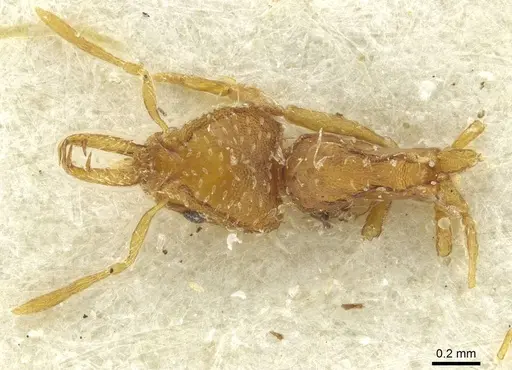
DZUP556814
View on AntWeb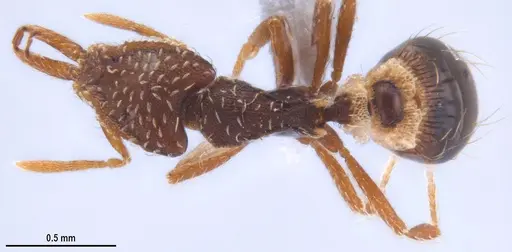
Literature
Loading...Loading products...