

Strumigenys oconitrilloae
- Scientific Name
- Strumigenys oconitrilloae
- Tribe
- Attini
- Subfamily
- Myrmicinae
- Author
- Longino, 2006
- Distribution
- Found in 1 countries
Strumigenys oconitrilloae Overview
Strumigenys oconitrilloae is an ant species of the genus Strumigenys. It is primarily documented in 1 countries , including Costa Rica. Detailed taxonomic data and occurrence records can be further explored via authoritative databases such as AntWeb or the Global Biodiversity Information Facility (GBIF).
Strumigenys oconitrilloae
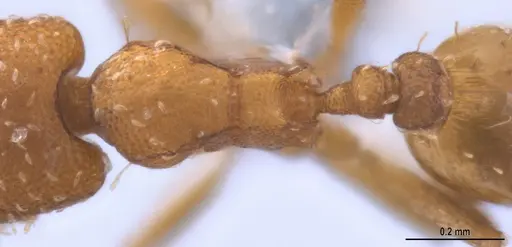
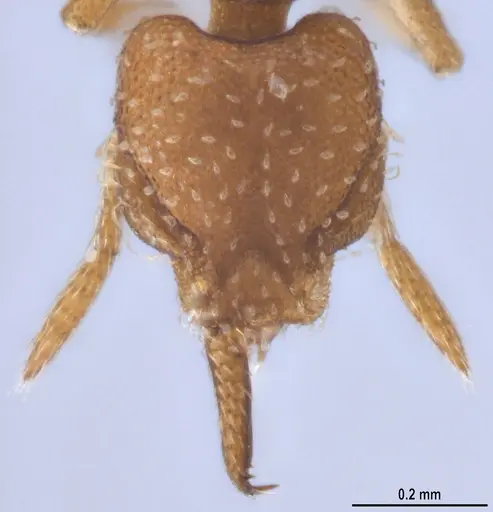
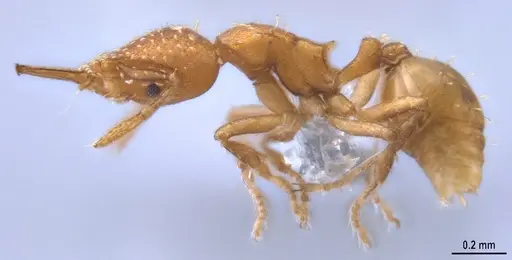
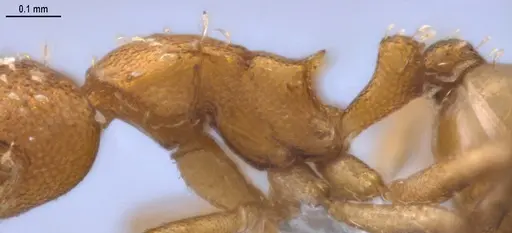
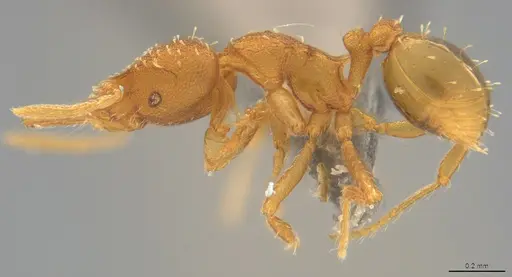
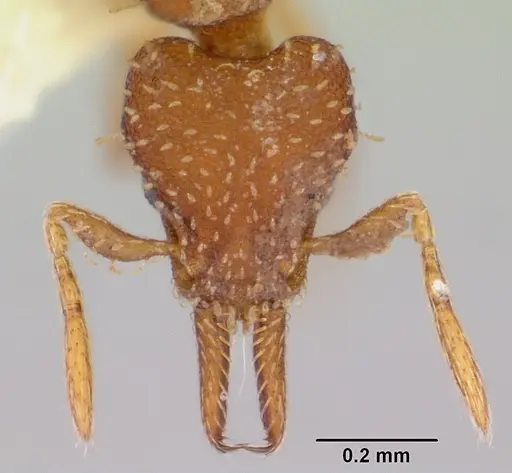
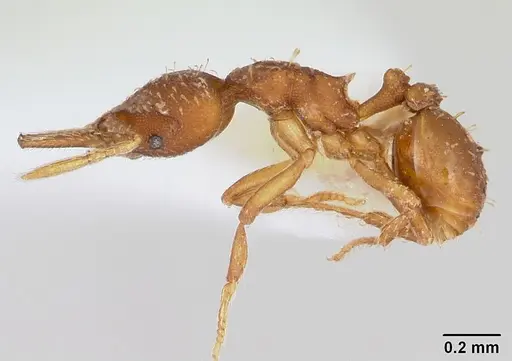
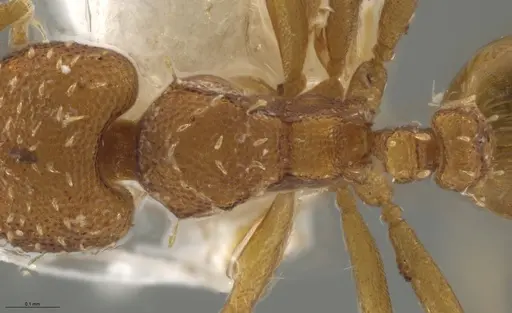
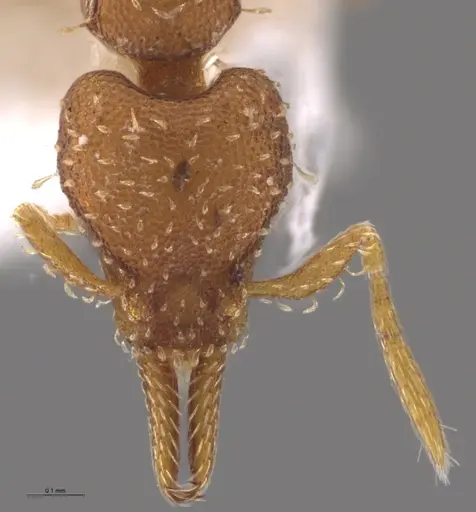
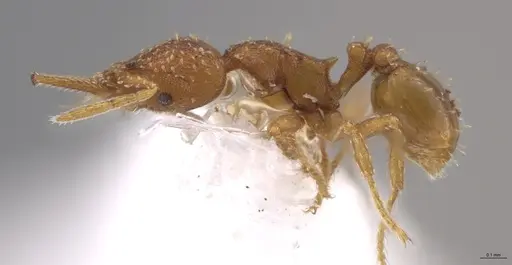
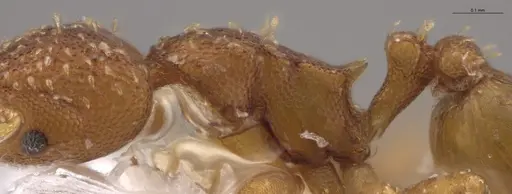
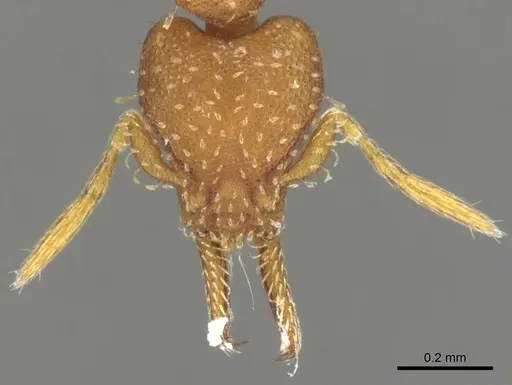
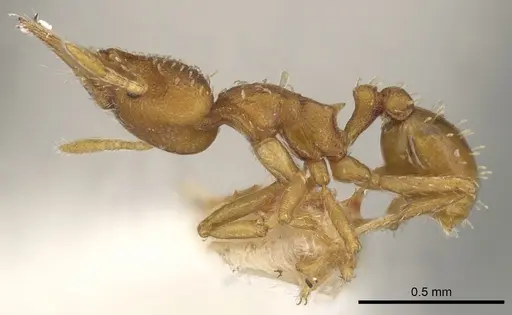
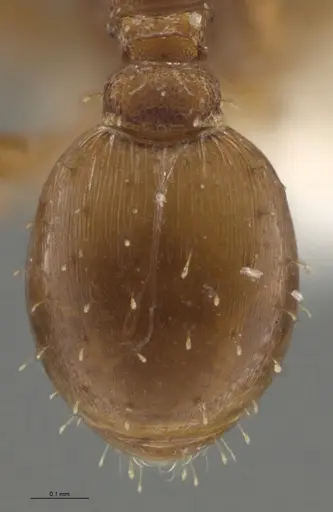
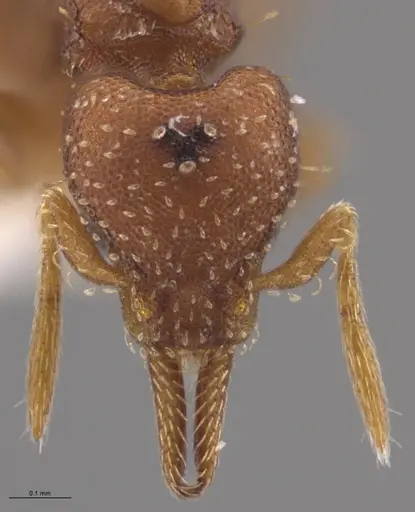
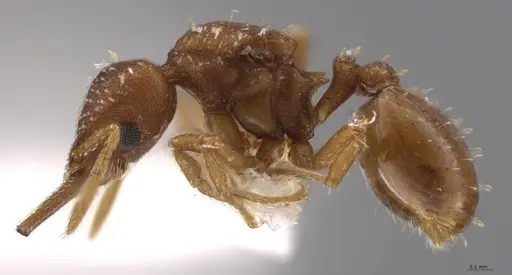
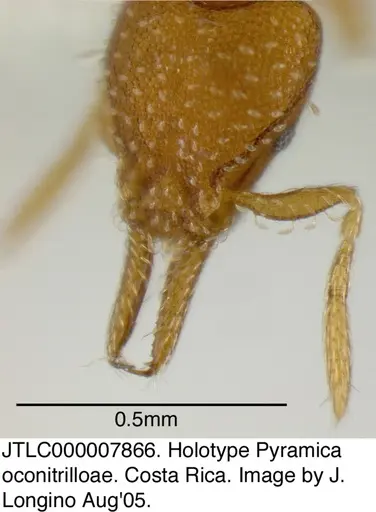
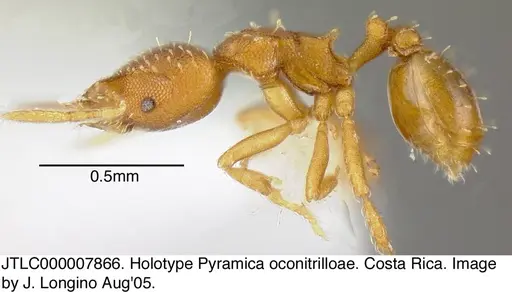
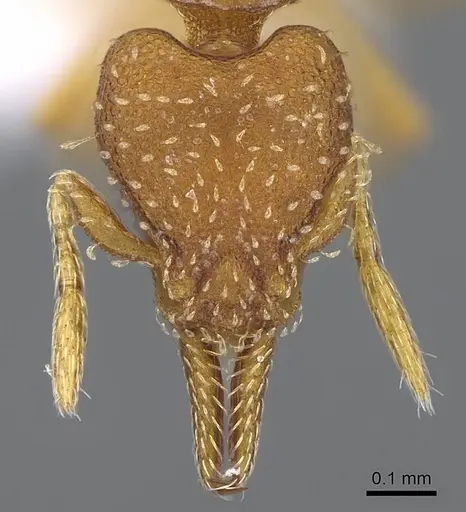
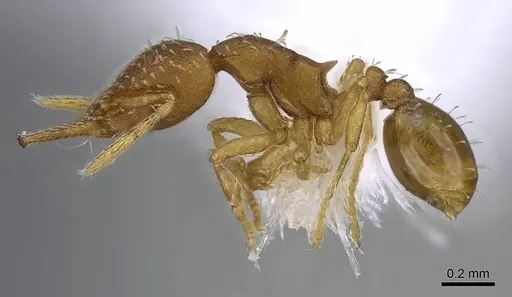
Strumigenys oconitrilloae is a tiny trap-jaw ant native to the tropical rainforests of Costa Rica. Workers measure just 5mm in total length and have a distinctive orange coloration [1]. This species belongs to the P. gundlachi group and is characterized by specialized trap-jaw mandibles capable of snapping shut at incredible speeds to capture prey, primarily springtails (collembolans) [1]. The head and body are covered in abundant small hairs (ground pilosity), with thicker club-shaped setae on the sides of the head, pronotum, mesonotum, petiole, and gaster [1]. In the wild, colonies nest under loose bark at the base of large trees, and workers are ground-dwelling foragers [1]. This is a specialized predator that relies on its rapid mandible strike to catch tiny arthropods in the forest floor litter.
Quick Summary
- Difficulty: Medium
- Origin & Habitat: Costa Rica, specifically La Selva Biological Station and surrounding lowland tropical rainforest areas at elevations around 300m [1]. Natural habitat is the moist forest floor where they nest under bark and forage in leaf litter.
- Colony Type: Likely monogyne (single queen) based on typical Strumigenys colony structure. Colony size is unknown but related species typically have dozens to a few hundred workers.
- Colony: Monogyne
- Founding: Claustral
- Size & Growth:
- Queen: ~5.2mm total length (HL 0.522mm) [1]
- Worker: ~5mm total length (HL 0.506mm) [1]
- Colony: Unknown for this species, related Strumigenys species typically reach 100-500 workers
- Growth: Moderate, trap-jaw ants tend to grow more slowly than generalist ant species due to specialized dietary needs
- Development: Estimated 6-10 weeks based on typical Strumigenys development patterns (Development time is inferred from related species, direct observations for this specific species are unavailable)
- Antkeeping:
- Temperature: Keep at 22-26°C (room temperature range). This is a tropical species from lowland Costa Rica, so warmth is important but they do not require extreme heating [1].
- Humidity: High humidity is essential, these are forest floor ants from moist tropical habitats. Keep the nest substrate consistently damp but not waterlogged. Provide a humidity gradient so ants can choose their preferred zone.
- Diapause: No, this is a tropical species that does not require hibernation. Maintain warm, stable conditions year-round.
- Nesting: In captivity, they do well in small acrylic or plaster nests with tight chambers. The key is maintaining high humidity while allowing some ventilation to prevent mold. Test tubes can work for founding colonies if kept humid.
- Behavior: Workers are slow-moving and secretive, spending most of their time hunting in the substrate. They are specialized predators that rarely forage in the open. Their trap-jaw mechanism is used to capture springtails and other tiny arthropods, they do not scavenge like many ants. They are not aggressive toward humans and their tiny size means they cannot penetrate skin. Escape prevention is important due to their small size, they can squeeze through very small gaps.
- Common Issues: Specialized diet makes them difficult to feed, they require live springtails or other tiny live prey, Small size means escape prevention must be excellent, use fine mesh and tight-fitting lids, Slow colony growth can frustrate keepers expecting rapid development, High humidity requirements can lead to mold problems if ventilation is inadequate, Wild-caught colonies may be stressed and difficult to establish in captivity
Housing and Nest Setup
Strumigenys oconitrilloae requires a small, humid nest setup. Acrylic nests with narrow chambers or small plaster nests work well. The key is maintaining high humidity (70-85%) while preventing stagnant air that causes mold. For a founding colony, a test tube setup placed inside a larger container to maintain humidity can work. As the colony grows, a small formicarium with a water reservoir chamber works well. Because they are tiny, ensure all connections and barriers are tight, these ants can squeeze through gaps as small as 0.5mm. The outworld should be simple and easy to keep humid, with a small foraging area where you can place live prey. [1]
Feeding and Diet
This is a specialized predator that requires live prey. In the wild, workers hunt springtails (collembolans), this was directly observed during collection of the type specimen [1]. In captivity, you must provide a steady supply of tiny live arthropods. Springtails are the ideal food and can be cultured separately. Other accepted prey includes tiny isopods, booklice, and very small insects. They will not accept dead prey or sugar sources, this is not a generalist feeder. Feed every 2-3 days, offering enough prey for the colony to consume within 24 hours. Remove uneaten prey to prevent mold.
Temperature and Humidity
As a tropical lowland species from Costa Rica, Strumigenys oconitrilloae needs warm, humid conditions. Maintain temperatures between 22-26°C, room temperature is usually suitable. Temperature below 20°C will slow activity and may harm brood. Humidity is critical: keep the nest substrate consistently moist but not waterlogged. The substrate should feel damp to the touch. Provide a water dish in the outworld so workers can drink, but ensure it is shallow to prevent drowning. A humidity gradient allows ants to self-regulate. Avoid placing the nest near heating elements that could dry it out. [1]
Trap-Jaw Mechanism and Hunting Behavior
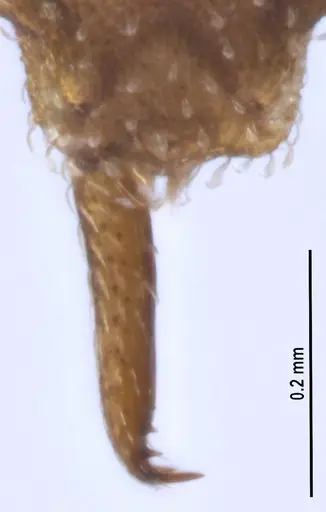
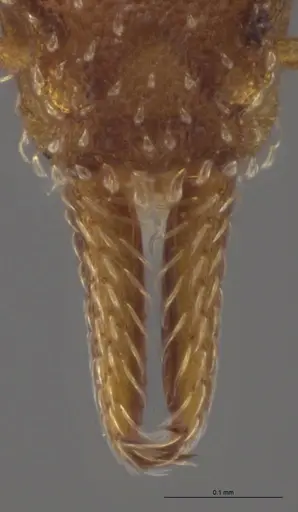
Strumigenys ants possess one of the fastest predatory mechanisms in the animal kingdom. Their mandibles can snap shut in milliseconds to capture prey. When hunting, workers slowly approach springtails and other tiny arthropods, then strike with incredible speed. The mandibles have specialized teeth that interlock to secure the prey [1]. This hunting strategy is why they require live prey, they simply will not scavenge or accept dead food. In your colony, you may observe workers stalking slowly across the substrate before suddenly snapping their mandibles. This is normal behavior and indicates a healthy, hunting-ready ant.
Colony Establishment
Getting a wild-caught colony established can be challenging. Queens are claustral, they seal themselves in a chamber and raise the first workers on stored fat reserves. After the first workers (nanitics) emerge, the colony begins foraging for live prey. Expect slow initial growth. A founding queen may take several months to produce her first workers. Once the colony has 10-20 workers, growth typically accelerates but remains slower than many common ant species. Patience is essential with this species. Do not disturb the queen during founding, stress can cause her to abandon or eat her brood.
Frequently Asked Questions
Can I keep Strumigenys oconitrilloae in a test tube?
Yes, test tubes work for founding colonies. Keep the cotton ball moist and place the tube in a humid container or chamber to prevent drying out. However, because they require live prey, you will need easy access to add springtails or other tiny prey without disturbing the queen.
What do Strumigenys oconitrilloae ants eat?
They eat only live prey, primarily springtails (collembolans). This was directly observed in the wild, workers were collected carrying collembolan prey [1]. They will not accept dead insects, honey, or sugar water. You must culture live springtails or other tiny arthropods to keep this species successfully.
How long until first workers appear?
Expect 6-10 weeks from founding to first workers, based on typical Strumigenys development. This is slower than many ant species. The queen seals herself in and raises the first brood alone, living off her fat reserves. Do not disturb her during this period.
Are Strumigenys oconitrilloae good for beginners?
No, this species is not recommended for beginners. Their specialized diet (live springtails only), high humidity requirements, and slow growth make them challenging. They are best suited for antkeepers with experience maintaining tropical, predatory species.
Do they need hibernation?
No. This is a tropical species from Costa Rica that does not experience cold winters. Maintain warm, stable temperatures (22-26°C) year-round. Hibernation would be harmful to them.
Why are my Strumigenys dying?
The most common causes are: lack of live prey (they will starve if only given dead food), low humidity (they need consistently moist conditions), and temperature too low (below 20°C). Also check for escape, their tiny size allows them to slip through very small gaps. Ensure your setup maintains proper humidity and provides a constant supply of live springtails.
How big do colonies get?
Colony size is unknown for this specific species, but related Strumigenys species typically reach 100-500 workers. Growth is slow, expect several months to reach 20 workers and a year or more for a mature colony.
Can I keep multiple queens together?
This is not recommended. While colony structure is not definitively known for this species, Strumigenys are typically monogyne (single queen). Combining unrelated queens would likely result in fighting.
When should I move them to a formicarium?
Wait until the colony has at least 30-50 workers and is actively hunting in the outworld. Test tubes become difficult to maintain with larger colonies. A small acrylic or plaster nest with a humid chamber works well for transition.
References

This caresheet is licensed under CC BY-SA 4.0 .
ANTWEB1053264
View on AntWeb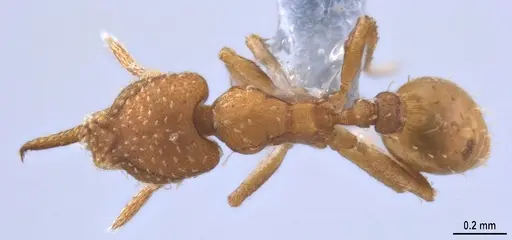
CASENT4036159
View on AntWeb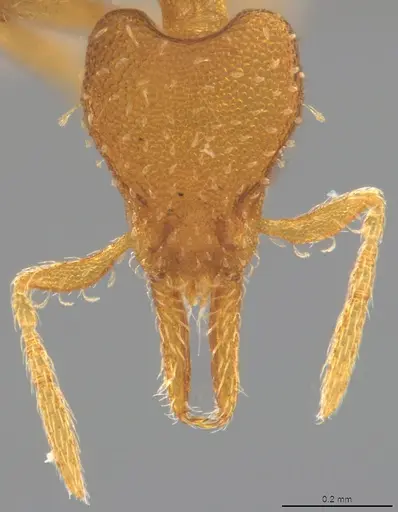
INB0003621500
View on AntWeb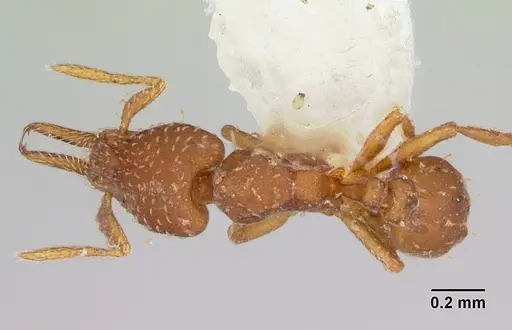
INB0003624227
View on AntWeb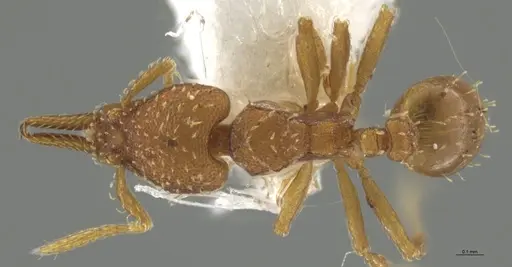
INBIOCRI001224828
View on AntWeb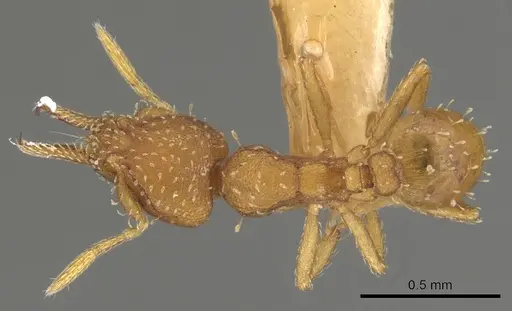
INBIOCRI002281849
View on AntWeb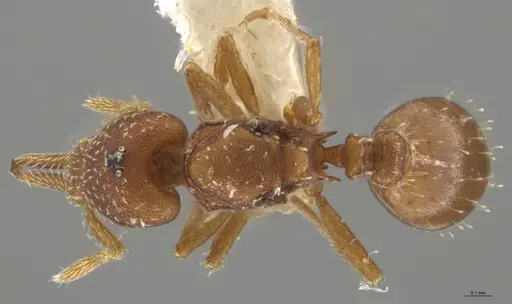
JTLC000007866
View on AntWeb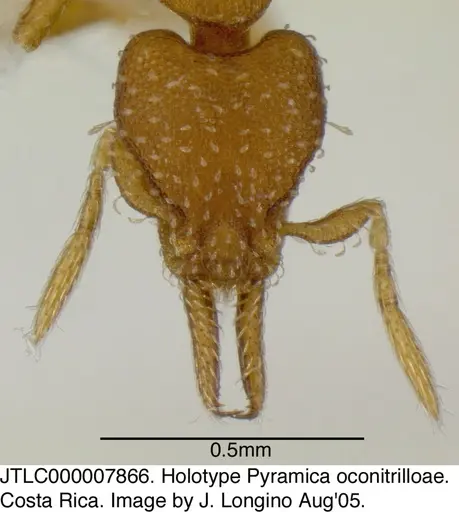
JTLC000007869
View on AntWeb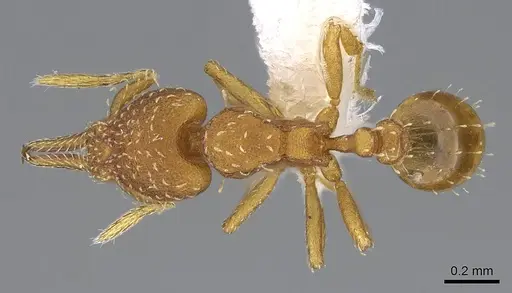
Literature
Loading...Loading products...