

Strumigenys nimbrata
- Scientific Name
- Strumigenys nimbrata
- Tribe
- Attini
- Subfamily
- Myrmicinae
- Author
- Bolton, 1983
- Distribution
- Found in 3 countries
Strumigenys nimbrata Overview
Strumigenys nimbrata is an ant species of the genus Strumigenys. It is primarily documented in 3 countries , including Côte d'Ivoire, Gabon, Liberia. Detailed taxonomic data and occurrence records can be further explored via authoritative databases such as AntWeb or the Global Biodiversity Information Facility (GBIF).
Strumigenys nimbrata
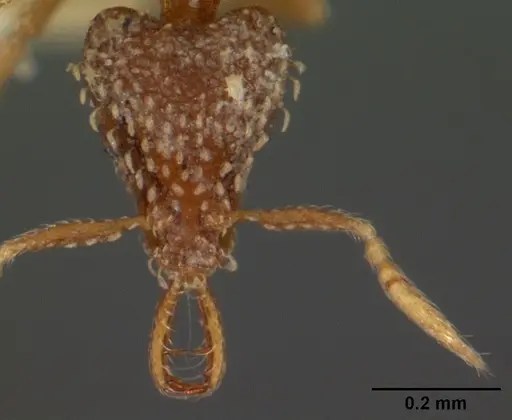
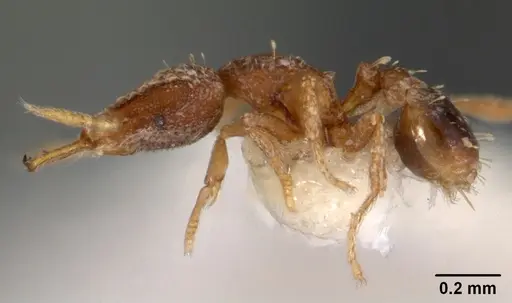
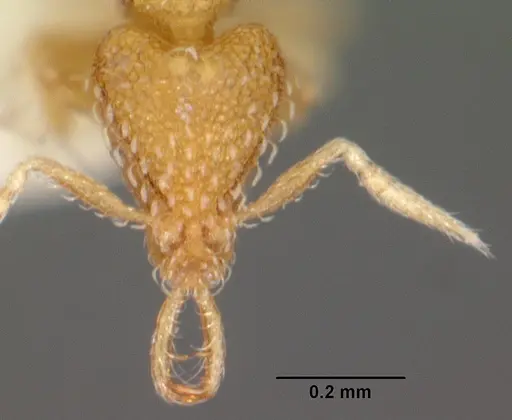
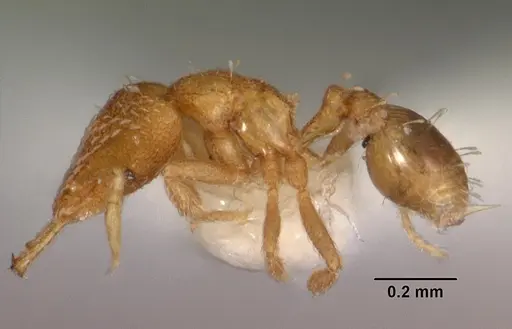
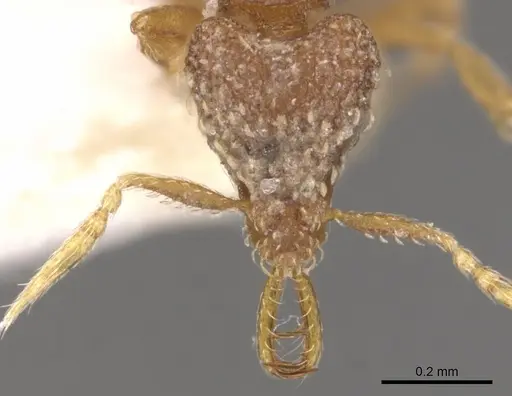
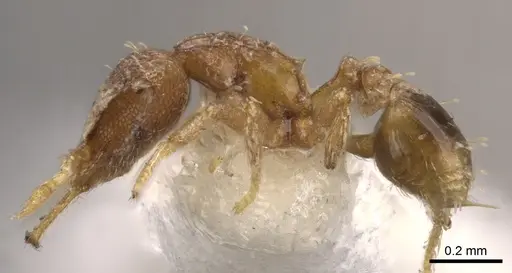
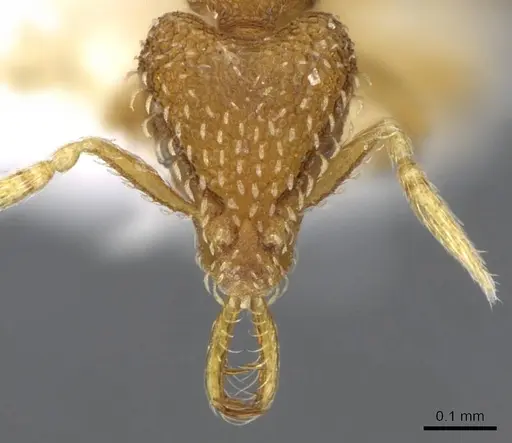
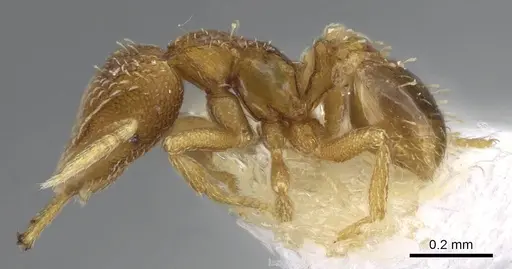
Strumigenys nimbrata is an exceptionally tiny ant species from West Africa, measuring just 1.5-1.8mm in total length . These ants belong to the dacetine group, known for their specialized trap-jaw mandibles used to capture small prey. Workers have a distinctive appearance with a yellow to brownish-yellow coloration, very reduced antennae segments (appearing to have only 3 segments instead of the typical 5), and small eyes with only 4-6 ommatidia . The species was described by Bolton in 1983 and is known only from a handful of collections in Ivory Coast, Ghana, and Gabon [1].
As a litter-dwelling species, S. nimbrata lives in the humid microenvironments of rainforest floor debris where it hunts small arthropods. Like other Strumigenys species, they are specialized predators, primarily targeting springtails and other tiny soil-dwelling creatures. This makes them challenging to keep in captivity as they require live prey and stable high-humidity conditions. Their minute size and cryptic lifestyle mean they are rarely encountered by antkeepers, and their biology in the wild remains poorly documented.
Quick Summary
- Difficulty: Hard
- Origin & Habitat: West Africa, specifically Ghana, Ivory Coast, and Gabon. Found in littoral rainforest and primary forest leaf litter samples [1].
- Colony Type: Colony structure is unconfirmed. Based on typical Strumigenys patterns, likely single-queen colonies.
- Size & Growth:
- Queen: Approximately 1.8mm based on paratype measurements
- Worker: 1.5-1.8mm total length
- Colony: Unknown, likely small colonies of fewer than 100 workers based on genus patterns
- Growth: Slow, unknown for this species, but typical for Strumigenys
- Development: Unknown, likely 8-12 weeks based on related species at optimal temperature (Development time is unconfirmed for this species. Related Strumigenys species typically take 2-3 months from egg to first worker.)
- Antkeeping:
- Temperature: Keep at 24-26°C, these are tropical rainforest ants requiring warm, stable conditions. A gentle gradient is recommended.
- Humidity: High humidity is essential, these ants live in leaf litter where moisture is constantly high. Keep substrate consistently moist but not waterlogged.
- Diapause: Unknown, likely no true diapause given their tropical distribution, but may have reduced activity during dry seasons.
- Nesting: Test tube setups work well for their tiny size. Provide a small outworld for hunting. Avoid large open spaces, they prefer tight, humid chambers.
- Behavior: These are shy, slow-moving ants that rely on their trap-jaw mandibles to capture prey. They are not aggressive and will typically flee from threats. Their extremely small size makes escape prevention critical, they can squeeze through standard barrier gaps. Workers hunt individually, using their specialized mandibles to snap at springtails and other tiny prey. They do not recruit aggressively to food sources.
- Common Issues: escape prevention is critical due to their minute size, use fine mesh and tight-fitting barriers, specialized diet requires live tiny prey, they will not accept dead food or sugar, slow growth tests keeper patience, colonies may take months to establish, high humidity needs can cause mold issues if ventilation is poor, very few records mean captive breeding information is extremely limited
Housing and Setup
Due to their extremely small size (under 2mm), Strumigenys nimbrata requires specialized housing. Test tube setups are ideal, the small diameter matches their tiny proportions and maintains humidity well. Use a test tube with a small water reservoir, keeping the cotton firmly in place to prevent flooding. The outworld should be scaled to their size, a small container works better than large spaces where they may become lost or unable to find prey. Escape prevention is critical: standard fluon barriers may not work because they can squeeze through gaps smaller than 1mm. Use fine mesh (at least 0.5mm) on any ventilation holes and ensure all connections are tight. A naturalistic setup with a thin layer of moist substrate can also work, but monitor carefully for mold. [2]
Feeding and Diet
Strumigenys nimbrata is a specialized predator that requires live prey. In the wild, they hunt springtails (Collembola) and other tiny soil-dwelling arthropods. In captivity, their primary food should be live springtails, these are the most reliable prey for dacetine ants. Other tiny live prey may be accepted experimentally, including booklice (psocids), tiny mites, and fruit fly larvae, but success is uncertain. Do NOT attempt to feed them sugar water, honey, or dead insects, they are obligate predators and will not accept these. Feed small prey items (smaller than their head width) every 2-3 days, removing any uneaten prey after 24 hours to prevent mold. A established springtail culture in the outworld can provide a continuous food source. [2]
Temperature and Humidity
As a West African rainforest species, S. nimbrata requires warm and humid conditions. Keep the nest area at 24-26°C, this is warm by typical antkeeping standards but appropriate for tropical litter species. Temperature can be maintained using a heating cable on one side of the nest to create a gentle gradient, but never place heat directly on the test tube as it can kill the colony through drying or cooking. Humidity is critical: these ants come from the constantly moist leaf litter layer of rainforest floors. The test tube water reservoir should be large enough to maintain humidity for several weeks, but not so large that flooding becomes a risk. Aim for substrate that feels consistently damp but never sits in standing water. Poor humidity will quickly kill these delicate ants. [2]
Colony Development
Colony growth for Strumigenys nimbrata is expected to be slow, as is typical for the genus. The queen is small (around 1.8mm) and likely seals herself in during founding (claustral behavior based on genus patterns). She will lay a small number of eggs and raise the first workers (nanitics) entirely on her stored reserves. The first workers will be very small and may take 2-3 months to emerge, depending on temperature. After the colony establishes, growth remains gradual, Strumigenys colonies typically remain small, often under 100 workers even in mature colonies. Do not expect rapid expansion. Patience is essential with this species. Colonies may take a year or more to reach 20-30 workers. [2]
Behavior and Temperament
Strumigenys nimbrata is a shy, non-aggressive species. Workers are slow-moving and spend most of their time hunting in the leaf litter layer. They use their specialized trap-jaw mandibles to capture prey, when triggered, the mandibles snap shut with remarkable speed. Unlike some ants, they do not defend food sources aggressively or raid other colonies. When threatened, they are more likely to flee than to bite. Workers forage individually rather than in groups, using their antennae to detect prey vibrations and chemical cues. They do not form visible trails to food sources. Their small size and cryptic behavior make them fascinating to observe, but they are not a display species, you will often see very little activity. [2]
Frequently Asked Questions
Can I keep Strumigenys nimbrata in a test tube?
Yes, test tubes are the ideal housing for these tiny ants. Use a standard test tube with a water reservoir, the small diameter matches their size and helps maintain the high humidity they need. Ensure the cotton is packed firmly to prevent flooding, and use fine mesh on any ventilation. Test tubes work well for the founding stage and early colony development. [2]
What do Strumigenys nimbrata eat?
They eat only live prey, never dead food or sugar. Their primary food should be live springtails (Collembola), which are the natural prey of dacetine ants. Other tiny live arthropods may be accepted, but springtails are the most reliable. The prey must be smaller than the ant's head. Do not attempt to feed them honey, sugar water, or dead insects, they are obligate predators and will starve without live prey. [2]
How long does it take for Strumigenys nimbrata to produce first workers?
The exact timeline is unconfirmed for this species, but based on related Strumigenys species, expect 8-12 weeks from egg to first worker at optimal temperature (24-26°C). The queen seals herself in during founding and raises the first brood alone. First workers (nanitics) will be very small. Growth is slow, do not expect rapid expansion. [2]
Are Strumigenys nimbrata ants good for beginners?
No, this species is not suitable for beginners. They are extremely small (under 2mm), require specialized live prey (springtails), need high humidity, and are slow-growing. Escape prevention is critical due to their minute size. They are best suited for experienced antkeepers who can provide the specific conditions these specialized predators require. [2]
How big do Strumigenys nimbrata colonies get?
Colony size is unknown for this specific species, but Strumigenys colonies typically remain small. Based on genus patterns, mature colonies likely reach fewer than 100 workers. They are not a large colony species, expect modest numbers even in established colonies. [2]
Do Strumigenys nimbrata need hibernation?
No, hibernation is not required. As a West African tropical species, they do not experience cold winters. Their natural environment maintains relatively stable temperatures year-round. You may notice reduced activity during what would be the dry season in their range, but no true diapause is needed. Simply maintain normal care conditions year-round. [2]
Why are my Strumigenys nimbrata dying?
Common causes include: low humidity (they need consistently moist conditions), wrong food (they must have live prey, not dead insects or sugar), escape (their tiny size means they can slip through standard barriers), temperature issues (too cold or too hot), and mold from overwatering or poor ventilation. Check each of these factors. Also consider that wild-caught colonies may have parasites or disease that manifest in captivity. [2]
Can I keep multiple Strumigenys nimbrata queens together?
The colony structure is unconfirmed for this species. Based on typical Strumigenys behavior, they are likely single-queen (monogyne) colonies. Combining unrelated queens has not been documented and is not recommended. If you obtain multiple foundress queens, keep them in separate setups until you determine their colony structure. [2]
When should I move Strumigenys nimbrata to a formicarium?
You likely never need to. Test tubes work well for this species even in established colonies because they prefer small, tight spaces and high humidity. If you do move them, use a small naturalistic setup with moist substrate, but monitor carefully for mold and escape risks. Many keepers successfully keep Strumigenys in test tubes for the colony's entire life. [2]
What temperature is best for Strumigenys nimbrata?
Keep them at 24-26°C. This is warmer than many ant species require, but appropriate for a West African rainforest species. Use a heating cable on one side of the nest to create a gentle gradient if your room temperature is below this range. Never let temperatures drop below 20°C or exceed 30°C. Stable warmth is more important than exact precision. [2]
References

This caresheet is licensed under CC BY-SA 4.0 .
CASENT0102150
View on AntWeb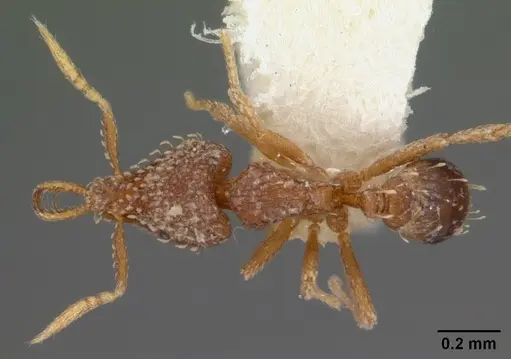
CASENT0102569
View on AntWeb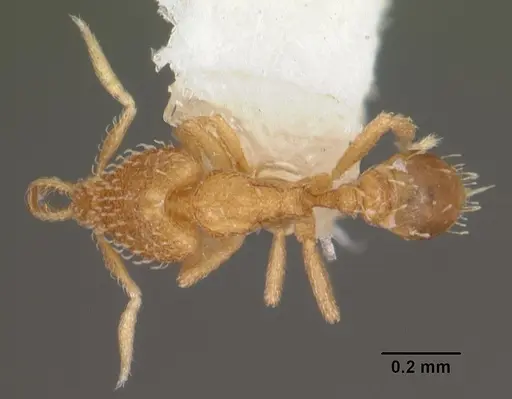
CASENT0840688
View on AntWeb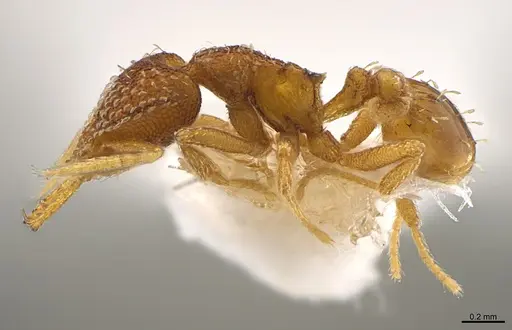
CASENT0900636
View on AntWeb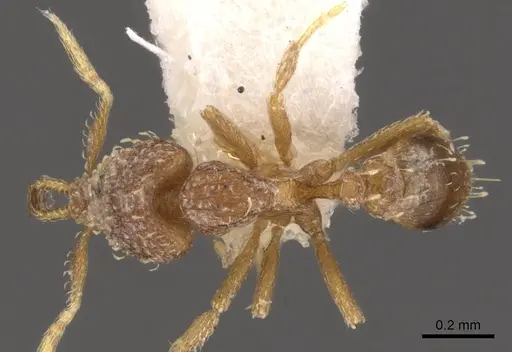
CASENT0914770
View on AntWeb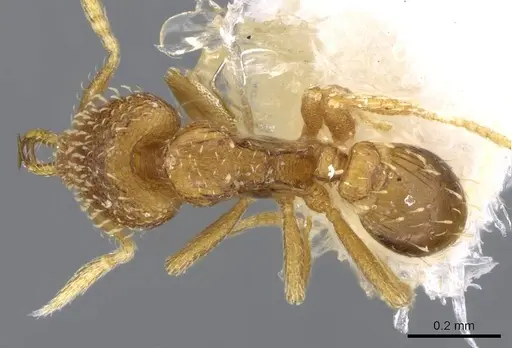
Literature
Loading...Loading products...