

Strumigenys nevermanni
- Scientific Name
- Strumigenys nevermanni
- Tribe
- Attini
- Subfamily
- Myrmicinae
- Author
- Brown, 1959
- Distribution
- Found in 4 countries
Strumigenys nevermanni Overview
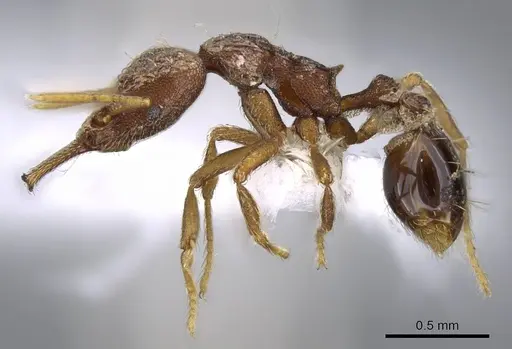
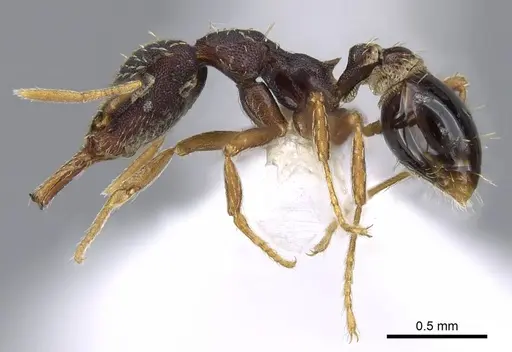
Strumigenys nevermanni is an ant species of the genus Strumigenys. It is primarily documented in 4 countries , including Costa Rica, Honduras, Mexico. Detailed taxonomic data and occurrence records can be further explored via authoritative databases such as AntWeb or the Global Biodiversity Information Facility (GBIF).
Strumigenys nevermanni
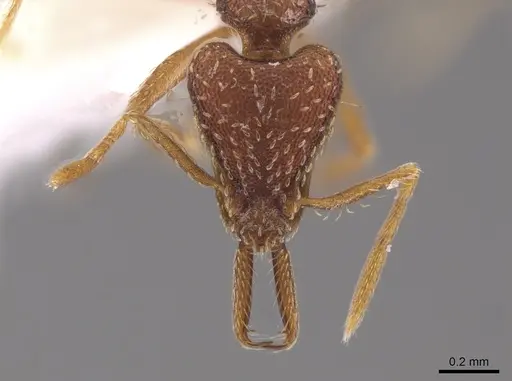
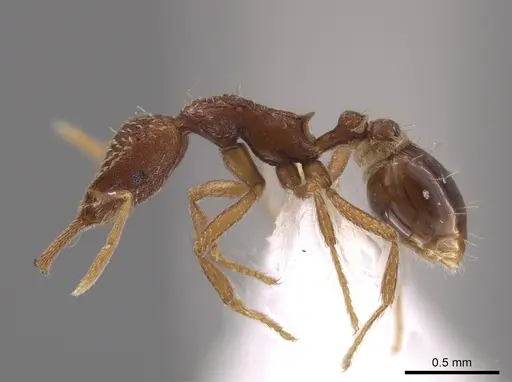
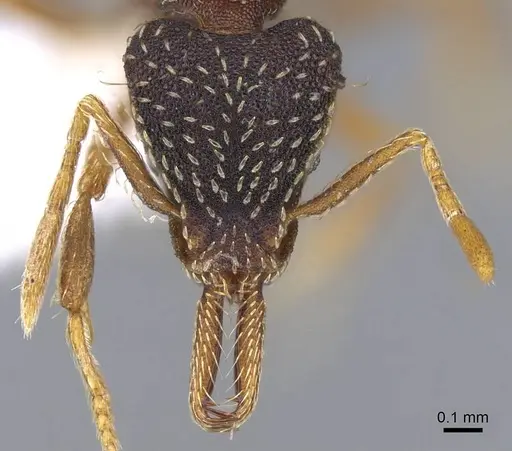
Strumigenys nevermanni is a tiny predatory ant belonging to the dacetine ant group (tribe Solenopsidini). These ants are among the smallest in the ant world, measuring just 2-3mm. They have distinctive trap-jaw mandibles that they use to capture small prey, primarily springtails and other micro-arthropods. The genus Strumigenys is known for its extraordinarily rapid mandible strike, one of the fastest movements in the animal kingdom. The species was originally described from Costa Rica and is found across Central America into northern South America. These ants are extremely cryptic, nesting deep within leaf litter, rotting wood, and soil cavities where humidity remains high and stable.
Quick Summary
- Difficulty: Medium/Hard
- Origin & Habitat: Central America to northern South America. Found in humid tropical and subtropical forests, typically in leaf litter and rotting wood habitats [1].
- Colony Type: Likely monogyne (single queen) based on typical genus patterns. Colony sizes are small, typically under 100 workers.
- Colony: Monogyne
- Founding: Claustral
- Size & Growth:
- Queen: Estimated 3-4mm based on genus averages
- Worker: Estimated 2-3mm based on genus descriptions
- Colony: Likely under 100 workers based on typical Strumigenys colonies
- Growth: Slow, dacetine ants develop slowly, with first workers appearing months after founding
- Development: Estimated 3-6 months based on related dacetine species (Development is slow compared to many ants. Queens seal themselves in during claustral founding and rely on stored fat reserves.)
- Antkeeping:
- Temperature: Keep at 24-28°C. They require warm, stable conditions similar to their tropical forest floor habitat.
- Humidity: High humidity is critical. Keep nest substrate consistently moist but not waterlogged. These ants desiccate quickly in dry conditions.
- Diapause: No true diapause, being tropical, they do not require hibernation. However, activity may slow slightly during cooler months.
- Nesting: Prefers naturalistic setups with deep leaf litter, rotting wood, or soil. Test tubes can work if humidity is maintained very high. Y-tong or plaster nests with high moisture work well.
- Behavior: Extremely cryptic and shy. They are not aggressive and will flee rather than fight. Their trap-jaw mandibles are used for predation, not defense. Workers are slow-moving and spend most of their time hunting micro-prey in the substrate. Escape risk is low as they are small but not particularly good climbers. They are specialist predators on springtails and other tiny arthropods.
- Common Issues: drying out is the primary killer, these ants need constant high humidity, specialized diet means they often refuse standard ant foods, slow development causes keepers to overfeed or disturb the nest, wild-caught colonies may contain parasites that devastate the colony, they are easily lost in substrate if not provided proper escape barriers
Housing and Nest Setup
Strumigenys nevermanni requires high humidity at all times. A naturalistic setup with a deep layer of moist substrate (a mix of soil and rotting wood fragments) works best. You can use a plastic container with air holes, filled with moist coco fiber or a soil mixture. Add leaf litter on top to help maintain humidity and provide hunting grounds. Test tubes can work but require careful water reservoir management to prevent flooding while maintaining humidity. Place the nest in a dark area, these ants avoid light and will not forage openly in bright conditions. A small outworld for feeding is essential since they need to hunt or scavenge prey. [1]
Feeding and Diet
These are specialized predators that primarily hunt springtails (Collembola) and other tiny arthropods. In captivity, you should culture your own springtail colony to ensure a constant food source. They may accept other small prey like fruit flies, tiny crickets, and isopods, but springtails should make up the bulk of their diet. They are unlikely to accept sugar water or honey, this is not a sugar-feeding species. Some keepers report success with tiny pieces of mealworm or other soft-bodied insects, but these should be offered sparingly. Feed every 2-3 days, removing uneaten prey after 24 hours to prevent mold.
Temperature and Humidity
Maintain temperatures between 24-28°C. They come from tropical forests where temperatures are warm and stable year-round. A heating cable on one side of the nest can help create a gentle gradient, but ensure the main nest area stays within range. Humidity is the most critical factor, aim for 70-85% relative humidity in the nest chamber. The substrate should feel damp but never soggy. Mist the setup regularly and consider using a water reservoir in the nest setup. Never let the substrate dry out completely, even briefly.
Colony Development
Strumigenys colonies grow slowly. After the queen lays her first eggs, expect 3-6 months before the first workers (nanitics) emerge. The queen will remain sealed in her chamber, tending the brood until workers arrive. Once workers appear, the colony expands slowly, typical mature colonies have only 30-80 workers. Do not disturb the queen during founding, any vibration or light can cause her to abandon or consume the brood. Patience is essential with this species. Workers have unusually long development times compared to many ants.
Behavior and Temperament
These are among the most docile ants you can keep. They have no stingers adapted for defense and will simply flee when threatened. Their trap-jaw mandibles are specialized for catching tiny prey, not for fighting larger threats. Workers are slow and deliberate in their movements, hunting through the substrate rather than foraging openly. They are not aggressive toward each other and maintain peaceful colonies. You will rarely see them outside the nest except during feeding. They do not form trails or forage in the open like many ants.
Frequently Asked Questions
What do Strumigenys nevermanni ants eat?
They are specialized predators that primarily eat springtails and other tiny arthropods. They do not eat sugar or honey. Culture your own springtails for a reliable food source.
How long does it take for Strumigenys nevermanni to produce first workers?
Expect 3-6 months from founding to first workers. This is a slow-developing species compared to many ants.
Do Strumigenys ants need hibernation?
No. Being tropical ants, they do not require diapause or hibernation. Keep them warm year-round at 24-28°C.
Can I keep Strumigenys nevermanni in a test tube?
Yes, but humidity management is critical. Use a small water reservoir and keep the setup in a dark, humid environment. A naturalistic setup often works better.
Are Strumigenys nevermanni good for beginners?
No. They are considered difficult due to their specialized diet, high humidity requirements, and slow development. They are better suited for experienced antkeepers.
How big do Strumigenys nevermanni colonies get?
Colonies remain small, typically under 100 workers even at maturity. This is normal for the genus.
Why is my Strumigenys colony dying?
The most common cause is drying out. These ants require constant high humidity. Also ensure you are feeding appropriate prey (springtails) rather than foods they cannot eat.
When should I move Strumigenys to a formicarium?
Move them only when the test tube or founding setup becomes overcrowded. They prefer small, humid spaces and may struggle in large formicaria.
What humidity do Strumigenys nevermanni need?
High humidity is essential, aim for 70-85% in the nest area. The substrate should feel consistently damp but never waterlogged.
References

This caresheet is licensed under CC BY-SA 4.0 .
CASENT0246145
View on AntWeb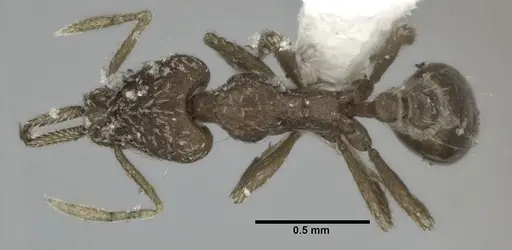
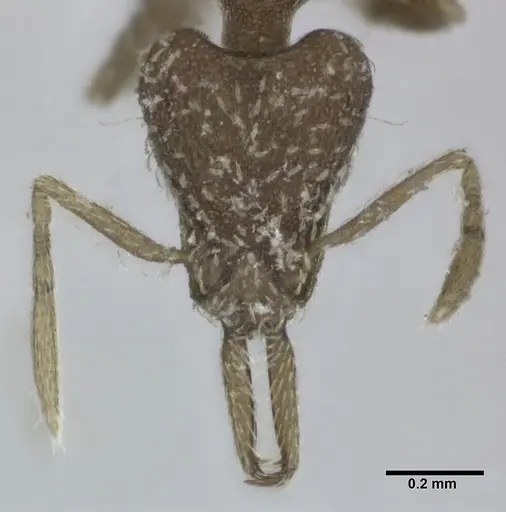
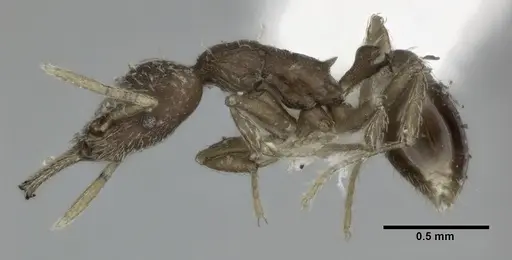
CASENT0651739
View on AntWeb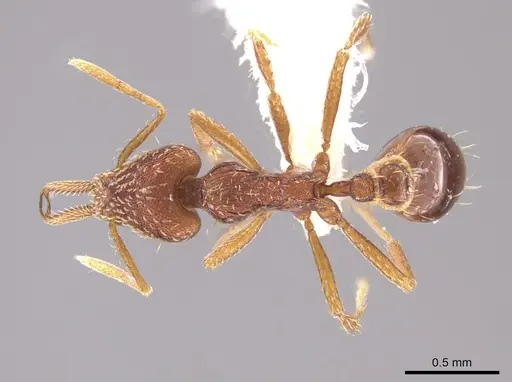
CASENT0914747
View on AntWeb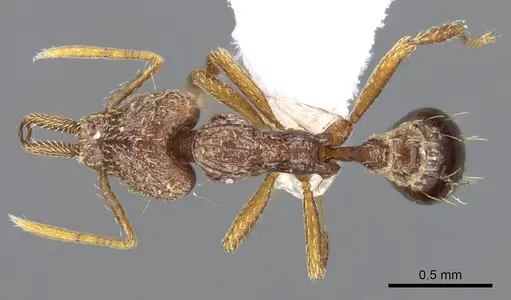
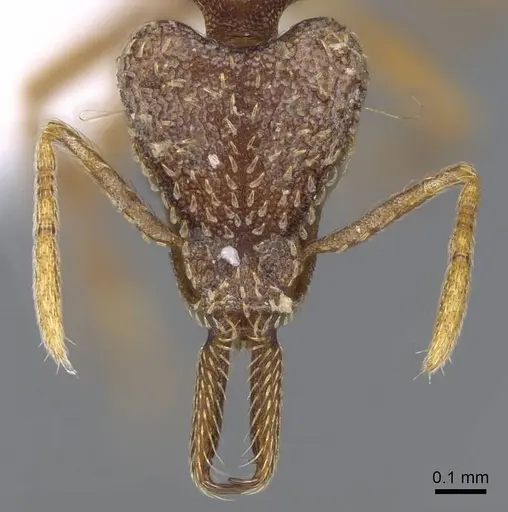
CASENT0914748
View on AntWeb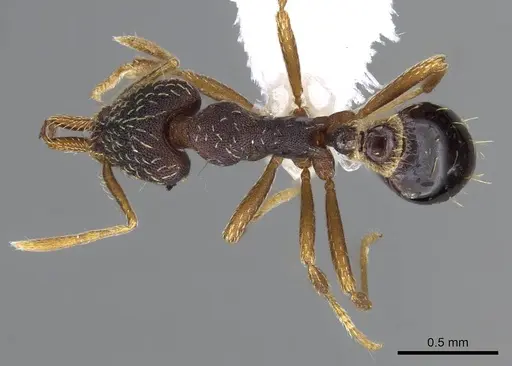
Literature
Loading...Loading products...