

Strumigenys myllorhapha
- Scientific Name
- Strumigenys myllorhapha
- Tribe
- Attini
- Subfamily
- Myrmicinae
- Author
- Brown, 1959
- Distribution
- Found in 3 countries
Strumigenys myllorhapha Overview
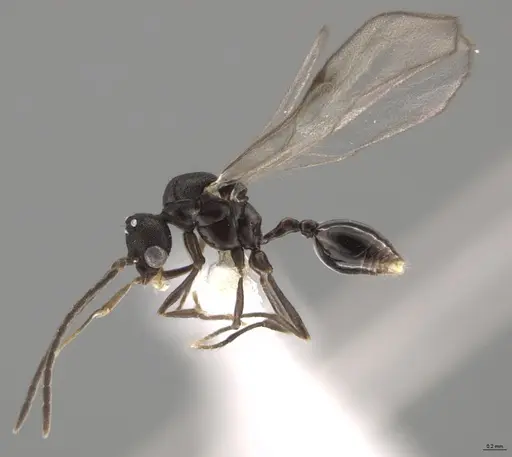
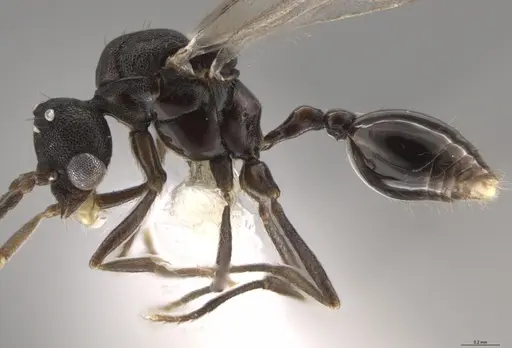
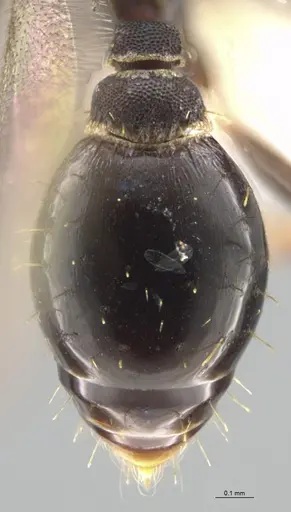
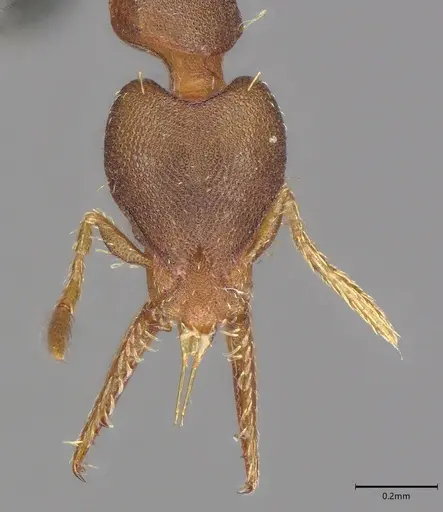
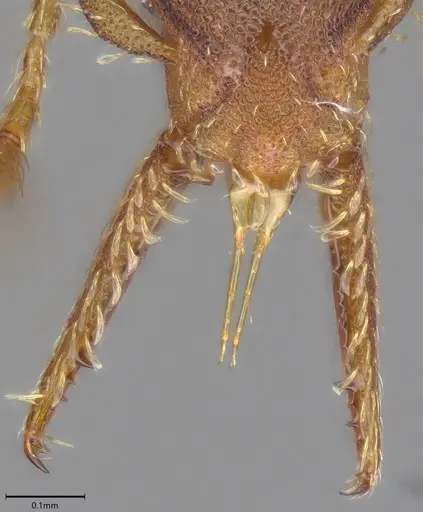
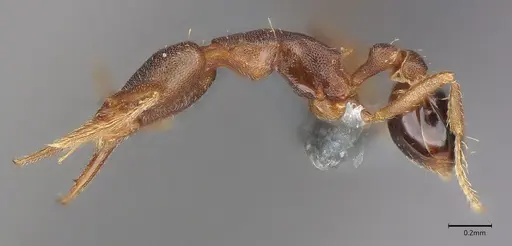
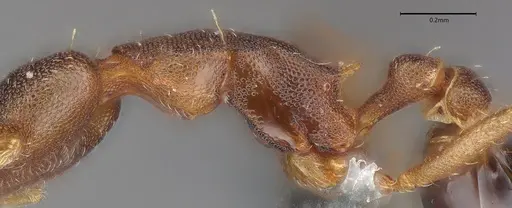
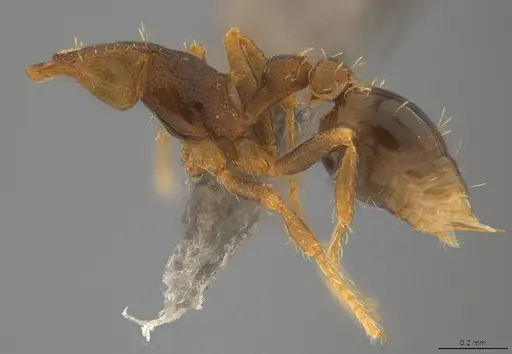
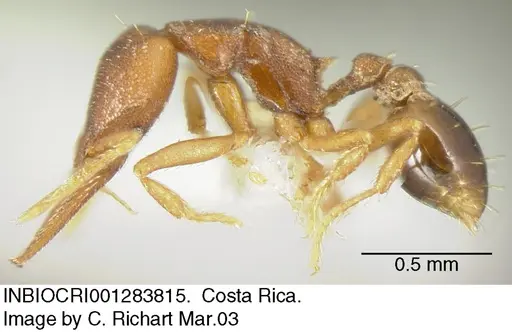
Strumigenys myllorhapha is an ant species of the genus Strumigenys. It is primarily documented in 3 countries , including Costa Rica, Honduras, Nicaragua. Detailed taxonomic data and occurrence records can be further explored via authoritative databases such as AntWeb or the Global Biodiversity Information Facility (GBIF).
Strumigenys myllorhapha
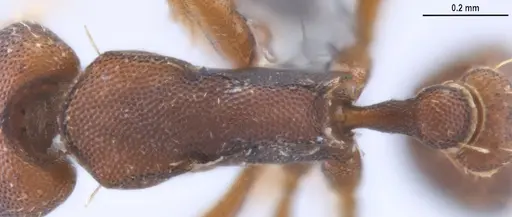
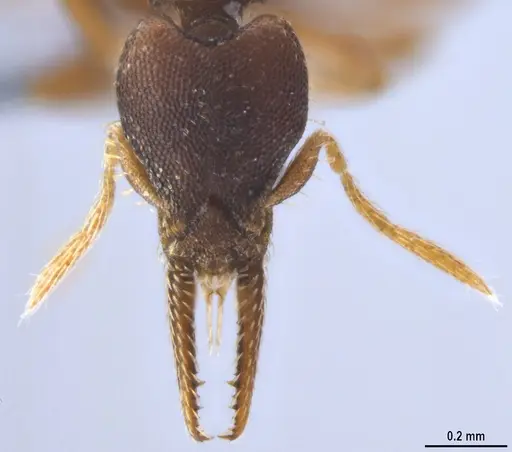
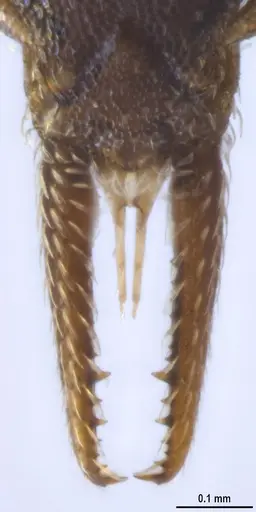
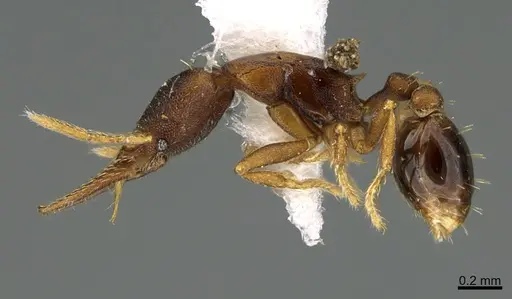
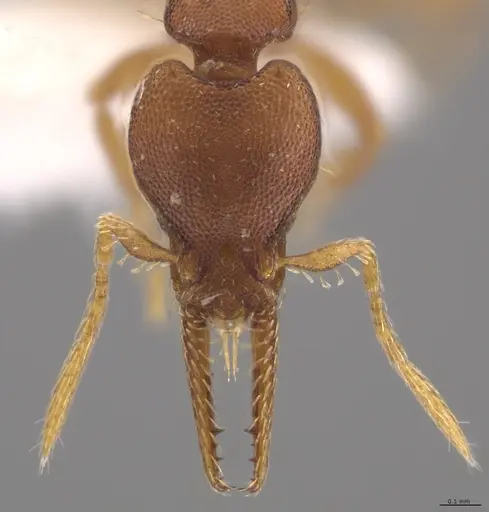
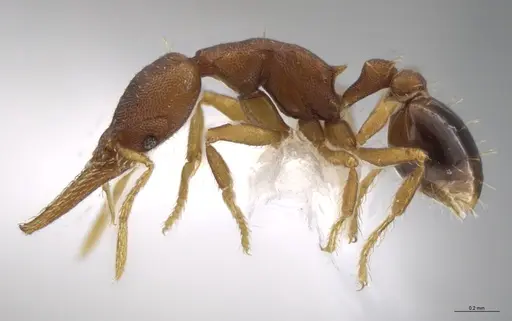
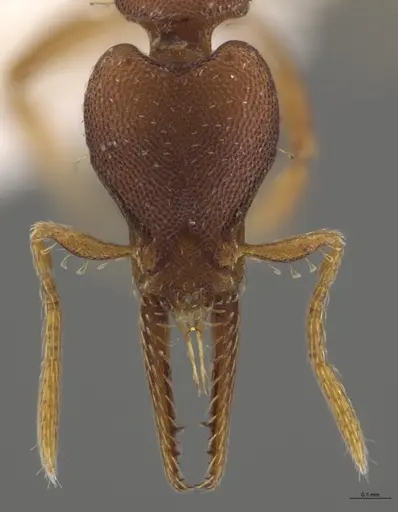
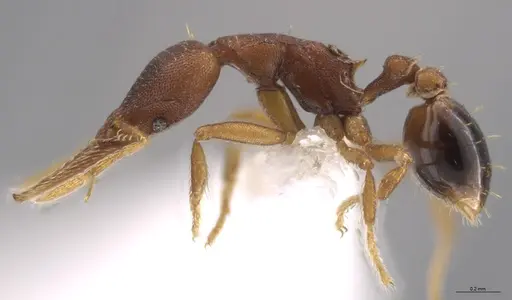
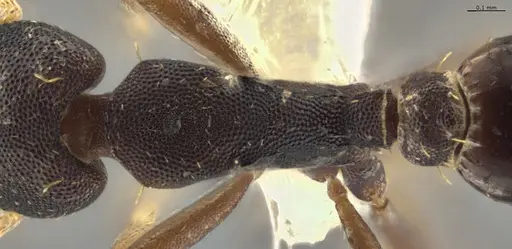
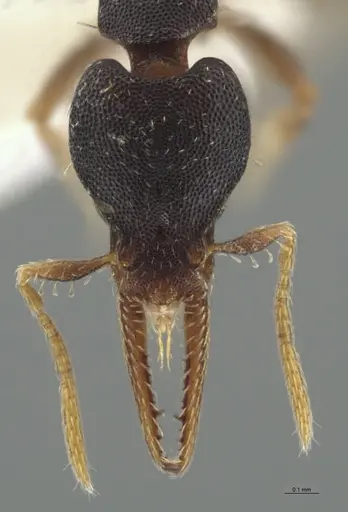
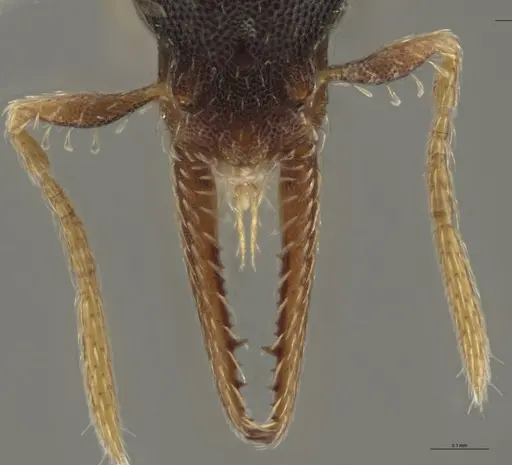
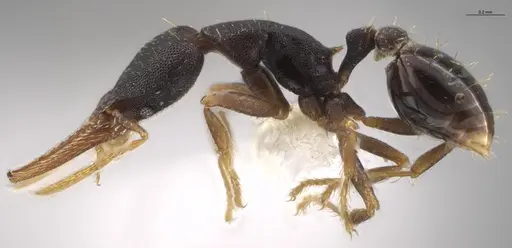
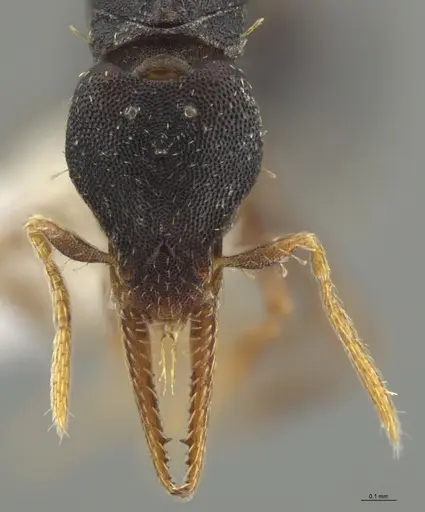
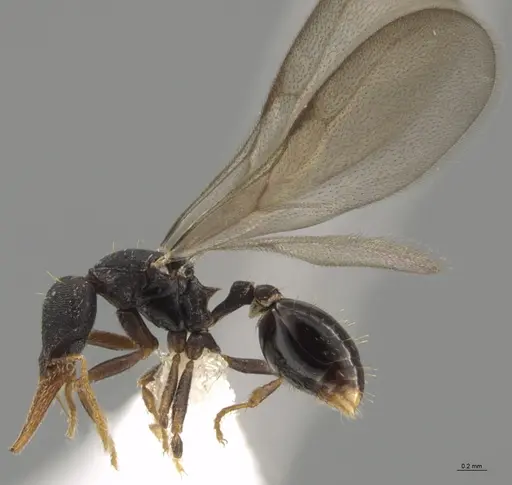
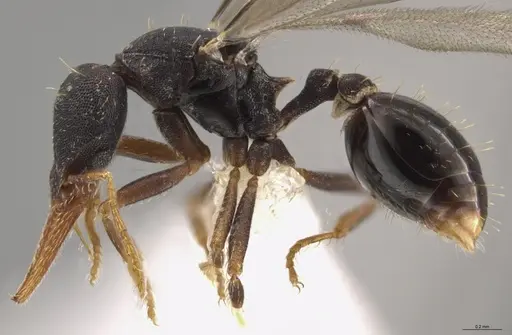
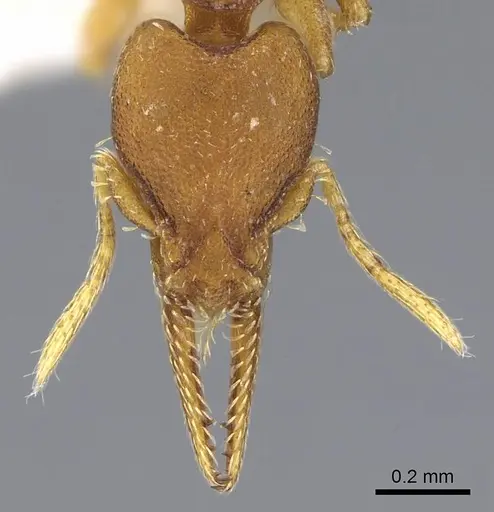
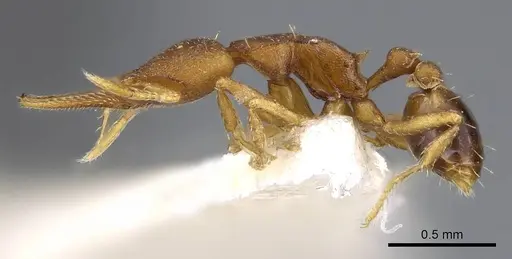
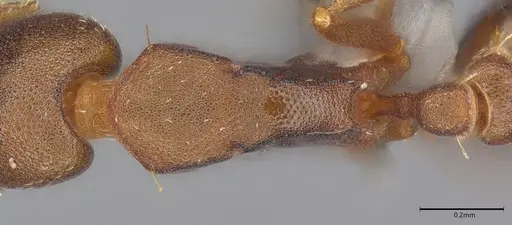
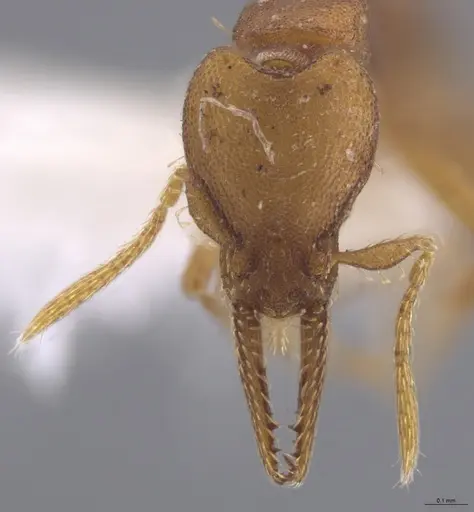
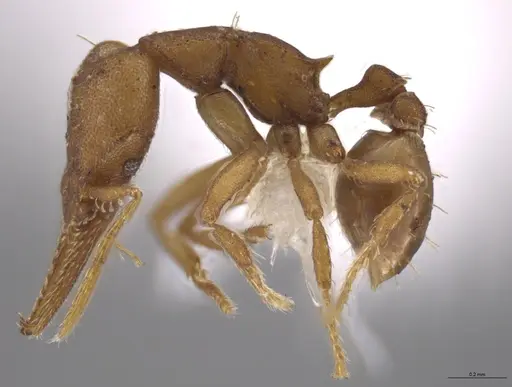
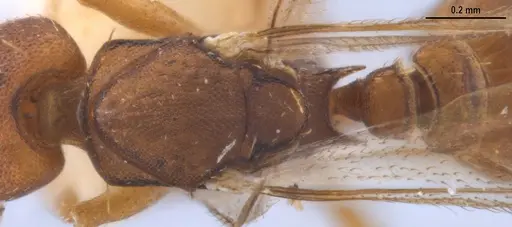
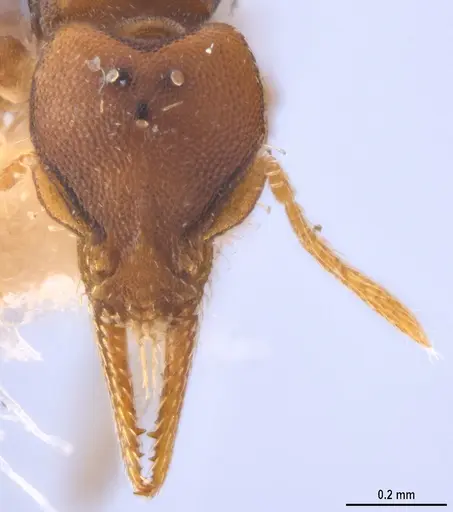
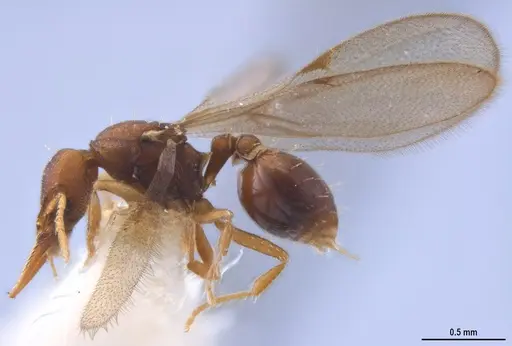
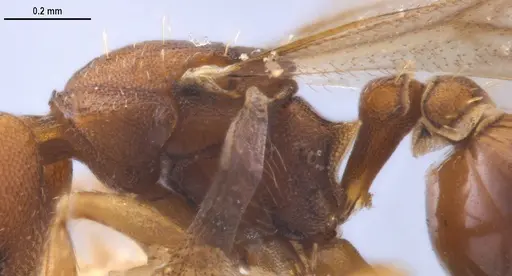
Strumigenys myllorhapha is a small Myrmicinae ant known for its remarkable trap-jaw mandibles. These ants have specialized snap-trap jaws that can close in milliseconds, one of the fastest movements in the animal kingdom. Workers are tiny, typically 2-4mm, with distinctive elongated mandibles lined with teeth. The genus is famous for hunting springtails and other small arthropods using these explosive jaws. This species is found in Costa Rica, where it lives in ground-level habitats [1].
Quick Summary
- Difficulty: Medium
- Origin & Habitat: Costa Rica, tropical forest floor environments [1]
- Colony Type: Likely monogyne (single queen colony) based on typical Strumigenys patterns
- Colony: Monogyne
- Founding: Claustral
- Size & Growth:
- Queen: Estimated 4-5mm based on genus patterns
- Worker: 2-4mm based on typical Strumigenys worker size [1]
- Colony: Likely small colonies of 50-200 workers based on genus patterns
- Growth: Slow, typical for specialized predators
- Development: Estimated 8-12 weeks based on related Strumigenys species (Development is likely slow due to their specialized predatory lifestyle and small colony sizes)
- Antkeeping:
- Temperature: Keep at 22-26°C, they prefer warm, stable tropical conditions
- Humidity: High humidity (70-80%), think damp forest floor. Keep substrate consistently moist but not waterlogged
- Diapause: No, being tropical, they do not require hibernation. Keep temperatures stable year-round
- Nesting: Prefer humid, enclosed spaces. Y-tong nests or moist plaster nests work well. They need tight chambers as they are tiny
- Behavior: These ants are specialized predators, almost exclusively hunting springtails and other micro-arthropods. They are not aggressive toward humans but will defend the nest. Their trap-jaw mechanism is primarily for hunting prey, not defense. Escape prevention is critical due to their very small size, they can squeeze through tiny gaps. They are not sugar feeders and do not tend aphids.
- Common Issues: escape prevention is critical, their tiny size means they can slip through the smallest gaps without fine mesh barriers, colonies often fail because keepers overfeed or offer wrong food types, they need live springtails, not sugar water, dry conditions quickly lead to colony collapse, they require consistently high humidity, slow growth frustrates beginners, colonies may take months to reach even 20 workers, wild-caught colonies may have parasites that kill them in captivity
Housing and Nest Setup
Strumigenys myllorhapha requires high humidity and tight, enclosed spaces. Y-tong (AAC) nests work well because they hold humidity well and provide the narrow chambers these tiny ants prefer. Alternatively, moist plaster nests or test tube setups with a humidifier section can work. The key is maintaining constant moisture without flooding. Use a water reservoir or moisture gradient so part of the nest stays damp. Because they are tiny, even small gaps in standard formicaria can lead to escapes, inspect all connections and use fine mesh on any air holes. A small outworld works fine since colonies stay small.
Feeding and Diet
This species is an obligate predator and almost never accepts sugar sources. Their primary food should be live springtails, these are their natural prey and the best nutrition for captive colonies. Other small live prey like booklice, dust mites, and fruit flies may be accepted occasionally. Do NOT offer honey, sugar water, or insect jelly, they will ignore these completely. Feed small prey items every 2-3 days, removing any uneaten prey after 24 hours. A well-fed colony will have workers with distended abdomens. Because they are so small, prey items should be appropriately sized, springtails and other micro-arthropods that fit in their mandibles.
Temperature and Humidity
Keep temperatures in the 22-26°C range, warm and stable, mimicking tropical forest floor conditions. A slight temperature gradient allows ants to regulate their own warmth. Humidity should be high, around 70-80%. The substrate or nest material should feel consistently damp but never waterlogged. Using a moisture reservoir or hydration system helps maintain stable humidity. Avoid placing the nest near air conditioning or heating vents that cause fluctuations. Unlike temperate species, these ants do not need any cooling period or winter rest, keep them warm year-round.
Behavior and Defense
Strumigenys are fascinating to watch due to their trap-jaw hunting behavior. Workers patrol the nest area and surrounding territory, using their long mandibles to snap shut on prey that comes within range. The strike is incredibly fast, among the fastest animal movements recorded. They are not aggressive toward keepers and rarely bite. Their primary defense is staying hidden and retreating into the nest. Colonies are small and relatively quiet, you won't see the massive foraging swarms common in Lasius or Camponotus. Workers are mostly nocturnal or crepuscular, becoming more active in dim light.
Colony Development
Colony growth is slow compared to common ant species. A newly mated queen will lay eggs after sealing herself in a chamber, and the first workers (nanitics) may take 2-3 months to emerge. These first workers are often smaller than normal workers. Colonies typically max out at 50-200 workers, they are naturally small-colony species. The slow growth means patience is essential. Do not disturb the queen during founding or stress the colony with frequent checks. Overfeeding is a common mistake that leads to mold problems, offer only what they can consume.
Frequently Asked Questions
Can I keep Strumigenys myllorhapha in a test tube?
Yes, a test tube setup can work for founding colonies. Use a small test tube with a cotton-wrapped water reservoir to maintain humidity. Cover any air holes with fine mesh since they are tiny and can escape through standard cotton. For established colonies, consider switching to a Y-tong or moist plaster nest that holds humidity better.
What do Strumigenys myllorhapha eat?
They eat live springtails and other tiny arthropods. This is not a sugar-feeding species, they are obligate predators. Offer small live prey every few days. They will not accept honey, sugar water, or dead insects. Springtails cultured in soil or charcoal make ideal permanent food sources.
How long does it take for Strumigenys myllorhapha to produce first workers?
Expect 8-12 weeks from egg to first worker at optimal temperature (around 24°C). This is slow compared to common ants. The queen seals herself in during founding and raises the first brood alone. Do not disturb the founding chamber during this time.
Are Strumigenys myllorhapha good for beginners?
No, this species is not ideal for beginners. Their care requirements are specific, they need high humidity, live springtail prey, and escape prevention is critical. They also grow very slowly, which can be frustrating. They are better suited for antkeepers who have experience with tropical species and specialized predators.
How big do Strumigenys myllorhapha colonies get?
Colonies remain small, typically reaching 50-200 workers at maturity. This is normal for the genus, they are not large colony species. Even established colonies will seem small compared to common ants like Lasius.
Do Strumigenys myllorhapha need hibernation?
No, being a tropical species from Costa Rica, they do not require hibernation or any cooling period. Keep temperatures stable year-round in the 22-26°C range. Sudden temperature drops can stress or kill them.
Why are my Strumigenys myllorhapha dying?
Common causes include: low humidity (keep substrate damp), wrong food (they need live springtails, not sugar), escapes due to inadequate mesh barriers, and disturbing the queen during founding. Also check for parasites in wild-caught colonies. Review each aspect of your setup and adjust humidity and feeding first.
When should I move Strumigenys myllorhapha to a formicarium?
Wait until the colony has at least 20-30 workers before moving. Test tubes work fine for smaller colonies. When moving, create a humid environment in the new nest and give them time to adapt. Do not force them, connect the test tube to the new nest and let them move on their own.
Can I keep multiple Strumigenys myllorhapha queens together?
Not recommended. Strumigenys are typically monogyne, with one queen per colony. Combining unrelated queens has not been documented and likely results in fighting. If you obtain a wild colony, it likely has a single queen.
References

This caresheet is licensed under CC BY-SA 4.0 .
ANTWEB1053262
View on AntWeb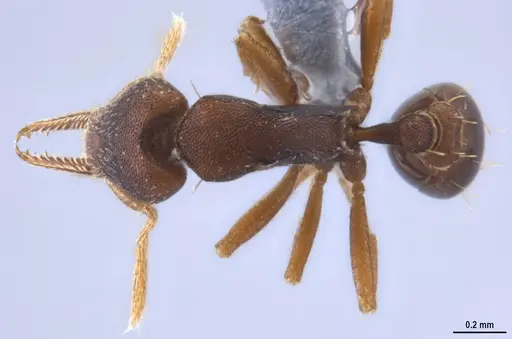
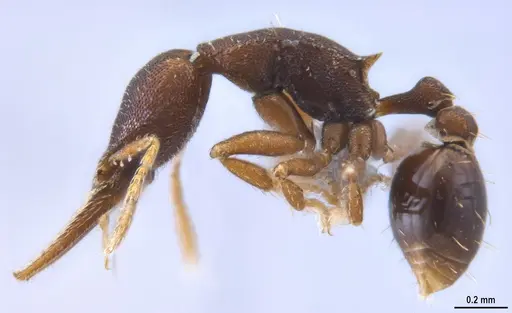
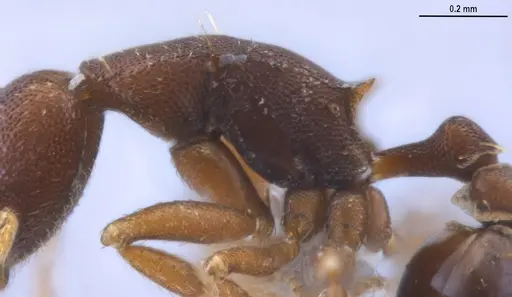
CASENT0217924
View on AntWeb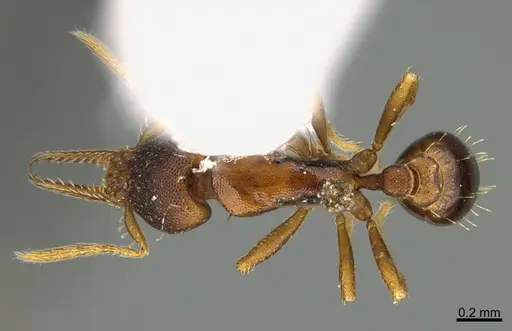
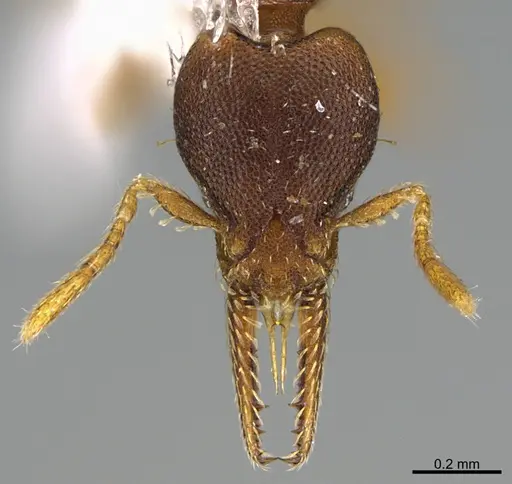
CASENT0610824
View on AntWeb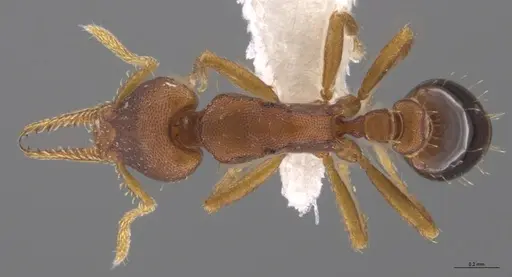
CASENT0623872
View on AntWeb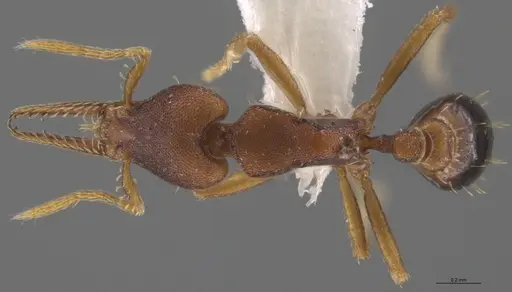
CASENT0637213
View on AntWeb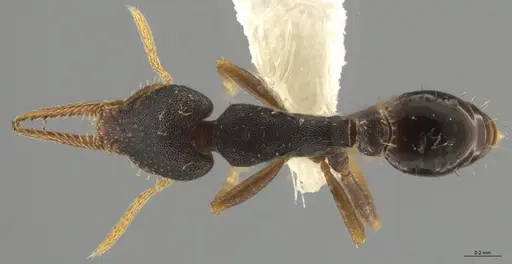
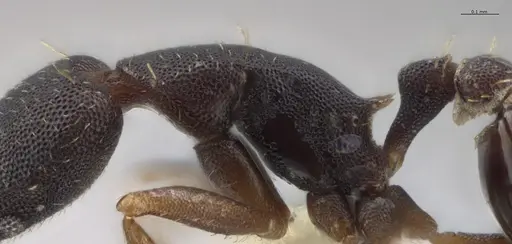
CASENT0637214
View on AntWeb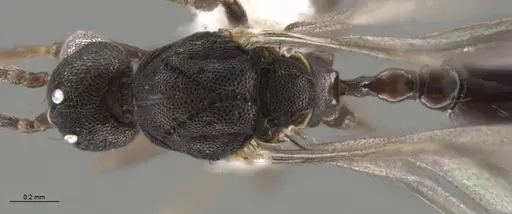
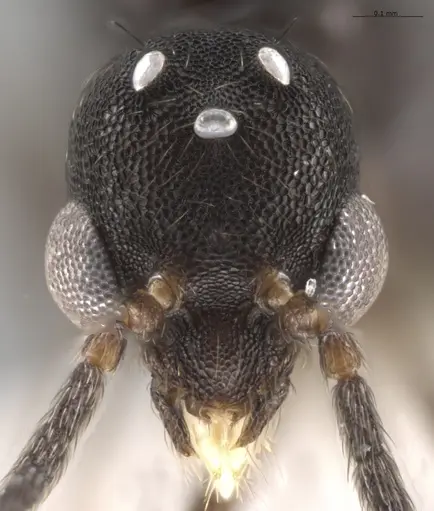
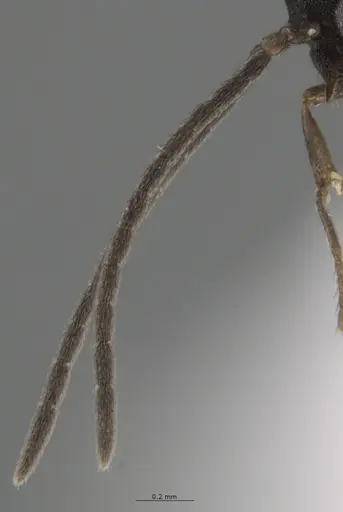
CASENT0637215
View on AntWeb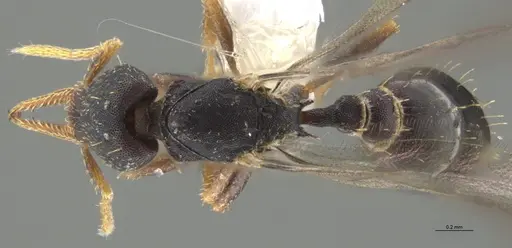
CASENT0914603
View on AntWeb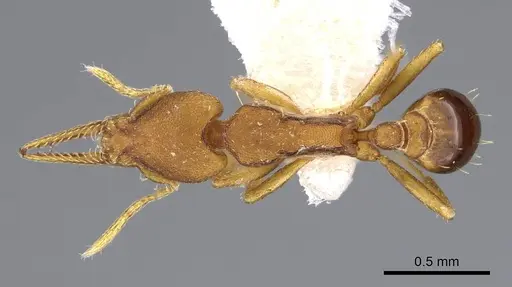
CASENT4036119
View on AntWeb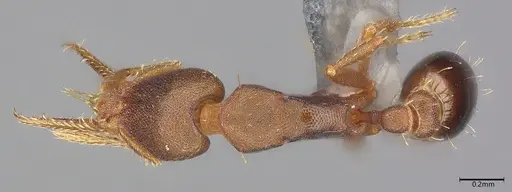
CASENT4036120
View on AntWeb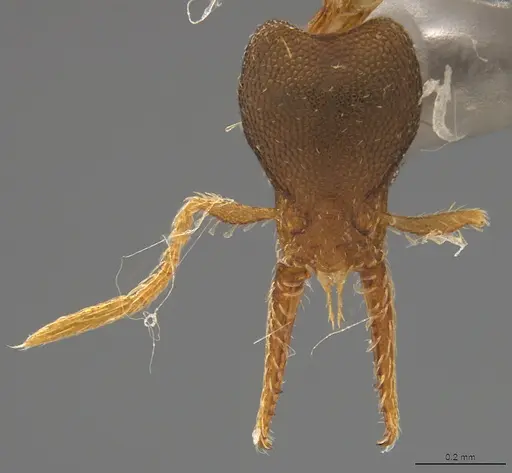
INBIOCRI001283815
View on AntWeb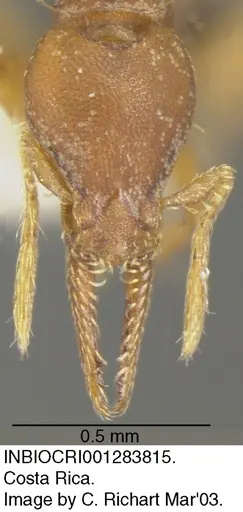
JTLC000014468
View on AntWeb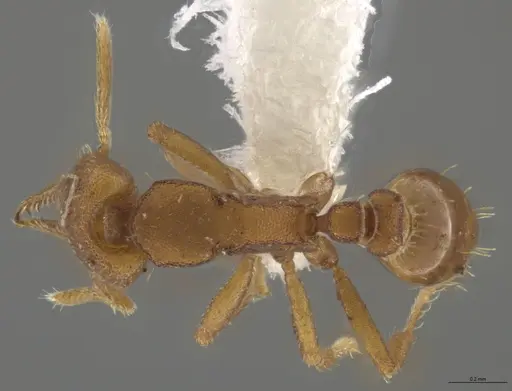
MZSPHYM0140157
View on AntWeb
Literature
Loading...Loading products...