

Strumigenys mixta
- Scientific Name
- Strumigenys mixta
- Tribe
- Attini
- Subfamily
- Myrmicinae
- Author
- Brown, 1953
- Distribution
- Found in 2 countries
Strumigenys mixta Overview
Strumigenys mixta is an ant species of the genus Strumigenys. It is primarily documented in 2 countries , including Guatemala, United States of America. Detailed taxonomic data and occurrence records can be further explored via authoritative databases such as AntWeb or the Global Biodiversity Information Facility (GBIF).
Strumigenys mixta
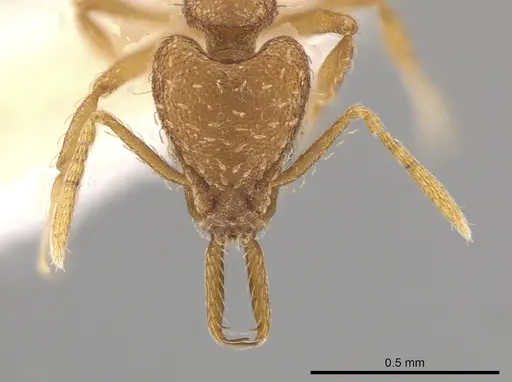
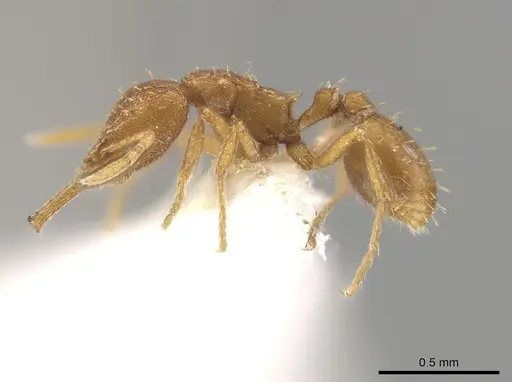
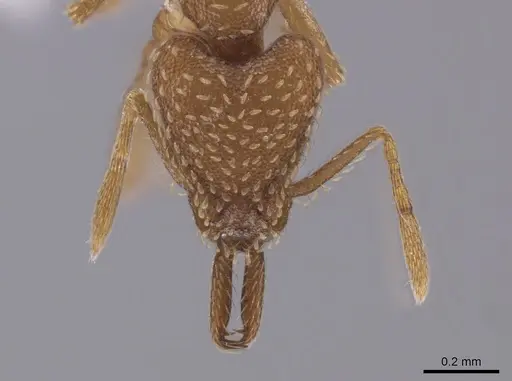
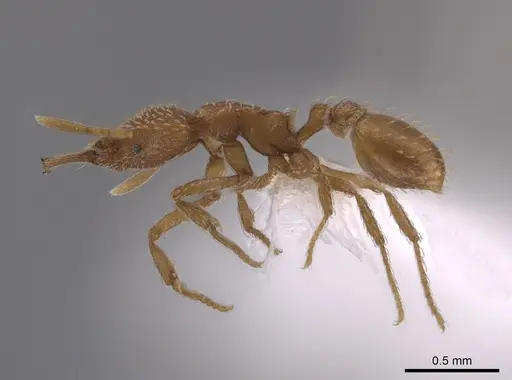
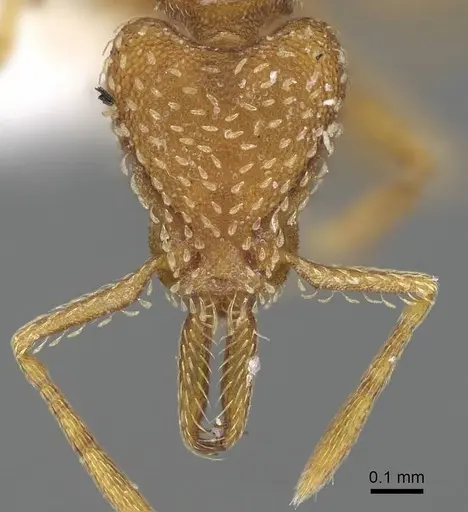
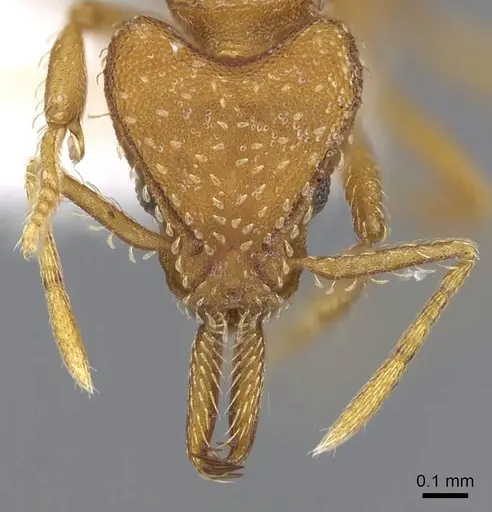
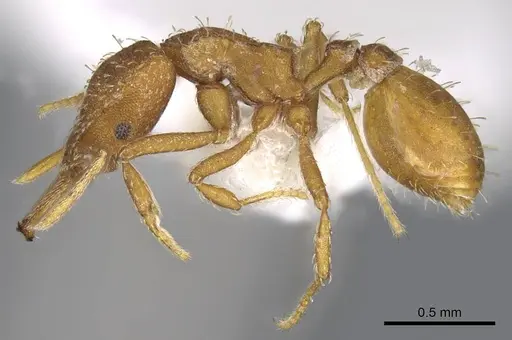
Strumigenys mixta is a tiny predatory ant measuring just 2.1-2.5mm in total length, belonging to the Myrmicinae subfamily and Attini tribe [1]. Workers have a light ferrugineous yellow to burnt-orange coloration, with distinctive fine flagellate hairs on the head, pronotum, and mesonotum that set this species apart from others in the louisianae group [1]. The mandibles feature a unique preapical denticle positioned near the apical portion of the second third of the mandible [1]. This species has a spotty native range from Venezuela to southern Guatemala, with introduced populations found in southern Arizona, USA, particularly in irrigated landscapes around Phoenix, Yuma, and the University of Arizona [1]. Originally intercepted in orchid shipments (Cattleya bowringeana) from Guatemala, suggesting arboreal tendencies, later collections confirm they also inhabit forest floor litter [1].
Quick Summary
- Difficulty: Medium
- Origin & Habitat: Native to Central America (Venezuela to Guatemala) in humid tropical forests, cloud forests, and tropical dry forests at elevations of 1200-1280m [2]. Introduced populations thrive in irrigated landscapes in southern Arizona, USA [1].
- Colony Type: Colony structure is not well documented in scientific literature. Based on typical Strumigenys patterns, colonies likely have a single queen (monogyne).
- Size & Growth:
- Queen: Not described in available literature, estimated 3-4mm based on genus patterns
- Worker: 2.1-2.5mm total length, HW 0.38-0.54mm [1]
- Colony: Likely small colonies of under 100 workers based on typical Strumigenys behavior
- Growth: Slow
- Development: Estimated 8-12 weeks based on typical Strumigenys genus development patterns at room temperature (Development timeline is not directly studied for this species, estimate based on genus-level data)
- Antkeeping:
- Temperature: Keep at 22-26°C, they prefer warm, humid conditions similar to their tropical forest floor habitat [2]. A gentle gradient with a heating cable on one side of the nest works well.
- Humidity: High humidity is essential, think damp forest floor. Keep the nest substrate consistently moist but not waterlogged, with some drier areas available for the ants to choose.
- Diapause: Likely no true diapause, these are tropical ants that remain active year-round if kept warm [3]
- Nesting: In captivity, they do well in small acrylic nests or test tube setups with moist substrate. Their tiny size means they need tight chambers and narrow passages scaled to their minute dimensions. They prefer dark, humid environments.
- Behavior: Strumigenys mixta is a specialized predator that uses a kinetic hunting mode, their closely spaced mandibular insertions allow for extremely fast, spring-loaded strikes to capture prey [4]. They are shy and non-aggressive, avoiding confrontation. Their tiny size (under 3mm) makes escape prevention critical, they can squeeze through the smallest gaps. Workers are rarely seen foraging openly, preferring to stay within their nest chambers.
- Common Issues: escape prevention is critical due to their tiny 2-5mm size, use fine mesh barriers and tight-fitting lids, slow growth means colonies develop gradually, avoid overfeeding which can lead to mold, they require live prey as they're obligate predators, dead food is typically ignored, wild-caught colonies may have parasites that can devastate captive populations, high humidity needs can lead to mold problems if ventilation is inadequate
Housing and Nest Setup
Strumigenys mixta requires small-scale housing due to their tiny 2.1-2.5mm worker size. Small acrylic nests or test tube setups work well, with chambers scaled appropriately, avoid tall, open spaces that these tiny ants would find overwhelming. They need a dark, humid environment similar to their forest floor habitat. Keep the nest substrate consistently moist but not waterlogged. Because of their minute size, excellent escape prevention is essential, use fine mesh and tight-fitting lids. A small outworld area for foraging can be provided, but keep it simple. [1][4]
Feeding and Diet
Strumigenys mixta is an obligate predator that uses kinetic mandibles to capture small prey [4]. In captivity, offer small live prey such as springtails, fruit flies, and other micro-arthropods. They will typically ignore dead food, so live prey is essential for colony survival. Do not rely on sugar sources, these ants are predatory and do not seek honeydew or sugar water like many other ant species. Feed small prey items 2-3 times per week, adjusting based on consumption. Remove uneaten prey to prevent mold.
Temperature and Humidity
Keep Strumigenys mixta at 22-26°C, replicating their tropical forest floor habitat [2]. They prefer warm, stable conditions without major temperature fluctuations. A heating cable on one side of the nest can create a gentle gradient. High humidity is critical, aim for consistently moist substrate that feels damp to the touch. These ants have spongiform tissue on their waist which helps them retain moisture [4]. Allow some drier areas within the setup so ants can self-regulate their humidity preferences. Avoid both stagnant air (causes mold) and excessive airflow (causes drying).
Behavior and Temperament
These ants are shy and non-aggressive, preferring to avoid confrontation rather than engage. Their specialized kinetic mandibles are designed for capturing tiny prey, not for defending against larger threats [4]. Workers spend most of their time within the nest, rarely foraging openly. This cryptic behavior means you may not see much activity outside the nest chambers. Their tiny size makes them vulnerable, larger ants or other predators can easily overwhelm them. When keeping this species, observe from a distance rather than frequently disturbing the nest.
Colony Development
Colony growth is slow, typical of Strumigenys species. Colonies likely remain small, probably under 100 workers at maturity based on genus patterns. The founding queen seals herself in (claustral founding) and raises the first workers alone on stored fat reserves, similar to other Strumigenys species. First workers (nanitics) will be smaller than mature workers. Be patient, these ants prioritize long-term colony stability over rapid growth. Avoid the temptation to overfeed, as excess food leads to mold in humid setups.
Seasonal Care
As tropical ants from Central America, Strumigenys mixta does not require hibernation [3]. Keep them warm year-round (22-26°C) to maintain normal activity. If your room temperature drops below 20°C in winter, use a small heater or heating cable to maintain warmth. They remain active throughout the year in their native range and in introduced Arizona populations, which are restricted to irrigated areas where temperatures stay mild [3][5]. Monitor humidity more carefully in winter when heating can dry out the nest faster.
Frequently Asked Questions
Can I keep Strumigenys mixta in a test tube?
Yes, test tube setups work well for these tiny ants. Use a small test tube with a water reservoir and keep it humid. However, because they need high humidity and a dark environment, you may need to cover the tube with a dark cloth. The key is ensuring the chambers are appropriately scaled to their 2-2.5mm size, too-large spaces will stress them.
How long until Strumigenys mixta produces first workers?
The exact timeline is not documented, but based on typical Strumigenys genus patterns, expect 8-12 weeks from founding to first workers at optimal temperature (22-26°C). These ants grow slowly, so patience is essential. The queen will seal herself in and raise the first brood alone using stored fat reserves.
What do Strumigenys mixta eat?
They are obligate predators that need live prey. Feed small live insects like springtails, fruit flies, and other micro-arthropods. They will typically ignore dead food. Do not offer sugar water or honey, these ants are specialized predators, not sugar-seekers. Remove uneaten prey to prevent mold in the humid setup.
Are Strumigenys mixta good for beginners?
This species is rated as Medium difficulty. While fascinating due to their unique predatory behavior, they require specific care: high humidity, live prey feeding, and excellent escape prevention due to their tiny size. They are not aggressive and don't require special handling, but their small size and humidity needs make them better suited for keepers who have already kept at least one other ant species successfully.
How big do Strumigenys mixta colonies get?
Based on typical Strumigenys behavior, colonies likely reach under 100 workers at maturity. They are not large colony builders, expect slow growth and relatively small colony sizes throughout their lifecycle. This makes them suitable for keeping in compact setups.
Do Strumigenys mixta need hibernation?
No, these are tropical ants that do not require hibernation. Keep them warm year-round at 22-26°C. Their native range in Central America and introduced populations in southern Arizona both experience warm climates without true winter conditions. Maintaining consistent warmth is more important than seasonal temperature changes.
Why are my Strumigenys mixta dying?
Common causes include: escape (their tiny size means they can squeeze through standard barriers, use fine mesh), insufficient prey (they need live food, not dead), low humidity (they require consistently damp conditions), and mold from overfeeding or poor ventilation. Also check for parasites if the colony was wild-caught. Review each aspect of your setup and adjust accordingly.
When should I move Strumigenys mixta to a formicarium?
Wait until the colony has at least 20-30 workers before considering a formicarium. For their entire lifespan, a well-set-up test tube or small acrylic nest often works better than a large formicarium, given their small colony size and humidity needs. If you do move them, ensure the new setup maintains high humidity and has appropriately sized chambers.
Can I keep multiple Strumigenys mixta queens together?
Combining unrelated queens has not been documented for this species. Based on typical Strumigenys behavior, it is not recommended. If you obtain multiple foundresses, house them separately to avoid conflict. In the wild, colony founding is typically solitary.
References

This caresheet is licensed under CC BY-SA 4.0 .
CASENT0632994
View on AntWeb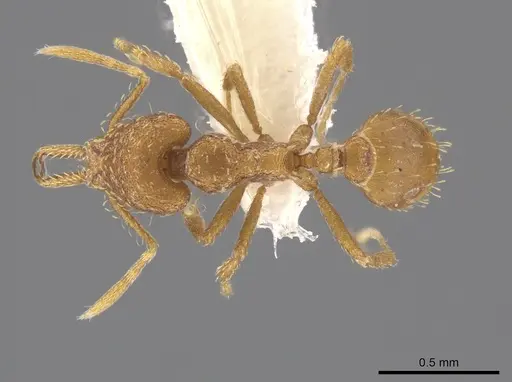
CASENT0653918
View on AntWeb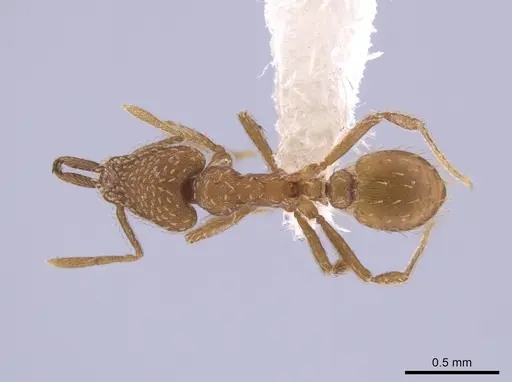
CASENT0799764
View on AntWeb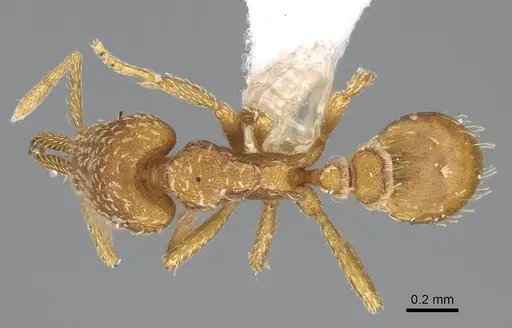
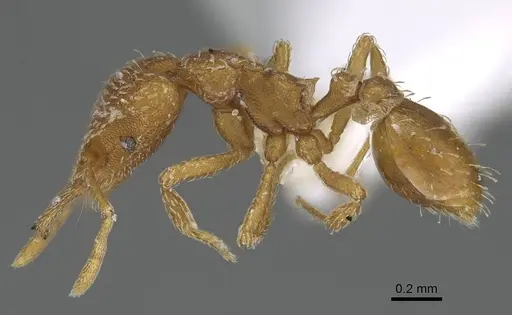
CASENT0900449
View on AntWeb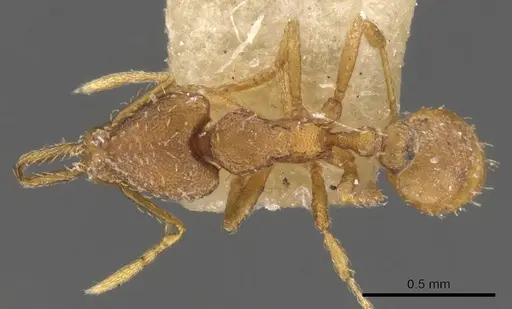
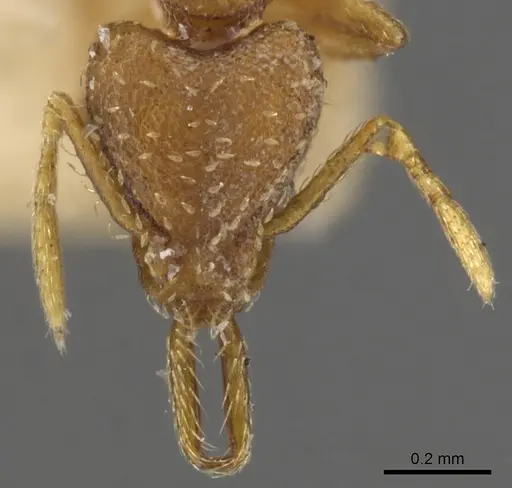
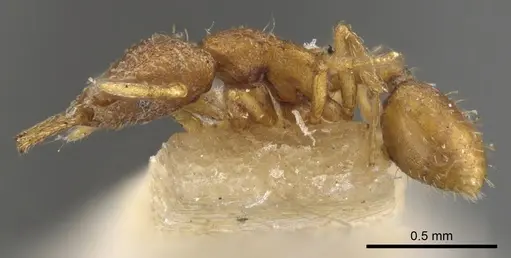
CASENT0914746
View on AntWeb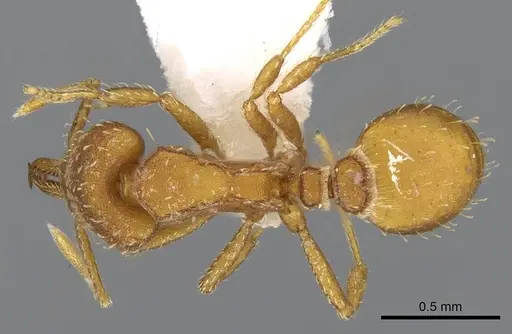
Literature
Loading...Loading products...