

Strumigenys mitis
- Scientific Name
- Strumigenys mitis
- Tribe
- Attini
- Subfamily
- Myrmicinae
- Author
- Brown, 2000
- Distribution
- Found in 7 countries
Strumigenys mitis Overview
Strumigenys mitis is an ant species of the genus Strumigenys. It is primarily documented in 7 countries , including Brunei Darussalam, China, Hong Kong. Detailed taxonomic data and occurrence records can be further explored via authoritative databases such as AntWeb or the Global Biodiversity Information Facility (GBIF).
Strumigenys mitis - "Ghost Ant (unofficial, due to cryptic nature)"
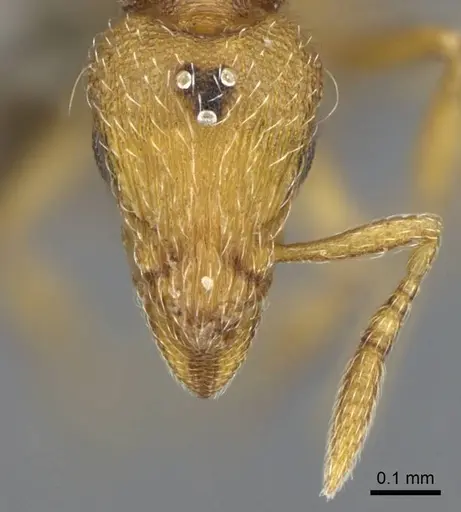
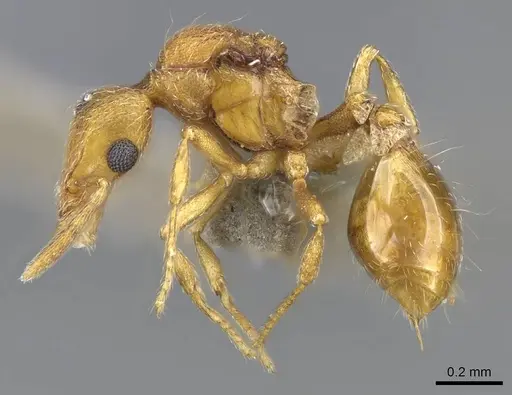
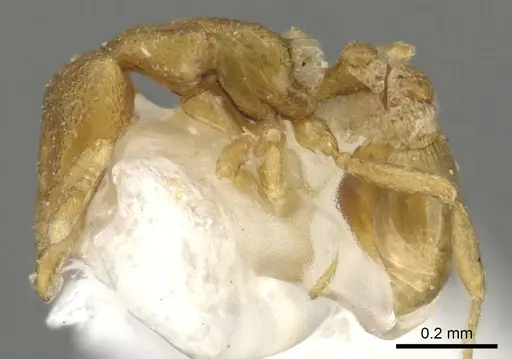
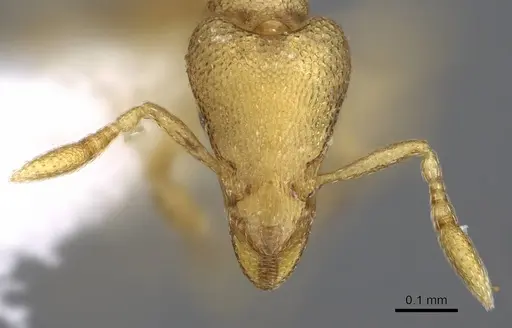
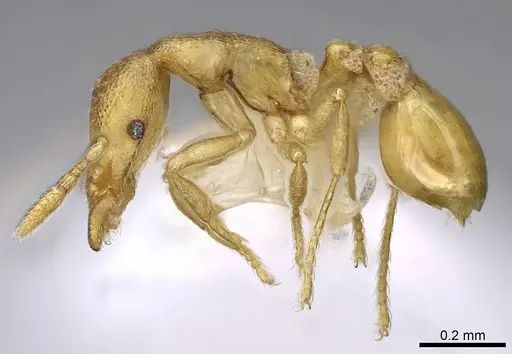
Strumigenys mitis is a tiny, slender ant species, widely distributed across the Oriental and Malesian regions. Workers are characterized by their small size, typically between 1.4-1.9 mm in total length. They possess slender, triangular mandibles that are serially dentate, meaning they have a row of small, acute teeth along their length. A distinguishing feature is the absence of long, projecting hairs on the middle and hind tibiae, as well as on the pronotal humeri. These ants are known for their slow-motion movements and can exhibit thanatosis (playing dead) when disturbed. They are specialized predators, primarily preying on springtails (Collembola) and other small, soft-bodied arthropods.
- Difficulty: Medium
- Origin & Habitat: Oriental and Malesian regions (e.g., South China, Hong Kong, Thailand, Vietnam, Malaysia, Singapore, Philippines, Japan) in Rainforests, secondary forests, tree plantations, shrublands, grasslands, urban disturbed forests. Typically found in leaf litter, soil, or rotten wood, from low to mid-elevations (30-897m)..
- Colony Type: Monogyne, claustral founding.
- Size & Growth:
- Queen: Not specified
- Worker: 1.4-1.9mm
- Colony: Small (dozens to a maximum of 500 workers, often around 50 individuals). Slow growth.
- Antkeeping:
- Temperature: Maintain temperatures between 24-28°C. Being a tropical species, a stable warmer environment is crucial for their well-being and brood development..
- Humidity: High humidity, ideally 80-95%, mimicking their natural rainforest leaf litter environment. A consistent moisture gradient is essential..
- Diapause: Not required. Not specified at Not specified.
- Nesting: Prefer hypogaeic (subterranean) nests, often in soil, rotten wood, or under rocks in leaf litter. For captivity, setups with fine substrate layers, such as plaster or naturalistic soil setups, that retain high humidity are suitable. Small formicaria with good moisture retention are recommended..
- Behavior: Low (towards handler, primarily defensive against prey) aggressiveness.
- Common Issues: Difficulty in providing consistent live prey (springtails), Humidity fluctuations leading to desiccation or mold, Colony stalling due to inadequate food or environmental conditions, Escapes due to small size.
Keeping Strumigenys mitis can be a rewarding challenge for the dedicated antkeeper due to their specialized predatory diet. These tiny ants primarily feast on springtails (Collembola), so ensuring a steady and reliable supply of these minute arthropods is paramount for colony success. Cultivating a springtail culture beforehand is highly recommended, as these 'ghost ants' won't readily accept common feeder insects. Their unique hunting method, involving trap-jaw mandibles, makes observing their feeding behavior a truly captivating experience for any ant enthusiast.
Humidity is another critical factor for this species, as they naturally inhabit damp leaf litter environments in tropical regions. Providing a consistently high humidity level, ideally between 80-95%, is non-negotiable. This means utilizing formicaria designed for high moisture retention, such as naturalistic soil setups or plaster nests, and regularly monitoring the hydration. Fluctuations in humidity can quickly lead to stress and decline in the colony, so a stable environment is key to thriving colonies.
Given their minuscule size and cryptic nature, Strumigenys mitis colonies are best kept in smaller, escape-proof setups. A small outworld, if any, should be meticulously sealed to prevent escapes. Due to their slow, deliberate movements, they can be easily lost if not contained properly. Their small colony size, often around 50 individuals, also means they require less space than larger, more common ant species, making compact formicarium designs ideal.
While Strumigenys mitis is generally not aggressive towards handlers, their specialized care requirements and delicate nature make them more suited for intermediate to advanced antkeepers. They are not a beginner species. Researching and understanding their specific needs, particularly concerning diet and humidity, before acquiring a colony will significantly increase your chances of success and provide a deeper appreciation for these fascinating, tiny predators. Pay close attention to subtle behavioral cues, as they are often the first indicators of environmental issues.
Frequently Asked Questions
What do Strumigenys mitis ants eat?
These tiny specialists are primarily myrmicologists' delight in their diet, as they mostly feed on springtails (Collembola). Occasionally, they may take other minute, soft-bodied arthropods, but springtails are their preferred prey. Ensure a continuous supply of live springtails for a healthy colony.
How big do Strumigenys mitis colonies get?
Strumigenys mitis colonies are quite small compared to many other ant species. They typically house a few dozen workers, with larger colonies reaching up to around 500 individuals. Expect a maximum of about 50 workers, as observed in some wild colonies.
Do Strumigenys mitis sting?
No, Strumigenys mitis are not known to sting. Their primary defensive and predatory tools are their unique trap-jaw mandibles, which are used to snap quickly at prey.
What kind of nest is best for Strumigenys mitis?
Given their preference for damp leaf litter and subterranean environments, formicaria that maintain high and stable humidity are ideal. Naturalistic setups with a fine soil or loam substrate, or plaster/Ytong nests with dedicated hydration systems, work well. Small, enclosed setups are crucial to prevent escapes due to their size.
Do Strumigenys mitis need diapause?
No, Strumigenys mitis are tropical ants and do not require diapause (a period of hibernation). They thrive in consistent, warm temperatures and high humidity year-round.
Are Strumigenys mitis good for beginners?
No, Strumigenys mitis are not recommended for beginners. Their highly specialized diet of live springtails, strict humidity requirements, and small, cryptic nature make them a challenging species best suited for experienced antkeepers who can meet their specific needs.
How fast do Strumigenys mitis colonies grow?
Their colony growth rate is generally slow. Don't expect rapid population explosions; these ants take their time to develop and expand their numbers.
How do I provide springtails for my Strumigenys mitis?
The best way is to maintain a separate culture of springtails. These can be easily bred in small containers with a substrate like charcoal or coco fiber and fed on yeast or fungi. Introduce a small number of live springtails into the ants' outworld as needed.
Why are they called 'ghost ants' (unofficially)?
While 'Ghost Ant' is a common name for other species (like Tapinoma melanocephalum), Strumigenys mitis are sometimes unofficially referred to this way in antkeeping due to their tiny size, cryptic habits, and slow, deliberate movements, which make them difficult to spot in their setup.
What temperatures are best for Strumigenys mitis?
They prefer stable, warm temperatures between 24-28°C. This range helps ensure optimal activity and brood development, mimicking their tropical native habitat.
Can Strumigenys mitis live with other ant species?
While some Strumigenys species have been noted in mixed colonies or social parasitic relationships in the wild, it's not recommended to intentionally house Strumigenys mitis with other ant species in captivity. This can lead to stress, competition, or predation.

This caresheet is licensed under CC BY-SA 4.0 .
CASENT0001581
View on AntWeb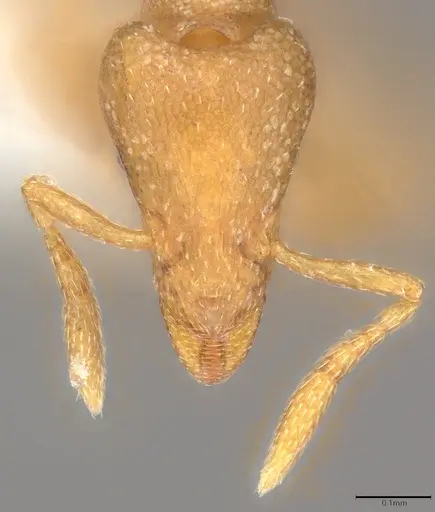
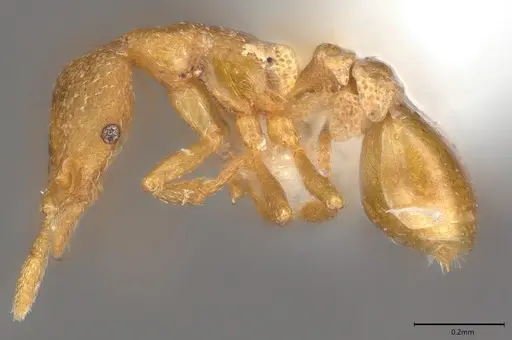
CASENT0700061
View on AntWeb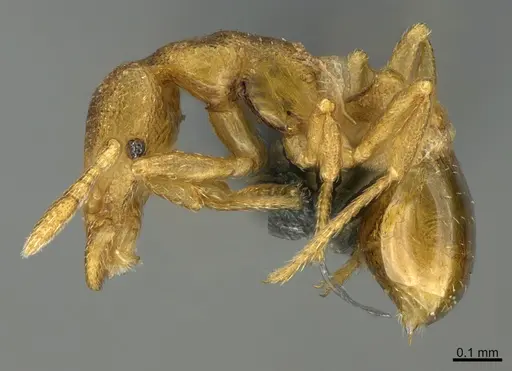
CASENT0734531
View on AntWeb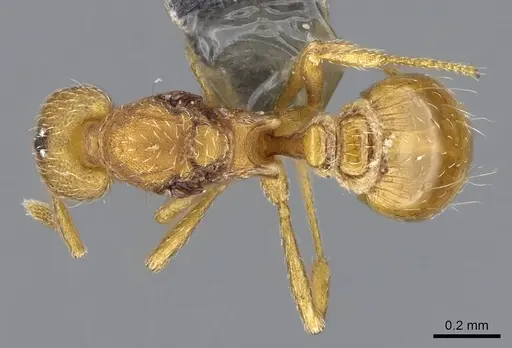
CASENT0900120
View on AntWeb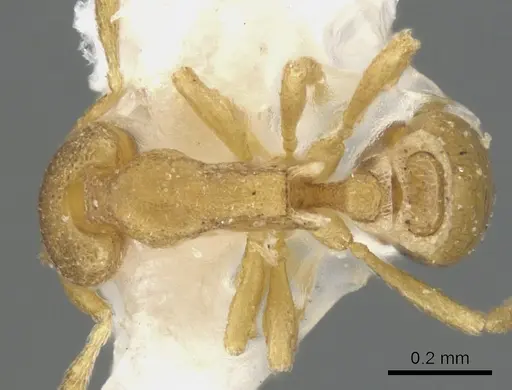
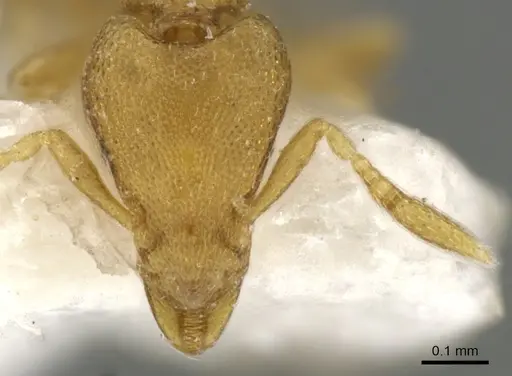
CASENT0914627
View on AntWeb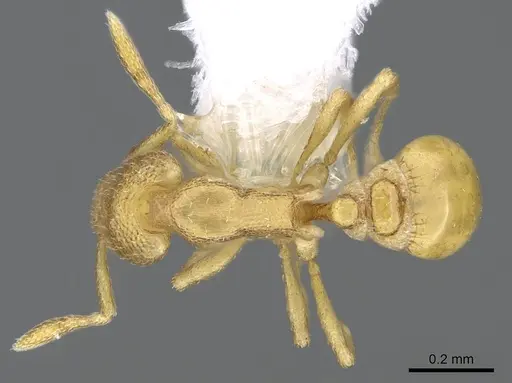
Literature
Loading...Loading products...