

Strumigenys mionova
- Scientific Name
- Strumigenys mionova
- Tribe
- Attini
- Subfamily
- Myrmicinae
- Author
- Bolton, 2000
- Distribution
- Found in 1 countries
Strumigenys mionova Overview
Strumigenys mionova is an ant species of the genus Strumigenys. It is primarily documented in 1 countries , including New Caledonia. Detailed taxonomic data and occurrence records can be further explored via authoritative databases such as AntWeb or the Global Biodiversity Information Facility (GBIF).
Strumigenys mionova
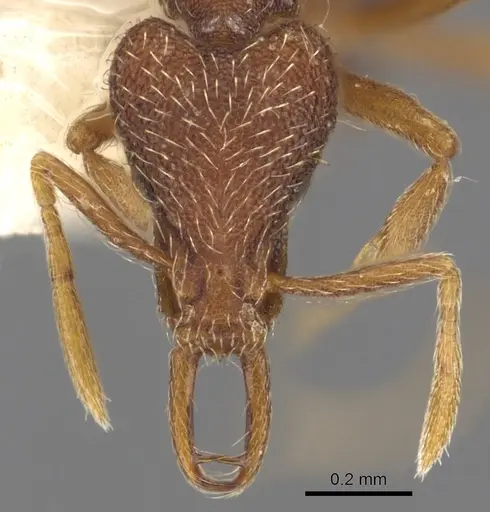
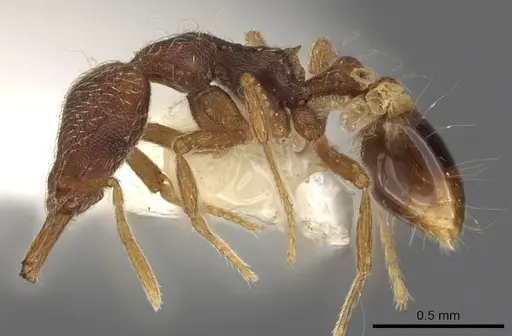
Strumigenys mionova is a small predatory ant species native to New Caledonia, a tropical island in the South Pacific [1]. Like all Strumigenys, this species has specialized trap-jaw mandibles that can snap shut rapidly to capture prey, primarily springtails and other tiny arthropods found in leaf litter and soil. Workers are tiny, typically measuring 2-3mm, with distinctive elongated mandibles and a generally pale to reddish-brown coloration. Queens are slightly larger and maintain the colony's reproductive output. These ants are cryptic nesters, preferring moist, shaded microhabitats where they hunt their small prey.
Quick Summary
- Difficulty: Hard
- Origin & Habitat: New Caledonia, a tropical island in the South Pacific with humid, forested environments [1]
- Colony Type: Likely monogyne (single queen colony), though colony structure is unconfirmed for this specific species
- Colony: Monogyne
- Founding: Claustral
- Size & Growth:
- Queen: Estimated 3-4mm based on genus Strumigenys patterns
- Worker: Estimated 2-3mm based on genus Strumigenys patterns
- Colony: Likely small colonies of 50-200 workers based on typical Strumigenys colony sizes
- Growth: Slow
- Development: Estimated 8-12 weeks based on related Strumigenys species (Development time is estimated from genus-level data, specific timing for S. mionova has not been documented)
- Antkeeping:
- Temperature: Keep at 22-26°C, these tropical ants need warmth but not extreme heat. A gentle gradient with a heating cable on one side works well.
- Humidity: High humidity required, aim for 70-85%. Keep the nest substrate consistently moist but not waterlogged. These ants come from humid tropical forests.
- Diapause: No, being a tropical species, they do not require hibernation. Maintain warm conditions year-round.
- Nesting: Prefers naturalistic setups with moist substrate, a plaster nest, acrylic nest with water reservoir, or a well-moistened soil setup works. They nest in leaf litter and topsoil in the wild.
- Behavior: These are cryptic, slow-moving ants that spend most of their time hunting in the substrate and leaf litter. They are not aggressive toward humans and rarely sting. Their main defense is escaping into small crevices. Escape prevention is critical due to their tiny size, they can squeeze through standard mesh. They are specialized predators on springtails and other micro-arthropods.
- Common Issues: tiny size means escapes are likely without fine mesh barriers and tight-fitting lids, specialized diet makes them difficult to feed, they require live springtails or micro-prey, slow growth can frustrate keepers who expect rapid colony development, wild-caught colonies may have parasites that kill them in captivity, they require high humidity, drying out quickly leads to colony death
Housing and Nest Setup
Strumigenys mionova requires a setup that maintains high humidity while providing space for hunting. A naturalistic terrarium-type setup works best, use a container filled with moist soil or plaster with a water reservoir. The substrate should remain damp but not waterlogged. Add leaf litter, moss, and small hiding spots to mimic their natural leaf litter habitat. Because they are tiny, use a test tube setup for the founding queen with a cotton ball providing moisture, then transition to a small naturalistic setup once the colony reaches 10-15 workers. Ensure all connections between outworld and nest are narrow, these tiny ants can escape through gaps you wouldn't expect.
Feeding and Diet
This is the most challenging aspect of keeping Strumigenys mionova. They are specialized predators that require live springtails as their primary food source. Springtails are tiny soil arthropods that you can culture separately or purchase. Offer springtails at least twice weekly, providing more as the colony grows. Some colonies may accept other tiny prey like booklice, fruit flies, or minute soil mites, but springtails should form the bulk of their diet. Do not rely on sugar water or honey, while some Strumigenys may occasionally accept sweet liquids, their primary nutrition comes from protein. Remove uneaten prey after 24-48 hours to prevent mold.
Temperature and Humidity
Maintain temperatures between 22-26°C year-round. These tropical ants do not tolerate cool conditions well. A small heating cable placed on one side of the nest creates a gentle temperature gradient. Humidity is critical, keep the nest substrate at 70-85% humidity. The substrate should feel consistently damp to the touch. Use a water reservoir or mist regularly to maintain moisture. Avoid placing the setup near air conditioning or heating vents that cause rapid drying. Poor humidity leads to desiccation and colony death quickly.
Behavior and Temperament
Strumigenys mionova is a calm, non-aggressive species. Workers are slow-moving and spend most of their time hunting through the substrate. They are not defensive and rarely attempt to sting. Their trap-jaw mandibles are designed for catching tiny prey, not for defense against larger threats. The main concern is their small size, they are expert escape artists. Use fluon on rim edges, fine mesh on any ventilation, and ensure all gaps are sealed. Colonies are quiet and fascinating to observe as they hunt springtails with their specialized mandibles.
Colony Development
Growth is slow compared to many common ant species. A newly mated queen will lay eggs after sealing herself in a claustral chamber. First workers (nanitics) appear after an estimated 8-12 weeks, though this timeline is based on genus-level data rather than specific observations of S. mionova. The first workers are tiny and the colony will remain small for many months. Expect 6-12 months to reach 20-30 workers, and potentially years to reach 100+ workers. Patience is essential with this species. Do not overfeed, excess food mold kills colonies faster than starvation.
Frequently Asked Questions
Can I keep Strumigenys mionova in a test tube?
A test tube works for the founding queen, but you'll need to transition to a naturalistic setup once the colony reaches 10-15 workers. These ants need space to hunt and high humidity that test tubes alone cannot maintain long-term.
How long until first workers in Strumigenys mionova?
Expect first workers (nanitics) after approximately 8-12 weeks at optimal temperature (around 24°C). This is an estimate based on related Strumigenys species, specific development time for S. mionova has not been documented.
What do Strumigenys mionova ants eat?
They require live springtails as their primary food. These tiny predatory ants hunt springtails and other micro-arthropods in the wild. Offer cultured springtails twice weekly. Some colonies may accept other tiny prey experimentally, but springtails should form the core of their diet.
Are Strumigenys mionova good for beginners?
No, this is not a beginner species. Their specialized diet requiring live springtails, high humidity needs, tiny size making escape likely, and slow growth make them challenging. They are best suited for experienced antkeepers who can provide the specific conditions they require.
How big do Strumigenys mionova colonies get?
Colonies remain relatively small. Based on typical Strumigenys species, expect maximum sizes of 50-200 workers. They are not large colony builders like many Lasius or Camponotus species.
Do Strumigenys mionova need hibernation?
No, being a tropical species from New Caledonia, they do not require hibernation. Keep them warm year-round at 22-26°C. Cool temperatures stress them and can slow or stop brood development.
Why are my Strumigenys mionova dying?
The most common causes are: drying out (low humidity kills them quickly), lack of live springtail prey (they will starve without proper food), escapes due to inadequate barriers, and mold from overfeeding. Check humidity levels first, then verify they are actually eating the springtails you provide.
When to move Strumigenys mionova to a formicarium?
Wait until the colony has at least 15-20 workers and the test tube setup shows signs of crowding or drying. Transition to a naturalistic setup with moist substrate. A small acrylic nest with a water reservoir or a soil-based terrarium works well.
Can I keep multiple Strumigenys mionova queens together?
Not recommended. While colony structure is unconfirmed for this specific species, Strumigenys are typically monogyne (single queen). Combining unrelated queens has not been studied for S. mionova and risks fatal aggression.
References

This caresheet is licensed under CC BY-SA 4.0 .
CASENT0900900
View on AntWeb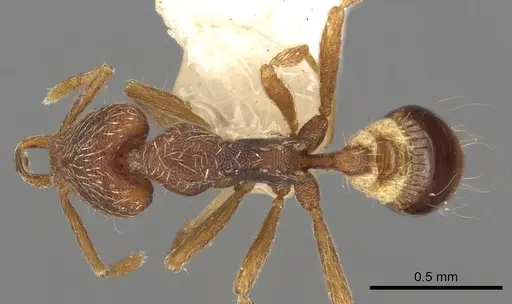
Literature
Loading...Loading products...