

Strumigenys minutula
- Scientific Name
- Strumigenys minutula
- Tribe
- Attini
- Subfamily
- Myrmicinae
- Author
- Terayama & Kubota, 1989
- Distribution
- Found in 2 countries
Strumigenys minutula Overview
Strumigenys minutula is an ant species of the genus Strumigenys. It is primarily documented in 2 countries , including China, Hong Kong. Detailed taxonomic data and occurrence records can be further explored via authoritative databases such as AntWeb or the Global Biodiversity Information Facility (GBIF).
Strumigenys minutula
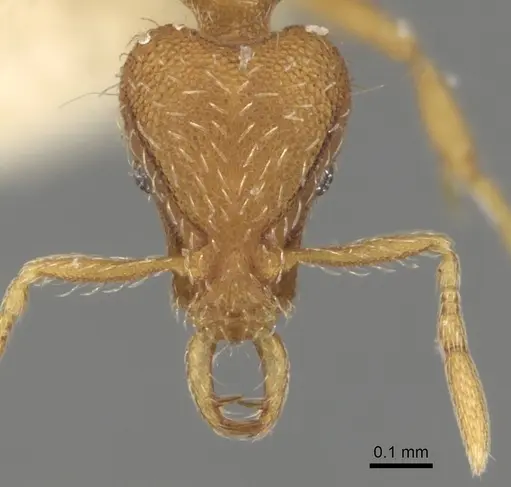
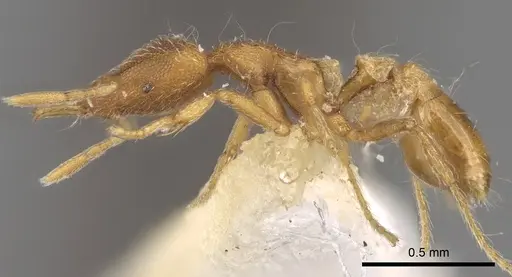
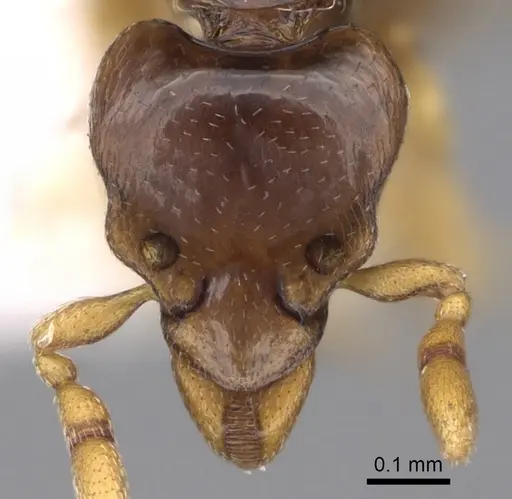
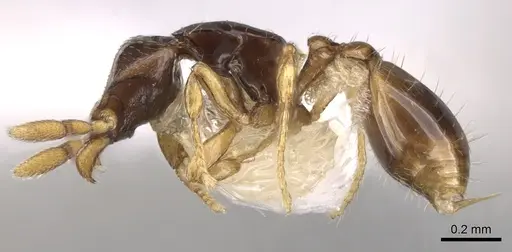
Strumigenys minutula is a tiny predatory ant belonging to the tribe Attini, known for its specialized trap-jaw mandibles used to capture small prey. Workers measure just 1.5-2mm in length, making them one of the smaller ant species kept in captivity. They have a brown body color and relatively short, strongly convex mandibles that give them a distinctive appearance under magnification. This species is native to East Asia, with confirmed populations in Japan (Ryukyu Islands), Taiwan, Hong Kong, and Macau, where they inhabit forests, grasslands, and agricultural areas [1][2].
What makes S. minutula particularly interesting is its polygynous colony structure, colonies can contain multiple queens working together, with documented colonies reaching around 300 individuals [3][4]. They are specialized predators that hunt micro-arthropods like springtails, using their trap-jaw mechanism to capture prey. Research has also shown this species can reproduce through parthenogenesis, though this produces only male offspring [5].
Quick Summary
- Difficulty: Expert
- Origin & Habitat: East Asia, Japan (Ryukyu Islands), Taiwan, Hong Kong, Macau, and southern China. Found in forests, grasslands, sugarcane fields, and leaf litter at elevations from 29-475m [1][3][2].
- Colony Type: Polygynous, colonies contain multiple queens working together, with documented colonies of 135-300 workers [3][4]. Queens are dealate (wingless) after mating and functional polygyny is confirmed.
- Colony: Polygyne
- Founding: Claustral
- Size & Growth:
- Queen: Approximately 2mm+ (estimated from worker size ratios)
- Worker: 1.5-2mm [1][6]
- Colony: Up to 300 workers in mature colonies [3][4]
- Growth: Slow
- Development: Estimated 8-12 weeks based on related Strumigenys species (Development time is inferred from genus patterns, specific data for S. minutula is not available. Expect slower growth than many Myrmicinae due to small colony sizes and specialized biology.)
- Antkeeping:
- Temperature: Keep at 24-28°C, these are subtropical ants from warm regions. A gentle heating gradient allows them to regulate their temperature [1].
- Humidity: High humidity preferred (70-85%), they naturally inhabit damp forest floors and leaf litter. Keep the nest substrate consistently moist but not waterlogged.
- Diapause: No, this species does not require hibernation. They are active year-round in their subtropical native habitat. Maintain warm conditions throughout the year.
- Nesting: In nature they nest under stones or in soil. In captivity, a plaster nest or test tube setup with moist substrate works well. They prefer tight, humid chambers scaled to their tiny size. Avoid dry conditions.
- Behavior: These ants are specialized predators that hunt micro-arthropods. They are generally docile and non-aggressive toward keepers. They have a functional stinger but rarely use it defensively due to their small size. Escape prevention is critical, their tiny size means they can squeeze through standard barrier setups. They are not escape artists in the traditional sense, but their minute size requires fine mesh and tight-fitting lids.
- Common Issues: escape prevention is critical, they are extremely small and can squeeze through tiny gaps, specialized diet means they require live micro-prey, they will not accept sugar water or dead protein, slow colony growth can frustrate keepers expecting rapid development, wild-caught colonies may have mites or parasites that can devastate captive colonies, overfeeding with inappropriate prey can cause mold issues in small nest setups
Housing and Nest Setup
Strumigenys minutula requires careful housing due to their extremely small size. A test tube setup works well for founding colonies, but you may need to use cotton or plaster to create smaller water reservoirs since standard test tubes can flood with their tiny size. For established colonies, a plaster or acrylic nest with tight chambers scaled to their minute dimensions is ideal. The nest should maintain high humidity, think damp forest floor conditions. Avoid large, open spaces in the nest, these tiny ants feel secure in compact chambers. Use fine mesh on any ventilation holes, as they can squeeze through standard mesh. A small outworld connected to the nest allows for feeding without disturbing the colony. [3][4]
Feeding and Diet
This is the most critical aspect of keeping S. minutula successfully. They are specialized predators that require live micro-arthropods, primarily springtails, but they will also hunt tiny soil mites, booklice, and other minute invertebrates. They will NOT accept sugar water, honey, or dead protein. Their trap-jaw mandibles are designed for capturing small, moving prey. Feed small live springtails (available from pet stores or culture setups) every few days. Offer only what the colony can consume in 24-48 hours to prevent mold. Some keepers report success offering fruit flies as they are small enough to be hunted. Never overfeed, excess prey dying in the nest creates serious mold problems in these tiny colonies. [1][3]
Temperature and Seasonal Care
Keep your colony at 24-28°C year-round. These subtropical ants come from warm regions in Japan, Taiwan, and southern China where temperatures rarely drop significantly. Unlike temperate species, they do not require hibernation or diapause. Maintain consistent warmth, avoid cold drafts and keep the nest away from windows in winter. A small heating cable on one side of the nest can create a gentle gradient, but ensure it does not dry out the substrate. Room temperature in a heated home (around 24-26°C) is often suitable. Monitor humidity closely when using heat, as warming dries out the nest faster. [1][2]
Colony Structure and Growth
S. minutula is polygynous, meaning colonies naturally have multiple queens. Documented wild colonies contain 2-3 dealate queens working together, with colony sizes reaching 300 workers [3][4]. This is unusual among ant species and means your colony may have multiple egg-layers, potentially speeding up growth compared to single-queen colonies. However, growth remains slow relative to many common ant species. A colony collected in Hong Kong contained 47 workers,97 pupae, and 80 larvae alongside 3 queens [3]. Another colony in Macau had 135 workers,2 queens,8 larvae, and 12 pupae [4]. Expect your colony to grow gradually over months and years rather than rapidly.
Handling and Temperament
These ants are docile and rarely aggressive. They have a functional stinger but due to their tiny size, the sting is barely noticeable to humans, more of a brief prick than real pain. They are not defensive and will typically flee rather than attack. However, their small size makes them fragile, avoid handling directly if possible. When you need to move them, use gentle techniques like coaxing them into a test tube rather than picking them up. They are not suitable for species that require regular interaction or observation of dramatic behaviors, they are 'watch from a distance' ants that go about their business quietly. Their most interesting behavior is watching them hunt springtails with their trap-jaw mechanism. [5]
Common Problems and Solutions
The biggest challenge with S. minutula is their specialized diet. Many keepers fail because they try to feed standard ant foods like sugar water or mealworms. You MUST provide live micro-prey, primarily springtails. Second, escape prevention requires attention, they are so small they can slip through gaps that other ants cannot. Use fluon on container rims and ensure all barriers are tight. Third, mold is a serious issue in small, humid nests, clean out uneaten prey promptly and maintain proper ventilation. Fourth, wild-caught colonies may carry mites, the AntWiki data notes a mite was found attached to a queen in Macau [4]. Quarantine and observe new colonies before introducing them to established setups. Finally, patience is essential, these are slow-growing ants that will not produce impressive numbers quickly.
Frequently Asked Questions
Can I keep Strumigenys minutula in a test tube?
Yes, test tubes work well for founding colonies. However, due to their tiny size, you may need to use smaller diameter tubes or modify standard tubes with cotton to create a smaller water reservoir. Ensure the cotton is packed tightly enough that water cannot flood the colony. A test tube with a small water section works for the founding stage, but as the colony grows, you may need to move them to a more spacious plaster or acrylic nest.
What do Strumigenys minutula ants eat?
They eat live micro-arthropods, primarily springtails. They are specialized predators and will NOT accept sugar water, honey, fruit, or dead protein. Their trap-jaw mandibles are designed to capture small, moving prey. Offer live springtails, tiny soil mites, or fruit flies. Feed small amounts every few days and remove uneaten prey within 48 hours to prevent mold.
How long does it take for Strumigenys minutula to produce first workers?
Exact development time is unconfirmed for this species, but based on related Strumigenys species, expect 8-12 weeks from egg to worker at optimal temperature (24-28°C). Colony growth is slow, these are not rapid growers like many common ant species. A newly established colony may take many months to reach 10-20 workers, and years to reach the 100+ worker range seen in wild colonies.
Are Strumigenys minutula good for beginners?
No, they are not recommended for beginners. Their specialized live-prey diet, tiny size requiring excellent escape prevention, and slow growth make them challenging. They are best suited for experienced antkeepers who can provide consistent warm temperatures, high humidity, and a steady supply of live springtails or other micro-prey.
How big do Strumigenys minutula colonies get?
Wild colonies reach approximately 300 workers in size [3][4]. In captivity, expect similar maximum sizes over time with proper care. They are polygynous, meaning multiple queens can coexist in one colony, which may help sustain larger colony sizes.
Do Strumigenys minutula need hibernation?
No, they do not require hibernation. As subtropical ants from Japan, Taiwan, and southern China, they are active year-round in their native habitat. Keep them warm (24-28°C) throughout the year without cooling periods.
Why are my Strumigenys minutula dying?
The most likely causes are: incorrect diet (not providing live springtails), escape and desiccation (tiny ants drying out), mold from overfeeding or poor ventilation, or stress from disturbance. Ensure you are feeding live micro-prey, maintain high humidity, provide excellent escape prevention, and minimize nest disturbances. Wild-caught colonies may also carry parasites or mites that can cause issues.
Can I keep multiple queens together in Strumigenys minutula?
Yes, this species is naturally polygynous, multiple queens coexist in wild colonies. Documented colonies have 2-3 dealate queens working together [3][4]. You do not need to separate queens, and keeping them together is natural for this species.
When should I move Strumigenys minutula to a formicarium?
Move them when the test tube becomes crowded or the water reservoir is depleted. For S. minutula, this is typically when the colony reaches 20-30 workers. Use a small, tight-chambered nest (plaster or acrylic) scaled to their tiny size. Ensure the formicarium maintains high humidity and has appropriately small foraging areas.
What is the best nest type for Strumigenys minutula?
Plaster nests or small acrylic nests with tight chambers work best. They need small, humid chambers scaled to their minute 1.5-2mm size. Test tubes work for founding but can flood due to their tiny proportions. Avoid large, open spaces, these small ants feel secure in compact chambers. Ensure the nest material can hold moisture well.
References

This caresheet is licensed under CC BY-SA 4.0 .
CASENT0280739
View on AntWeb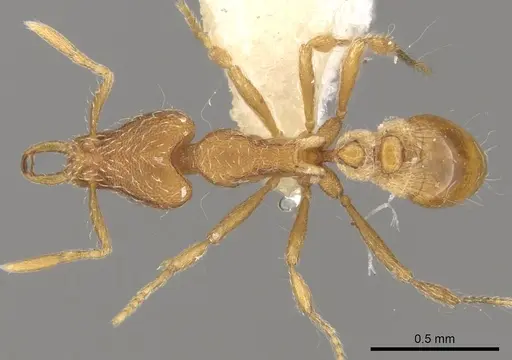
CASENT0281948
View on AntWeb
Literature
Loading...Loading products...