

Strumigenys minkara
- Scientific Name
- Strumigenys minkara
- Tribe
- Attini
- Subfamily
- Myrmicinae
- Author
- Bolton, 1983
- Distribution
- Found in 2 countries
Strumigenys minkara Overview
Strumigenys minkara is an ant species of the genus Strumigenys. It is primarily documented in 2 countries , including Côte d'Ivoire, Ghana. Detailed taxonomic data and occurrence records can be further explored via authoritative databases such as AntWeb or the Global Biodiversity Information Facility (GBIF).
Strumigenys minkara
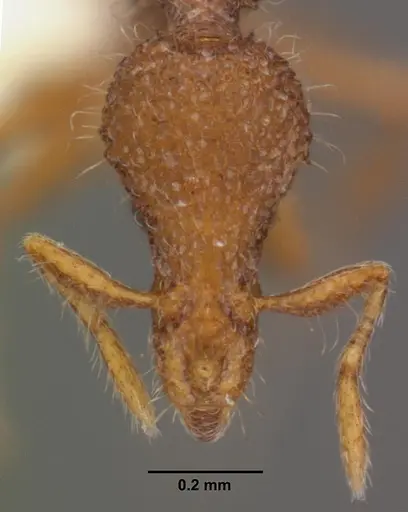
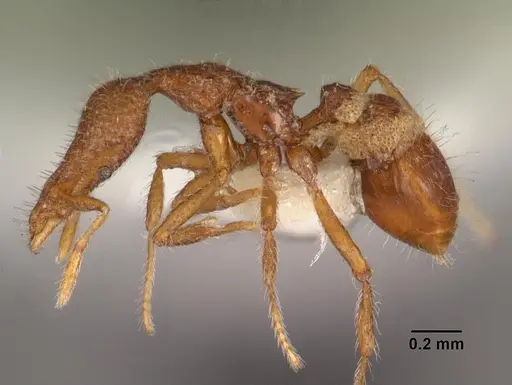
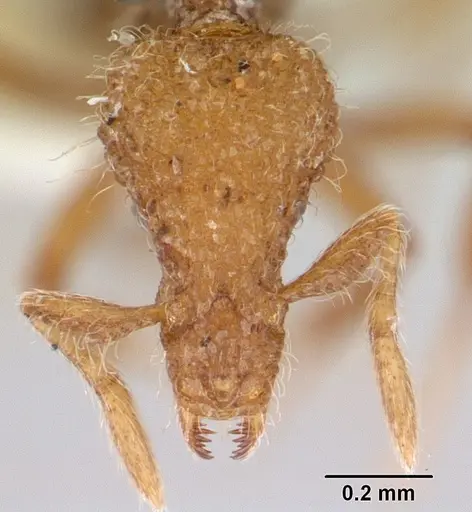
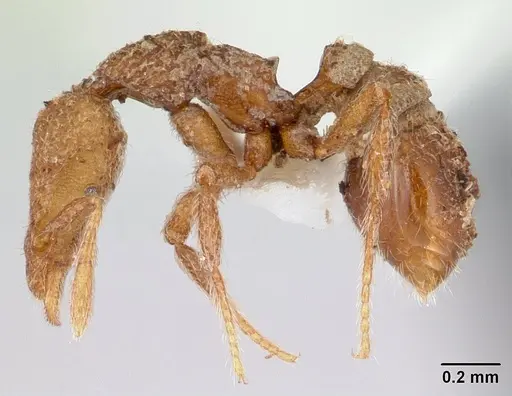
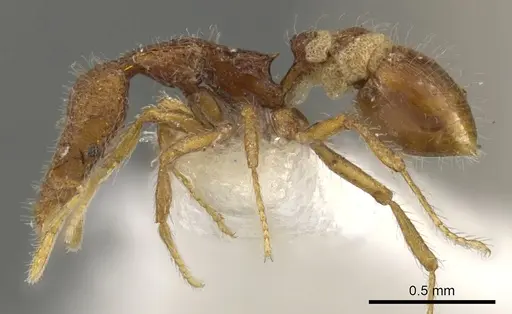
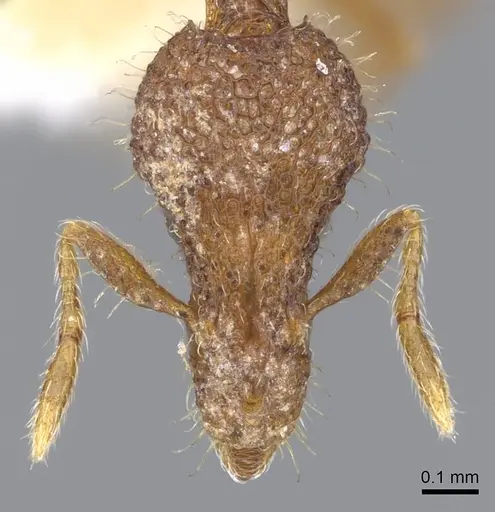
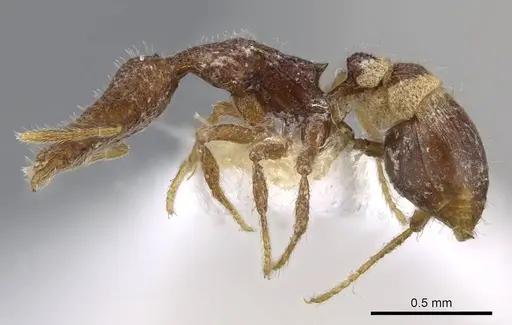
Strumigenys minkara is a tiny predatory ant native to West African forests. Workers measure just 2.4-2.6mm, making them one of the smaller ant species you'll encounter in the hobby. They have a very distinctive appearance: an unusually long and narrow head (cephalic index 54-58), relatively long antennae, and a postpetiole (the segment behind the waist) covered in strong longitudinal ridges. Their body is medium brown in color.
This species belongs to the weberi group within Strumigenys, a genus of specialized predators that hunt springtails and other tiny soil arthropods. In the wild, they live in leaf litter on the forest floor in Ghana, Ivory Coast, and Kenya [1]. Their long, narrow heads and specialized mandibles are adaptations for capturing small, fast-moving prey.
Quick Summary
- Difficulty: Hard
- Origin & Habitat: West African forests (Ghana, Ivory Coast, Kenya). Found in leaf litter on the forest floor in national parks and forest reserves[1].
- Colony Type: Single-queen colonies (monogyne). Colony size is small, likely under 100 workers based on related species patterns.
- Colony: Monogyne
- Founding: Claustral
- Size & Growth:
- Queen: Approximately 2.5mm
- Worker: 2.4-2.6mm
- Colony: Likely under 100 workers (estimated based on related Strumigenys species)
- Growth: Slow
- Development: Estimated 8-12 weeks at optimal temperature (inferred from related Strumigenys species) (Development times are not directly documented for this species. Small colony size and tropical origin suggest moderate development timeline.)
- Antkeeping:
- Temperature: Keep at 24-28°C. West African forest species require warm, stable conditions.
- Humidity: High humidity required, think damp forest floor. Keep the nest substrate consistently moist but not waterlogged. Provide a humidity gradient so ants can choose their preferred zone.
- Diapause: No, this is a tropical species that does not require hibernation.
- Nesting: Prefers naturalistic setups with moist substrate. Y-tong or plaster nests work well if kept humid. They do best in setups that mimic forest floor leaf litter conditions with plenty of micro-hiding spots.
- Behavior: Very shy and non-aggressive. These tiny ants are specialized predators that hunt springtails and other micro-arthropods. They are slow-moving and will retreat rather than fight. Escape prevention is critical, at 2.5mm, they can squeeze through remarkably small gaps. They are not defensive and pose no threat to keepers.
- Common Issues: escape prevention is critical, their tiny size means they can squeeze through standard barrier gaps, slow growth can frustrate beginners who overfeed or disturb the colony, they require live springtails or other tiny live prey, won't thrive on dead insects alone, high humidity needs can lead to mold if ventilation is poor, wild-caught colonies may have parasites that cause colony collapse
Housing and Nest Setup
Strumigenys minkara is a tiny leaf-litter ant that needs a setup mimicking the damp forest floor. A naturalistic terrarium with a moist soil layer works best, this allows them to create tiny chambers and tunnels like they would in nature. Alternatively, a Y-tong (AAC) nest or plaster nest can work if you maintain high humidity inside.
The key is providing multiple humidity zones. Place a water reservoir connected to the nest area, and use a substrate that holds moisture well without becoming waterlogged. Add lots of small hiding spots, tiny pieces of cork bark, leaf litter, or small stones give them security. A shallow water reservoir is essential since they cannot swim and can drown in deep water.
Escape prevention must be excellent. These ants are only 2.5mm and can squeeze through gaps you wouldn't believe. Use fluon on test tube rims, fine mesh on any ventilation holes, and check all seams regularly. A single drop of fluon around the rim of a test tube setup is often enough.
Feeding and Diet
Strumigenys minkara is a specialized predator that hunts tiny soil arthropods. In captivity, their primary food should be live springtails, these are the perfect size and movement pattern for their hunting behavior. They will also accept other tiny live prey like micro-arthropods, but dead insects are generally not accepted.
Feed springtails every few days, offering more as the colony grows. A well-fed colony will have workers actively hunting and carrying prey. Remove any uneaten springtails after 24-48 hours to prevent them from establishing in your setup. Some keepers report success with tiny fruit fly pieces, but live food should make up the majority of their diet.
Sugar sources are not typically accepted by Strumigenys, they are obligate predators. Do not rely on honey water or sugar water. Focus entirely on providing appropriate live prey.
Temperature and Humidity
As a West African forest species, Strumigenys minkara needs warm and humid conditions. Keep the nest area at 24-28°C, a small heating cable on one side of the setup can create a gentle gradient if your room temperature is lower. Avoid temperatures below 22°C or above 30°C.
Humidity is critical. The forest floor where they live is constantly damp. Keep the substrate moist but not waterlogged, when you squeeze a handful of substrate, it should hold together but not drip. Provide a water reservoir that the ants can access without drowning. A humidity of 70-80% in the nest area is ideal.
Monitor for mold, which thrives in these conditions. Good ventilation helps prevent mold while maintaining humidity. If mold appears, remove the affected area and reduce moisture slightly until the colony recovers.
Colony Development
Colony development is slow. A newly mated queen will seal herself in a small chamber and lay eggs. She feeds on her stored fat reserves and any prey she can catch until her first workers emerge. This first generation of workers (nanitics) will be smaller than normal workers but can already hunt.
Expect 8-12 weeks from egg to first worker at optimal temperature, though this is estimated from related species since no specific data exists for S. minkara. Once you have workers, growth remains slow, these are not fast-growing ants. A mature colony may reach 50-100 workers over several years.
Do not disturb founding colonies. Queens that are disturbed during founding often abandon or eat their brood. Keep the setup dark and quiet for the first few months.
Behavior and Temperament
Strumigenys minkara is an extremely docile ant. They have no sting and pose no threat to keepers. When threatened, they simply retreat rather than showing any defensive behavior. This makes them safe to handle, though their tiny size makes handling impractical.
They are not aggressive toward other ants and should be kept away from larger species that might prey on them. Within the colony, they are peaceful and organized. Workers hunt individually rather than in groups, using their specialized mandibles to capture springtails and other tiny prey.
Their slow, deliberate movements can be fascinating to watch. A well-established colony will have workers patrolling the substrate, hunting for prey, and caring for brood. They are not showy ants, but their specialized hunting behavior is interesting for keepers who enjoy observing natural predator-prey interactions.
Frequently Asked Questions
How long does it take for Strumigenys minkara to produce first workers?
Expect 8-12 weeks from egg to first worker at optimal temperature (24-28°C). This is estimated from related Strumigenys species since specific development data is not available for this species. Founding is slow, do not disturb the queen during this period.
What do Strumigenys minkara ants eat?
They are specialized predators that need live springtails as their primary food. They will hunt and consume tiny soil arthropods. Dead insects are generally not accepted. Do not rely on sugar sources, they are obligate predators on live prey.
Can I keep Strumigenys minkara in a test tube?
Yes, a test tube setup can work for founding colonies. Keep the water reservoir filled and maintain high humidity around the tube. However, you must use excellent escape prevention, these tiny ants can squeeze through standard gaps. Apply fluon to the rim and use fine mesh over any ventilation.
Do Strumigenys minkara ants need hibernation?
No, this is a tropical West African species that does not require hibernation. Keep them warm year-round at 24-28°C. Do not expose them to cold temperatures.
Are Strumigenys minkara good for beginners?
No, this species is considered difficult. Their tiny size makes housing and escape prevention challenging. They require live springtails, which are harder to maintain than standard ant foods. Their slow growth can also be frustrating. We recommend starting with easier species first.
How big do Strumigenys minkara colonies get?
Based on related species, colonies likely reach 50-100 workers at maturity. This is a small colony size compared to many common ant species. Growth is slow, taking several years to reach full size.
Why are my Strumigenys minkara dying?
Common causes include: escape (they are tiny and can slip through small gaps), mold from excessive moisture, lack of live springtail prey, temperatures below 22°C, or disturbance during founding. Check each of these factors and adjust accordingly. Wild-caught colonies may also carry parasites.
When should I move Strumigenys minkara to a formicarium?
Wait until the colony has at least 20-30 workers and is actively foraging. Moving too early can stress the colony. A naturalistic setup with moist substrate is often better than a traditional formicarium for this species.
Can I keep multiple Strumigenys minkara queens together?
This species is likely monogyne (single-queen) based on related species patterns. Combining unrelated queens is not recommended and has not been documented. Stick to one queen per colony.
References

This caresheet is licensed under CC BY-SA 4.0 .
CASENT0102549
View on AntWeb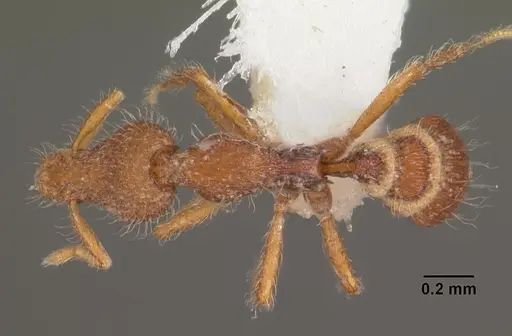
CASENT0178315
View on AntWeb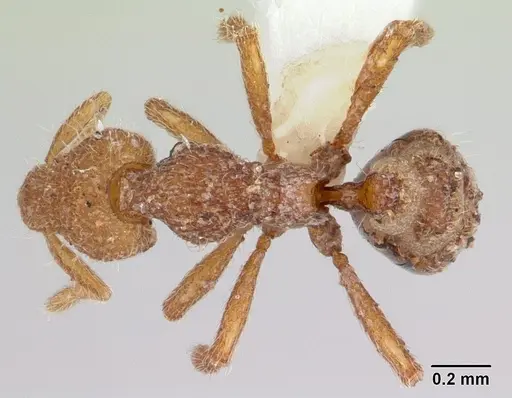
CASENT0900084
View on AntWeb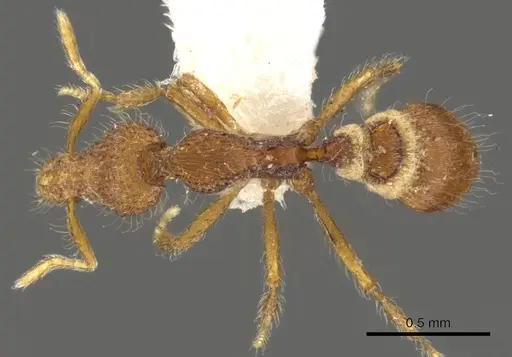
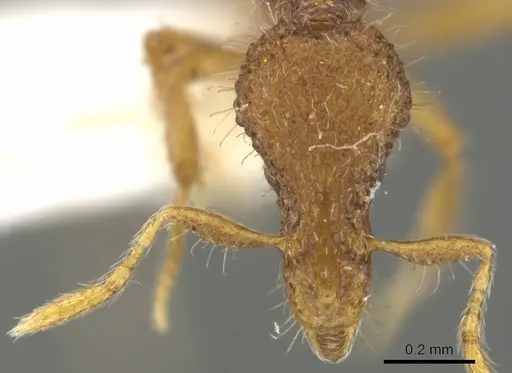
CASENT0914721
View on AntWeb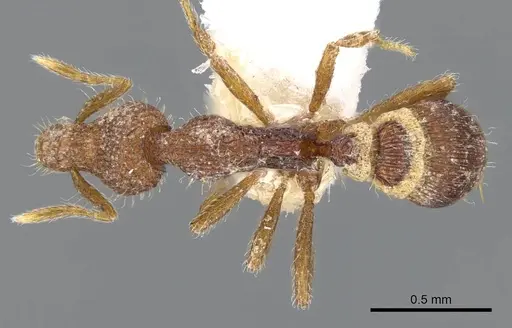
Literature
Loading...Loading products...