

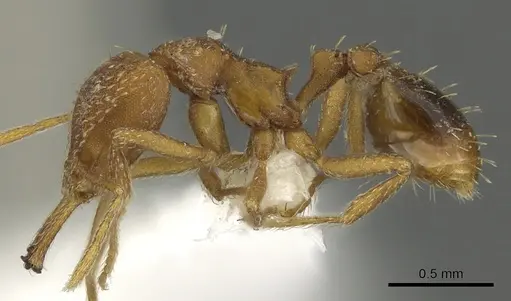
Strumigenys milae
- Scientific Name
- Strumigenys milae
- Tribe
- Attini
- Subfamily
- Myrmicinae
- Author
- Fisher, 2000
- Distribution
- Found in 1 countries
Strumigenys milae Overview
Strumigenys milae is an ant species of the genus Strumigenys. It is primarily documented in 1 countries , including Madagascar. Detailed taxonomic data and occurrence records can be further explored via authoritative databases such as AntWeb or the Global Biodiversity Information Facility (GBIF).
Strumigenys milae
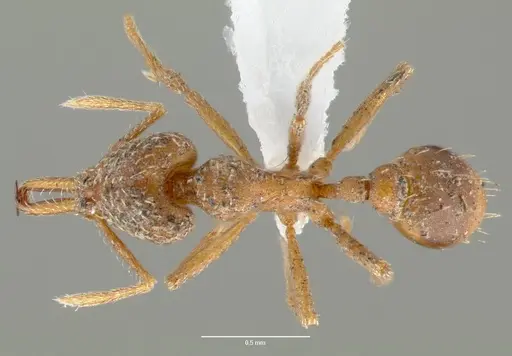
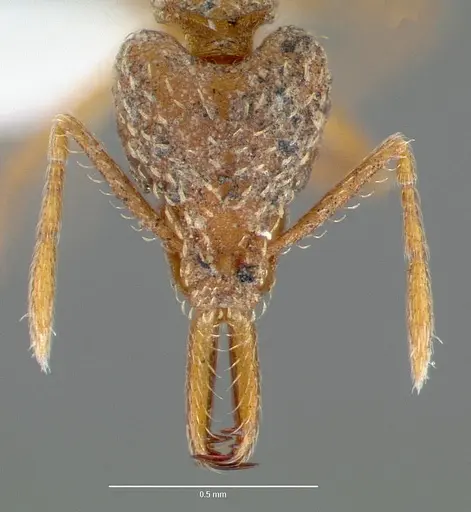
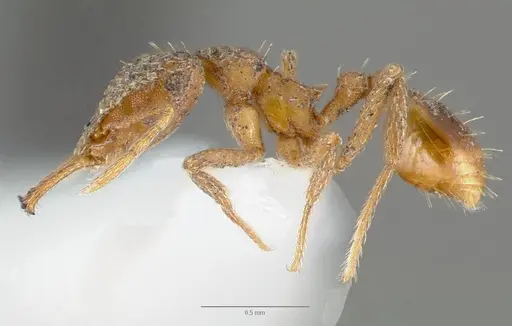
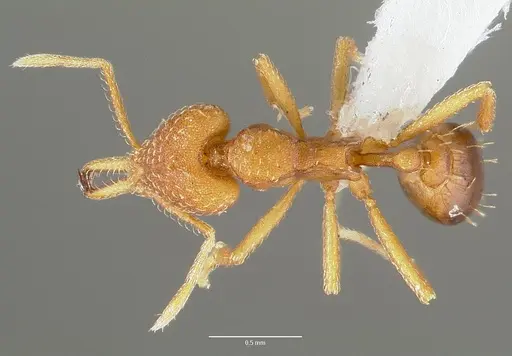
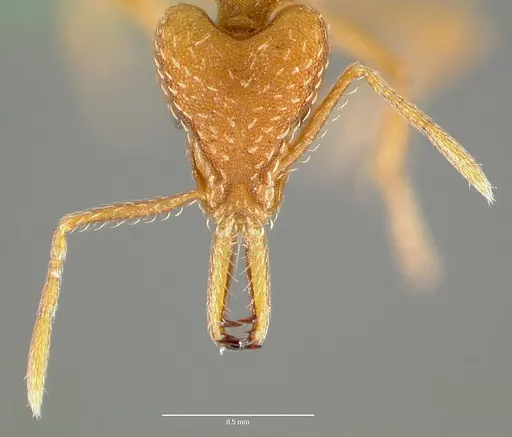
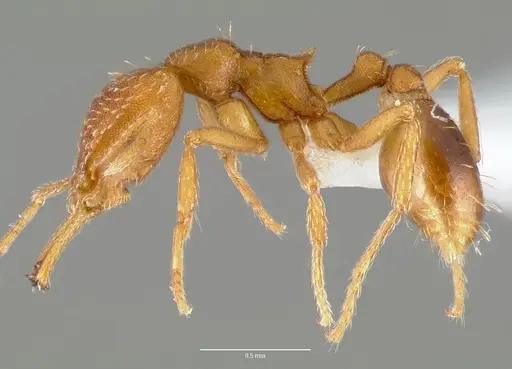
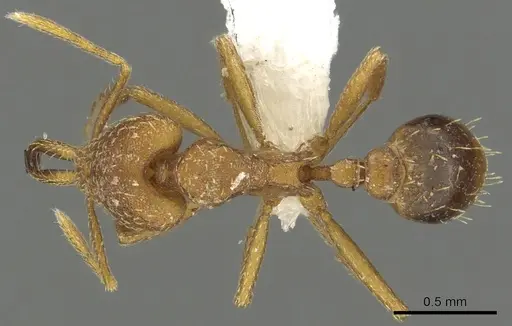
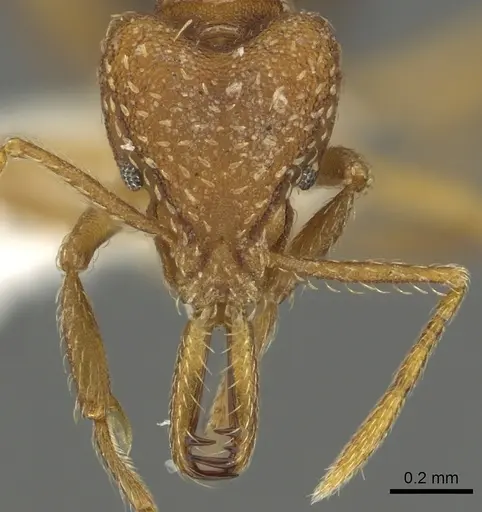
Strumigenys milae is a tiny trap-jaw ant endemic to the high plateau grasslands of Madagascar. These ants are part of the dacetine tribe, known for their specialized spring-loaded mandibles that can snap shut at incredible speeds to capture prey. Workers are minute, typically measuring just 2-3mm, with distinctive elongated mandibles lined with teeth. The genus Strumigenys contains over 300 species worldwide, all of which are specialized predators that hunt small arthropods like springtails in leaf litter. This particular species was discovered through litter sifting in Madagascar's grassland sites, indicating it lives deep within the forest-floor ecosystem where humidity stays high and temperatures remain stable [1].
Quick Summary
- Difficulty: Medium
- Origin & Habitat: Endemic to the high plateau grasslands of Madagascar. In the wild, they live in leaf litter and soil within grassland ecosystems at elevation [1].
- Colony Type: Colony structure is unconfirmed. Based on typical Strumigenys patterns, they likely form small colonies with a single queen.
- Size & Growth:
- Queen: Estimated 3-4mm based on genus patterns
- Worker: Estimated 2-3mm based on genus patterns
- Colony: Likely small, Strumigenys colonies typically reach only 50-200 workers
- Growth: Slow
- Development: Estimated 8-12 weeks based on related species (Development is slow, these are cryptobiotic ants that prioritize colony longevity over rapid growth)
- Antkeeping:
- Temperature: Keep at 22-26°C. As a Madagascar species, they prefer warm but stable conditions. Avoid temperature fluctuations.
- Humidity: High humidity is essential, these are leaf-litter ants that need 70-85% humidity. Keep the nest substrate consistently moist but not waterlogged.
- Diapause: Likely minimal or no true diapause. Madagascar has mild seasonal variation, so they may remain active year-round with slightly reduced winter activity.
- Nesting: Use a naturalistic setup with fine substrate (like a mixture of soil and coco fiber) or a Y-tong nest with tight chambers. They prefer dark, confined spaces similar to their natural leaf-litter habitat.
- Behavior: These ants are shy and cryptic. Workers forage individually through leaf litter, using their trap-jaw mandibles to capture tiny prey. They are not aggressive and will flee rather than fight. Escape prevention is critical due to their very small size, they can squeeze through remarkably tiny gaps. They are slow-moving and spend most of their time hidden in the nest or foraging in covered areas.
- Common Issues: escape prevention is critical, their tiny size means they can slip through gaps invisible to the naked eye, colonies grow very slowly, which can frustrate beginners who expect visible progress, they require live prey, dead food is typically ignored as they are obligate predators, high humidity needs can lead to mold if ventilation is poor, wild-caught colonies may have parasites that can wipe out the colony in captivity
Housing and Nest Setup
Strumigenys milae requires a setup that mimics their natural leaf-litter habitat. A naturalistic terrarium with a deep substrate layer (at least 3-4cm) works well, use a mixture of coco fiber, peat moss, and fine sand to retain moisture while allowing burrowing. Alternatively, a Y-tong (AAC) nest with very narrow chambers can work, but ensure the chambers are appropriately sized for their tiny bodies. The key is providing darkness and confined spaces, these ants are cryptobiotic and prefer to stay hidden. Include pieces of leaf litter, moss, or small hiding spots on the surface. A water reservoir connected to the nest helps maintain humidity without flooding. Cover any ventilation holes with fine mesh, these ants are incredibly small and can escape through standard ant farm barriers [1].
Feeding and Diet
Strumigenys milae is an obligate predator that requires live prey. Their primary food source in the wild is springtails (Collembola) and other tiny arthropods found in leaf litter. In captivity, you must culture a steady supply of springtails, this is non-negotiable for keeping this species successfully. You can also offer other small live prey like fruit flies, newly hatched crickets, and tiny isopods. They will not accept dead prey or sugar sources, their hunting instinct is specifically triggered by movement. Feed small prey items every 2-3 days, adjusting based on colony size. A well-fed colony will have workers that actively patrol the foraging area, while an underfed colony will stay hidden.
Temperature and Humidity
As a Madagascar highland species, Strumigenys milae prefers warm and humid conditions. Maintain temperatures between 22-26°C, avoid going below 20°C or above 28°C. A heating cable on one side of the nest creates a gentle gradient that allows ants to thermoregulate. Humidity is critical: aim for 70-85% relative humidity within the nest. The substrate should feel consistently damp but never waterlogged. Use a moisture meter or simply observe, if condensation constantly forms on the nest walls, humidity is too high, if the substrate surface dries within hours of misting, it's too low. Place the setup away from direct sunlight and air conditioning vents to avoid temperature swings. [1]
Behavior and Colony Dynamics
This species is not for keepers who want active, visible ants. Strumigenys milae is cryptic by nature, workers spend most of their time hidden in the nest or moving slowly through leaf litter. When they detect prey, they use their specialized trap-jaw mandibles to capture it in a lightning-fast snap. Colonies grow slowly, with new workers hatching one or two at a time rather than in batches. The queen is reclusive and rarely seen once the colony is established. Do not disturb the nest frequently, these ants are stress-sensitive and may abandon broods if disrupted. Their small colony size and slow growth mean this is a species for patient keepers who enjoy observing subtle behaviors.
Growth and Development
Expect slow growth from this species. A newly mated queen will seal herself in a small chamber and lay her first eggs, raising them to nanitic (first worker) size entirely on her own. This founding phase can take 2-3 months. After the first workers emerge, growth remains gradual, expect the colony to reach 10-20 workers in the first year under good conditions. Strumigenys colonies prioritize longevity over rapid expansion. A mature colony may contain 50-200 workers, which is considered large for this genus. Patience is essential, forcing growth by overheating or overfeeding typically leads to colony collapse.
Frequently Asked Questions
How long does it take for Strumigenys milae to produce first workers?
Expect 8-12 weeks from egg to first worker at optimal temperature (24-26°C). The founding queen will seal herself in and raise the first brood alone, so be patient and resist the urge to check on her frequently.
What do Strumigenys milae ants eat?
They are obligate predators that require live prey. Culture a steady supply of springtails, this is their primary food in the wild. You can also offer tiny fruit flies, newly hatched crickets, and small isopods. They will not accept dead food or sugar.
Can I keep Strumigenys milae in a test tube setup?
A test tube can work for founding colonies, but you must use excellent escape prevention, their tiny size allows them to squeeze through gaps invisible to the eye. Transfer to a naturalistic setup or properly sealed Y-tong nest once the colony reaches 10+ workers.
Are Strumigenys milae good for beginners?
No, this species is not recommended for beginners. They require live prey culture, very high humidity, excellent escape prevention, and extreme patience due to slow growth. Start with easier species like Lasius or Tetramorium before attempting Strumigenys.
How big do Strumigenys milae colonies get?
Colonies remain small, typically 50-200 workers at maturity. This is normal for the genus. Do not expect large, bustling colonies like you would see with Lasius or Camponotus.
Do Strumigenys milae need hibernation?
Probably not. As a Madagascar species from the high plateau, they experience mild seasonal variation rather than cold winters. Keep them at normal temperatures year-round (22-26°C) with slightly reduced activity in winter months.
Why are my Strumigenys milae dying?
Common causes include: escape through tiny gaps (check your barriers), starvation due to lack of live prey, humidity too low (they need constant moisture), or disturbance from frequent nest checks. Also check for parasites, wild-caught colonies often carry mites or other parasites.
When should I move Strumigenys milae to a formicarium?
Wait until the colony has at least 15-20 workers and is actively foraging. A naturalistic setup with moist substrate works better than dry acrylic nests. Transfer only when the test tube or founding setup becomes cramped.
Can I keep multiple Strumigenys milae queens together?
Not recommended. Combining unrelated queens has not been documented for this species and typically results in fighting. Start with a single founding queen for best success.
References

This caresheet is licensed under CC BY-SA 4.0 .
Literature
Loading...Loading products...