

Strumigenys microthrix
- Scientific Name
- Strumigenys microthrix
- Tribe
- Attini
- Subfamily
- Myrmicinae
- Author
- Kempf, 1975
- Distribution
- Found in 4 countries
Strumigenys microthrix Overview
Strumigenys microthrix is an ant species of the genus Strumigenys. It is primarily documented in 4 countries , including Costa Rica, Honduras, Mexico. Detailed taxonomic data and occurrence records can be further explored via authoritative databases such as AntWeb or the Global Biodiversity Information Facility (GBIF).
Strumigenys microthrix - "Trap-jaw Ant"
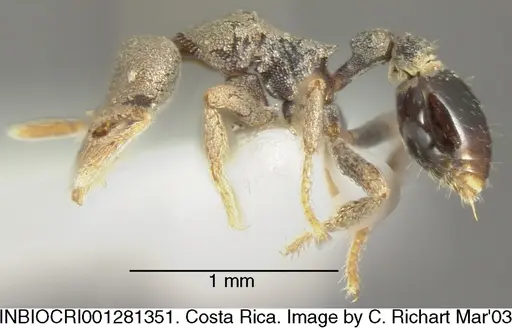
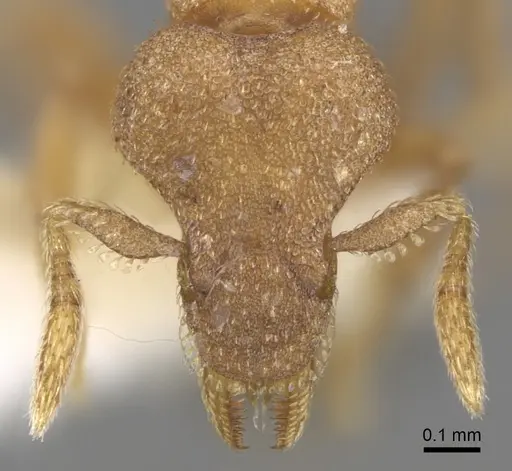
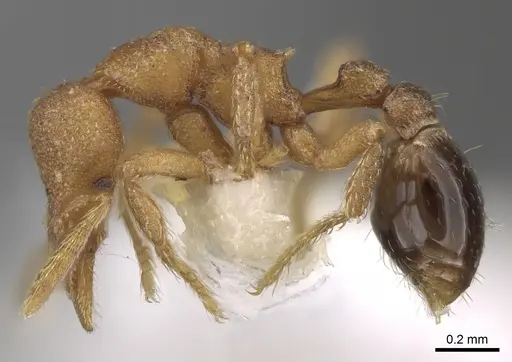
Strumigenys microthrix is a fascinating, tiny ant species known for its specialized trap-jaw mandibles, which can snap shut at incredible speeds to capture prey. These ants are generally small, ranging in color from brownish-yellow to almost blackish-brown. They are a cryptic species, meaning they are often hard to spot in their natural habitat due to their small size, slow movement, and camouflaged coloration. When disturbed, workers often 'freeze' and remain motionless. Unlike many other ant species, males are rarely observed in a large majority of Strumigenys species.
- Difficulty: Medium
- Origin & Habitat: Neotropical region, primarily Costa Rica, with a latitudinal range of approximately 9.48° to 16.97°. in Mature wet forest habitats, specifically found in leaf litter and humus on the forest floor. They prefer moist, warm micro-habitats, and can also be found in rotten sticks..
- Colony Type: Monogyne (single queen) or Polygyne (multiple queens). While many Strumigenys species are monogyne, some species can have multiple queens., claustral, though queens may require live prey during founding. some strumigenys species are temporary social parasites, but s. microthrix is not noted as such. founding.
- Size & Growth:
- Queen: 2.2-2.7mm
- Worker: 2.2-2.7mm
- Colony: Small (typically less than 100 individuals, though some Strumigenys species can reach hundreds).. Slow growth.
- Antkeeping:
- Temperature: Ideal temperature range is between 22°C and 26°C. Consistent warmth is important as they prefer moist, warm micro-habitats..
- Humidity: High humidity levels are crucial, ideally between 60-80%. Their natural habitat is moist leaf litter in wet forests, so maintaining stable humidity is vital for their well-being..
- Diapause: Not required. Not specified at Not specified.
- Nesting: Small formicariums with easy-to-access chambers are recommended. They naturally nest in soil, leaf litter, decaying wood, or opportunistically use pre-existing cavities..
- Behavior: Low (primarily towards prey, defensive when disturbed). They can sting if agitated, using it to immobilize prey. aggressiveness.
- Common Issues: Difficulty in providing specialized diet (springtails), Maintaining consistent high humidity, Colony stalling due to inadequate prey or humidity, Mold in nest from excessive moisture without ventilation.
Keeping Strumigenys microthrix can be a rewarding experience for dedicated antkeepers, but they do present some unique challenges. Their specialized diet and need for consistent, high humidity mean they aren't the best choice for absolute beginners. These tiny hunters thrive on small live prey, especially springtails, which mimic their natural foraging habits in the leaf litter. Offering a steady supply of these tiny arthropods is paramount to their success in a formicarium, as they rarely practice trophallaxis and larvae feed directly on insect prey.
One of the most captivating aspects of Strumigenys microthrix is their incredible 'trap-jaw' mandibles. These mandibles are not just for show; they are a highly evolved hunting tool, snapping shut with impressive speed to ambush small soil arthropods like springtails and micro-crickets. Observing this unique hunting behavior in your outworld can be truly fascinating. Due to their cryptic nature and small size, you might not see them out foraging often, but when they do, it's a spectacle.
Their preference for moist, warm micro-habitats cannot be overstated. Replicating the conditions of a wet forest floor is key to a thriving colony. This means consistently monitoring and adjusting humidity levels within their formicarium. Neglecting humidity can quickly lead to issues, as these ants are sensitive to dry conditions. A good nest setup will allow for a humidity gradient, giving the ants options to find their preferred spot.
Colony growth for Strumigenys microthrix tends to be on the slower side, and their overall colony size remains relatively small, usually under 100 individuals. This makes them ideal for antkeepers who appreciate smaller, more intimate colonies and can provide precise care. Don't expect a booming metropolis overnight; patience is definitely a virtue when keeping these delicate trap-jaw ants.
Founding a new Strumigenys microthrix colony from a queen can be particularly challenging. While queens are claustral, they often require live prey, like springtails, even during the founding stage to successfully rear their first brood. This differs from many other claustral species that can sustain themselves solely on their reserves until the first workers emerge. Providing this crucial initial food source is often the difference between success and failure.
Frequently Asked Questions
What do Strumigenys microthrix ants eat?
Strumigenys microthrix are specialized predators. Their primary diet consists of tiny, soft-bodied arthropods, especially springtails (Collembola) and micro-crickets. It's crucial to provide them with live prey that is small enough for their trap-jaw mandibles to handle.
Are Strumigenys microthrix difficult to keep?
Yes, Strumigenys microthrix are considered moderately difficult to keep. Their specific dietary needs and high humidity requirements make them a bit more challenging than common beginner species. They are better suited for antkeepers with some experience.
What kind of nest is best for Strumigenys microthrix?
A small formicarium that allows for consistent high humidity is ideal. Nests that mimic their natural leaf litter and soil environment, such as setups with substrate or even a test tube setup with soil, are often recommended. Look for nests with easy-to-access chambers and a suitable foraging area.
How large do Strumigenys microthrix colonies get?
Strumigenys microthrix colonies are relatively small, typically consisting of fewer than 100 individuals. Some Strumigenys species can grow to several hundred, but S. microthrix tends to stay on the smaller side.
Do Strumigenys microthrix sting?
Yes, Strumigenys microthrix can sting. They use their sting to immobilize their prey after capturing it with their trap-jaw mandibles. While their sting is effective for their prey, it's generally not a significant threat to humans due to their small size.
Do Strumigenys microthrix need diapause?
Strumigenys microthrix are primarily found in tropical wet forest environments, which do not typically experience a cold season. Therefore, they do not require a diapause period. Consistent warm temperatures and high humidity are preferred year-round.
What is the natural habitat of Strumigenys microthrix?
Strumigenys microthrix thrives in mature wet forest habitats, specifically in the leaf litter and humus layers of the forest floor. They prefer moist, warm micro-habitats and are often found under rotten sticks.
How do Strumigenys microthrix hunt?
Strumigenys microthrix are ambush predators. They utilize their specialized trap-jaw mandibles, which snap shut rapidly, to seize and capture small, fast-moving prey like springtails.
Are Strumigenys microthrix queens claustral or semi-claustral?
Strumigenys microthrix queens are considered claustral, meaning they seal themselves off to found a colony. However, unlike many other claustral species, they often require live prey, such as springtails, during this founding stage to successfully raise their first brood.
Why are my Strumigenys microthrix not growing?
Colony stalling in Strumigenys microthrix is often linked to insufficient or inappropriate food (especially a lack of live, small prey like springtails) or inadequate humidity levels. Ensure their nest humidity is consistently high and that they have a steady supply of their preferred prey.
Can I keep multiple Strumigenys microthrix queens together (pleometrosis)?
While Strumigenys microthrix are typically monogyne, some Strumigenys species can be polygynous, meaning they can have multiple queens. If you find multiple queens together and they appear to coexist peacefully, pleometrosis might be possible, but it's not a guarantee for all species within the genus. Always observe their behavior carefully if attempting to keep multiple queens.
What is the size of Strumigenys microthrix workers and queens?
Both Strumigenys microthrix workers and queens are quite small, typically ranging from 2.2 mm to 2.7 mm in total length.
Do Strumigenys microthrix have different castes like majors or soldiers?
Strumigenys microthrix primarily exhibit a basic worker caste. They do not typically have distinct major or soldier castes with significant morphological differences in size or head shape like some other ant genera.

This caresheet is licensed under CC BY-SA 4.0 .
ANTWEB1053694
View on AntWeb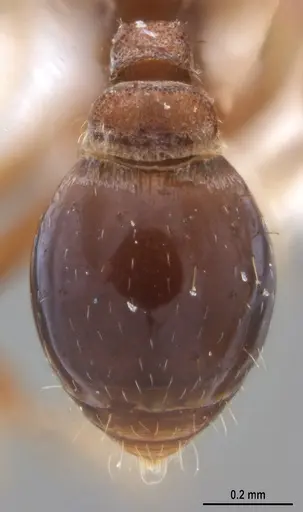
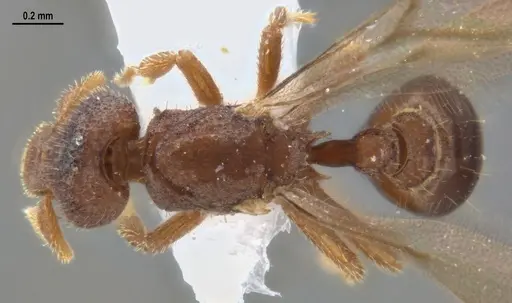
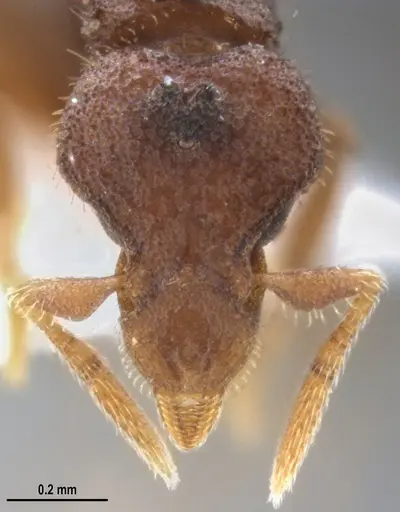
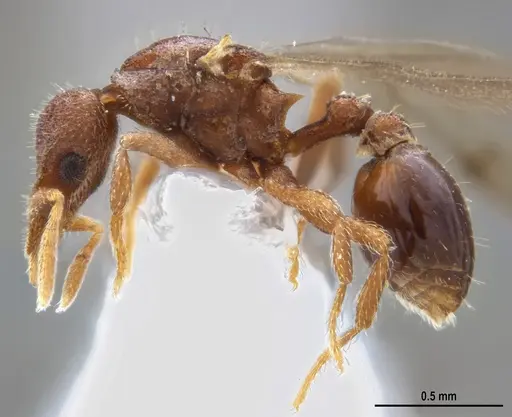
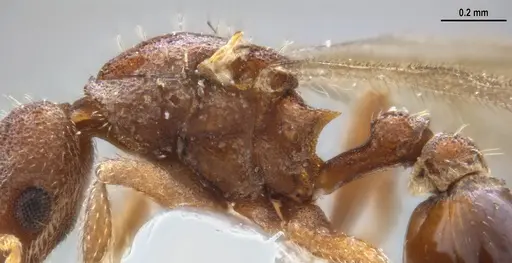
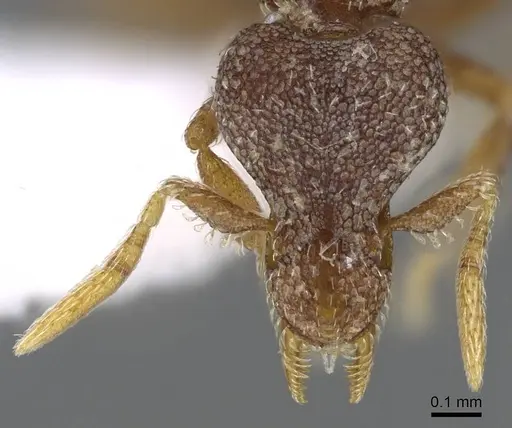
CASENT0653676
View on AntWeb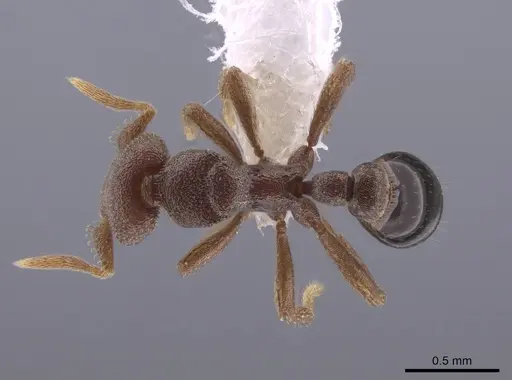
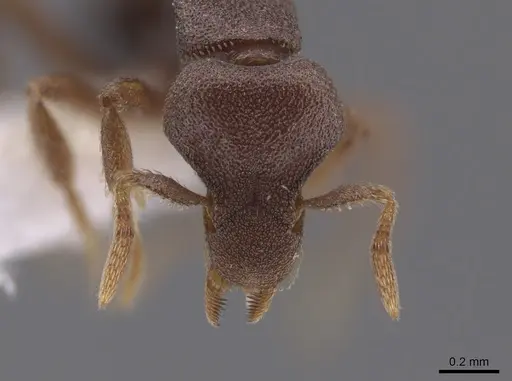
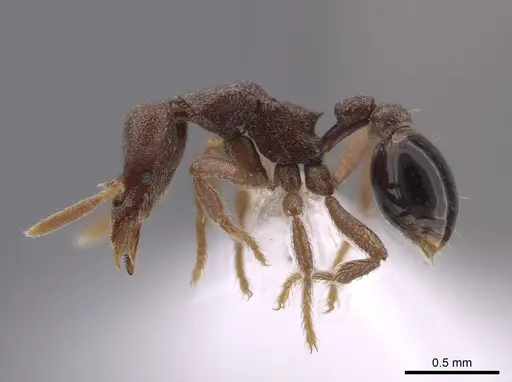
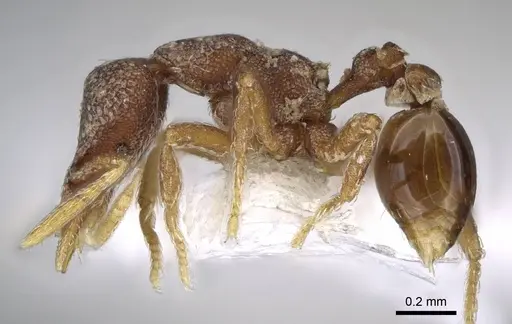
CASENT0914600
View on AntWeb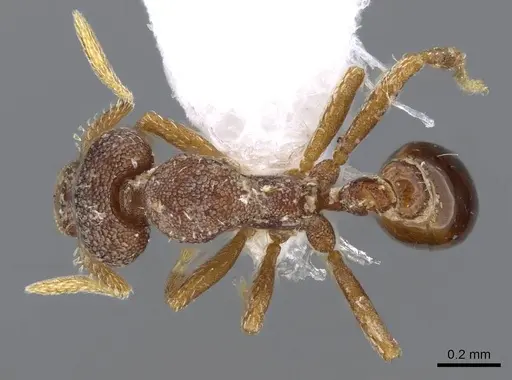
INBIOCRI001281351
View on AntWeb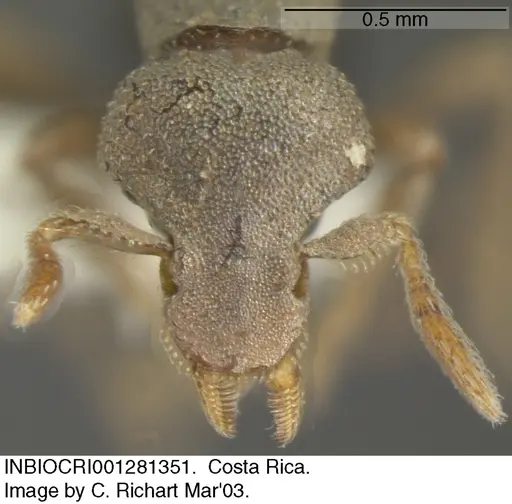
INBIOCRI001283688
View on AntWeb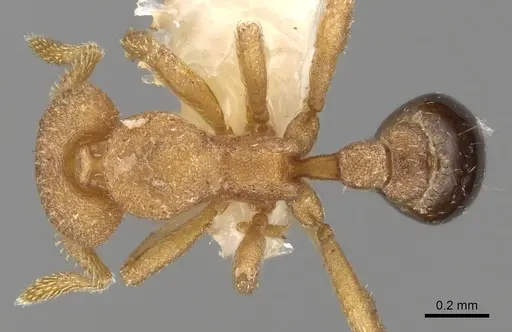
Literature
Loading...Loading products...