

Strumigenys maxillaris
- Scientific Name
- Strumigenys maxillaris
- Tribe
- Attini
- Subfamily
- Myrmicinae
- Author
- Baroni Urbani, 2007
- Distribution
- Found in 6 countries
Strumigenys maxillaris Overview
Strumigenys maxillaris is an ant species of the genus Strumigenys. It is primarily documented in 6 countries , including Madagascar, Mauritius, Mozambique. Detailed taxonomic data and occurrence records can be further explored via authoritative databases such as AntWeb or the Global Biodiversity Information Facility (GBIF).
Strumigenys maxillaris
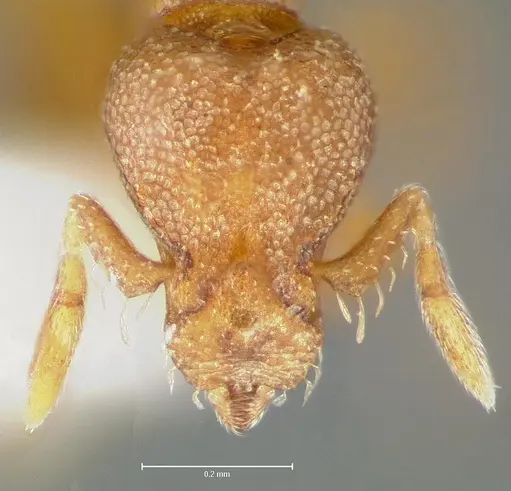
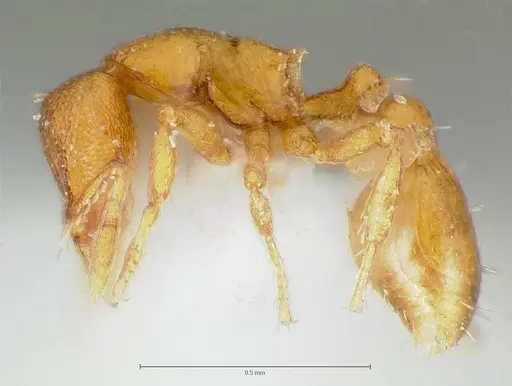
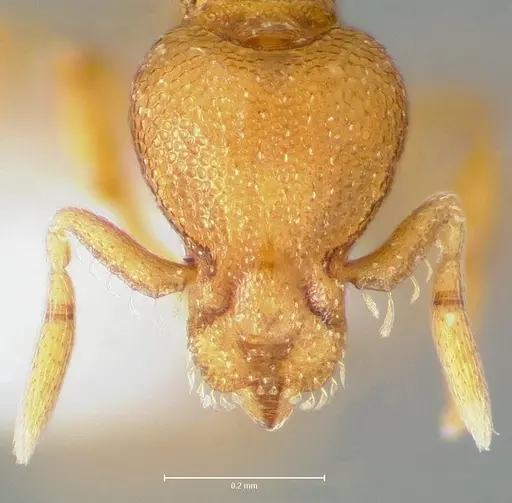
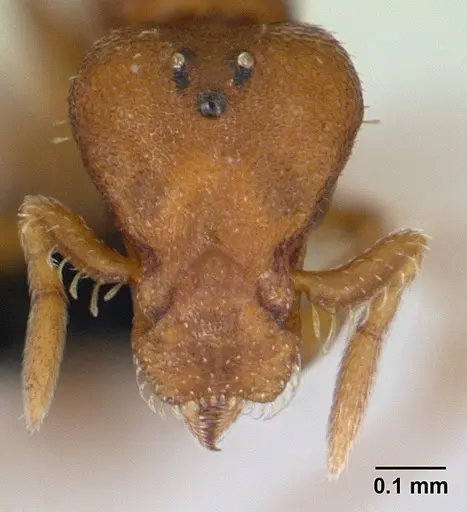
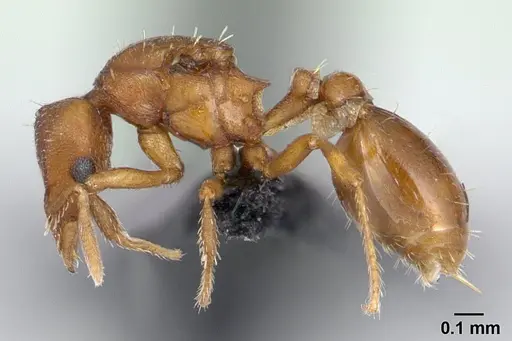
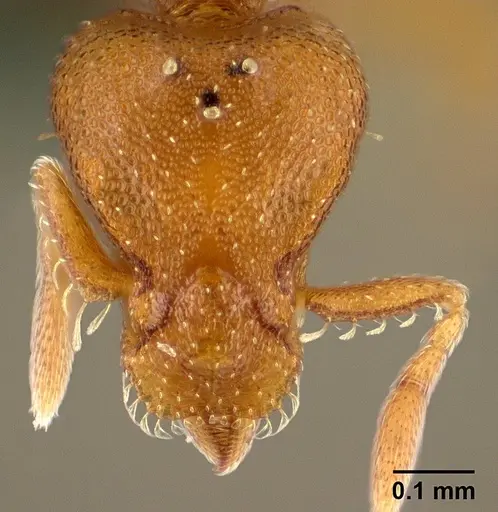
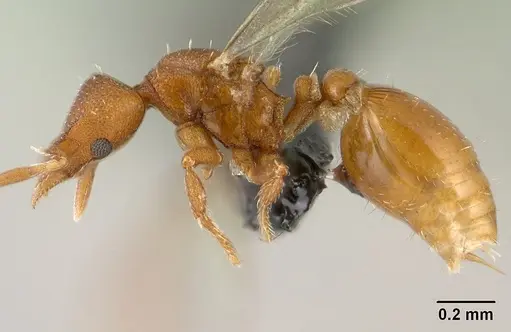
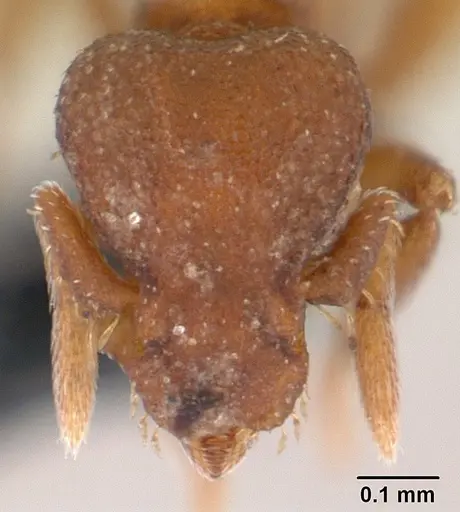
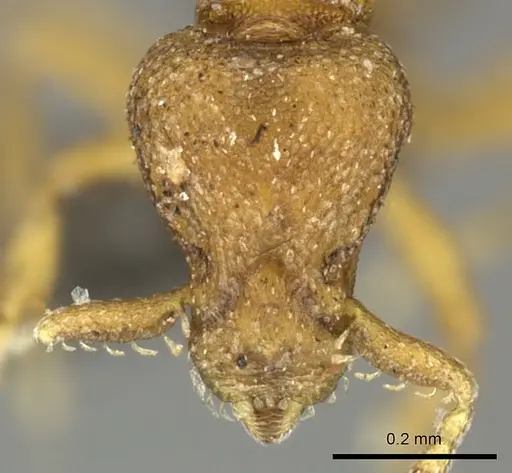
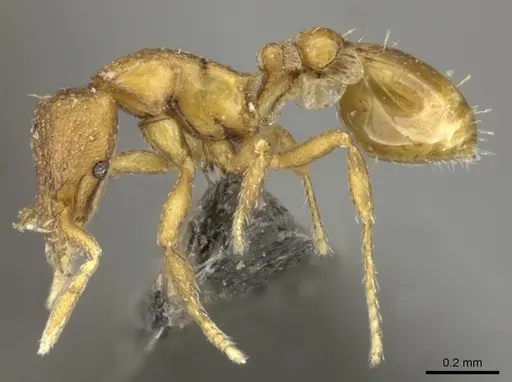
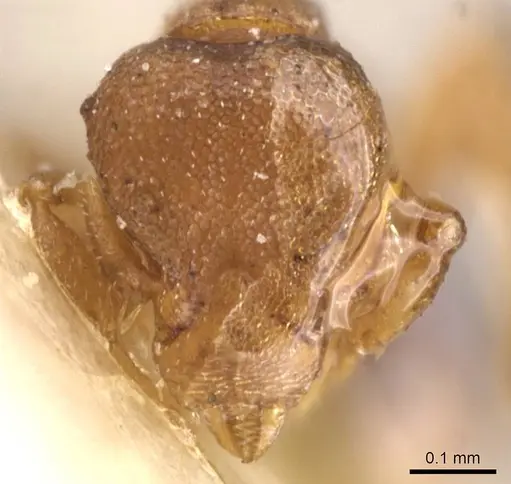
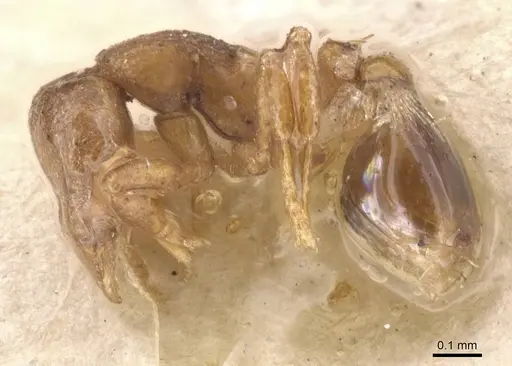
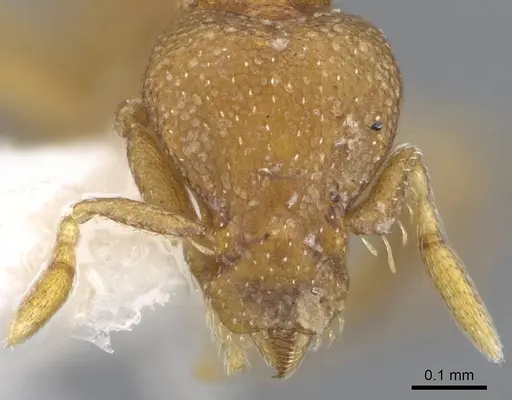
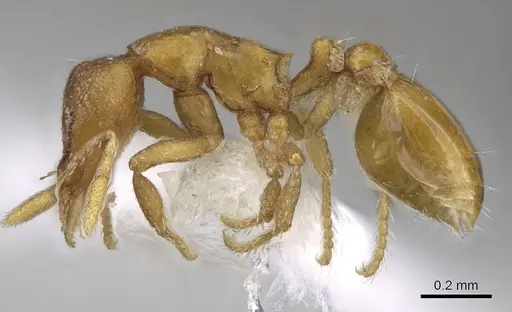
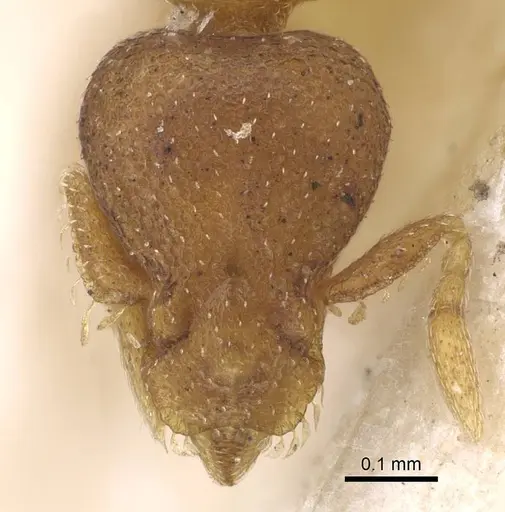
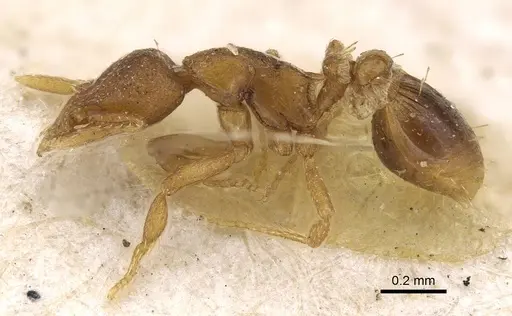
Strumigenys maxillaris is a tiny predatory ant belonging to the subfamily Myrmicinae and tribe Attini, known as trap-jaw ants. Workers are minute at around 2mm in length, with distinctive elongated mandibles equipped with trigger hairs for snapping shut on prey [1]. The species was originally described as Strumigenys mandibularis in 1909 but had to be renamed due to a naming conflict, becoming Strumigenys maxillaris in 2007 [2].
These ants are ground-dwelling predators found across the Afrotropical region, from South Africa and Mozambique through East Africa to Madagascar and the Comoros islands [2]. As dacetine ants, they possess specialized trap-jaw mandibles used to capture small prey, primarily springtails and other micro-arthropods in leaf litter. This makes them fascinating but challenging to keep, as they require a steady supply of tiny live prey.
Quick Summary
- Difficulty: Expert
- Origin & Habitat: Afrotropical region including South Africa, Mozambique, Kenya, Tanzania, Rwanda, Madagascar, Mayotte, and Comoros. Found in forest habitats, collected primarily through leaf litter sampling [2][3].
- Colony Type: Likely monogyne (single queen) based on typical Strumigenys patterns. Colony size is small, likely under 100 workers given their tiny size and ground-dwelling habits.
- Colony: Monogyne
- Founding: Claustral
- Size & Growth:
- Queen: Approximately 2.5-3mm (estimated based on genus patterns)
- Worker: Approximately 2mm (WL=0.43mm from specimen measurements) [1]
- Colony: Likely under 100 workers (estimated based on genus patterns for small litter-dwelling Strumigenys)
- Growth: Slow
- Development: Estimated 8-12 weeks at optimal temperature (typical for small Myrmicinae) (Development timeline not specifically documented for this species, estimate based on related Strumigenys species)
- Antkeeping:
- Temperature: Keep at 22-26°C. They prefer warm, humid forest floor conditions. A gentle heat gradient allows them to regulate temperature.
- Humidity: High humidity is essential, aim for 70-85%. These ants come from humid forest leaf litter and will desicate quickly in dry conditions. Keep the nest substrate consistently moist but not waterlogged.
- Diapause: Likely a mild diapause during dry seasons in their native range. Consider a slight temperature reduction (18-20°C) for 2-3 months during winter months if colony shows reduced activity.
- Nesting: Natural nesting occurs in leaf litter and upper soil layers. In captivity, they do well in naturalistic setups with moist substrate, or in acrylic/plaster nests with tight chambers. Provide plenty of small hiding spots and moss.
- Behavior: These are shy, slow-moving predators that rely on their trap-jaw mandibles to capture tiny prey. They are not aggressive toward humans and cannot sting. Workers forage individually through leaf litter, hunting for springtails and other micro-arthropods. Escape prevention is critical due to their tiny size, they can squeeze through extremely small gaps. They are skittish and may abandon brood if disturbed.
- Common Issues: tiny size makes escape prevention difficult, use fine mesh and tight-fitting lids, requires constant supply of live micro-prey (springtails) which is difficult to maintain, high humidity requirements make them prone to mold in poorly ventilated nests, slow growth and small colony sizes mean colonies can stagnate or decline without obvious signs, wild-caught colonies may be stressed from collection methods and fail to establish
Housing and Nest Setup
Strumigenys maxillaris requires a setup that mimics their natural leaf litter habitat. A naturalistic terrarium with moist soil, leaf litter, and moss works well. Alternatively, a compact acrylic or plaster nest with small chambers (scaled to their tiny 2mm size) and a water reservoir works. The key is maintaining high humidity while preventing stagnation. Use a hydration chamber or regular misting to keep substrate damp. Add pieces of bark, moss, or small stones to provide hiding spots and hunting grounds. Because they are so small, even standard test tube setups can work if the water reservoir is properly sized and the cotton is packed tightly to prevent flooding [2].
Feeding and Diet
These are specialized predators that require live micro-prey. Their primary food source is springtails, which should be cultured separately and added to the colony regularly. They may also accept other tiny arthropods like booklice, dust mites, and fruit fly larvae, but springtails should form the bulk of their diet. Do not offer large prey items, these ants are tiny and cannot tackle anything much bigger than themselves. Sugar sources are generally not accepted by dacetine ants as they are obligate predators. Feed every 2-3 days, removing uneaten prey to prevent mold. A well-established springtail culture is essential before acquiring this species [2].
Temperature and Seasonal Care
Maintain temperatures between 22-26°C for optimal colony health and brood development. They can tolerate brief periods at 20°C but prolonged cool conditions will slow growth and may lead to colony decline. A small heat cable on one side of the nest creates a temperature gradient they can choose from. During winter in temperate climates, a slight reduction to 18-20°C for 2-3 months may simulate their natural seasonal cycle, but this is not strictly required if kept at stable room temperature year-round. Avoid temperature fluctuations and drafts. Monitor for condensation levels, excessive condensation can indicate too much humidity, while condensation disappearing suggests drying out [2].
Behavior and Handling
Strumigenys maxillaris workers are non-aggressive and will flee rather than confront threats. They possess trap-jaw mandibles but these are designed for hunting tiny prey, not defense against larger animals. There is no sting. They are slow-moving compared to many ants and spend most of their time foraging individually through the substrate. Workers may form temporary trails to food sources but do not recruit heavily like some ant species. The colony will likely remain small (under 100 workers) even at maturity. Avoid disturbing the nest frequently as this can cause stress and abandonment of brood. These ants are best observed through the nest walls rather than handled directly [2].
Colony Establishment
Established colonies are rarely available in the antkeeping hobby, and most keepers attempt to capture a founding queen after nuptial flights. However, nuptial flight timing for this species is not well documented. If you obtain a claustral queen, she should be placed in a small test tube setup with moist cotton and kept in darkness at 24-26°C. She will seal herself in and lay eggs without foraging. The first workers (nanitics) will be very small and should be offered tiny live prey immediately upon eclosion. Growth is slow, expect 6-12 months to reach 20-30 workers. Patience is essential with this species. Wild colonies collected via litter sampling may already be stressed and difficult to maintain [2].
Frequently Asked Questions
How long does it take for Strumigenys maxillaris to produce first workers?
Expect 8-12 weeks from egg to first worker at optimal temperature (24-26°C). This is typical for small Myrmicinae species. The first workers (nanitics) will be very small and may take additional time to develop into full-sized foragers.
What do Strumigenys maxillaris ants eat?
They are obligate predators that require live micro-prey. Springtails should be their primary food, cultured separately and added to the colony regularly. They may accept other tiny arthropods like booklice, dust mites, and fruit fly larvae, but do not offer large prey items.
Can I keep Strumigenys maxillaris in a test tube?
Yes, a properly set up test tube can work. Use a small test tube with a packed cotton stop creating a water reservoir that won't flood. Keep the tube horizontally to allow the colony to move. Maintain high humidity by keeping the setup in a humid environment or using a hydration chamber.
Are Strumigenys maxillaris good for beginners?
No, this species is not recommended for beginners. Their tiny size, high humidity requirements, need for live micro-prey (springtails), slow growth, and escape-prone size make them challenging. They are best suited for experienced antkeepers who can maintain stable conditions and cultures.
How big do Strumigenys maxillaris colonies get?
Colony size is likely under 100 workers at maturity. This is typical for small litter-dwelling Strumigenys species. The colony will remain small compared to many common ant species, but this also means they require less space and food.
Do Strumigenys maxillaris need hibernation?
A mild winter rest period may be beneficial but is not strictly required. If you choose to hibernate them, reduce temperature to 18-20°C for 2-3 months during winter. This mimics their natural seasonal cycle in the humid forest floor environment.
Why are my Strumigenys maxillaris dying?
Common causes include: drying out (they require high humidity), lack of live prey (they cannot survive on sugar or dead food), escape (their tiny size allows them to slip through gaps), mold from poor ventilation, and stress from disturbance. Ensure springtail cultures are thriving and the nest maintains consistent moisture.
When should I move Strumigenys maxillaris to a formicarium?
Move them when the test tube becomes crowded or the water reservoir is depleted, typically when the colony reaches 20-30 workers. Use a naturalistic setup or a compact acrylic nest with small chambers. Ensure the new setup is pre-humidified to prevent drying during transfer.
Can I keep multiple Strumigenys maxillaris queens together?
This is not recommended. While colony structure is not well documented, Strumigenys species are typically monogyne (single queen). Combining unrelated queens has not been documented and likely results in fighting. It is best to house each queen separately during founding.
References

This caresheet is licensed under CC BY-SA 4.0 .
CASENT0005890
View on AntWeb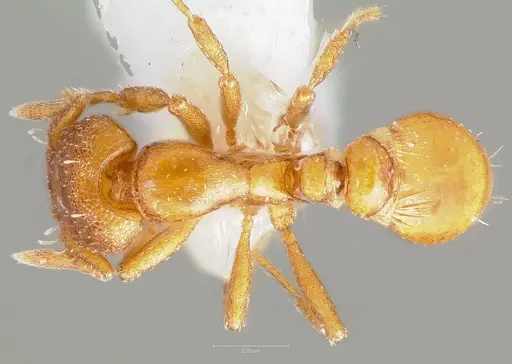
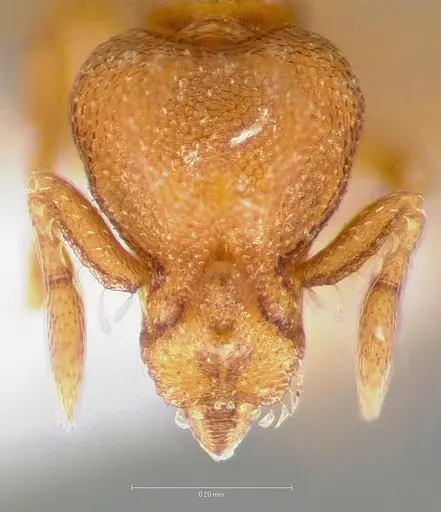
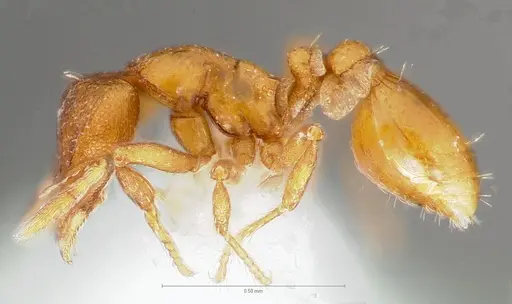
CASENT0005996
View on AntWeb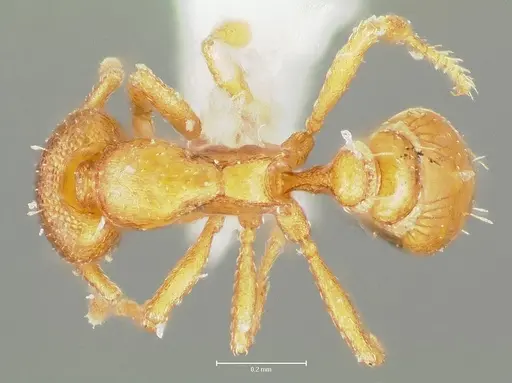
CASENT0005999
View on AntWeb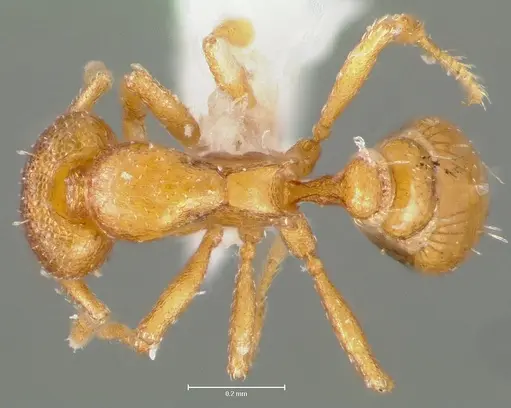
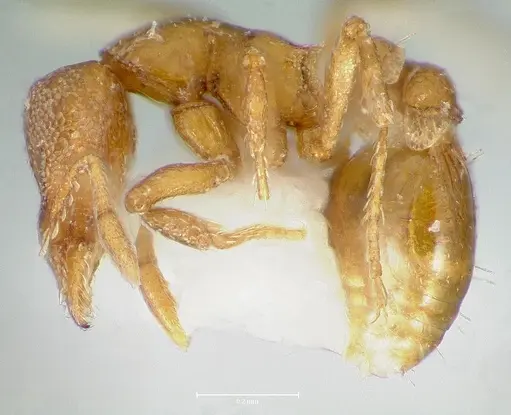
CASENT0133614
View on AntWeb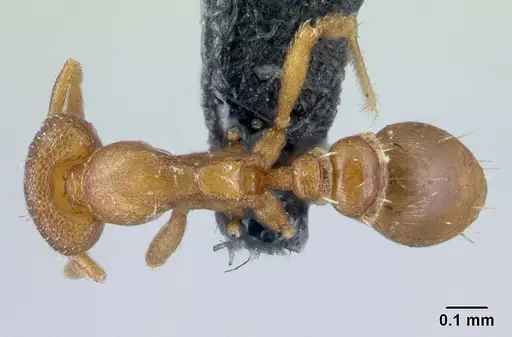
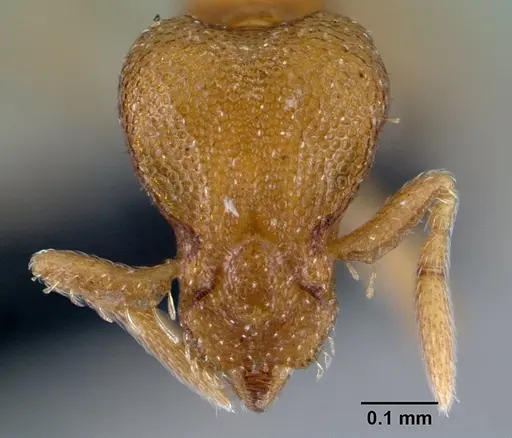
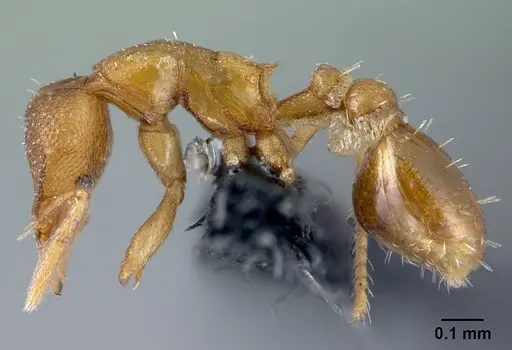
CASENT0133619
View on AntWeb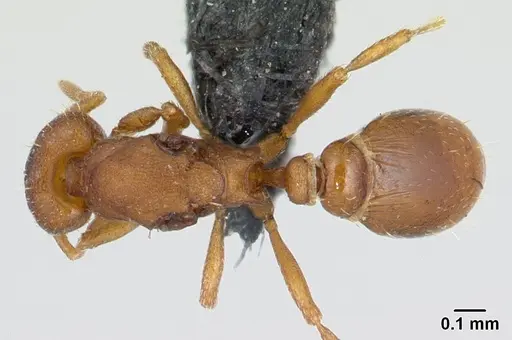
CASENT0144831
View on AntWeb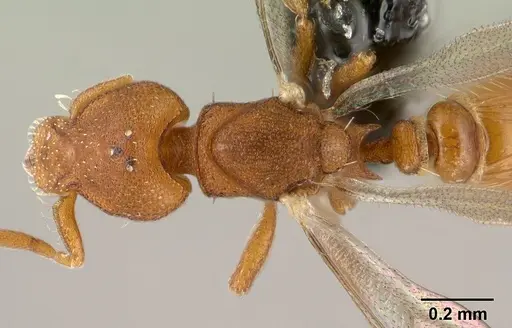
CASENT0149211
View on AntWeb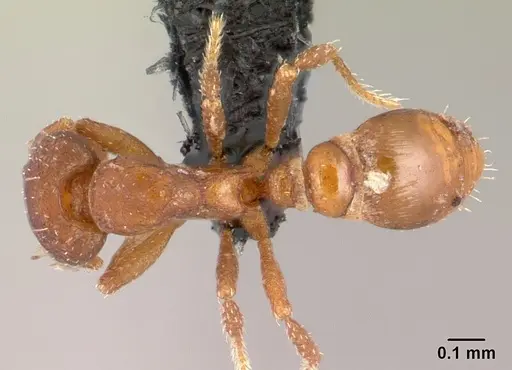
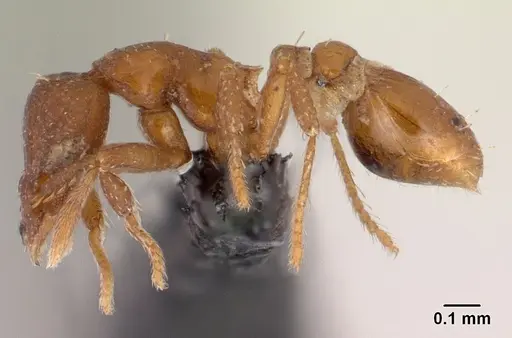
CASENT0235695
View on AntWeb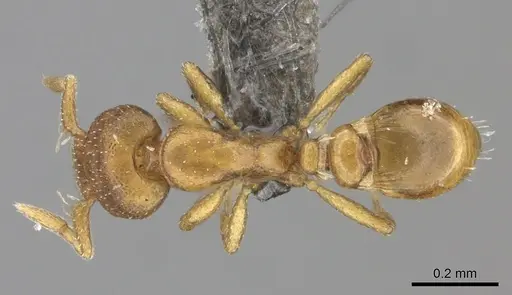
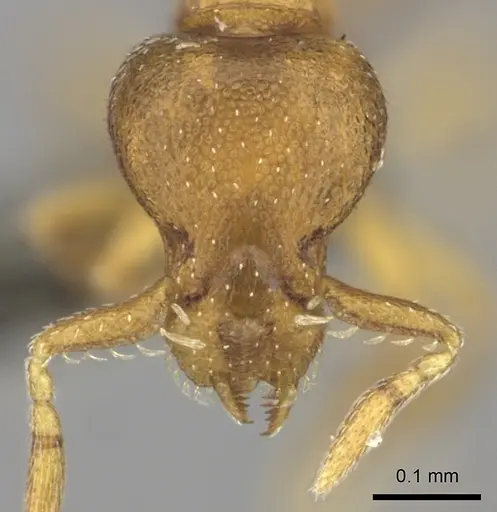
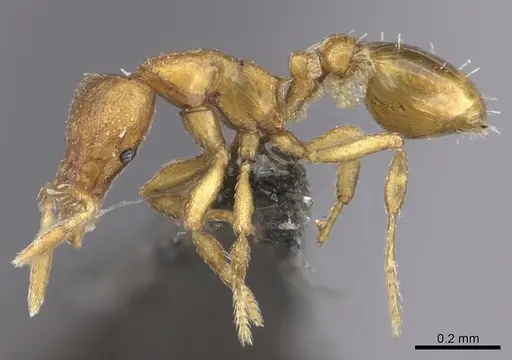
CASENT0235994
View on AntWeb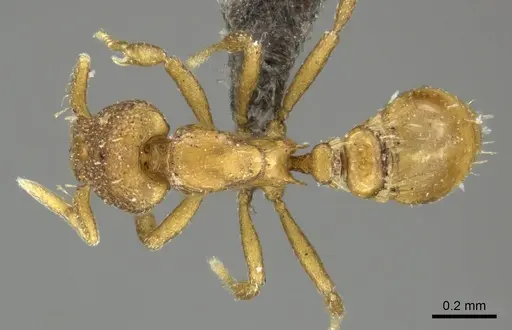
CASENT0783821
View on AntWeb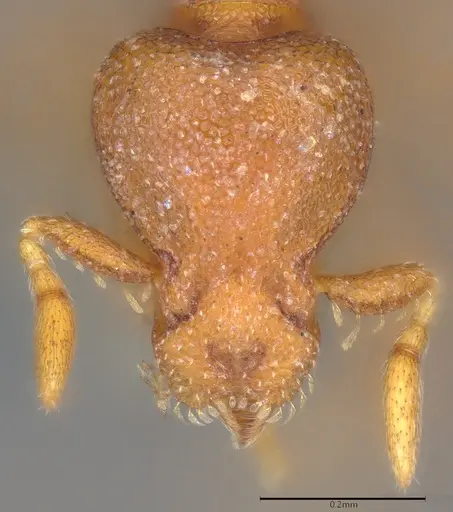
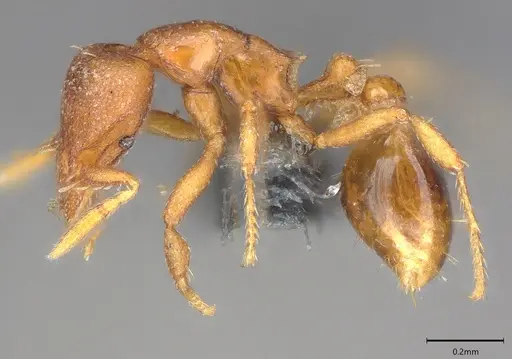
CASENT0909343
View on AntWeb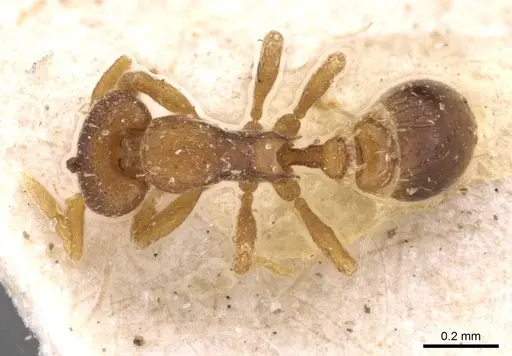
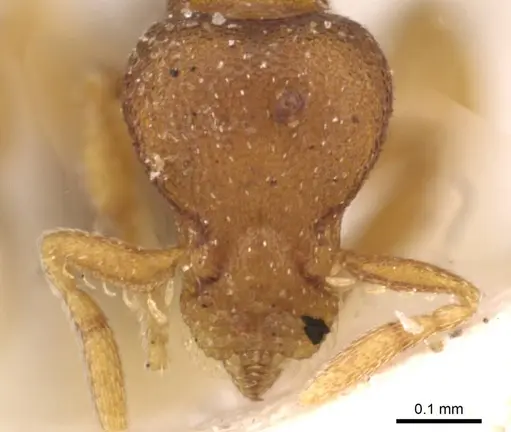
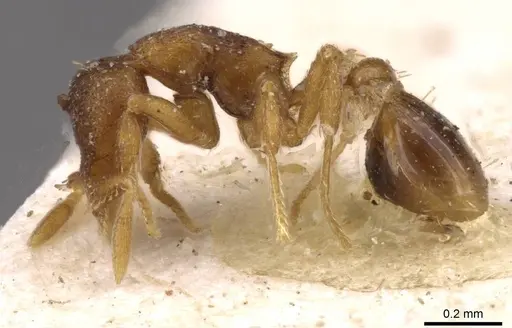
CASENT0912848
View on AntWeb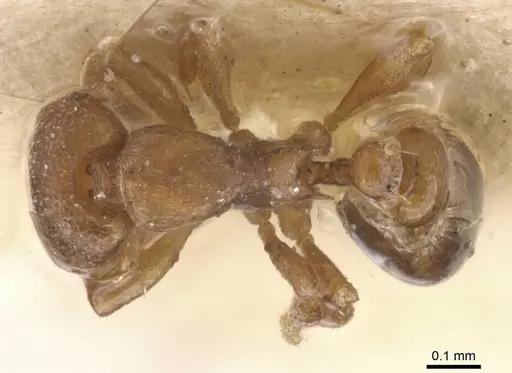
CASENT0914717
View on AntWeb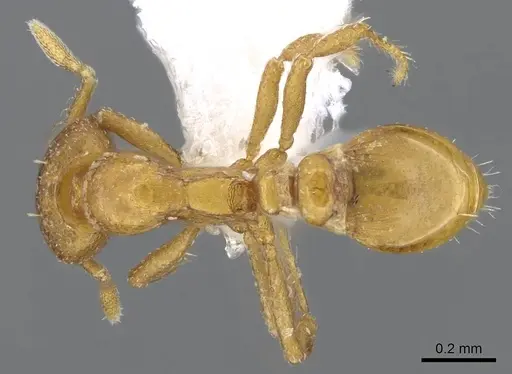
CASENT0922238
View on AntWeb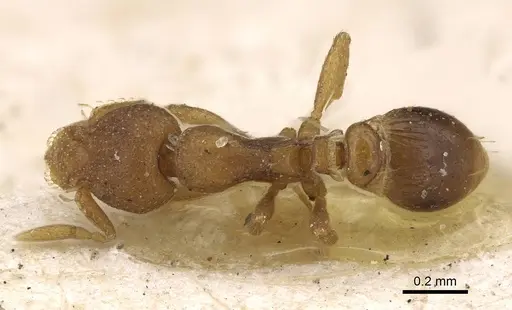
Literature
Loading...Loading products...