

Strumigenys marginiventris
- Scientific Name
- Strumigenys marginiventris
- Tribe
- Attini
- Subfamily
- Myrmicinae
- Author
- Santschi, 1931
- Distribution
- Found in 4 countries
Strumigenys marginiventris Overview
Strumigenys marginiventris is an ant species of the genus Strumigenys. It is primarily documented in 4 countries , including Colombia, Costa Rica, Honduras. Detailed taxonomic data and occurrence records can be further explored via authoritative databases such as AntWeb or the Global Biodiversity Information Facility (GBIF).
Strumigenys marginiventris - "Trap-Jaw Ant"
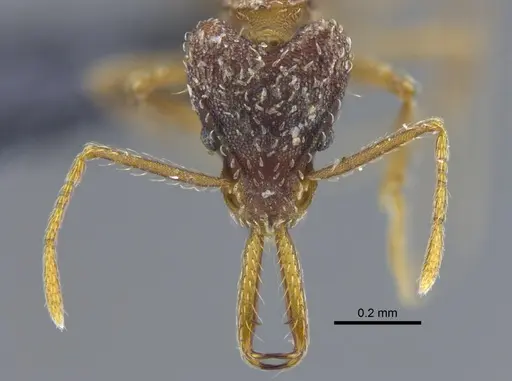
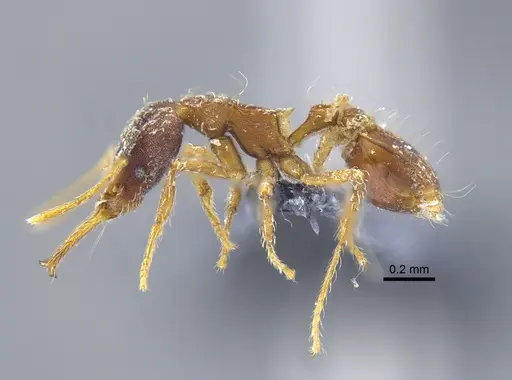
Strumigenys marginiventris is a fascinating small ant species, part of the diverse Strumigenys genus known for its unique trap-jaw mandibles. These ants are tiny, typically ranging from 0.8 mm to 3 mm in length, and can appear somewhat fuzzy due to small hairs or bristles covering their bodies. Their color often varies, presenting in shades of brown, yellow, or even gray. What truly sets them apart are their specialized, long mandibles, which can snap shut at incredibly high speeds to capture their prey. They are cryptic ants, often found nesting and foraging in leaf litter, soil, or rotten wood, and exhibit a solitary foraging behavior.
- Difficulty: Medium
- Origin & Habitat: Worldwide, particularly tropical and subtropical regions in Leaf litter, decaying logs, moist shaded areas, soil, under rocks/wood in forests and urban parks..
- Colony Type: Monogyne, claustral founding.
- Size & Growth:
- Queen: Not specified
- Worker: 0.8-3.0mm
- Colony: Small (hundreds). Slow growth.
- Antkeeping:
- Temperature: Maintain temperatures between 22°C and 26°C. Avoid extreme fluctuations..
- Humidity: High humidity is crucial, ideally between 60-80%..
- Diapause: Not required. Not specified at Not specified.
- Nesting: Small formicariums with easily accessible chambers are best. They prefer natural setups like soil, wood, or even plaster/Ytong nests that retain high humidity. They are also found in leaf litter..
- Behavior: Low (towards handler and other ants) aggressiveness.
- Common Issues: Humidity fluctuations, Lack of suitable live prey, Mold in nest, Colony stalling due to stress.
One of the most captivating features of Strumigenys marginiventris, and indeed the entire Strumigenys genus, is their specialized trap-jaw mandibles. These aren't just for show; they're incredibly fast and precise, used to ambush and capture their prey, primarily small arthropods like springtails. Observing this lightning-fast strike is a true highlight of keeping these tiny hunters. Providing a consistent supply of these tiny live prey items is absolutely essential for their well-being and to witness their unique hunting behavior.
Strumigenys marginiventris are quite cryptic in nature, meaning they prefer to stay hidden within their environment. In the wild, they're often found in leaf litter, decaying wood, or the soil, and their activity is much less visible compared to more active foraging ant species. This translates to their care; a dark, humid setup that mimics their natural subterranean or leaf litter habitat is crucial. They won't be seen marching in long foraging trails like Lasius niger, so be prepared for a more subtle antkeeping experience.
Humidity is paramount for Strumigenys marginiventris. These ants thrive in consistently high humidity, needing levels between 60% and 80% to do well. Neglecting this vital aspect can quickly lead to colony decline. Consider using a nest type that naturally retains moisture, like plaster or Ytong, and ensure you have a reliable method to monitor and maintain these humidity levels without creating stagnant conditions that might foster mold growth. A small outworld with a moist substrate can also help maintain ambient humidity.
Due to their highly specialized diet, feeding Strumigenys marginiventris can be a bit more challenging than with generalist ant species. They are primarily predators of tiny, soft-bodied arthropods, with springtails being a particular favorite. Sourcing or culturing a continuous supply of springtails or other micro-insects like small micro-crickets is crucial. Offering a variety of prey within their preferred size range can ensure they receive adequate nutrition and keep them healthy.
Frequently Asked Questions
What is the best type of formicarium for Strumigenys marginiventris?
For these tiny trap-jaw ants, a small formicarium that can maintain high humidity levels is ideal. Nests made from plaster, Ytong, or even natural setups with a rich, moist soil and leaf litter mix are often recommended. Ensure there are small, easily accessible chambers that mimic their natural hidden nests. A small outworld with a foraging area that can also retain some humidity would be beneficial.
What do Strumigenys marginiventris eat?
Strumigenys marginiventris are specialized predators and primarily feed on small, soft-bodied arthropods. Springtails are a favorite, so a constant supply of these tiny invertebrates or other micro-insects like small micro-crickets is essential for their diet.
Are Strumigenys marginiventris difficult to keep?
They are considered moderately difficult to keep. While their small size means they don't require a lot of space, their specific humidity needs and specialized diet, especially the requirement for live micro-prey, can be challenging for beginners. Consistent care is key to their success.
Do Strumigenys marginiventris sting or bite?
Strumigenys marginiventris are not known to sting humans. While they possess powerful trap-jaw mandibles for catching prey, these are not typically used defensively against handlers in a manner that causes pain or injury. Their small size makes them generally harmless to keepers.
What is the ideal temperature and humidity for these ants?
The optimal temperature range for Strumigenys marginiventris is between 22°C and 26°C. They absolutely require high humidity, ideally maintained between 60% and 80%. These parameters are crucial for their health and development.
How large do Strumigenys marginiventris colonies get?
Strumigenys marginiventris colonies are typically small, generally ranging from hundreds of individuals. You won't see them forming supercolonies like some other ant species; they prefer a more intimate colony structure.
Do Strumigenys marginiventris need a diapause (hibernation)?
Given their prevalence in tropical and subtropical regions, a strict diapause is generally not required for Strumigenys marginiventris. Maintaining stable temperatures and humidity year-round is usually sufficient.
How fast do Strumigenys marginiventris colonies grow?
Colony growth for Strumigenys marginiventris is generally slow. They are not known for rapid population explosions, which means you'll observe a more gradual development of your colony. This slower pace can be rewarding for keepers who enjoy observing subtle changes over time.
What unique behaviors can I observe with Strumigenys marginiventris?
The most unique behavior is their trap-jaw hunting, where they ambush and snap up prey with incredible speed. They are also quite cryptic, often moving slowly and deliberately until they sense prey movement. Observing their meticulous brood care with their specialized mandibles is another fascinating aspect.
Are Strumigenys marginiventris good for beginners?
While captivating, Strumigenys marginiventris are not typically recommended for absolute beginners due to their specific humidity and dietary requirements. They are a better fit for antkeepers with some prior experience who are comfortable managing these precise environmental conditions and sourcing live micro-prey.

This caresheet is licensed under CC BY-SA 4.0 .
CASENT0636969
View on AntWeb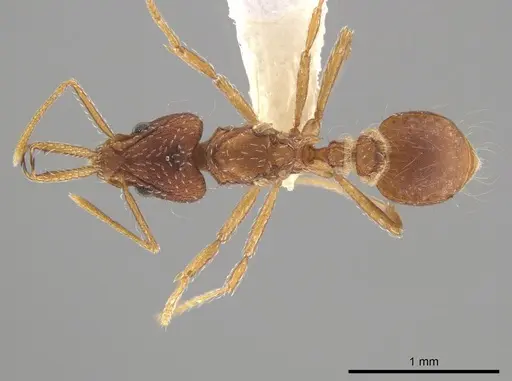
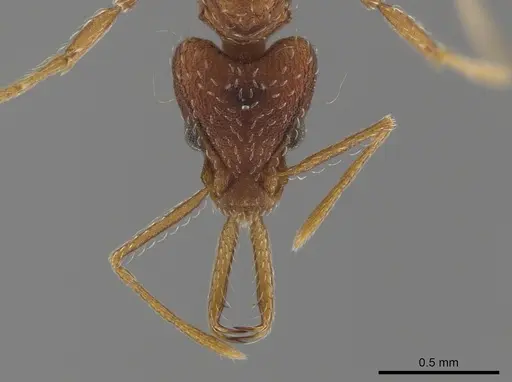
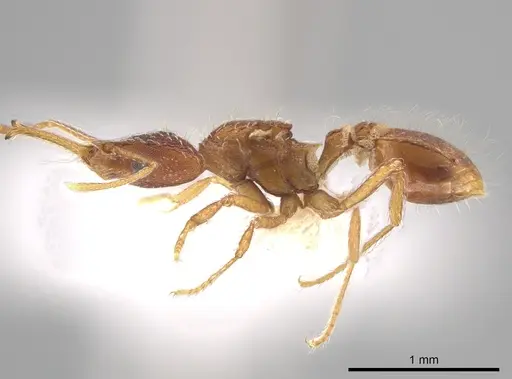
CASENT0912859
View on AntWeb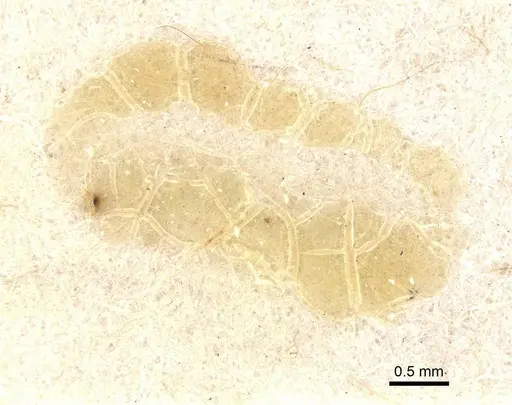
CASENT0914744
View on AntWeb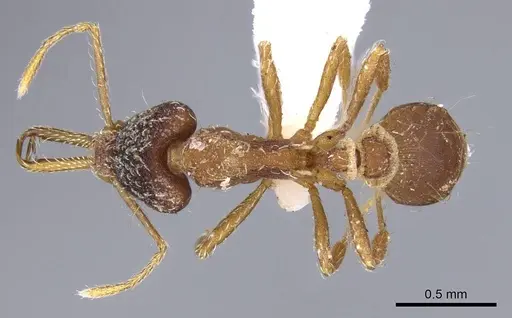
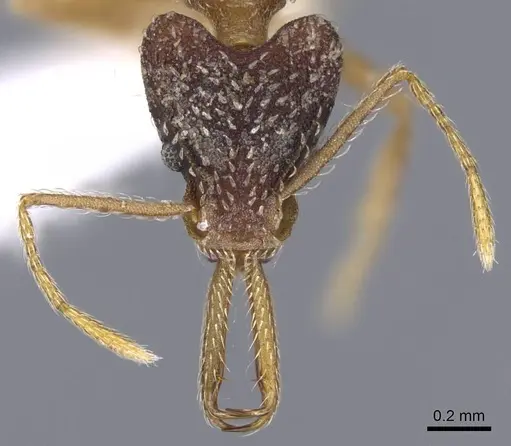
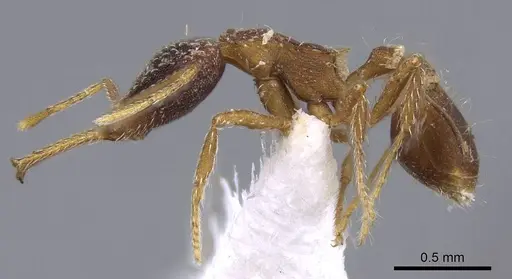
CBUMAGENT41691
View on AntWeb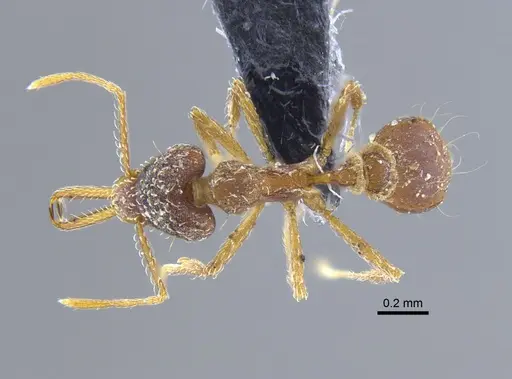
Literature
Loading...Loading products...