

Strumigenys marginata
- Scientific Name
- Strumigenys marginata
- Tribe
- Attini
- Subfamily
- Myrmicinae
- Author
- Santschi, 1914
- Distribution
- Found in 3 countries
Strumigenys marginata Overview
Strumigenys marginata is an ant species of the genus Strumigenys. It is primarily documented in 3 countries , including Côte d'Ivoire, Tanzania, United Republic of. Detailed taxonomic data and occurrence records can be further explored via authoritative databases such as AntWeb or the Global Biodiversity Information Facility (GBIF).
Strumigenys marginata
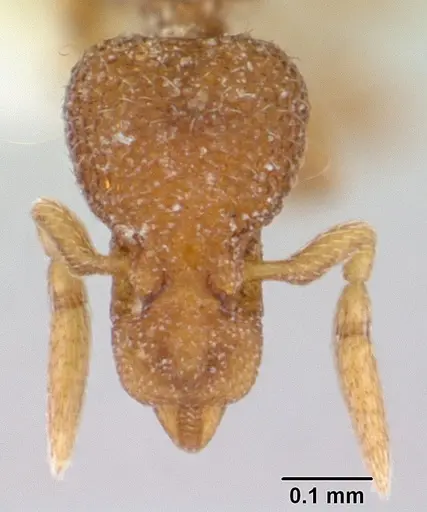
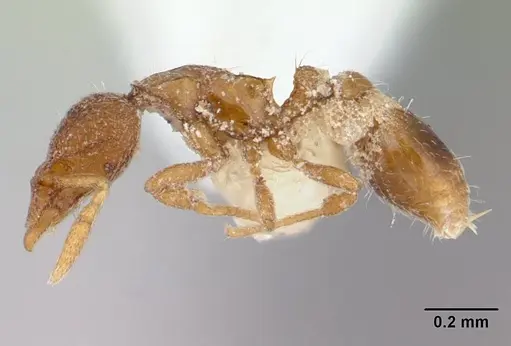
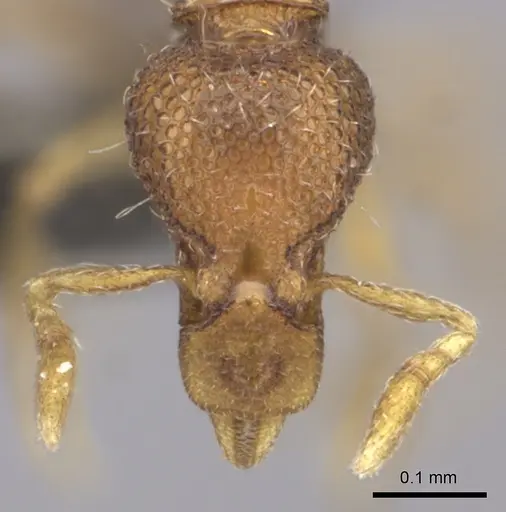
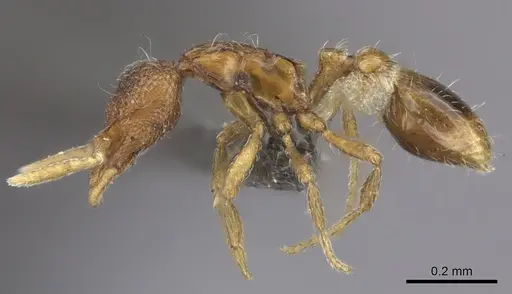
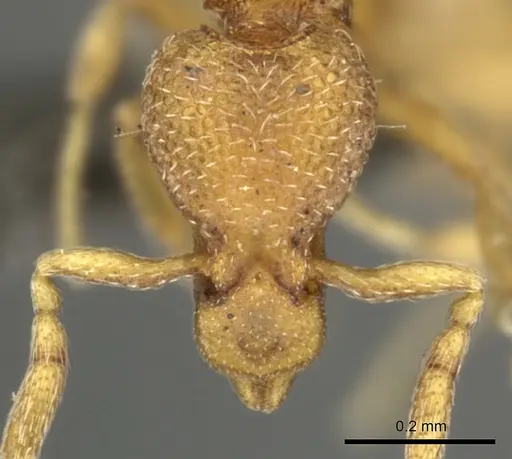
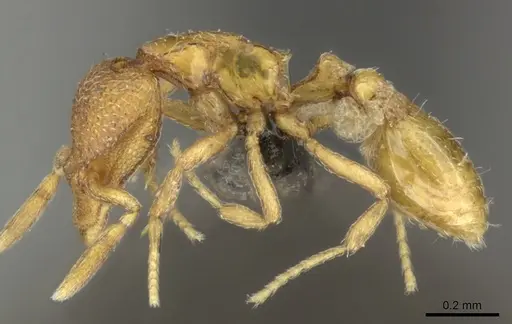
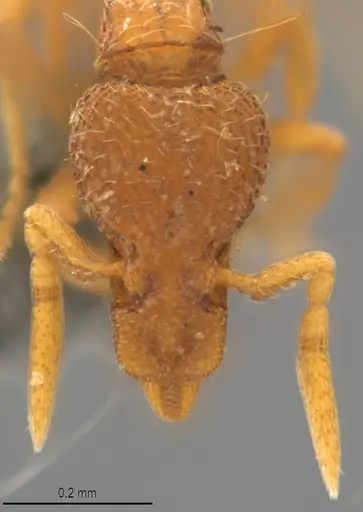
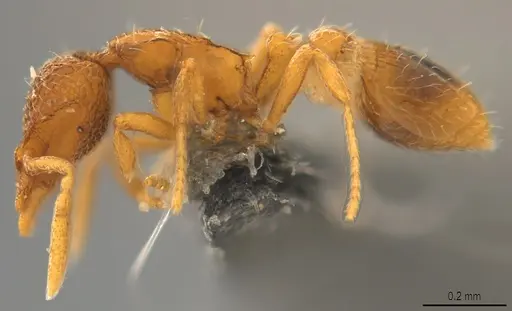
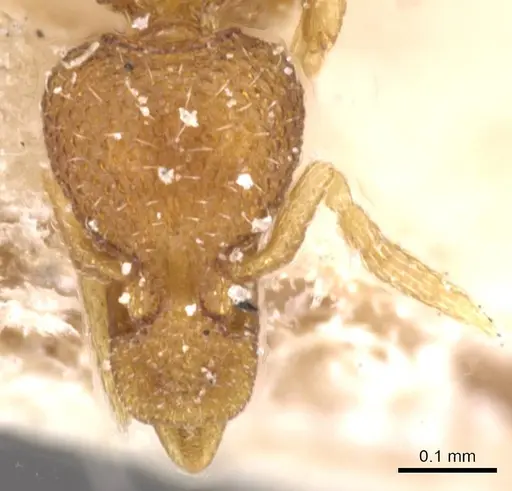
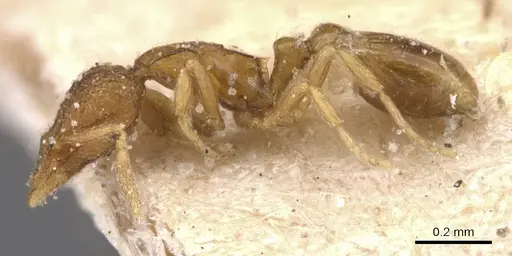
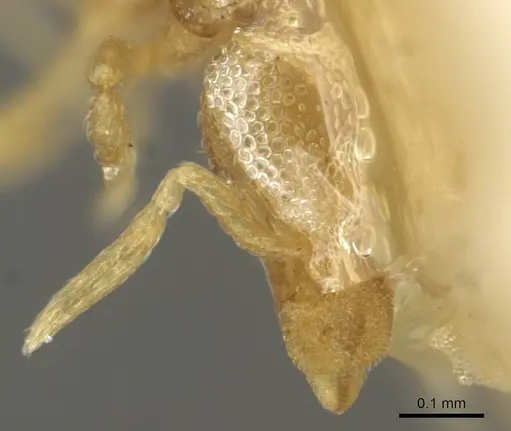
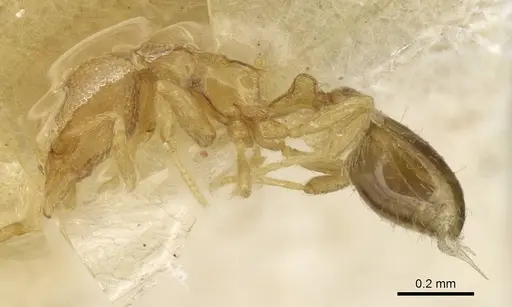
Strumigenys marginata is an exceptionally tiny ant, measuring just 1.2-1.3mm in total length, with workers appearing as minute yellow-brown specks in the leaf litter [1]. This species belongs to the dacetine ant tribe Attini and is distinguished by its rare 4-segmented antennae, most Strumigenys species have 6 segments, along with sharp raised margins on the pronotum and a distinctive median ridge running along the back of the thorax [1]. The species is found across the Afrotropical region, with confirmed records from Kenya, Ghana, Ivory Coast, Tanzania, Zimbabwe, South Africa, Democratic Republic of Congo, and recently Rwanda [1][2].
These ants are specialized predators of micro-arthropods, using their trap-jaw mandibles to capture tiny prey like springtails and mites in the forest floor litter. Like other dacetine ants, they have highly developed spongiform tissues on their petiole and postpetiole, which help them navigate and capture prey in their cramped microhabitat [1]. Their small size and cryptic lifestyle make them a challenging but fascinating species for experienced antkeepers.
Quick Summary
- Difficulty: Expert
- Origin & Habitat: Afrotropical region, found in leaf litter samples across Kenya, Ghana, Ivory Coast, Tanzania, Zimbabwe, South Africa, Democratic Republic of Congo, and Rwanda (Akagera National Park) [1][2]. In nature, they inhabit the forest floor layer, typically found in litter samples from shaded, humid environments.
- Colony Type: Likely monogyne (single queen) based on typical Strumigenys colony structure. Colony size is small, likely under 100 workers given their tiny size and the genus pattern.
- Colony: Monogyne
- Founding: Claustral
- Size & Growth:
- Queen: Approximately 1.4mm based on original description [3]. Queens are slightly larger than workers but remain among the smallest ants.
- Worker: 1.2-1.3mm total length [1]. Head width 0.26-0.28mm.
- Colony: Likely under 100 workers, Strumigenys colonies remain relatively small due to their specialized predatory lifestyle and micro-prey diet.
- Growth: Slow, small colony size and specialized diet result in slow development.
- Development: Estimated 8-12 weeks based on typical Strumigenys development patterns and their small size. This is an estimate as specific development data for this species is not available. (Development is likely slow due to small colony size and the specialized effort required to hunt micro-prey.)
- Antkeeping:
- Temperature: Keep at 22-26°C, these are tropical forest floor ants that need warm, stable conditions. Avoid temperatures below 20°C.
- Humidity: High humidity is essential, they come from damp forest litter environments. Keep the nest substrate consistently moist but not waterlogged. Provide a humidity gradient so ants can choose their preferred zone.
- Diapause: No true diapause required, being a tropical species, they do not need hibernation. However, they may show reduced activity during cooler periods.
- Nesting: These tiny ants require very small-scale setups. Tight chambers scaled to their minute size work best, test tubes with cotton plugs, or small acrylic nests with narrow passages. They do well in naturalistic setups with moist substrate (soil/peat mix) that supports their micro-prey.
- Behavior: Strumigenys marginata is a specialized predator that hunts tiny soil arthropods using its trap-jaw mandibles. Workers are slow-moving and forage individually through leaf litter. They are not aggressive and pose no threat to humans, their tiny size means they cannot sting effectively. Escape prevention is critical due to their minute size, they can squeeze through remarkably small gaps. Workers may be confused with other litter-dwelling Myrmicinae due to their small size, so careful identification is important.
- Common Issues: escape prevention is critical, they are tiny enough to squeeze through standard barrier gaps, specialized diet makes feeding challenging, they require live micro-prey like springtails, slow growth tests keeper patience, colonies develop slowly, wild-caught colonies may arrive with parasites that can decimate the colony, humidity control is tricky, too wet causes drowning, too dry causes desiccation
Housing and Nest Setup
Strumigenys marginata requires housing scaled to their minute size. Standard test tubes work if the water reservoir is small and the cotton is packed tightly, these ants can squeeze through gaps that seem impossible for their size. Small acrylic nests with chambers sized at 2-3mm height work well, or you can create a naturalistic setup with a shallow container filled with moist soil/peat mixture. The key is providing chambers and passages that are proportionally tiny, these ants feel exposed in large spaces. A layer of moist substrate about 1-2cm deep, with a layer of dead leaves on top to simulate forest floor litter, creates an ideal microhabitat. Whatever setup you choose, escape prevention must be excellent, use fluon on rim edges, fine mesh on any ventilation holes, and check all seals regularly [1].
Feeding and Diet
This species is a specialized predator that requires live micro-arthropods. Their main prey in the wild consists of springtails (Collembola), mites, and other tiny soil creatures that they capture using their trap-jaw mandibles. In captivity, you must culture a steady supply of springtails, these can be purchased from reptile suppliers or collected from outdoor soil. Flightless fruit flies (Drosophila) are sometimes accepted but are larger than their natural prey. You may also offer tiny mealworms (cut into small pieces), but live springtails should form the bulk of their diet. Sugar sources are generally not accepted, this is a predatory species, not a honeydew feeder. Feed every 2-3 days, offering only what they can consume in 24 hours to avoid mold in the small enclosure. Remove uneaten prey promptly. [1]
Temperature and Humidity
Strumigenys marginata comes from tropical African forests and requires warm, humid conditions. Maintain temperatures between 22-26°C, use a heating cable on one side of the nest if your room temperature is below this range. Place the heating element on top of the nest, not underneath, to avoid evaporating moisture too quickly. Humidity is critical: keep the substrate consistently moist but never waterlogged. The goal is damp substrate that feels like wrung-out cloth. You can achieve this by misting the sides of the enclosure or adding water to a water reservoir connected to the nest. Provide a humidity gradient by having one area slightly drier than the other, allowing ants to self-regulate. Avoid both stagnant air (causes mold) and excessive airflow (causes drying). [1]
Colony Founding
Queen founding behavior for this specific species has not been directly documented, but based on typical Strumigenys patterns, the queen likely seals herself in a small chamber and rears her first brood alone (claustral founding). The queen is tiny at approximately 1.4mm and would have limited fat reserves, though this is typical for the genus. First workers (nanitics) will be very small and may take several weeks to develop. During founding, the queen should be kept in complete darkness with minimal disturbance. After the first workers emerge, you can begin offering tiny amounts of prey, though the colony will remain small for many months. Do not combine multiple unrelated queens, Strumigenys are not pleometrotic founders and will fight. [3]
Behavior and Temperament
These are docile, non-aggressive ants that pose no danger to keepers. Workers forage individually rather than in groups, hunting through leaf litter for tiny prey. Their trap-jaw mechanism is used to capture springtails and other fast-moving micro-arthropods, when triggered, the mandibles snap shut in milliseconds. Despite this weapon, they are not defensive and will flee rather than attack when disturbed. They are not suited for observation in large formicariums, their small size and cryptic behavior are best appreciated in naturalistic or compact setups where you can watch them hunt. They do not spray formic acid or sting effectively. Their main interaction with other species is as predators, not as competitors. [1]
Frequently Asked Questions
How long does it take for Strumigenys marginata to produce first workers?
Expect 8-12 weeks from egg to first worker at optimal temperature (22-26°C). This is an estimate based on typical Strumigenys development, specific timing for this species has not been documented. Growth is slow due to their small size and the specialized effort required to hunt prey for each larva.
Can I keep Strumigenys marginata in a test tube?
Yes, test tubes can work but require excellent escape prevention. These ants are tiny enough to squeeze through gaps that seem impossible. Use tightly packed cotton, apply fluon to the rim, and consider wrapping parafilm around any connection points. A small acrylic nest with properly scaled chambers is often a better choice for long-term housing.
What do Strumigenys marginata ants eat?
They are specialized predators that require live micro-arthropods. Their primary food should be cultured springtails (Collembola), which you can purchase from reptile suppliers. They may occasionally accept tiny fruit flies or small pieces of mealworms, but springtails should form the bulk of their diet. They do not accept sugar sources or honey.
Are Strumigenys marginata good for beginners?
No, this species is not recommended for beginners. Their tiny size creates significant escape prevention challenges, their specialized diet requires culturing live prey, and their slow growth can be frustrating. They are best suited for experienced antkeepers who have successfully kept other small Myrmicinae species and can provide the precise humidity and feeding requirements they need.
How big do Strumigenys marginata colonies get?
Colony size remains relatively small, likely under 100 workers at maturity. This is typical for Strumigenys species, which maintain smaller colonies compared to many other ants. The specialized predatory lifestyle and micro-prey diet limit how large colonies can grow.
Do Strumigenys marginata need hibernation?
No, they do not require hibernation. Being a tropical species from the Afrotropical region, they need year-round warm temperatures (22-26°C). They may show reduced activity during cooler periods, but this is not a true diapause, simply maintain normal care throughout the year.
Why are my Strumigenys marginata dying?
Common causes include: escape (they are expert squeezers), starvation (not enough live micro-prey), desiccation (humidity too low), drowning (substrate too wet), or parasites from wild-caught colonies. Review your humidity levels, ensure escape prevention is complete, and verify you are providing enough live springtails. Wild-caught colonies often arrive with mites or other parasites that can be fatal.
When should I move Strumigenys marginata to a formicarium?
Move them when the colony reaches about 20-30 workers and the test tube or founding setup becomes cramped. However, given their tiny size and humidity needs, many keepers keep them in modified test tube setups or small plastic containers long-term. If moving to a formicarium, choose one with appropriately small chambers and excellent humidity control.
Can I keep multiple queens together?
No, combining unrelated queens is not recommended. Strumigenys are not pleometrotic (multiple founding queens) and queens will fight. If you acquire a wild colony, it likely has a single queen. Multi-queen arrangements have not been documented for this species and would likely result in conflict.
References

This caresheet is licensed under CC BY-SA 4.0 .
CASENT0178314
View on AntWeb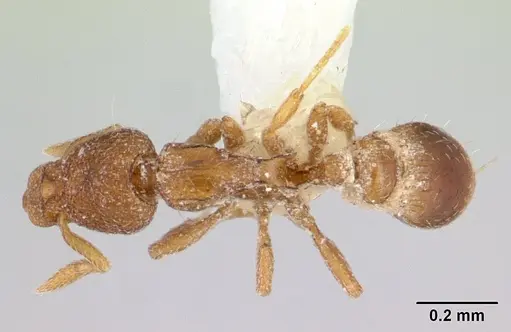
CASENT0235690
View on AntWeb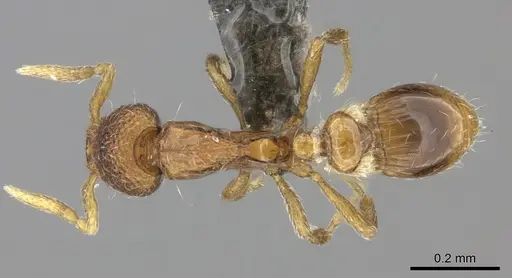
CASENT0235995
View on AntWeb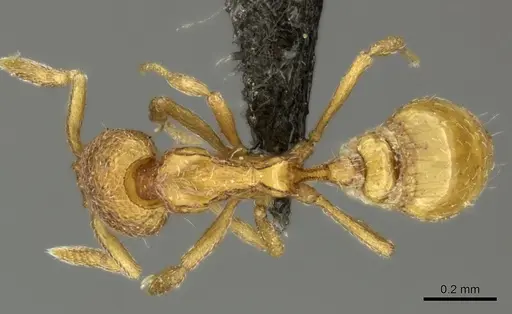
CASENT0355828
View on AntWeb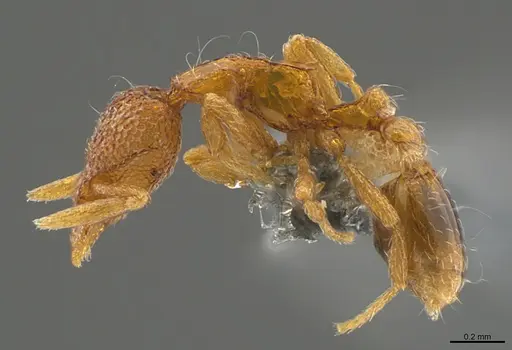
CASENT0780471
View on AntWeb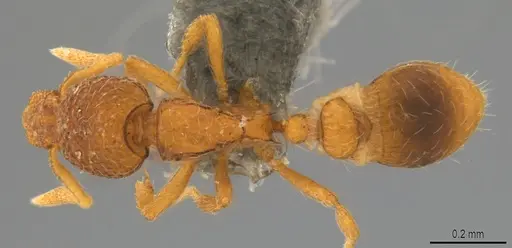
CASENT0912849
View on AntWeb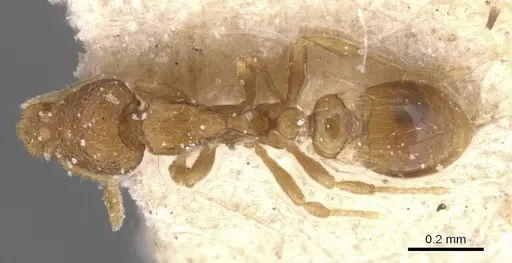
CASENT0915366
View on AntWeb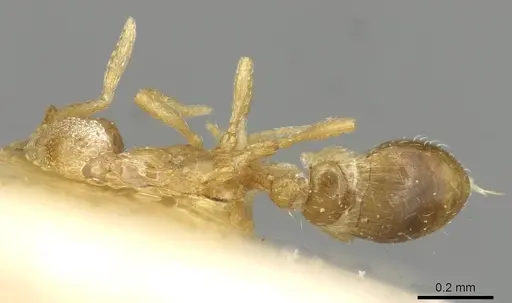
Literature
Loading...Loading products...