

Strumigenys manga
- Scientific Name
- Strumigenys manga
- Tribe
- Attini
- Subfamily
- Myrmicinae
- Author
- Fisher, 2000
- Distribution
- Found in 1 countries
Strumigenys manga Overview
Strumigenys manga is an ant species of the genus Strumigenys. It is primarily documented in 1 countries , including Madagascar. Detailed taxonomic data and occurrence records can be further explored via authoritative databases such as AntWeb or the Global Biodiversity Information Facility (GBIF).
Strumigenys manga
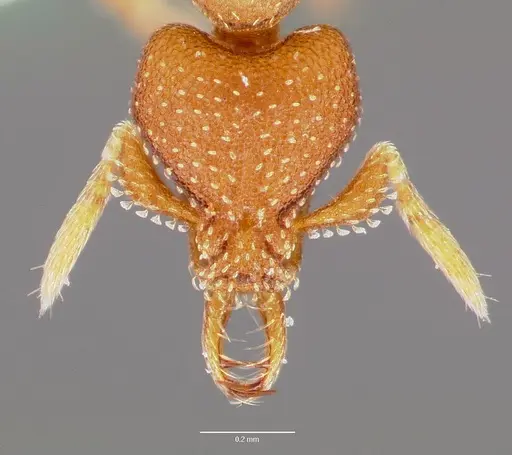
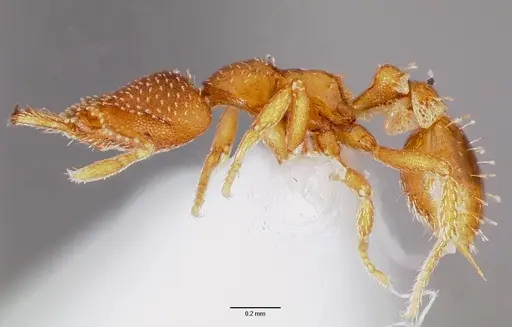
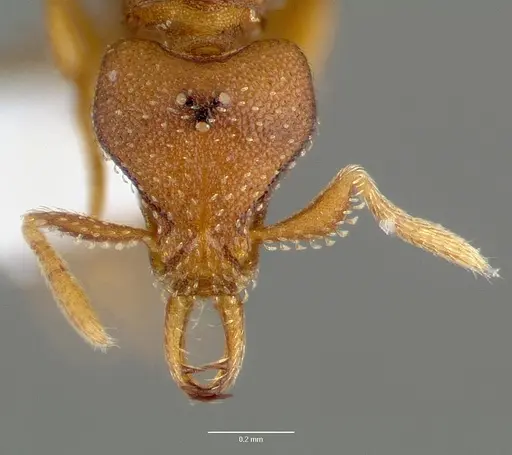
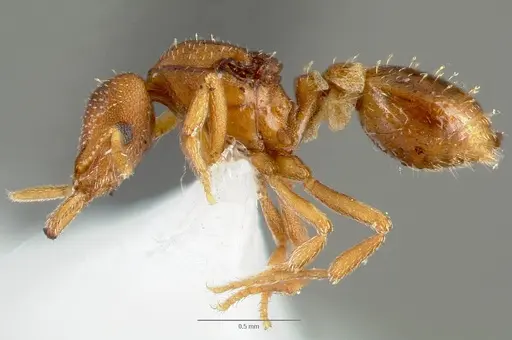
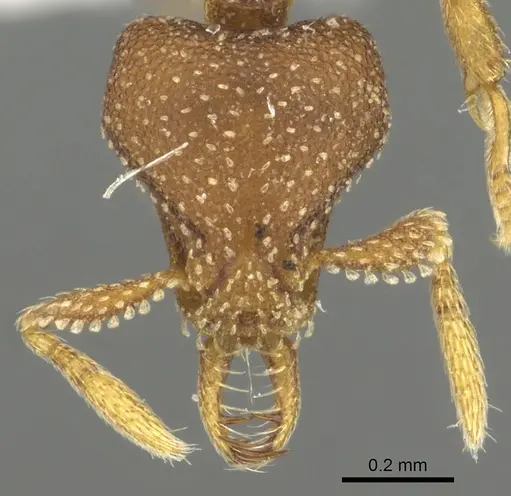
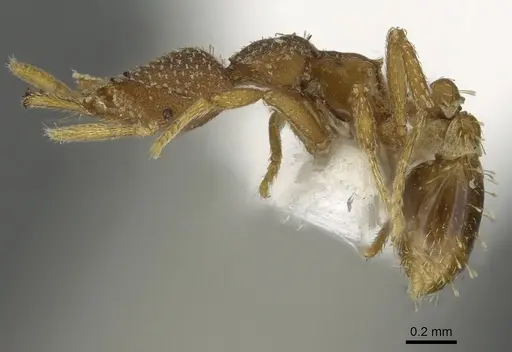
Strumigenys manga is a tiny predatory ant endemic to Madagascar, found exclusively in forest habitats [1]. These ants are part of the famous trap-jaw ant group, their oversized mandibles can snap shut at incredible speeds to capture prey. Workers measure just 2-3mm and have a distinctive appearance with large, curved mandibles and a relatively smooth body. The genus is known for their specialized hunting strategy: they slowly stalk prey, then strike with lightning-fast mandibles. Unlike many ants, they are not aggressive and prefer to flee rather than fight. Their small size and cryptic lifestyle make them a challenging but fascinating species to keep.
Quick Summary
- Difficulty: Hard
- Origin & Habitat: Endemic to Madagascar, found exclusively in forest habitats in the high plateau region [1]. In the wild, they nest in soil in shaded, humid forest floor environments.
- Colony Type: Likely single-queen colonies based on typical genus patterns. Colony size is small, probably under 100 workers given the genus typical size.
- Colony: Monogyne
- Founding: Claustral
- Size & Growth:
- Queen: Estimated 3-4mm based on genus patterns
- Worker: Estimated 2-3mm based on genus patterns
- Colony: Likely under 100 workers, Strumigenys colonies remain relatively small
- Growth: Slow
- Development: Estimated 8-12 weeks based on related species in the genus (Development is slow compared to many ants. First workers (nanitics) will be smaller than mature workers.)
- Antkeeping:
- Temperature: Keep around 22-26°C, these are tropical forest ants that prefer warmth but not extreme heat. A gentle gradient allows them to choose their preferred temperature.
- Humidity: High humidity is essential, think damp forest floor. Keep the nest substrate consistently moist but not waterlogged. They will avoid dry areas.
- Diapause: No true diapause required, being tropical, they need year-round warmth. However, they may show reduced activity during cooler periods.
- Nesting: Natural nesting is in soil under stones or in rotting wood. In captivity, a moist plaster nest or test tube setup with damp substrate works well. They need tight, humid chambers.
- Behavior: These ants are cryptic and slow-moving. They are not aggressive and will flee from threats rather than attack. Their primary defense is escape rather than biting or stinging. They are skilled hunters of springtails and other tiny arthropods, using their trap-jaw mandibles to capture prey. Escape risk is moderate, their small size means they can slip through small gaps, but they are not strong climbers.
- Common Issues: slow growth can frustrate beginners who overfeed or disturb the colony, high humidity requirements can lead to mold if ventilation is poor, wild-caught colonies may have parasites that are difficult to treat, small size makes escape prevention challenging, use fine mesh, prey acceptance can be difficult, they may refuse anything too large or unfamiliar
Housing and Nest Setup
Strumigenys manga needs a humid, enclosed nest environment. A test tube setup with a water reservoir works well for founding colonies, but you should provide a moist area they can access. For established colonies, a plaster nest or acrylic formicarium with damp substrate maintains the humidity they need. Avoid dry, open spaces, these ants are cryptobiotic and will stress in exposed conditions. Keep the nest in a shaded area away from direct sunlight. A small outworld connected to the nest allows for feeding without disturbing the colony. [1]
Feeding and Diet
These are specialized predators that primarily hunt springtails (collembola) and other tiny arthropods. In captivity, live springtails should be their main food source, they are the most reliable prey for this genus. You can also offer small fruit flies, tiny crickets, and other minute insects. Some colonies may accept small pieces of mealworm or other pre-killed protein, but live prey is always preferred. They rarely if ever eat sugar or honey, their hunting instinct is their primary foraging drive. Feed small amounts 2-3 times per week, removing any uneaten prey after 24 hours.
Temperature and Humidity
Maintain temperatures between 22-26°C year-round. Being from tropical Madagascar, they do not tolerate cool conditions. A heating cable on one side of the nest creates a gentle gradient they can regulate themselves. Humidity is critical, aim for 70-80% relative humidity in the nest area. The substrate should feel consistently damp but never soggy. Mist the outworld occasionally but avoid letting water pool in the nest. Poor humidity leads to colony decline and death. [1]
Behavior and Handling
Strumigenys manga is a non-aggressive species that prefers to avoid conflict. When threatened, they will run for cover rather than attack. Their famous trap-jaw mandibles are used for hunting prey, not defending against larger threats. They are not known to sting. These ants are slow-moving and deliberate in their movements, making them fascinating to observe. They are not escape artists in the traditional sense, but their tiny size means they can slip through standard test tube plugs, use cotton or fine mesh to prevent escapes. They do not form large colonies, so observe their interesting hunting behaviors even in small numbers.
Frequently Asked Questions
How long does it take for Strumigenys manga to produce first workers?
Expect 8-12 weeks from egg to first worker at optimal temperature (22-26°C). Development is slower than many common ant species, so patience is required. The first workers (nanitics) will be smaller than mature workers.
Can I keep Strumigenys manga in a test tube?
Yes, test tubes work well for founding colonies. Use a water reservoir setup with cotton to maintain humidity. Make sure the plug is fine enough to prevent escapes, these tiny ants can squeeze through standard cotton. Cover the tube with something dark to reduce stress.
What do Strumigenys manga eat?
They are specialized predators that need live springtails as their primary food. Other tiny live prey like fruit flies may also be accepted. They rarely eat sugar or honey. Avoid offering prey that is too large, their tiny mandibles are designed for springtail-sized prey.
Are Strumigenys manga good for beginners?
No, this species is considered difficult to keep. Their high humidity requirements, need for live prey, slow growth, and small size make them challenging. They are better suited for experienced antkeepers who can provide consistent conditions.
How big do Strumigenys manga colonies get?
Colonies remain relatively small, likely under 100 workers at maturity. This is typical for the genus, they are not large colony builders. Even a colony of 30-50 workers can be quite impressive given their tiny size.
Do Strumigenys manga need hibernation?
No, being from tropical Madagascar, they do not require a hibernation period. Keep them warm year-round at 22-26°C. They may show slightly reduced activity during cooler periods but no special winter care is needed.
Why are my Strumigenys manga dying?
Common causes include: low humidity (keep substrate damp), too large prey (offer springtail-sized prey), dry conditions from heating without humidity, mold from poor ventilation, or stress from too much disturbance. Wild-caught colonies may also carry parasites. Review your humidity and feeding setup first.
References

This caresheet is licensed under CC BY-SA 4.0 .
CASENT0003245
View on AntWeb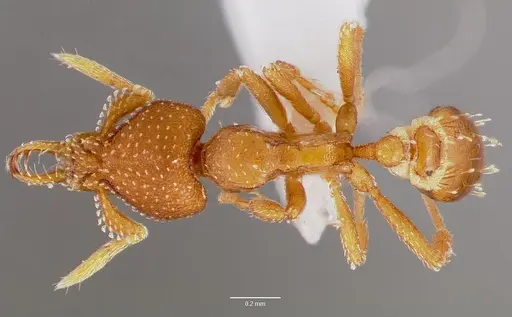
CASENT0005600
View on AntWeb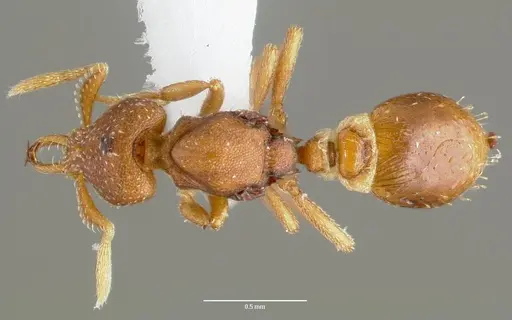
CASENT0005601
View on AntWeb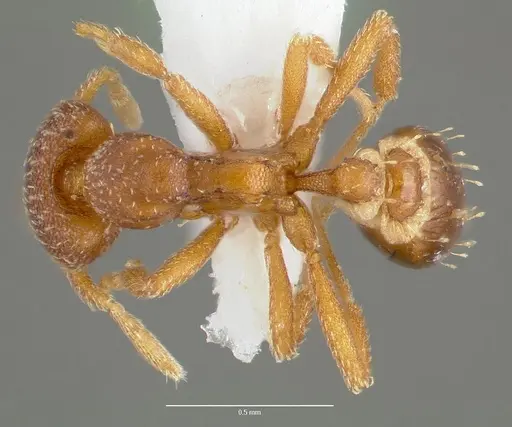
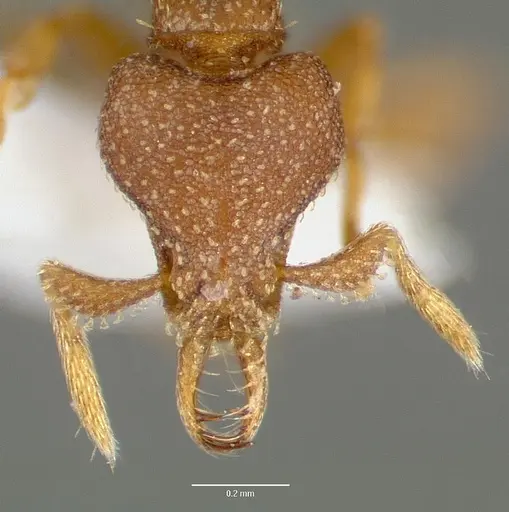
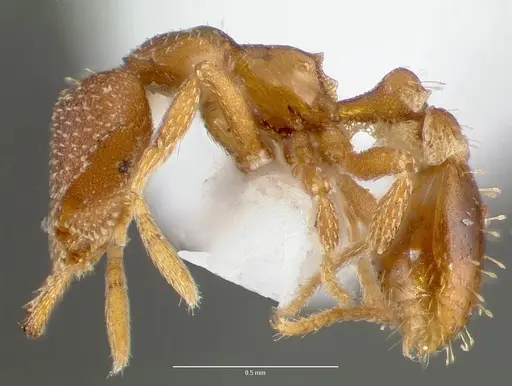
CASENT0900684
View on AntWeb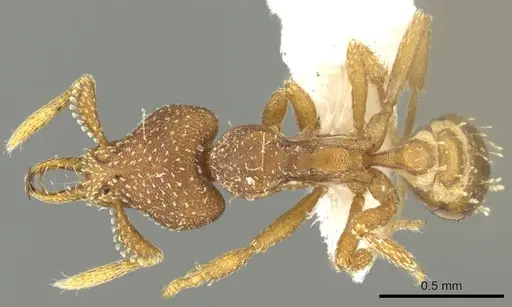
Literature
Loading...Loading products...