

Strumigenys malaplax
- Scientific Name
- Strumigenys malaplax
- Tribe
- Attini
- Subfamily
- Myrmicinae
- Author
- Bolton, 1983
- Distribution
- Found in 1 countries
Strumigenys malaplax Overview
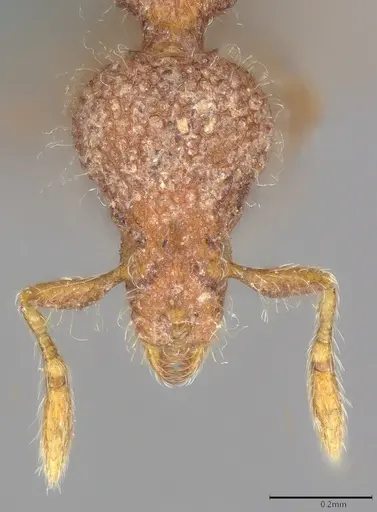
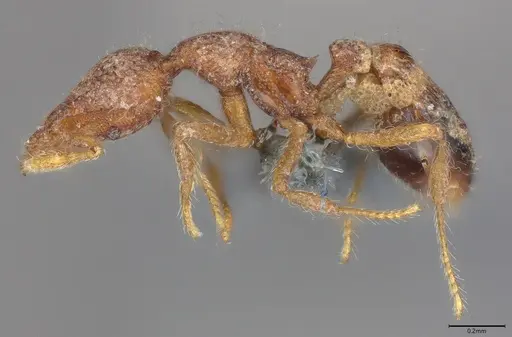
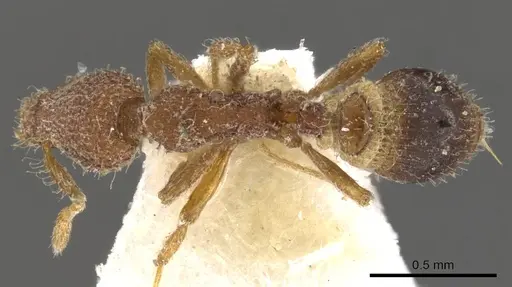
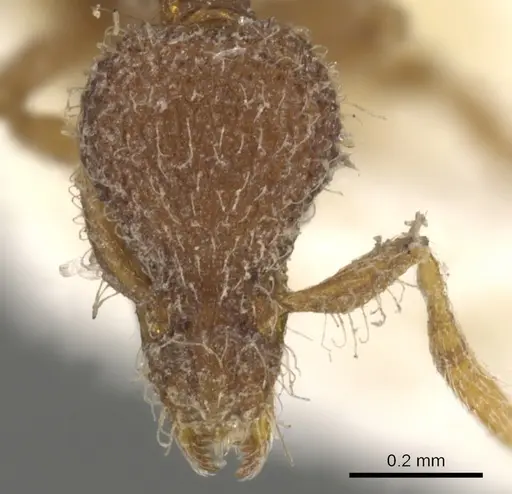
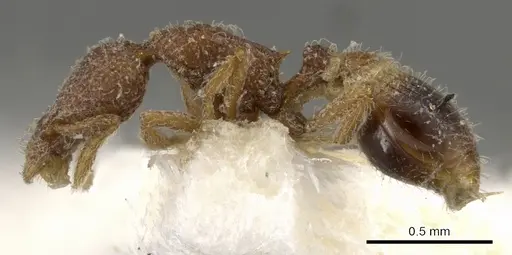
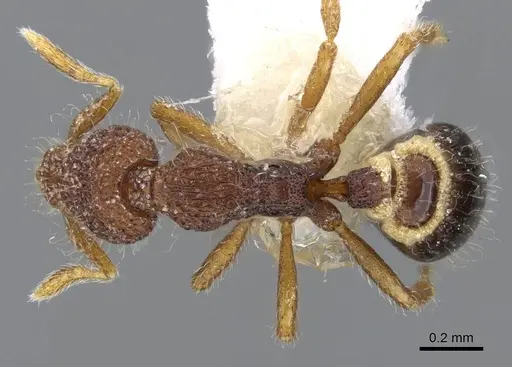
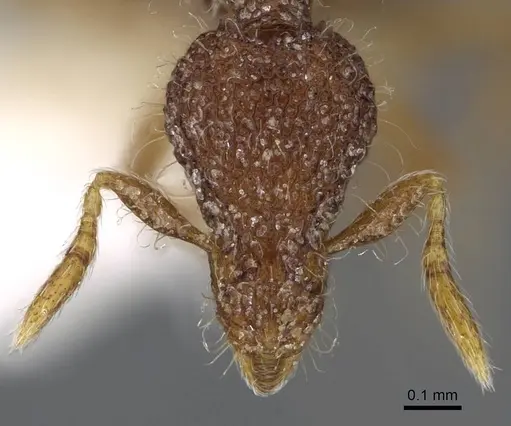
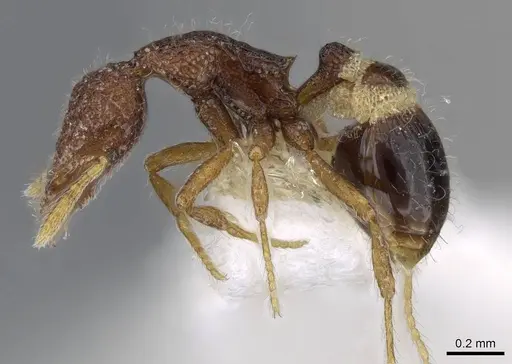
Strumigenys malaplax is an ant species of the genus Strumigenys. It is primarily documented in 1 countries , including Mozambique. Detailed taxonomic data and occurrence records can be further explored via authoritative databases such as AntWeb or the Global Biodiversity Information Facility (GBIF).
Strumigenys malaplax
Strumigenys malaplax is a small predatory ant species native to the Democratic Republic of Congo, specifically recorded from Tshopo province [1]. These ants belong to the trap-jaw ant genus Strumigenys, characterized by their specialized elongated mandibles that can snap shut with remarkable speed to capture prey. Workers are small, typically measuring 2-4mm, with distinctive trap-jaw mandibles and a generally slender build. The genus is known for its predatory behavior, primarily hunting springtails and other small arthropods in forest floor microhabitats. In their natural habitat within the Congo basin, these ants inhabit humid, shaded areas with abundant leaf litter and decaying wood where their prey thrives. Colonies tend to remain relatively small, typically numbering in the dozens to a few hundred workers. This species represents the diverse and specialized ant fauna of central African forests, where Strumigenys play an important role as predators of small soil arthropods.
Quick Summary
- Difficulty: Medium
- Origin & Habitat: Democratic Republic of Congo (Tshopo province) in central African forests. They inhabit humid forest floor environments with leaf litter and decaying wood [1].
- Colony Type: Likely monogyne (single queen colonies) based on typical Strumigenys patterns. Colony size is small to moderate, typically under 200 workers.
- Colony: Monogyne
- Founding: Claustral
- Size & Growth:
- Queen: Estimated 4-5mm based on genus Strumigenys worker size range of 2-4mm [1].
- Worker: Estimated 2-4mm based on genus Strumigenys patterns [1].
- Colony: Likely under 200 workers based on typical Strumigenys colony sizes.
- Growth: Moderate, Strumigenys colonies typically grow slowly due to specialized predatory diet.
- Development: Estimated 8-12 weeks based on typical Strumigenys development patterns. (Development timeline is estimated from genus-level data since species-specific research is unavailable.)
- Antkeeping:
- Temperature: Keep at 22-26°C. They prefer warm, stable conditions typical of tropical forest floor environments.
- Humidity: High humidity is essential, aim for 70-85% relative humidity. Keep the nest substrate consistently moist but not waterlogged.
- Diapause: Likely minimal or no true diapause given their tropical origin. They may show reduced activity during cooler periods.
- Nesting: Y-tong nests or naturalistic setups with moist substrate work well. They prefer tight chambers and narrow passages scaled to their small size. Avoid dry conditions.
- Behavior: Strumigenys are specialized predators with trap-jaw mandibles designed for capturing small prey, particularly springtails. They are not aggressive toward larger animals and pose no threat to humans. Workers are active foragers who hunt individually rather than recruiting in large groups. Their small size means escape prevention is important, they can squeeze through small gaps. They are generally shy and non-confrontational, focusing on hunting small arthropods in their territory.
- Common Issues: high humidity requirements can lead to mold if ventilation is poor, specialized diet makes them challenging to feed, they need live small prey, slow colony growth can frustrate beginners expecting rapid development, small size requires excellent escape prevention, wild-caught colonies may have parasites that affect survival in captivity
Housing and Nest Setup
Strumigenys malaplax requires a humid environment with access to small live prey. For nesting, Y-tong (AAC) nests work well because they maintain humidity while allowing you to observe the colony. Alternatively, a naturalistic setup with moist soil and leaf litter mimics their natural forest floor habitat. Keep the nest substrate consistently moist, these ants desiccate quickly in dry conditions. Because they are small, ensure chambers and passages are appropriately sized. A water reservoir connected to the nest helps maintain humidity over time. Avoid placing the nest in direct sunlight or areas with temperature fluctuations. [1]
Feeding and Diet
Strumigenys are specialized predators that primarily hunt small arthropods, especially springtails. In captivity, their main food should be live springtails, these are ideal size and nutritional value. Other small live prey like fruit flies, tiny crickets, and booklice may also be accepted. They typically do not scavenge on dead insects or accept sugar sources, so their diet revolves entirely around hunting live prey. Feed small prey items every 2-3 days, adjusting based on colony size and consumption. A well-fed colony will have workers actively hunting and patrolling their territory. Never leave uneaten live prey in the outworld as it may stress the ants. [1]
Temperature and Seasonal Care
Maintain temperatures between 22-26°C for optimal colony health and development. Strumigenys originate from tropical central African forests, so they prefer warm, stable conditions. A heating cable on one side of the nest can create a gentle temperature gradient, allowing ants to choose their preferred zone. Avoid temperatures below 20°C or above 30°C. Since they come from a tropical environment, they likely do not require a true diapause period. However, they may show reduced activity during cooler periods in captivity. Monitor colony behavior, active foragers indicate comfortable conditions, while lethargic ants may need temperature adjustment. [1]
Behavior and Colony Dynamics
Strumigenys malaplax workers are active hunters that use their specialized trap-jaw mandibles to capture small prey. Unlike many ants that recruit nestmates to food sources, these ants typically forage individually. Workers are not aggressive toward humans and cannot sting, their defense mechanism is escape rather than confrontation. Colony size remains modest, typically under 200 workers even in mature colonies. The queen is claustral, sealing herself in during founding and raising the first workers (nanitics) alone on her stored fat reserves. Workers have relatively short lifespans compared to some ant species, so colony turnover is ongoing. Observe your colony regularly to monitor health and feeding activity. [1]
Frequently Asked Questions
How long does it take for Strumigenys malaplax to produce first workers?
Expect first workers (nanitics) approximately 8-12 weeks after the queen lays her first eggs, based on typical Strumigenys development patterns. This timeline assumes optimal temperature (22-26°C) and humidity conditions. Nanitics are typically smaller than mature workers and may take additional weeks to reach full size.
What do Strumigenys malaplax ants eat?
They are specialized predators that require live small arthropods. Their primary food should be live springtails, which are the ideal size and nutrition for these trap-jaw ants. They may also accept other small live prey like fruit flies, booklice, and tiny crickets. They typically do not accept dead insects or sugar sources.
Can I keep Strumigenys malaplax in a test tube?
A test tube can work for a founding queen and small colony, but you will need to provide a humid environment and eventually transition to a formicarium or naturalistic setup as the colony grows. Test tubes dry out quickly, so monitoring humidity is essential. A Y-tong nest is often a better long-term option as it maintains humidity better and allows observation.
Are Strumigenys malaplax good for beginners?
They are considered intermediate difficulty. While not as challenging as some specialized predators, their requirement for live prey and high humidity makes them more demanding than common species like Lasius or Camponotus. Beginners should be prepared for the commitment of providing regular live food.
How big do Strumigenys malaplax colonies get?
Colony size remains relatively small, likely under 200 workers even in mature colonies. This is typical for the Strumigenys genus, where colonies do not reach the massive sizes seen in some other ant species. Growth rate is moderate, with colonies taking many months to reach significant numbers.
Do Strumigenys malaplax need hibernation?
No, they likely do not require hibernation. Being tropical ants from central Africa, they prefer consistent warm temperatures year-round. They may show reduced activity during cooler periods but do not enter true diapause.
Why are my Strumigenys malaplax dying?
Common causes include: low humidity (they desiccate easily), lack of live prey (they will not survive on dead food or sugar), temperature extremes (too cold or too hot), and stress from excessive disturbance. Check that your setup maintains proper humidity and that you are providing appropriate live prey regularly.
When should I move Strumigenys malaplax to a formicarium?
Consider moving from a test tube to a proper nest when the colony reaches 20-30 workers and the test tube shows signs of drying or space constraints. A Y-tong or naturalistic nest works well. Make sure the new setup maintains the high humidity they require.
Can I keep multiple Strumigenys malaplax queens together?
This has not been studied for this specific species. Based on typical Strumigenys behavior, single-queen colonies are most common. Combining unrelated queens is not recommended as it may result in aggression.
References

This caresheet is licensed under CC BY-SA 4.0 .
Literature
Loading...Loading products...