

Strumigenys lopotyle
- Scientific Name
- Strumigenys lopotyle
- Tribe
- Attini
- Subfamily
- Myrmicinae
- Author
- Brown, 1969
- Distribution
- Found in 1 countries
Strumigenys lopotyle Overview
Strumigenys lopotyle is an ant species of the genus Strumigenys. It is primarily documented in 1 countries , including Papua New Guinea. Detailed taxonomic data and occurrence records can be further explored via authoritative databases such as AntWeb or the Global Biodiversity Information Facility (GBIF).
Strumigenys lopotyle
Strumigenys lopotyle is a tiny predatory ant species native to the primary forests of Xishuangbanna in southern China. Workers measure just 2-3mm and possess the characteristic trap-jaw mandibles of the Dacetini tribe, specialized for snapping shut on springtails and other small soil-dwelling arthropods [1]. The species has a distinctive appearance with smooth, glossy body surfaces and relatively long mandibles that give it an elegant, elongated look compared to many other Strumigenys species.
This ant is a habitat specialist restricted to primary forest environments, meaning it thrives in stable, humid conditions with abundant leaf litter and decaying organic matter [1]. Unlike many ants, Strumigenys lopotyle does not rely on sugar sources, it is an obligate predator that hunts exclusively on small live prey, primarily springtails. This specialized diet makes them fascinating to watch but requires more dedicated care than typical ant species.
Quick Summary
- Difficulty: Medium
- Origin & Habitat: Xishuangbanna, Yunnan Province, China, primary tropical forest specialist [1]
- Colony Type: Likely monogyne (single queen) based on typical genus patterns, though colony structure is unconfirmed for this specific species
- Size & Growth:
- Queen: Estimated 3-4mm based on genus patterns
- Worker: Estimated 2-3mm based on genus patterns
- Colony: Likely under 100 workers based on typical Strumigenys colony sizes
- Growth: Slow
- Development: Estimated 8-12 weeks based on related Dacetini species at optimal temperature (Development time is estimated from genus-level data since species-specific studies are unavailable. Tropical species typically develop faster than temperate relatives.)
- Antkeeping:
- Temperature: Keep at 22-26°C, they are tropical ants from southern China and need warm, stable conditions. A heating cable on one side of the nest creates a suitable gradient.
- Humidity: High humidity is essential, aim for 70-80% relative humidity. These forest-floor ants need consistently moist substrate but avoid waterlogging. Use a hydration method that maintains damp conditions without flooding.
- Diapause: Unlikely required, being tropical, they probably do not need a winter dormancy period. However, a slight reduction in temperature during cooler months may slow activity naturally.
- Nesting: In captivity they do well in naturalistic setups with moist substrate (like a soil-filled container) or in plaster/acrylic nests with high humidity chambers. They prefer tight, enclosed spaces scaled to their tiny size.
- Behavior: These ants are docile and non-aggressive. Workers are slow-moving and spend most of their time hunting through the substrate. They have functional stingers but rarely use them, their primary defense is escaping into leaf litter or small crevices. Because of their very small size, escape prevention is important, they can slip through tiny gaps that larger ants cannot. They do not form raiding columns or display aggressive swarming behavior.
- Common Issues: Escape prevention is critical due to their tiny 2-3mm size, use fine mesh barriers and tight-fitting lids, Specialized diet means they require live springtails or other micro-arthropods, they cannot survive on sugar water or protein mixes alone, High humidity needs make them prone to mold problems if ventilation is poor, Slow growth rate can frustrate beginners, colonies develop slowly and remain small, Wild-caught colonies may carry parasites that can wipe out captive colonies
Housing and Nest Setup
Strumigenys lopotyle requires a setup that maintains high humidity while providing hunting space for their tiny prey. naturalistic terrariums work well, fill a container with 3-5cm of moist, loose substrate (a mix of soil and rotting wood fragments mimics their natural leaf-litter habitat). You can also use plaster or acrylic nests designed for small species, but ensure the chambers remain humid at all times. Test tube setups are challenging because these ants need space to hunt and cannot easily access prey in a single water tube. Whatever setup you choose, include plenty of small hiding spots and textured surfaces where springtails can live and multiply. [1]
Feeding and Diet
This species is an obligate predator and requires live small arthropods as their primary food source. Springtails (Collembola) are the ideal prey, they are the natural food of Strumigenys in the wild and can be cultured separately in a springtail culture container. Other small prey like booklice (psocids), fruit flies, and tiny mites may be accepted, but springtails should form the bulk of their diet. They will not accept sugar water, honey, or processed protein foods, these ants have evolved specialized mandibles for hunting live, struggling prey and ignore dead or stationary food. Feed small amounts of prey every few days, removing any uneaten prey to prevent mold issues.
Temperature and Humidity
As a tropical species from Xishuangbanna, Strumigenys lopotyle needs warm, humid conditions. Maintain temperatures between 22-26°C year-round, this is warm enough to support activity and brood development without being excessive. A small heating cable placed under one end of the nest creates a temperature gradient that allows the ants to choose their preferred spot. Humidity should stay around 70-80%, the substrate should feel damp but not soggy, with no standing water. Mist occasionally if the setup dries out, but rely on a water reservoir or hydration system for consistent moisture. Poor humidity leads to failed colonies quickly. [1]
Colony Development
Colony growth is slow compared to many common ant species. A newly mated queen will seal herself in a small chamber and raise her first brood using stored fat reserves, this founding phase takes several months. The first workers (nanitics) are tiny and the colony remains small for the first year. Even established colonies typically max out at under 100 workers, so do not expect large swarms. Patience is essential with this species, do not overfeed or disturb the nest frequently. A healthy mature colony will consist of a queen, several dozen workers, and various brood stages at different development times.
Behavior and Observation
Watching Strumigenys hunt is the main appeal of keeping this species. Workers patrol slowly through the substrate, antennae constantly tapping surfaces as they search for springtails. When they locate prey, they approach cautiously, then snap their mandibles shut with incredible speed, this is where the common name 'trap-jaw ant' comes from. They are not aggressive toward keepers and rarely sting, though they may bite if handled roughly. The colony will establish foraging trails through their enclosure, and you may see workers carrying captured prey back to the nest. Their small size and cryptic habits make them more of a 'watching under a magnifying glass' pet than an interactive one.
Frequently Asked Questions
Can I keep Strumigenys lopotyle in a test tube?
Test tubes are not ideal for this species. They need space to hunt live prey and require high humidity that is difficult to maintain in a simple test tube setup. A naturalistic terrarium or small plastic container with moist substrate works much better.
What do Strumigenys lopotyle ants eat?
They eat only live small arthropods, primarily springtails. This is not optional, they are specialized predators that cannot survive on sugar water, honey, or dead protein. You will need to culture your own springtails or purchase them regularly.
How long does it take for Strumigenys lopotyle to get first workers?
Expect 8-12 weeks from egg to first worker at warm temperatures (24-26°C), though this is estimated from related species. Founding is slow, and the first nanitics will be very tiny.
Are Strumigenys lopotyle good for beginners?
They are intermediate-level ants due to their specialized diet and high humidity requirements. They are not the hardest species, but the need for live springtail cultures makes them more challenging than typical ants that accept protein mixes and sugar water.
How big do Strumigenys lopotyle colonies get?
Colonies remain small, likely under 100 workers at maturity. This is typical for the genus. Do not expect large, impressive swarms.
Do Strumigenys lopotyle need hibernation?
No, they are tropical ants from southern China and do not require a diapause period. Keep them warm year-round at 22-26°C.
Why are my Strumigenys lopotyle dying?
Common causes include: low humidity (they die quickly in dry conditions), lack of live prey (they starve without springtails), mold from overwatering or poor ventilation, and temperature extremes. Check all three parameters before assuming disease.
Can I keep multiple Strumigenys lopotyle queens together?
This has not been studied for this specific species. Based on typical Strumigenys behavior, single-queen colonies are most stable. Combining unrelated queens is not recommended.
When should I move Strumigenys lopotyle to a formicarium?
Wait until the colony has at least 20-30 workers and is actively foraging. A naturalistic setup (soil-filled container) often works better than traditional formicariums for this tiny, humidity-dependent species.
References

This caresheet is licensed under CC BY-SA 4.0 .
CASENT0900801
View on AntWeb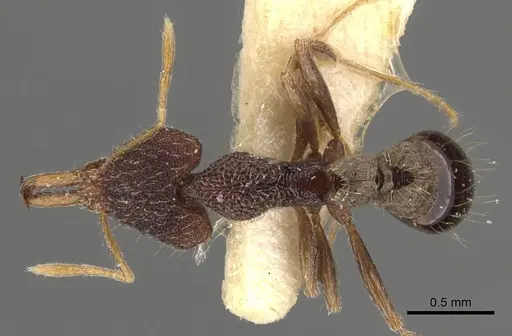
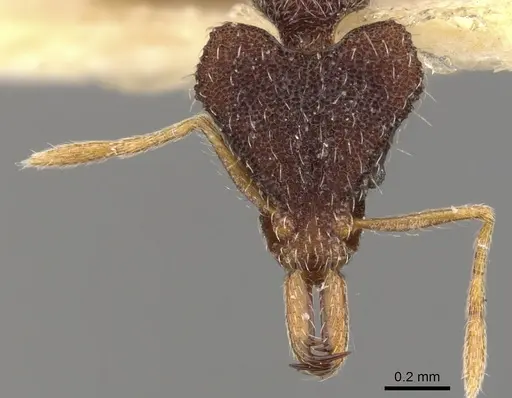
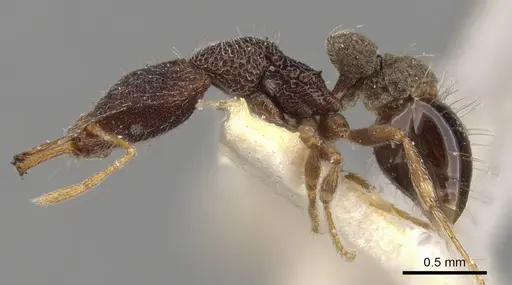
Literature
Loading...Loading products...