

Strumigenys lilloana
- Scientific Name
- Strumigenys lilloana
- Tribe
- Attini
- Subfamily
- Myrmicinae
- Author
- Brown, 1950
- Distribution
- Found in 1 countries
Strumigenys lilloana Overview
Strumigenys lilloana is an ant species of the genus Strumigenys. It is primarily documented in 1 countries , including Brazil. Detailed taxonomic data and occurrence records can be further explored via authoritative databases such as AntWeb or the Global Biodiversity Information Facility (GBIF).
Strumigenys lilloana
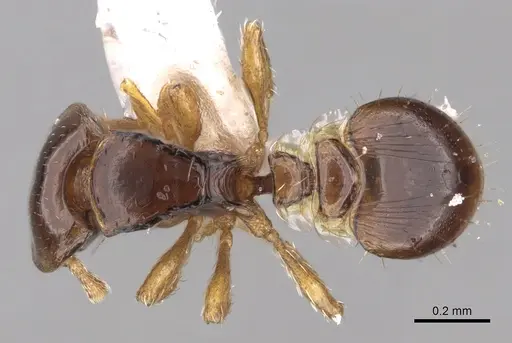
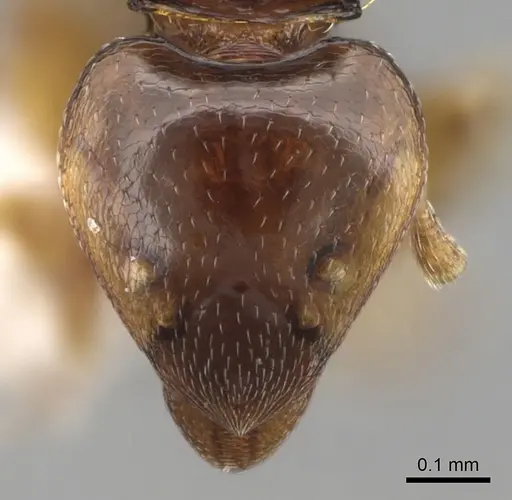
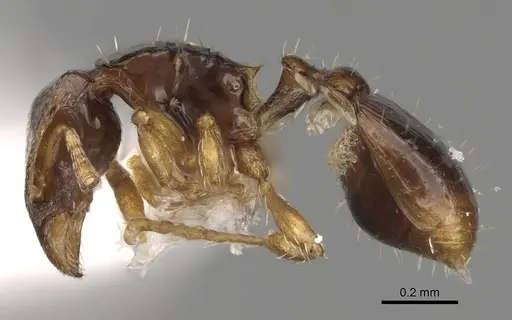
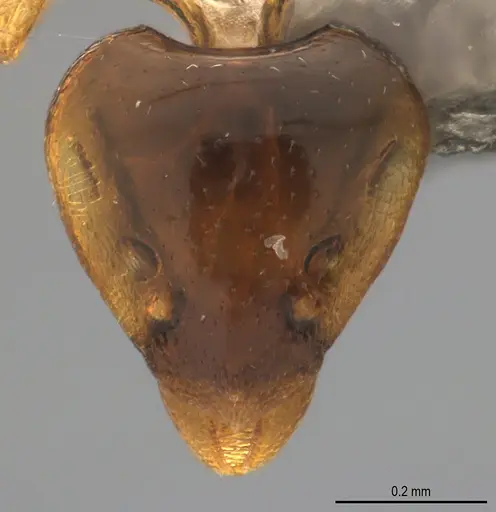
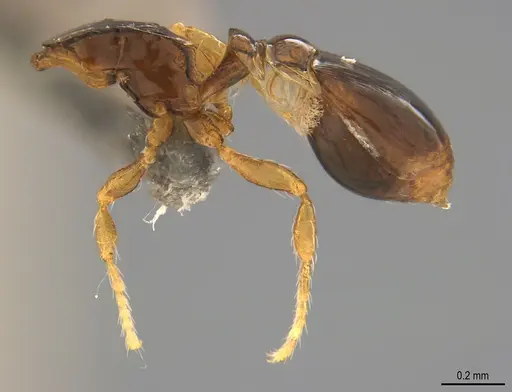
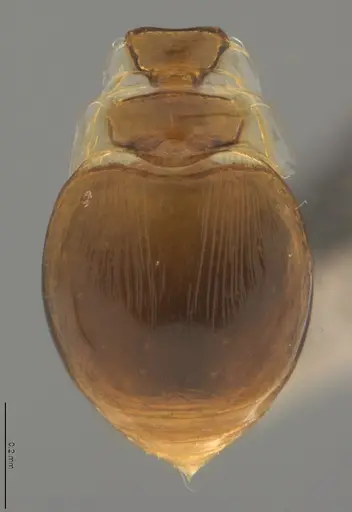
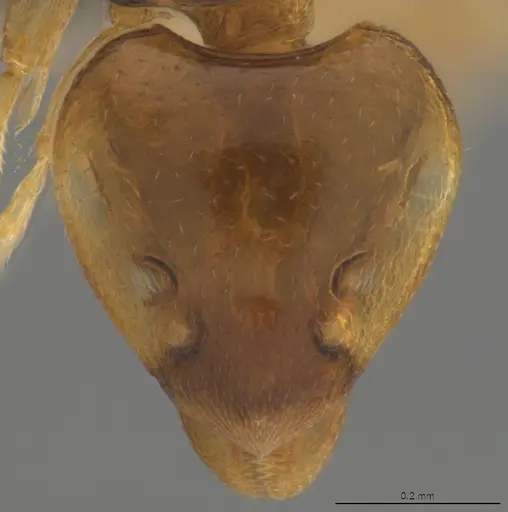
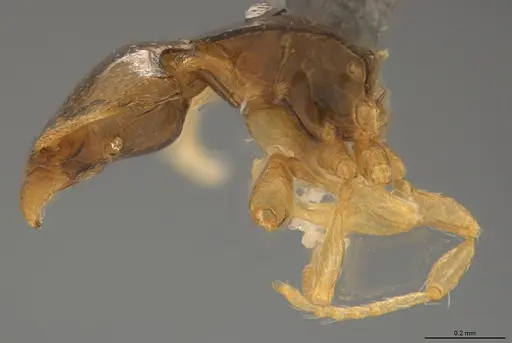
Strumigenys lilloana is a tiny trap-jaw ant native to the Neotropical region, found in Argentina and Brazil. Workers measure just 1.9-2.3mm in length, making them one of the smaller ant species you'll encounter. They have a distinctive dark brown body with lighter yellowish petiole and postpetiole, and their most striking feature is the broad, heart-shaped head with enlarged mandibles capable of snapping shut at incredible speeds, a trap-jaw mechanism used to capture prey. This species belongs to the Strumigenys lilloana group, which is closely related to Strumigenys minuscula and characterized by 6-segmented antennae and a completely concealed preocular carina.
Almost nothing is known about the specific biology of S. lilloana, the scientific literature explicitly states this gap [1]. However, like all Strumigenys, they are predatory ants that likely hunt small soil-dwelling arthropods such as springtails. The genus is famous for its spring-loaded mandibles that can snap shut in milliseconds to capture prey. They probably live in small colonies and nest in humid microhabitats like rotting wood or leaf litter in the forest floor.
Quick Summary
- Difficulty: Medium
- Origin & Habitat: Neotropical region, Argentina and Brazil. Found in the seasonally dry tropical forest of northeastern Brazil and the Argentine province of Tucumán. They likely inhabit humid forest floor microhabitats with rotting wood and leaf litter.
- Colony Type: Colony structure is unconfirmed. Based on typical Strumigenys patterns, they likely have single-queen colonies (monogyne) with relatively small colony sizes, probably under 100 workers given their tiny size and presumed predatory lifestyle.
- Size & Growth:
- Queen: Not described in available literature, estimated around 2.5-3mm based on worker size and genus patterns
- Worker: 1.9-2.3mm
- Colony: Unknown, but likely small, probably under 100 workers based on similar Strumigenys species
- Growth: Unknown, likely moderate to slow given their small size and predatory diet
- Development: Unconfirmed, estimates based on related Strumigenys species suggest 6-10 weeks at tropical temperatures (No specific development data exists for this species. Related Strumigenys typically develop slowly due to their specialized predatory lifestyle.)
- Antkeeping:
- Temperature: Keep at 24-28°C, they are a tropical species requiring warm, stable conditions. A gentle gradient allowing them to self-regulate is ideal.
- Humidity: High humidity is essential, aim for 70-85%. These are forest floor ants that need consistently moist substrate. Keep the nest area damp but not waterlogged.
- Diapause: Likely minimal or no true diapause given their tropical distribution. They may reduce activity during cooler periods but probably don't require a hibernation-style rest.
- Nesting: Preferred nest types include naturalistic setups with moist substrate, small acrylic nests, or Y-tong nests with tight chambers scaled to their tiny size. They need humid conditions with minimal ventilation to prevent drying out.
- Behavior: Strumigenys lilloana is a predatory trap-jaw ant. Their most notable behavior is the spring-loaded mandible mechanism, when triggered, their mandibles snap shut at extreme speed to capture small prey like springtails and other micro-arthropods [1]. They are likely docile toward keepers but can deliver a sharp nip if handled roughly. Escape prevention is critical due to their tiny 2mm size, they can squeeze through remarkably small gaps. They are slow-moving compared to many ants and spend much of their time hunting in the substrate.
- Common Issues: tiny size means escapes are likely without fine mesh barriers and tight-fitting lids, high humidity requirements can lead to mold problems if ventilation is poor, lack of documented captive breeding means establishing colonies may be challenging, predatory diet requires live micro-prey which can be difficult to source consistently, slow colony growth may frustrate keepers expecting rapid development
Housing and Nest Setup
Strumigenys lilloana requires a setup that maintains high humidity while providing space for their predatory lifestyle. A small acrylic nest (Y-tong style) or a naturalistic terrarium-type setup works well. Because they are tiny (under 2.5mm), chambers and passages should be appropriately scaled, tight enough that they feel secure but wide enough for movement. The nest substrate should remain consistently moist but never waterlogged. A water tube connected to the nest chamber helps maintain humidity through capillary action. Avoid excessive ventilation as it causes the setup to dry out, which is fatal for these humidity-dependent ants. Given their small size, use fine mesh on any openings, they can escape through gaps that would hold back larger ants. [1]
Feeding and Diet
Strumigenys lilloana is a specialized predator, likely feeding primarily on springtails (Collembola) and other tiny soil-dwelling arthropods in the wild [1]. In captivity, their primary food should be live springtails, these are the ideal prey item and what they would hunt in nature. You can culture your own springtail colony to ensure a constant supply. Other acceptable prey includes tiny isopods, booklice (psocids), and other micro-arthropods. They are unlikely to accept sugar sources or dead protein, Strumigenys are obligate predators that rely on hunting live prey with their trap-jaw mandibles. Feed small prey items every 2-3 days, adjusting based on colony size and consumption rate. Remove uneaten prey to prevent mold.
Temperature and Humidity
As a Neotropical species from Argentina and Brazil, Strumigenys lilloana requires warm, humid conditions. Keep the nest area at 24-28°C, this falls within the range of their natural tropical habitat. Temperature can be maintained using a heating cable on one side of the setup to create a gentle gradient, but always ensure the ants can move to cooler areas if needed. Humidity is critical: maintain 70-85% relative humidity by keeping the substrate consistently moist. Use a water tube or reservoir connected to the nest to provide constant moisture through capillary action. Monitor for condensation on the nest walls, this indicates good humidity. Avoid placing the setup near air conditioning or heating vents that could cause fluctuations.
Understanding Their Trap-Jaw Mechanism
Strumigenys ants possess one of the fastest predatory mechanisms in the animal kingdom. Their enlarged mandibles contain a spring-loaded mechanism that can snap shut in milliseconds, faster than a Venus flytrap [1]. When hunting, they detect prey through vibrations and chemical cues, then rapidly snap their mandibles to capture the victim. This is why live prey is essential, the hunting behavior is triggered by movement. In captivity, you may observe them positioning themselves near springtail cultures or waiting in ambush. The mandibles also serve as a defense, while they cannot sting, a nip from their sharp mandibles can be startling. This specialized hunting mechanism means they are not suitable for keepers who want to feed them dead insects or protein paste, they simply won't recognize it as food.
Colony Establishment
Establishing a colony of Strumigenys lilloana may prove challenging since nothing is known about their specific founding behavior. Based on genus patterns, the queen likely seals herself in a small chamber (claustral founding) and raises her first workers alone using stored fat reserves. The first workers (nanitics) will be very small and may take several months to develop. Wild-caught colonies are the most reliable way to obtain this species, as captive breeding is not well-documented. When acquiring a colony, look for healthy, active workers and a laying queen. Quarantine new colonies for a few weeks and monitor for parasites or health issues before introducing them to your main setup. Colonies likely remain small, perhaps 20-50 workers at maturity, given their specialized predatory lifestyle. [1]
Frequently Asked Questions
How long does it take for Strumigenys lilloana to develop from egg to worker?
The exact development time is unconfirmed for this species. Based on related Strumigenys species, expect approximately 6-10 weeks from egg to first worker at optimal tropical temperatures (around 26°C). Development is likely slower than many common ant species due to their specialized predatory lifestyle.
What do Strumigenys lilloana ants eat?
They are obligate predators that require live micro-prey. Their primary food should be live springtails, these are the ideal prey that matches their natural diet. They may also accept other tiny arthropods like tiny isopods and booklice. They are unlikely to accept sugar water, honey, or dead protein. Live prey is essential to trigger their trap-jaw hunting behavior.
Are Strumigenys lilloana good for beginners?
This species is not ideal for beginners. While their small size makes them visually interesting, they have very specific care requirements: high humidity, warm temperatures, and most importantly, a constant supply of live micro-prey. The lack of documented captive breeding information also makes them challenging. They are better suited for experienced antkeepers who can provide the specialized diet and environmental conditions they need.
How big do Strumigenys lilloana colonies get?
Colony size is unconfirmed but likely remains small, probably under 100 workers at maturity. This is typical for Strumigenys species, which are specialized predators that don't form the large colonies seen in many other ant genera. Their predatory lifestyle and requirement for live prey limits how large their colonies can grow.
Can I keep multiple Strumigenys lilloana queens together?
This has not been documented for this species. Based on typical Strumigenys behavior, they likely form single-queen colonies (monogyne). Combining unrelated queens is not recommended as it has not been studied and could result in aggression. If you acquire a colony, assume it is single-queen and house it accordingly.
What temperature do Strumigenys lilloana need?
Keep them at 24-28°C, which matches their Neotropical habitat in Argentina and Brazil. A slight gradient allowing them to self-regulate is ideal. Use a heating cable on one side of the setup if room temperature is below this range. Avoid temperatures below 22°C or above 30°C.
Do Strumigenys lilloana need hibernation or diapause?
Likely no. As a tropical species from Argentina and Brazil, they probably don't require a true hibernation period. They may reduce activity during cooler periods, but a full diapause is not necessary. Maintain warm temperatures year-round (24-28°C) for optimal colony health.
Why are my Strumigenys lilloana dying?
Common causes include: drying out (they require high humidity, if the substrate dries, they die quickly), lack of live prey (they won't eat dead food), temperatures that are too cold (below 22°C), or escapes due to their tiny size. Also check for mold issues from excessive moisture. Review each parameter and adjust accordingly.
When should I move Strumigenys lilloana to a formicarium?
Wait until the colony is established with at least 10-15 workers before considering a move. They do well in small acrylic nests or naturalistic setups from the start. The key is maintaining humidity, if using a formicarium, ensure it has good moisture retention and appropriate chamber sizes for their tiny 2mm workers.
How do I breed Strumigenys lilloana?
Captive breeding of this species has not been documented in the available literature. Their biology is poorly studied, and established protocols don't exist. If you wish to attempt breeding, focus on providing optimal conditions: high humidity, warm temperatures, and a constant supply of live springtails. Be patient, even successful breeding would likely take many months.
References

This caresheet is licensed under CC BY-SA 4.0 .
Literature
Loading...Loading products...