

Strumigenys lewisi
- Scientific Name
- Strumigenys lewisi
- Tribe
- Attini
- Subfamily
- Myrmicinae
- Author
- Cameron, 1886
- Common Name
- Ant
- Distribution
- Found in 3 countries
Strumigenys lewisi Overview
Strumigenys lewisi (commonly known as the Ant) is an ant species of the genus Strumigenys. It is primarily documented in 3 countries , including China, Japan, Korea. Detailed taxonomic data and occurrence records can be further explored via authoritative databases such as AntWeb or the Global Biodiversity Information Facility (GBIF).
Strumigenys lewisi - "Ant"
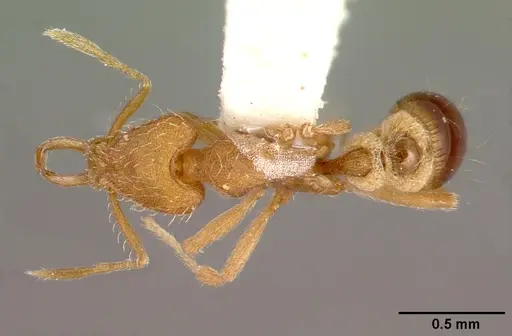
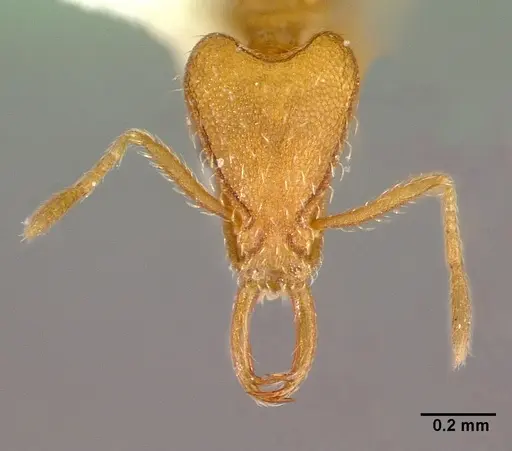
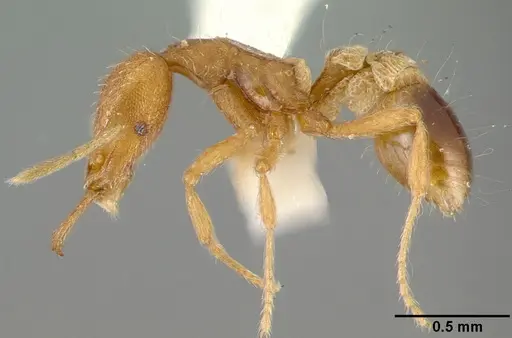
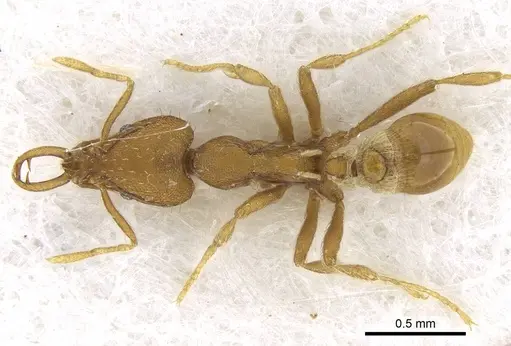
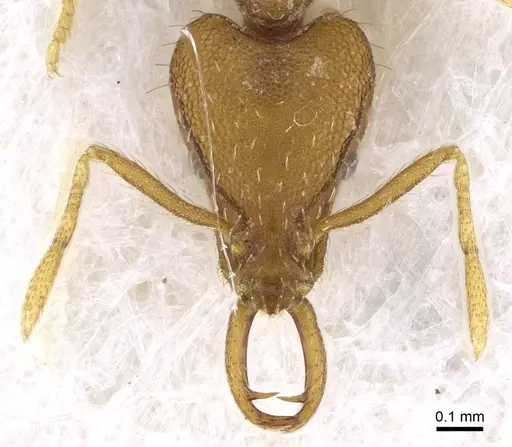
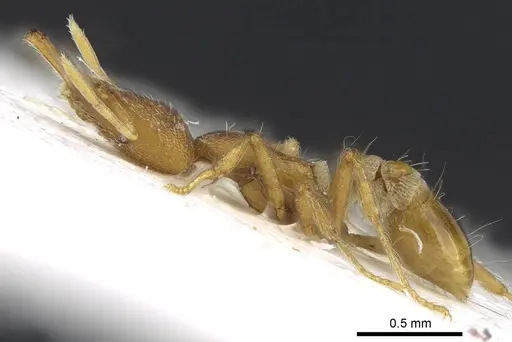
Strumigenys lewisi is a tiny predatory ant native to East Asia, measuring just 2.6-2.7mm in workers [1]. These ants have distinctive long, slender mandibles with teeth at the tip and a yellowish-brown to reddish-brown body [1]. They belong to the tribe Attini (fungus-growing ants) and are known for their specialized predatory behavior on springtails (Collembola) [2]. The species is predominantly polygynous, meaning colonies typically have multiple queens working together [1]. S. lewisi is one of the most common soil-inhabiting ants in Japan, found across Honshu, Shikoku, Kyushu, and the Ryukyu Islands, as well as in Korea, China, and Taiwan [2][1].
Quick Summary
- Difficulty: Medium
- Origin & Habitat: Native to Japan, Korea, China, Taiwan, and Vietnam. Found in both closed and open broadleaf forests from elevations up to 1180m [3]. Nests are found under stones or logs, in soil, decayed stumps, or bamboo stems [2].
- Colony Type: Polygynous, colonies typically have multiple queens working together [1]. Colonies are small, usually containing between tens and 100 workers [2].
- Colony: Polygyne
- Size & Growth:
- Queen: 0.63-0.70mm head length [1]
- Worker: 2.6-2.7mm total length [1]
- Colony: Up to 100 workers [2]
- Growth: Moderate
- Development: Unknown, no specific development data available for this species (Development time is unconfirmed. Based on typical Strumigenys patterns and their small colony size, expect several months from egg to first worker.)
- Antkeeping:
- Temperature: Keep at room temperature around 20-24°C. This species is found in temperate forests of Japan and Korea, so they prefer cooler conditions than tropical ants. Avoid temperatures above 28°C.
- Humidity: High humidity preferred, they inhabit forest floor environments. Keep the nest substrate consistently moist but not waterlogged. These ants are sensitive to drying out.
- Diapause: Yes, based on their distribution in temperate Japan and Korea, they likely require a winter rest period. Reduce temperature to around 10-15°C for 2-3 months during winter.
- Nesting: Soil-based nests work best. In captivity, they do well in test tube setups with moist soil or in naturalistic setups with a soil layer. They prefer nesting under objects like stones or logs in nature.
- Behavior: These ants are specialized predators that hunt springtails using their long, slender mandibles [4]. The mandibles remain open at an angle of at least 170 degrees while waiting for prey [4]. They are not aggressive toward humans and rarely sting. Due to their tiny size (about 2mm), escape prevention is critical, they can squeeze through very small gaps.
- Common Issues: tiny size means escapes are likely without fine mesh barriers, specialized diet, they only eat live springtails, making them difficult to feed, small colony size means slow population growth, sensitive to drying out, require consistently moist substrate, rare in the hobby and rarely available from suppliers
Housing and Nest Setup
Strumigenys lewisi does best in soil-based setups. A test tube setup with a moist cotton ball works for founding colonies, but established colonies need more space. Use a naturalistic setup with a soil layer of at least 2-3cm, or a formicarium with a soil chamber. Keep the substrate consistently moist, these forest-floor ants are sensitive to drying out. Add small pieces of wood, stones, or leaf litter to give them hiding spots. Because they are tiny (about 2mm), use fine mesh on any openings to prevent escapes. [2][1]
Feeding and Diet
This species is an obligate predator on springtails (Collembola) [2][5]. They do not eat sugar or typical ant foods, you must provide live springtails. In captivity, you can culture your own springtails in a separate container to have a constant food supply. Offer 2-3 springtails per worker every few days. Remove uneaten prey after 24 hours to prevent mold. Do not attempt to feed them other insects, they are highly specialized hunters and will not accept alternative prey [4].
Temperature and Seasonal Care
Keep these ants at room temperature, ideally 20-24°C. They come from temperate regions in Japan and Korea, so they prefer cooler conditions than many tropical ants. Avoid temperatures above 28°C. During winter, they benefit from a diapause period, reduce temperatures to 10-15°C for 2-3 months to simulate winter. This helps maintain their natural cycle and may improve colony health long-term. Monitor for signs of stress like workers clustering together or avoiding heated areas. [2][1]
Behavior and Temperament
Strumigenys lewisi is a calm, non-aggressive ant. Workers hunt individually using their specialized long mandibles, which they hold open at a 170+ degree angle while waiting for prey to pass by [4]. They are not defensive and rarely attempt to sting. Colonies are polygynous, meaning you may see multiple queens in an established colony. Workers are tiny (about 2mm) and very quick-moving. They spend most of their time in the nest or foraging in the substrate. Because of their small size, they are excellent escape artists, use tight-fitting lids and fine mesh barriers.
Colony Structure
This species is predominantly polygynous, meaning colonies naturally have multiple queens [1]. Queens are relatively small and colonies stay small, typically only tens to 100 workers [2]. This is normal for the species and you should not try to separate queens. The small colony size is not a sign of poor health. In the wild, winged forms (reproductives) appear in August [2]. Queens may have reduced wings and flight ability, especially in northern populations [1].
Frequently Asked Questions
Can I keep Strumigenys lewisi in a test tube?
Yes, test tubes work for founding colonies. Use a test tube with a water reservoir and keep the substrate consistently moist. However, established colonies will need more space, transfer to a naturalistic setup with a soil layer.
What do Strumigenys lewisi ants eat?
They only eat live springtails (Collembola). This is an obligate predator, they will not accept sugar, honey, or other insects. You need to culture your own springtails to feed them consistently.
How long until first workers in Strumigenys lewisi?
The exact development time is unconfirmed. Based on typical Strumigenys patterns and their small colony size, expect several months from egg to first worker. Be patient, small colonies grow slowly.
Can I keep multiple queens together in Strumigenys lewisi?
Yes, this species is naturally polygynous, multiple queens live together in the same colony. This is normal behavior for this species and you should not separate them.
How big do Strumigenys lewisi colonies get?
Colonies typically reach 50-100 workers at maximum. This is a small colony size and is normal for the species.
Are Strumigenys lewisi good for beginners?
No, they are considered medium difficulty. Their specialized diet (only eating live springtails) makes them challenging to keep. They require constant access to live prey and are sensitive to husbandry errors.
Do Strumigenys lewisi need hibernation?
Yes, based on their distribution in temperate Japan and Korea, they benefit from a winter rest period. Reduce temperature to 10-15°C for 2-3 months during winter.
Why are my Strumigenys lewisi dying?
Common causes include: dried-out substrate (they need constant moisture), wrong food (they only eat springtails, not other insects), temperatures too high (keep below 28°C), or escapes due to inadequate barriers. Check these factors first.
When to move to a formicarium?
Move to a larger setup when the test tube becomes crowded or the colony reaches 20-30 workers. Use a naturalistic setup with moist soil, not a dry acrylic nest.
References

This caresheet is licensed under CC BY-SA 4.0 .
Literature
Loading...Loading products...