

Strumigenys laticeps
- Scientific Name
- Strumigenys laticeps
- Tribe
- Attini
- Subfamily
- Myrmicinae
- Author
- Brown, 1962
- Distribution
- Found in 3 countries
Strumigenys laticeps Overview
Strumigenys laticeps is an ant species of the genus Strumigenys. It is primarily documented in 3 countries , including Côte d'Ivoire, Gabon, Ghana. Detailed taxonomic data and occurrence records can be further explored via authoritative databases such as AntWeb or the Global Biodiversity Information Facility (GBIF).
Strumigenys laticeps
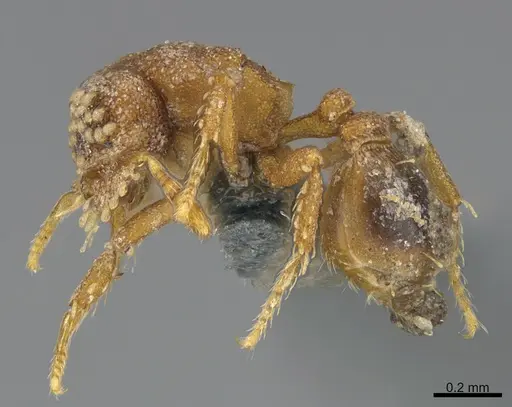
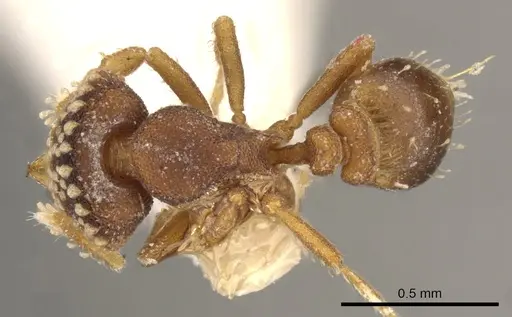
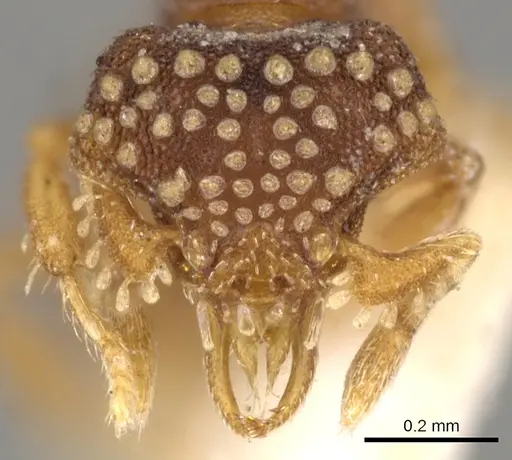
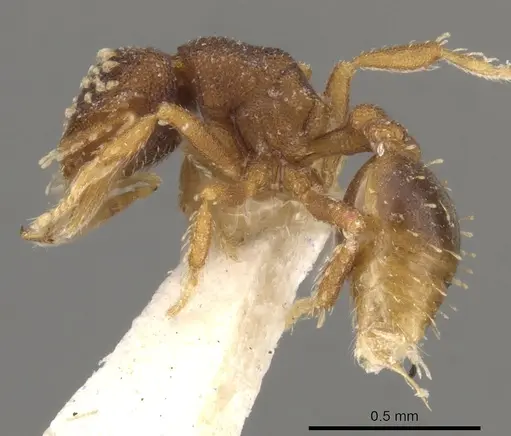
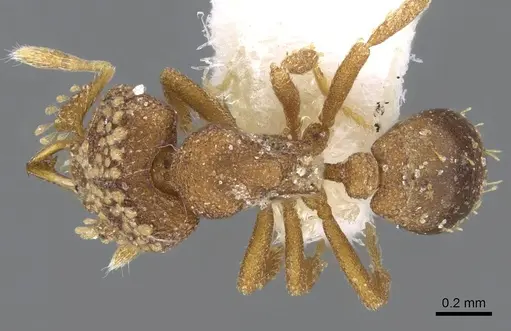
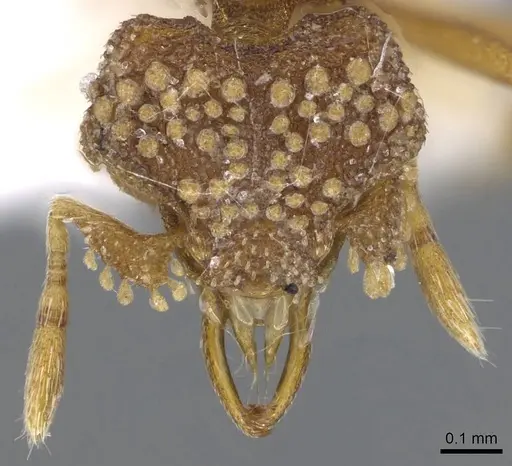
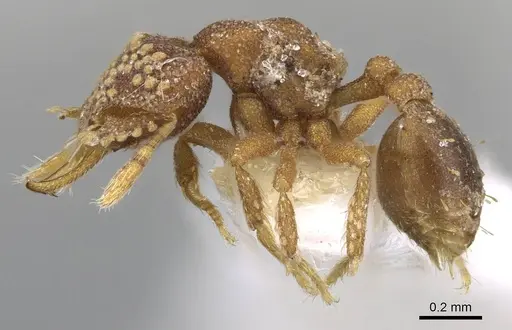
Strumigenys laticeps is a tiny predatory ant measuring just 1.7-2.2mm in total length. These ants belong to the dacetine tribe (Attini), a group known for their specialized snapping mandibles used to catch small prey like springtails and other micro-arthropods [1]. Workers are medium brown with a distinctly humped mesonotum (the middle body section) and carry six-segmented antennae. The head is finely textured with distinctive spoon-shaped hairs. This species belongs to the Strumigenys argiola group and is found across West Africa and Madagascar, typically in leaf litter habitats.
What makes Strumigenys special is their hunting strategy, they use trap-jaw mandibles to rapidly snap shut on prey, similar to their more famous relatives like Odontomachus (trap-jaw ants). However, dacetines target much smaller prey. These ants are rarely kept in captivity due to their specialized diet and tiny size, making them a challenge even for experienced antkeepers.
Quick Summary
- Difficulty: Expert
- Origin & Habitat: West Africa (Nigeria, Ghana, Ivory Coast, Cameroon, Gabon, Uganda) and Madagascar. Found in leaf litter in forest environments, typically at the base of dead trees[2].
- Colony Type: Likely monogyne (single queen colonies) based on typical Strumigenys patterns. Colony size is small, probably under 100 workers given their tiny size.
- Colony: Monogyne
- Size & Growth:
- Queen: Undocumented, estimated 2.5-3mm based on worker size and genus patterns
- Worker: 1.7-2.2mm
- Colony: Likely under 100 workers, typical for dacetine ants in the genus
- Growth: Slow, development is likely extended given small colony sizes
- Development: Unknown, estimated 8-12 weeks based on related dacetine species (No specific development data exists. Related Strumigenys species typically develop slowly, producing small numbers of workers over many months.)
- Antkeeping:
- Temperature: Keep around 24-26°C, these are tropical forest ants that need warmth [1]. A gentle gradient is helpful.
- Humidity: High humidity required, think damp leaf litter environment. Keep the nest substrate consistently moist but not waterlogged.
- Diapause: Unlikely, being tropical African, they probably don't require a true hibernation but may slow down during cooler periods.
- Nesting: Naturalistic setup works best, they nest in leaf litter and rotting wood in the wild. A Y-tong or plaster nest with fine chambers scaled to their tiny size would work. Keep nesting material humid.
- Behavior: Very shy and non-aggressive, these tiny ants avoid confrontation and are specialized predators. They hunt individually using their trap-jaw mandibles to capture springtails and other micro-arthropods. Escape prevention is critical due to their minute size, they can squeeze through incredibly small gaps. Not defensive and unlikely to sting.
- Common Issues: escape prevention is critical, they are tiny enough to squeeze through standard mesh, specialized diet makes them difficult to feed, require live micro-prey like springtails, slow growth tests keeper patience, colonies develop very slowly, wild-caught colonies may decline rapidly due to stress or inappropriate diet, high humidity needs can lead to mold problems if ventilation is poor
Housing and Nest Setup
Strumigenys laticeps requires a setup that mimics their natural leaf litter habitat. A naturalistic terrarium with a layer of moist forest floor substrate works well, use a mixture of soil and decaying leaf matter. Alternatively, a Y-tong (AAC) nest with very small chambers or a plaster nest with appropriately scaled passages can work. The key is chambers and tunnels sized for their tiny 2mm workers, passages should be narrow. Keep the nest material consistently humid but ensure some ventilation to prevent mold. A water reservoir or moisture gradient in the nest helps maintain proper humidity levels. Because they are so small, even minor gaps in housing can lead to escapes, use fine mesh and check seals regularly [1].
Feeding and Diet
This is the biggest challenge in keeping Strumigenys laticeps. As dacetine ants, they are specialized predators that hunt micro-arthropods, primarily springtails (Collembola) [1]. Their tiny size means they cannot tackle larger prey. You will need to culture a steady supply of springtails to keep them fed. Other small live prey like booklice (Psocoptera), minute soil mites, and fruit fly larvae may be accepted, but springtails should be the primary food. They are unlikely to accept sugar sources, dacetines are obligate predators. Feed small prey items every few days, removing any uneaten prey to prevent mold. The hunting behavior is fascinating to watch, they use their trap-jaw mandibles to snap shut on unsuspecting springtails.
Temperature and Humidity
Keep your colony at 24-26°C, which mimics the warm, humid conditions of West African forests. A heating cable on one side of the nest can create a temperature gradient, allowing ants to regulate their own temperature. Temperature affects their activity and development, too cold and they become sluggish, too hot and they may desiccate. Humidity should be high, aim for 70-80% relative humidity in the nest area. The substrate should feel damp to the touch but never soggy. Mist occasionally to maintain humidity, but allow the surface to dry slightly between mistings to prevent mold. A moisture gradient within the nest lets ants choose their preferred humidity level. [1]
Behavior and Temperament
Strumigenys laticeps is a shy, non-aggressive species. Workers are solitary hunters rather than foragers in groups. They spend most of their time hunting through the leaf litter layer, using their excellent vision to spot prey. Their trap-jaw mandibles are their primary defense and hunting tool, when threatened, they may quickly snap their jaws and retreat. They are not defensive and pose no threat to keepers. However, their tiny size means they are easily lost or crushed. Handle colonies gently and avoid disturbing them too often. They are most active at warmer temperatures and may become less active when cooler. [1]
Colony Development
Colony growth is very slow, this is typical for dacetine ants. A founding queen likely produces her first workers (nanitics) after several months, and the colony will remain small even when established. Maximum colony size is probably under 100 workers. The slow growth means keepers need patience, do not expect rapid expansion. Stress from disturbance, improper feeding, or unsuitable conditions can easily cause colony decline. Once established, colonies are long-lived but remain modest in numbers. The small colony size also means there is little brood to buffer against losses, each worker is valuable. [1]
Frequently Asked Questions
Can I keep Strumigenys laticeps in a test tube?
A test tube setup can work for a founding queen, but established colonies need more space. Their tiny size means you can use small test tube setups, but a naturalistic terrarium or small formicarium is better for long-term housing. The key is maintaining high humidity without flooding, use a small water reservoir and monitor moisture levels carefully.
What do Strumigenys laticeps eat?
They are specialized predators that need live springtails (Collembola) as their primary food. Other small live micro-arthropods may be accepted experimentally, but you should culture a springtail colony to ensure a steady food supply. They are unlikely to accept sugar water or commercial ant foods.
How long does it take for the first workers to emerge?
The exact timeline is unconfirmed, but based on related dacetine species, expect 8-12 weeks from egg to first worker at optimal temperature (around 25°C). Development is slow, and colonies remain small even after the first workers emerge.
Are Strumigenys laticeps good for beginners?
No, this species is expert-level difficulty. Their specialized diet (requiring live springtail cultures), tiny size (escape risk), and need for high humidity make them challenging. They are also rarely available in the antkeeping hobby. Beginners should start with more forgiving species like Lasius or Messor.
How big do Strumigenys laticeps colonies get?
Colony size is small, probably under 100 workers even at maturity. This is typical for dacetine ants, which produce fewer but more specialized workers rather than large worker armies.
Do Strumigenys laticeps need hibernation?
No, being tropical African ants, they do not require hibernation. They may slow down slightly during cooler periods, but a true diapause is not necessary. Keep them warm year-round at 24-26°C.
Why are my Strumigenys laticeps dying?
Common causes include: lack of appropriate live prey (they need springtails, not other foods), too low humidity (they need damp conditions), escape through tiny gaps, stress from disturbance, or temperature too low. Check each of these factors and adjust accordingly. Wild-caught colonies often decline rapidly due to collection stress.
Can I keep multiple queens together?
Not recommended, there is no data on multi-queen founding for this species. Based on typical Strumigenys behavior, single-queen colonies are most likely. Attempting to combine unrelated queens often leads to aggression.
When should I move them to a formicarium?
Wait until the colony has at least 20-30 workers before moving. Strumigenys prefer naturalistic setups with moist substrate anyway, so a formicarium may not be necessary. If you do move them, do so gently and ensure the new setup matches their humidity and temperature needs.
References

This caresheet is licensed under CC BY-SA 4.0 .
Literature
Loading...Loading products...