

Strumigenys lamia
- Scientific Name
- Strumigenys lamia
- Tribe
- Attini
- Subfamily
- Myrmicinae
- Author
- Bolton, 2000
- Distribution
- Found in 2 countries
Strumigenys lamia Overview
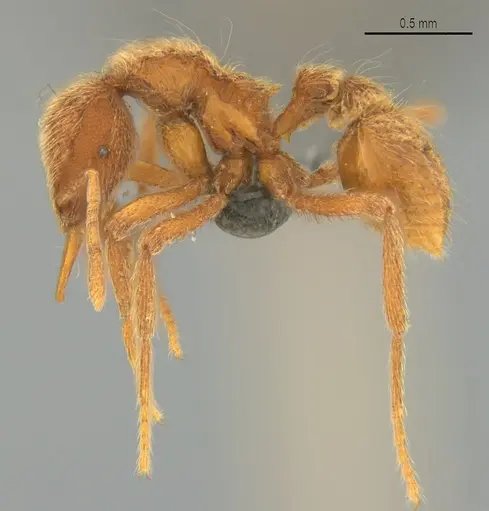
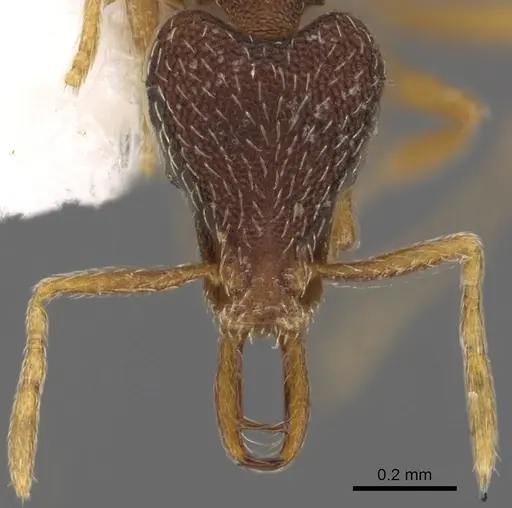
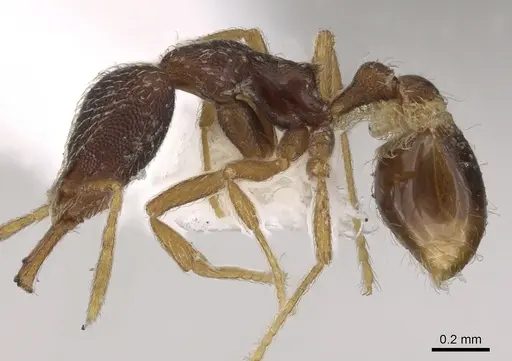
Strumigenys lamia is an ant species of the genus Strumigenys. It is primarily documented in 2 countries , including New Caledonia, Uganda. Detailed taxonomic data and occurrence records can be further explored via authoritative databases such as AntWeb or the Global Biodiversity Information Facility (GBIF).
Strumigenys lamia
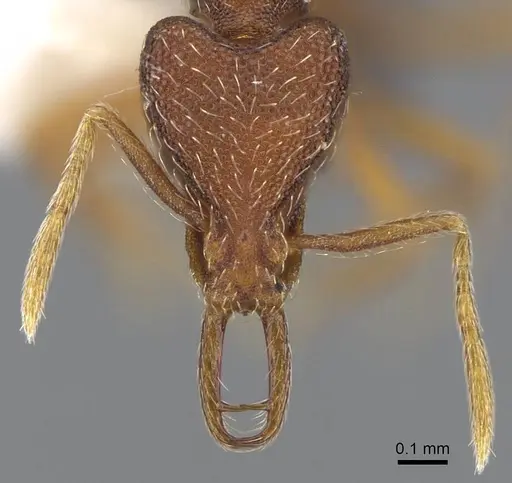
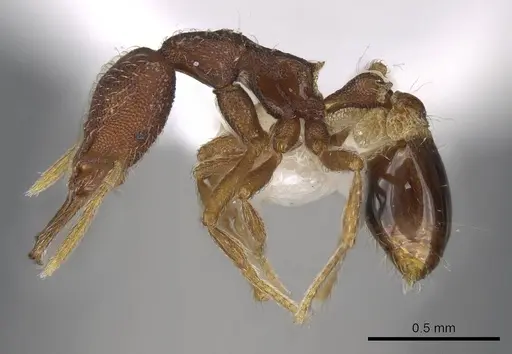
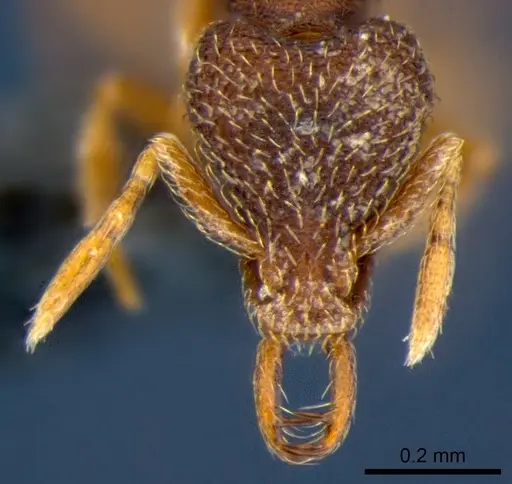
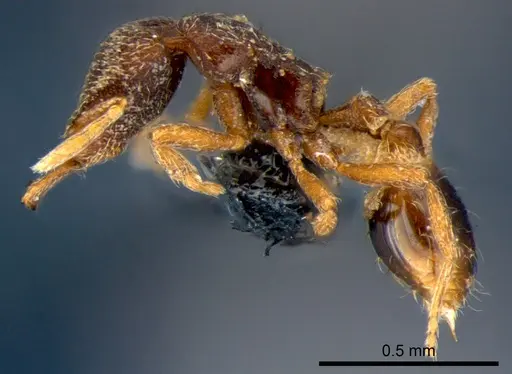
Strumigenys lamia is a tiny predatory ant species belonging to the trap-jaw ant genus Strumigenys. These ants are among the smallest in the ant-keeping hobby, with workers measuring just 2-3mm. They have distinctive trap-jaw mandibles that can snap shut with incredible speed to capture small prey like springtails. Their coloration ranges from golden-brown to reddish-brown, and they have a characteristic somewhat flattened body shape that helps them navigate through leaf litter and soil crevices. The genus Strumigenys is known for their specialized predatory lifestyle, hunting almost exclusively on micro-arthropods [1].
This species is native to New Caledonia, where it inhabits the island's tropical forest environments. Like other Strumigenys, S. lamia is a cryptic nester, typically found in moist leaf litter, rotting wood, and upper soil layers. They are rarely seen at the surface, preferring to remain hidden in their humid microhabitats. Colonies are relatively small compared to many common ant species, usually containing only a few dozen to a few hundred workers at maturity.
Quick Summary
- Difficulty: Expert
- Origin & Habitat: New Caledonia, tropical island forest habitat with high humidity [1]
- Colony Type: Likely single-queen colonies based on typical Strumigenys colony structure, though this is unconfirmed for this specific species
- Size & Growth:
- Queen: Estimated 3-4mm based on genus Strumigenys patterns
- Worker: Estimated 2-3mm based on genus Strumigenys patterns
- Colony: Likely 50-300 workers at maturity based on typical Strumigenys colony sizes
- Growth: Slow, Strumigenys colonies typically grow slowly due to specialized diet requirements and small colony sizes
- Development: Estimated 8-12 weeks at optimal temperature based on related Strumigenys species (Development time is estimated from genus-level data, specific timing for S. lamia has not been documented)
- Antkeeping:
- Temperature: Keep at 22-26°C, they need warm, stable temperatures typical of tropical species. A gentle gradient with a heating cable on one side of the nest works well.
- Humidity: High humidity is essential, aim for 70-85% relative humidity. These ants come from humid tropical forests and will quickly decline in dry conditions. Keep the nest substrate consistently moist but not waterlogged.
- Diapause: No, as a tropical species from New Caledonia, they do not require hibernation. They prefer year-round warm conditions.
- Nesting: Y-tong (AAC) nests or naturalistic setups with moist substrate work well. They prefer tight chambers and narrow passages scaled to their tiny size. Avoid dry or well-ventilated setups.
- Behavior: Strumigenys lamia is a specialized predator with a calm but alert temperament. They are not aggressive toward humans and rarely sting. Their primary defense is their speed, they will rapidly retreat when threatened. Escape prevention is critical due to their very small size, they can squeeze through the tiniest gaps. They are slow-moving when not hunting but can snap their mandibles shut with remarkable speed when capturing prey. Foraging is done individually or in small groups, searching through substrate for springtails and other micro-arthropods.
- Common Issues: escape prevention is critical, their tiny size means they can slip through standard barrier setups, specialized diet makes them difficult to feed, they require live springtails or similar micro-prey, high humidity requirements can lead to mold problems if ventilation is poor, slow growth can lead to keeper impatience and overfeeding attempts, wild-caught colonies may carry parasites that can devastate captive populations
Housing and Nest Setup
Strumigenys lamia requires careful housing due to their tiny size and humidity needs. A Y-tong (AAC) nest works well because it maintains humidity while allowing you to observe the colony. Alternatively, a naturalistic setup with moist soil and leaf litter can mimic their natural environment. The key is providing tight chambers and narrow passages, these ants feel secure in snug spaces and will not use large open areas. The nest should have a water reservoir to maintain humidity without frequent misting. Use a small outworld for feeding, as larger spaces can stress them. Escape prevention is absolutely critical, use fine mesh on any openings and apply fluon barriers, as they can slip through gaps smaller than 1mm.
Feeding and Diet
This is the most challenging aspect of keeping Strumigenys lamia. They are specialized predators that primarily hunt springtails (Collembola) in the wild. In captivity, you must culture your own springtail colony to provide a constant food source. Other small live prey like booklice (psocids), fruit flies, and tiny isopods may be accepted, but springtails should form the bulk of their diet. They will not accept dead prey, they require the movement of live prey to trigger their hunting response. Do not offer sugar water or honey, Strumigenys are strict predators and do not need carbohydrates. Feed small numbers of springtails every few days, removing any uneaten prey to prevent mold.
Temperature and Humidity Control
Strumigenys lamia needs warm, humid conditions year-round. Keep the nest at 22-26°C, with a slight gradient allowing workers to choose their preferred temperature. A heating cable placed on top of the nest (never underneath, as this can dry out the substrate) can help maintain warmth. Humidity should be maintained at 70-85%, this is non-negotiable for this species. Use a water reservoir in the nest setup and check regularly that the substrate remains moist. Condensation on the nest walls is a good sign that humidity is adequate. Poor humidity will quickly lead to colony decline and death.
Colony Establishment and Growth
Establishing a colony of S. lamia requires patience. If starting with a queen, she will likely seal herself into a claustral chamber (this is inferred from genus patterns) and raise her first workers alone on stored fat reserves. The founding process can take several months. Once the first nanitic workers emerge, the colony will slowly grow. Expect slow growth, Strumigenys colonies typically max out at 50-300 workers and take many months or even years to reach maturity. Do not attempt to speed up growth by overfeeding or raising temperatures too high, this can stress the colony. Let them establish at their natural pace.
Behavior and Temperament
Strumigenys lamia is a calm, non-aggressive species that poses no danger to keepers. They are not known to sting and will only bite if directly handled, which they actively avoid. Their primary defensive behavior is rapid retreat into the nest. They are cryptobiotic, spending most of their time hidden within the nest structure. Workers forage individually through the substrate, using their trap-jaw mandibles to capture springtails and other tiny prey. The mandibles can snap shut in milliseconds, this is fascinating to observe but serves a practical hunting purpose. They are not territorial or aggressive toward other colonies.
Frequently Asked Questions
Can I keep Strumigenys lamia in a test tube?
Test tubes are not ideal for Strumigenys lamia due to their high humidity requirements and small size. A Y-tong (AAC) nest or a naturalistic setup with moist substrate works much better. If you must use a test tube setup, use a small water reservoir and ensure excellent escape prevention.
What do Strumigenys lamia eat?
They are specialized predators that require live springtails as their primary food source. You will need to culture your own springtail colony. Other tiny live prey like booklice, fruit flies, and small isopods may be accepted occasionally. They do not eat sugar or honey, only live micro-arthropods.
How long until first workers appear in Strumigenys lamia?
Based on typical Strumigenys development, expect 8-12 weeks from egg to first worker at optimal temperature (around 24°C). This is an estimate based on genus patterns, as specific development timing for S. lamia has not been documented.
Are Strumigenys lamia good for beginners?
No, this is an expert-level species. Their specialized diet (requiring live springtail cultures), high humidity needs, tiny size making escape prevention difficult, and slow growth make them challenging even for experienced antkeepers. Start with easier species like Lasius or Tetramorium before attempting Strumigenys.
How big do Strumigenys lamia colonies get?
Based on typical Strumigenys colony sizes, they likely reach 50-300 workers at maturity. They are naturally small colonies and will never become massive like some common ant species. Growth is slow, often taking a year or more to reach 50 workers.
Do Strumigenys lamia need hibernation?
No, they do not need hibernation. As a tropical species from New Caledonia, they require year-round warm conditions (22-26°C). Attempting to hibernate them will likely kill the colony.
Why are my Strumigenys lamia dying?
The most common causes are: low humidity (below 70%), lack of live springtail prey, escape from the colony through tiny gaps, temperature too low or fluctuating, or parasites from wild-caught colonies. Review each of these factors and correct any issues immediately.
When should I move Strumigenys lamia to a formicarium?
It is generally best to keep them in a Y-tong or naturalistic setup rather than a traditional formicarium. If you do move them, wait until the colony has at least 20-30 workers and is clearly established. Handle during active hours and move the entire setup at once to minimize stress.
Can I keep multiple queens of Strumigenys lamia together?
This has not been documented for this species. Based on typical Strumigenys behavior, they are likely single-queen colonies. Combining unrelated queens is not recommended as it has not been studied and could result in aggression.
References

This caresheet is licensed under CC BY-SA 4.0 .
CASENT0280698
View on AntWeb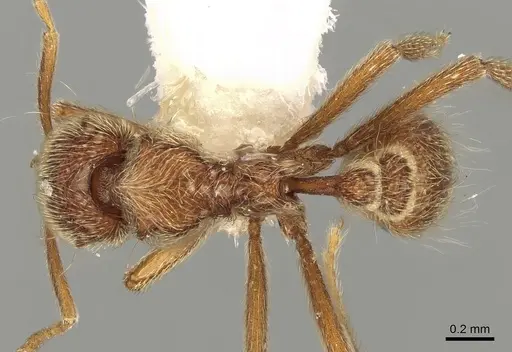
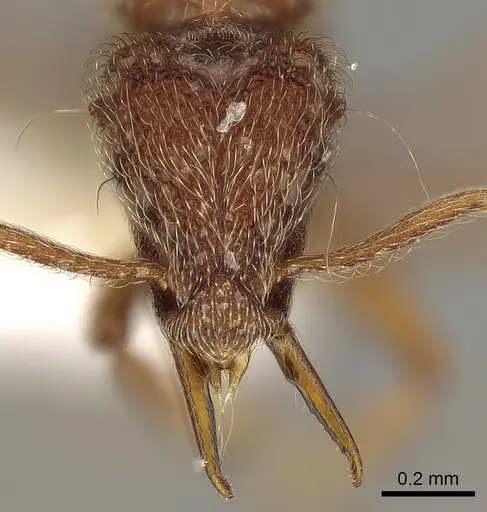
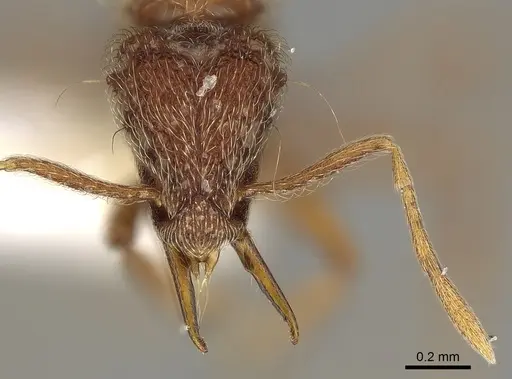
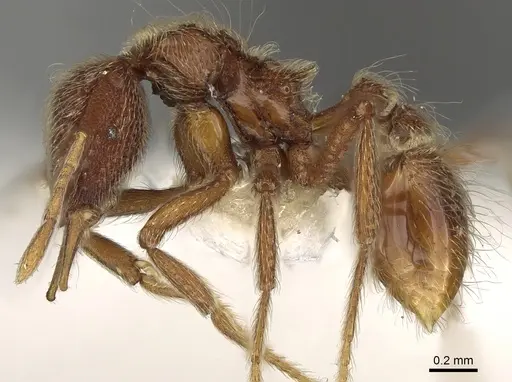
CASENT0358163
View on AntWeb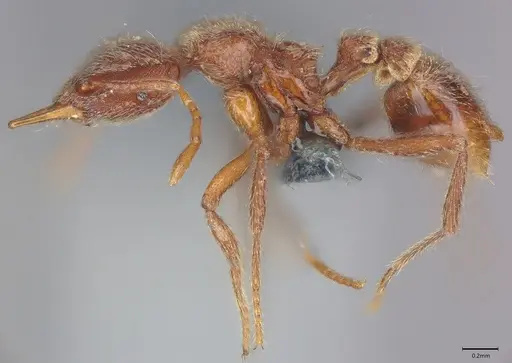
CASENT0358232
View on AntWeb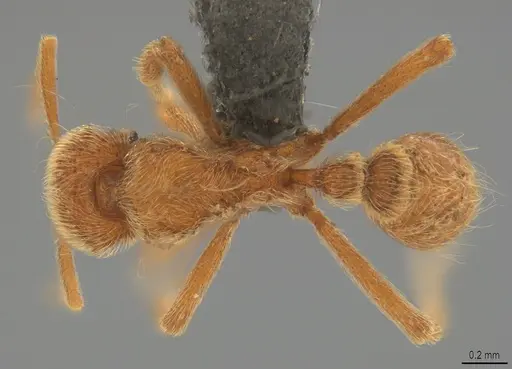
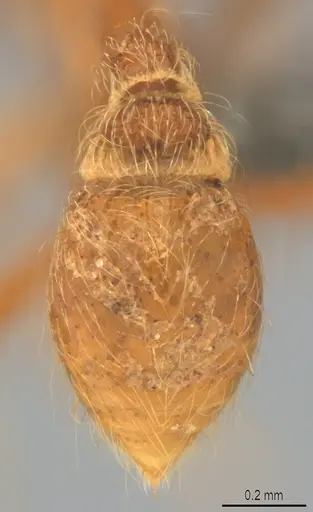
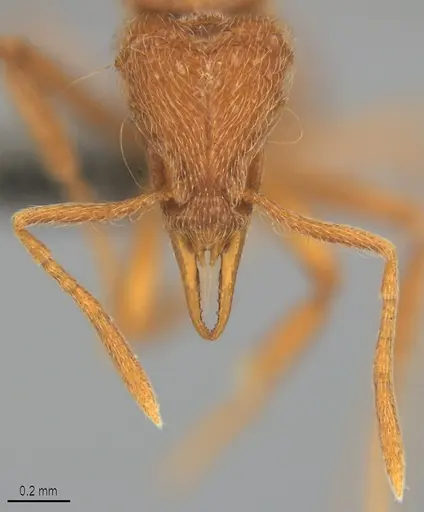
CASENT0900901
View on AntWeb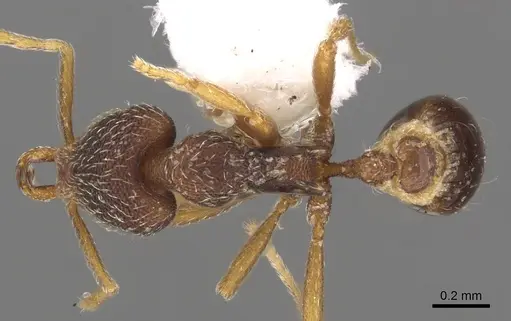
CASENT0914838
View on AntWeb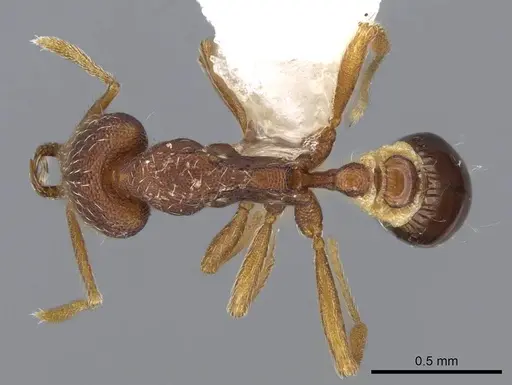
CSIRONC0173
View on AntWeb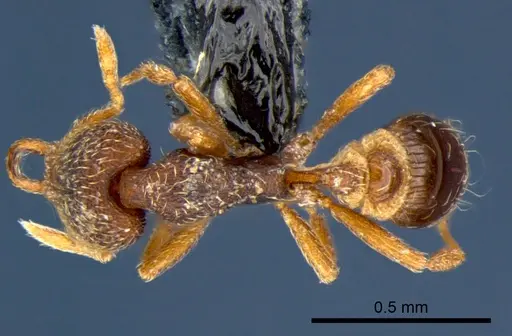
Literature
Loading...Loading products...