

Strumigenys lalassa
- Scientific Name
- Strumigenys lalassa
- Tribe
- Attini
- Subfamily
- Myrmicinae
- Author
- Bolton, 2000
- Distribution
- Found in 4 countries
Strumigenys lalassa Overview
Strumigenys lalassa is an ant species of the genus Strumigenys. It is primarily documented in 4 countries , including Costa Rica, Ecuador, Nicaragua. Detailed taxonomic data and occurrence records can be further explored via authoritative databases such as AntWeb or the Global Biodiversity Information Facility (GBIF).
Strumigenys lalassa
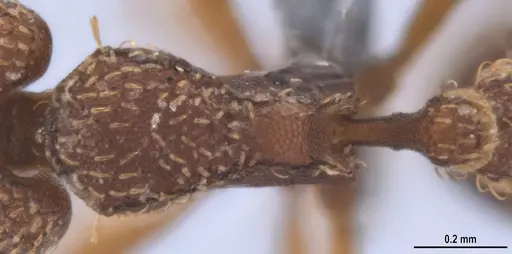
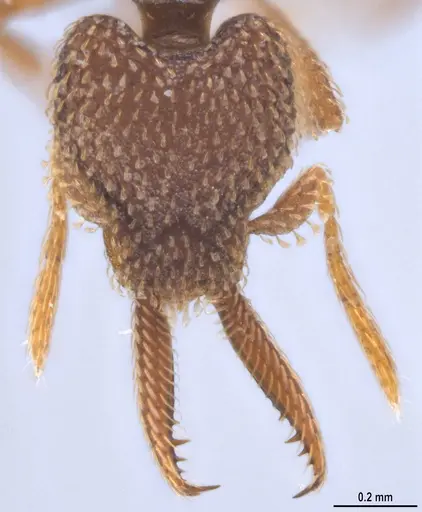
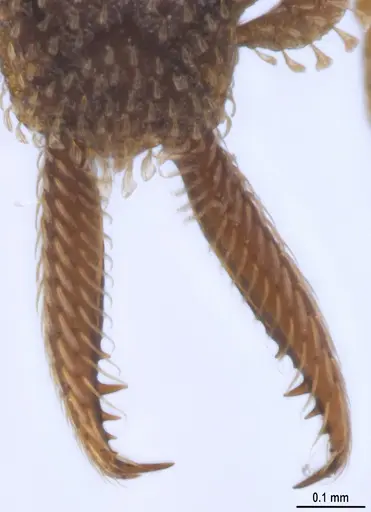
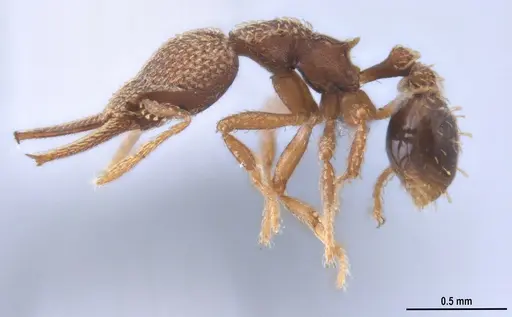
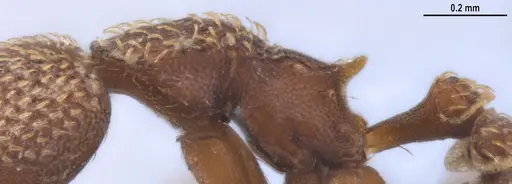
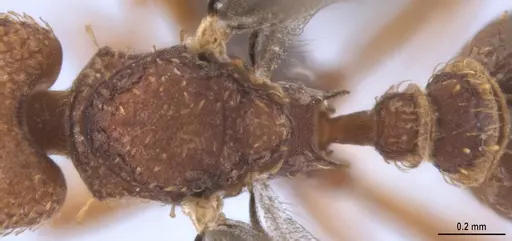
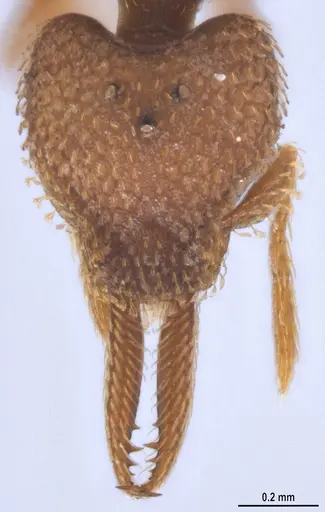
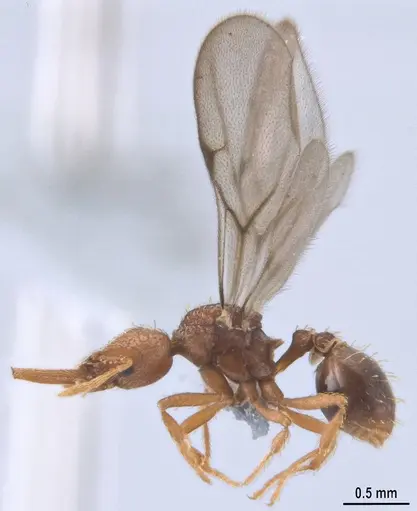
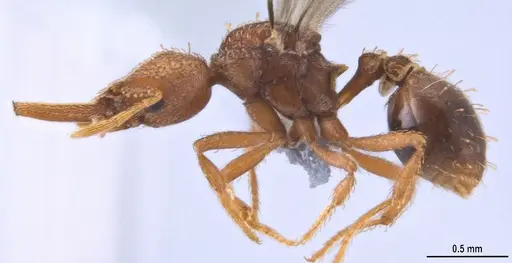
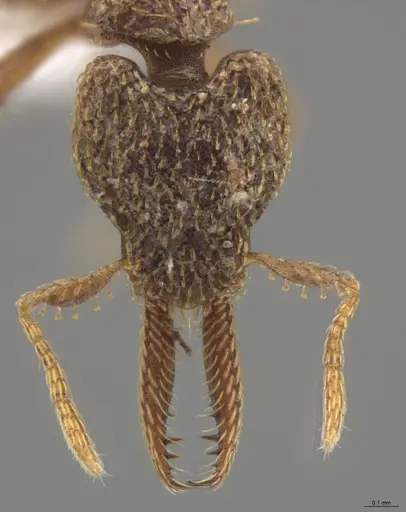
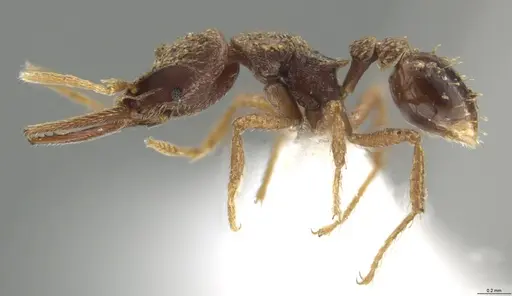
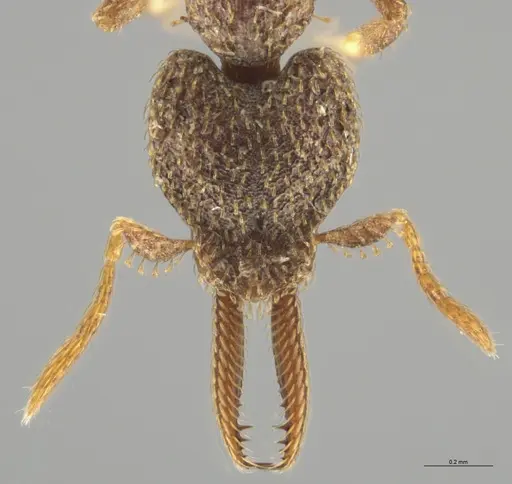
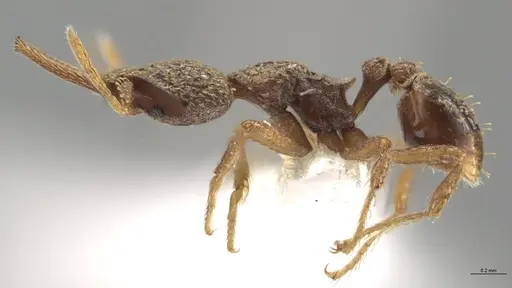
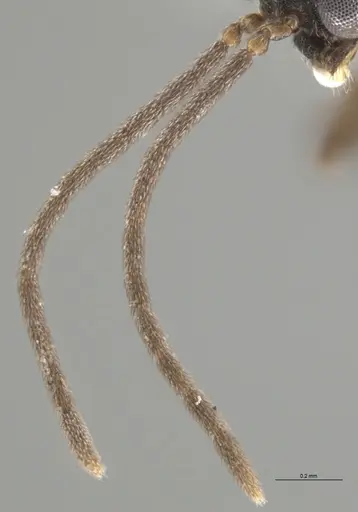
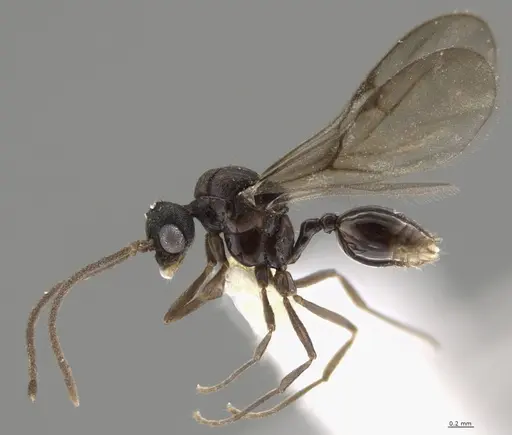
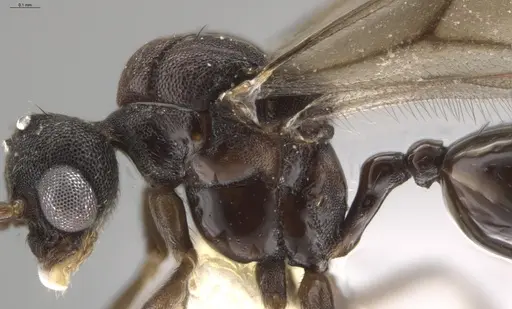
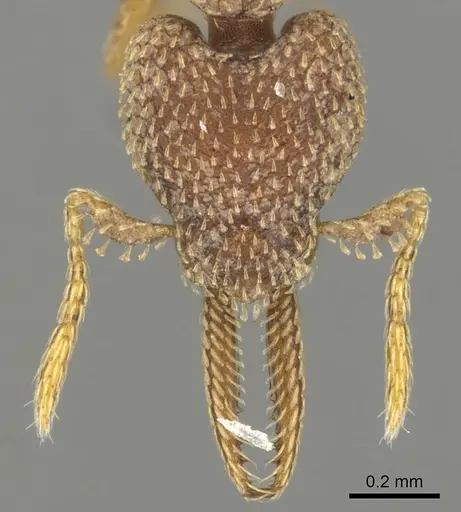
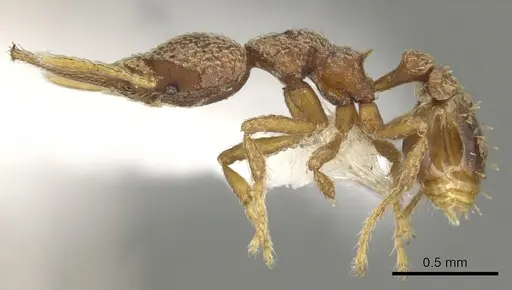
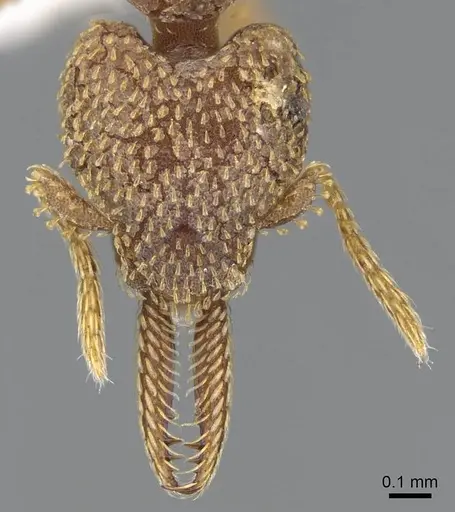
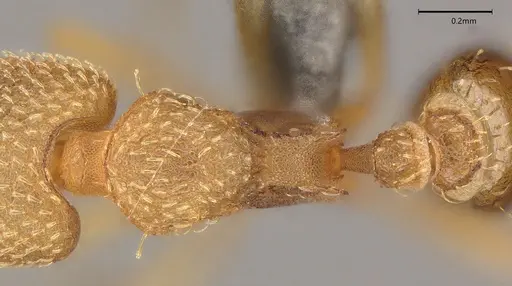
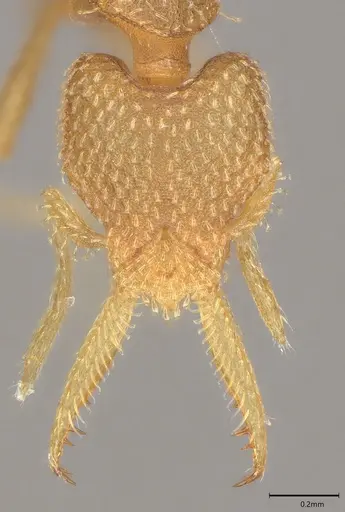
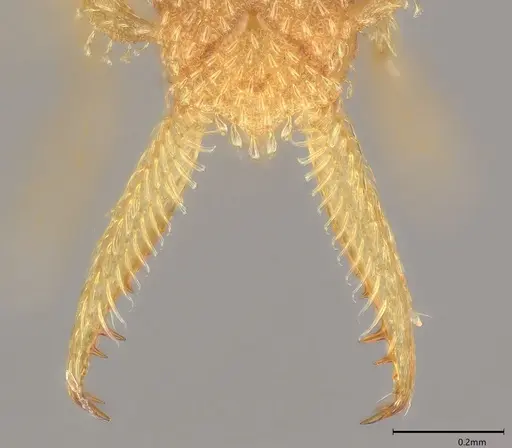
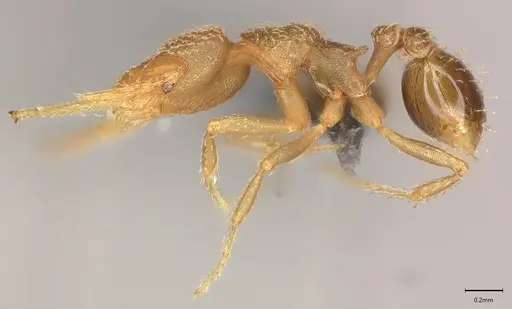
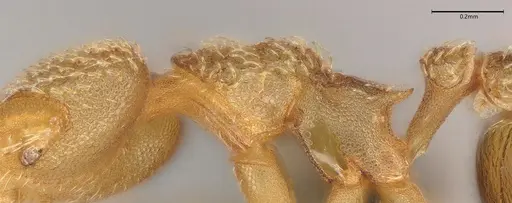
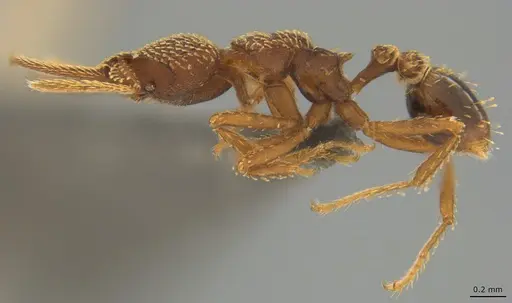
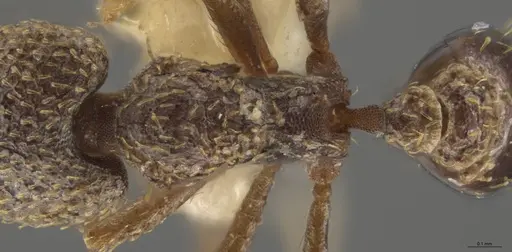
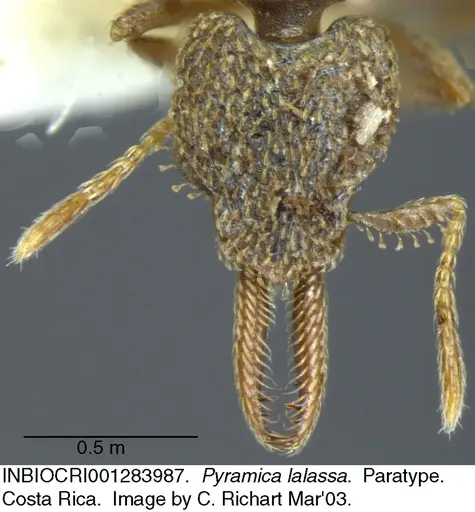
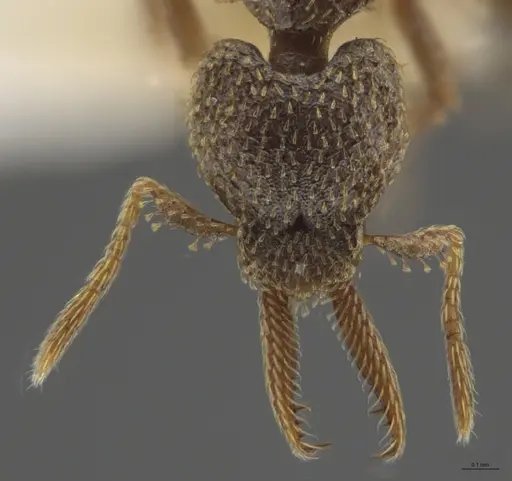
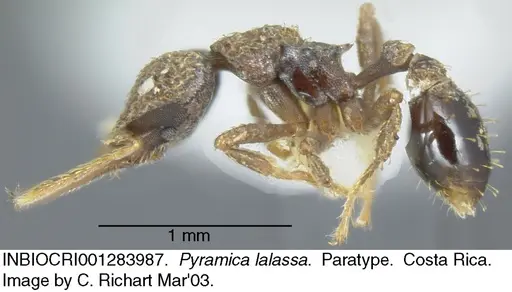
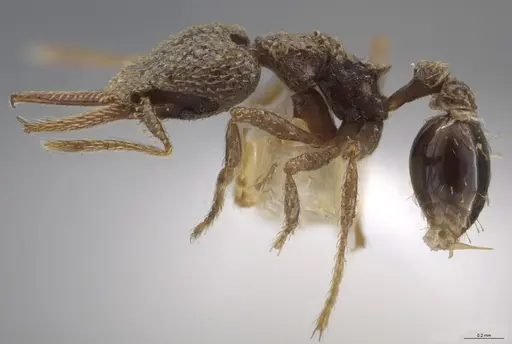
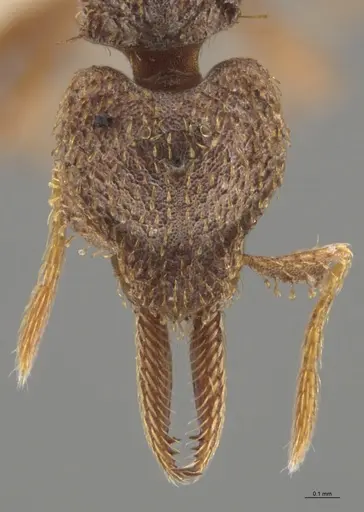
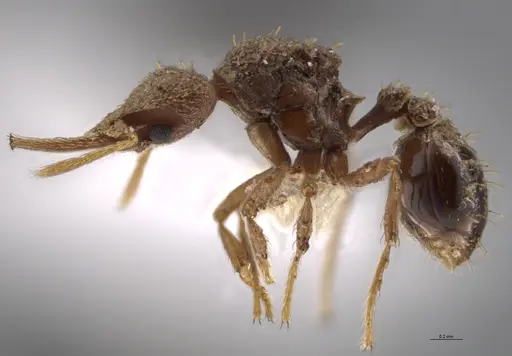
Strumigenys lalassa is a tiny predatory ant measuring just 2.6-2.9mm in total length. Workers have distinctive linear mandibles and carry broadly spatulate (spoon-shaped) hairs on their scapes, these curved hairs are one of their most recognizable features under magnification. The species lacks an apicoscrobal hair (the hair at the base of the scrobe) and has no standing hairs on the mesonotum, making it distinct from related species like S. nubila. The postpetiole disc shows a characteristic dense reticulate-punctate texture. This species belongs to the Strumigenys gundlachi group and is found across the Neotropical region from Panama through Costa Rica to Ecuador and Colombia [1].
These ants are specialized predators of springtails and other minute soil arthropods, hunting them using their elongated trap-jaw mandibles. They inhabit the leaf litter layer of wet forests, from lowland tropical areas up to cloud forest elevations around 1500m [2]. Their distribution peaks in mid-elevation and cloud forest sites, where they thrive in the constantly moist, shaded conditions of the forest floor.
Quick Summary
- Difficulty: Hard
- Origin & Habitat: Neotropical region: Colombia, Costa Rica, Ecuador, Panama. Inhabits wet forest habitats from lowlands to cloud forest, most abundant at mid-elevations and cloud forest sites. Lives in leaf litter on the forest floor [2][1].
- Colony Type: Likely monogyne (single queen) based on typical Strumigenys colony structure. Colony size is small, likely under 100 workers given their tiny size and the typical colony sizes seen in related litter-dwelling Strumigenys species.
- Colony: Monogyne
- Founding: Claustral
- Size & Growth:
- Queen: Undescribed, estimated 3-4mm based on worker size and typical genus proportions
- Worker: 2.6-2.9mm (TL)
- Colony: Likely under 100 workers based on typical Strumigenys litter-ant colony sizes
- Growth: Slow, these are tiny ants with specialized predatory diets
- Development: Estimated 8-12 weeks at optimal temperature based on related Strumigenys species development (Development times are not specifically documented for this species, estimates based on genus-level patterns for small Myrmicinae predators)
- Antkeeping:
- Temperature: Keep at 20-24°C, these are cloud forest ants that prefer cooler, stable conditions. Avoid temperatures above 26°C. A gentle gradient allowing cooler areas is beneficial.
- Humidity: High humidity is essential, think damp forest floor. Keep the nest substrate consistently moist but not waterlogged. These ants live in leaf litter where humidity stays constantly high [2].
- Diapause: Likely a mild seasonal slowdown during the dry season, though being tropical, they may not require true hibernation. Based on related species, expect reduced activity in cooler months.
- Nesting: Natural nesting occurs in leaf litter and rotting wood fragments on the forest floor. In captivity, a naturalistic setup with moist substrate (like a terrarium-style formicarium) works best. Y-tong or acrylic nests with very small chambers can work if humidity is carefully maintained. The key is maintaining constant moisture without flooding.
- Behavior: These are shy, slow-moving ants that rely on stealth to catch springtails. They are not aggressive and will flee rather than fight. Their tiny size (under 3mm) means escape prevention is critical, they can squeeze through remarkably small gaps. Workers forage individually through the substrate, hunting small arthropods. They are not climbers and rarely venture far from their nest area. Despite their small size, they have functional stingers but rarely use them due to their docile nature.
- Common Issues: tiny size makes escape likely without fine mesh barriers, specialized diet means colonies often starve if only given standard ant food, high humidity requirements can lead to mold problems if ventilation is poor, slow growth tests keeper patience, colonies may remain small for months, wild-caught colonies may carry parasites that cause decline
Housing and Nest Setup
Strumigenys lalassa requires a setup that mimics their natural leaf litter habitat. A naturalistic terrarium-style formicarium with a deep layer of moist substrate (a mix of soil and rotting wood fragments) works best. The substrate should remain damp but not waterlogged, think the moisture level of a forest floor after rain. You can use a test tube setup with a cotton plug, but you'll need to keep it in a humid enclosure to prevent drying. Y-tong nests with very small chambers can work, but the tiny workers may have trouble navigating standard-sized formicarium passages. Whatever setup you choose, ensure excellent escape prevention, these 2.6mm ants can squeeze through gaps you wouldn't believe. [1][2]
Feeding and Diet
This species is a specialized predator that requires live springtails as a primary food source. In the wild, they hunt springtails and other tiny soil arthropods using their elongated mandibles. In captivity, you must establish a springtail culture, these are easy to maintain in a separate container with moist charcoal or leaf litter. Other small live prey like booklice (psocids), tiny mites, and fruit fly larvae may be accepted, but springtails should form the bulk of their diet. Sugar sources are generally not accepted, Strumigenys are obligate predators. Do not attempt to feed them standard ant pellets or honey water, they will ignore these. Feed small prey items every 2-3 days, removing any uneaten prey after 24 hours to prevent mold. [2]
Temperature and Humidity
Keep temperatures in the 20-24°C range, these are cloud forest ants that prefer cooler conditions than most tropical species. Avoid temperatures above 26°C, as this can stress and kill colonies. Room temperature (around 21-23°C) is often ideal for this species. Humidity is critical: maintain substrate moisture at all times. The forest floor where they live is constantly damp, and drying out quickly kills these ants. Use a hygrometer to monitor and keep relative humidity above 70%. A layer of leaf litter on top of the substrate helps retain moisture and provides hunting grounds. If using a test tube setup, keep it inside a humid plastic container. [2]
Behavior and Colony Dynamics
Strumigenys lalassa workers are shy and slow-moving. They forage individually through the substrate rather than forming visible foraging trails. When hunting, they move slowly and deliberately, using their antennae to detect vibrations of potential prey. Despite being in the tribe Attini (which includes leaf-cutter ants), this species is not a fungus grower, they are predators. Colonies remain small, typically under 100 workers even in mature colonies. Queens are likely claustral founders, sealing themselves in a chamber to raise the first brood on stored fat reserves. Workers are not aggressive and have functional stingers but rarely use them. The main behavioral concern is their tendency to stay hidden in the substrate, you may not see much activity at all, which can be misleading about colony health. [1]
Acquiring and Establishing a Colony
Finding Strumigenys lalassa in the wild requires sifting through leaf litter in wet forest areas, they are not commonly encountered. If you obtain a colony, expect slow growth initially. A founding queen may take several months to raise her first workers (nanitics), which will be very small. Once established, growth remains slow, these are not species that will explode in population size. When setting up a wild-caught colony, watch for parasites (tiny mites on workers are a bad sign) and provide appropriate prey immediately. Quarantine any new colony for a few weeks before introducing it to your main ant setup. Due to their specialized requirements and slow growth, this species is best suited for experienced antkeepers who can provide consistent conditions over many months. [2]
Frequently Asked Questions
Can I keep Strumigenys lalassa in a test tube?
Yes, but with caveats. A test tube setup can work if kept inside a humid enclosure to prevent drying. However, these tiny ants need very small water reservoirs, standard test tube setups risk flooding. A better option is a naturalistic setup with moist substrate where they can hunt through leaf litter. Whatever you use, ensure the entrance is sealed with fine mesh, they will escape through any gap.
What do Strumigenys lalassa eat?
They eat live springtails and other tiny arthropods. This is not optional, they are specialized predators that cannot survive on sugar water or standard ant food. You must establish a springtail culture to keep this species. Other small live prey like booklice, tiny mites, and fruit fly larvae may be accepted occasionally, but springtails should be their primary food [2].
How long until first workers in Strumigenys lalassa?
Expect 8-12 weeks from egg to first worker at optimal temperature (around 22°C). This is estimated based on related Strumigenys species, as specific development data doesn't exist for this species. The first workers (nanitics) will be very small. Growth is slow, don't expect rapid colony expansion.
Are Strumigenys lalassa good for beginners?
No. This is a difficult species to keep, they require high humidity, specialized live prey (springtails), and excellent escape prevention. Their slow growth and hidden lifestyle make it hard to assess colony health. They are best suited for experienced antkeepers who can maintain consistent conditions over many months.
How big do Strumigenys lalassa colonies get?
Likely under 100 workers. This is typical for small litter-dwelling Strumigenys species. They are not a species that produces large colonies, expect a small, quiet colony even when established.
Do Strumigenys lalassa need hibernation?
Probably not true hibernation, but they may reduce activity during cooler/drier seasons. Being tropical cloud forest ants, they prefer stable conditions year-round. If you keep them at consistent room temperature (20-24°C), no special winter care is needed.
Why are my Strumigenys lalassa dying?
Common causes: dried-out substrate (most common, they need constant moisture), starvation (no springtails), temperatures too high (above 26°C kills them), or escape (check for tiny gaps). Also check for mold from overwatering. These ants are sensitive to environmental changes, stability is key.
When to move Strumigenys lalassa to a formicarium?
Only when the colony is well-established with 20+ workers and you can maintain humidity properly. A naturalistic setup with moist substrate is often better than a standard formicarium for this species. They don't need much space, small colonies do fine in modest setups.
Can I keep multiple queens together?
Not recommended. There is no documented evidence of pleometrosis (multiple queens founding together) for this species. Based on typical Strumigenys behavior, single-queen colonies are most likely. Combining unrelated queens risks fighting.
References

This caresheet is licensed under CC BY-SA 4.0 .
ANTWEB1053273
View on AntWeb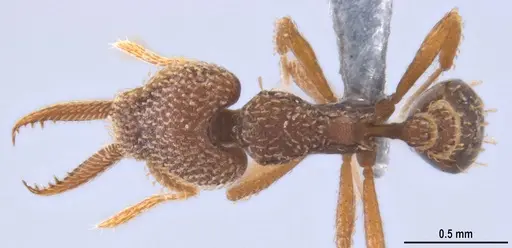
ANTWEB1053274
View on AntWeb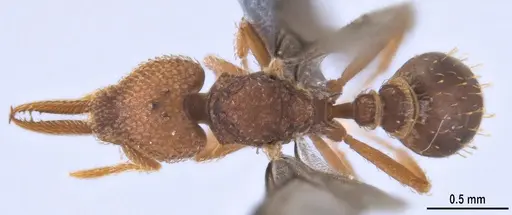
CASENT0624163
View on AntWeb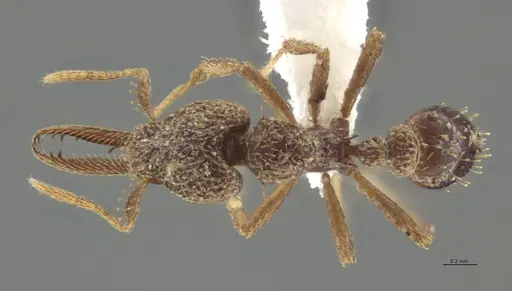
CASENT0633059
View on AntWeb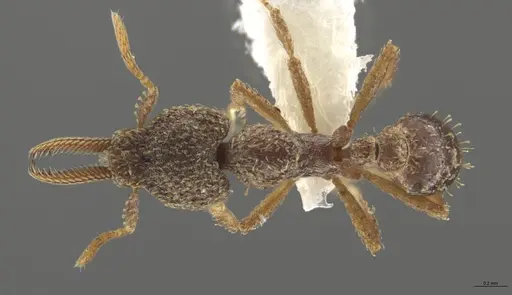
CASENT0637864
View on AntWeb
CASENT0637865
View on AntWeb
CASENT0900179
View on AntWeb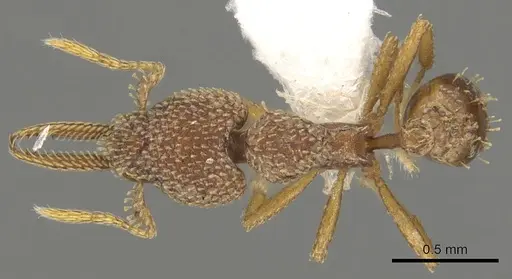
CASENT0914597
View on AntWeb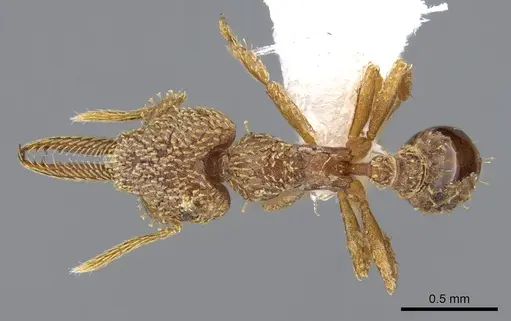
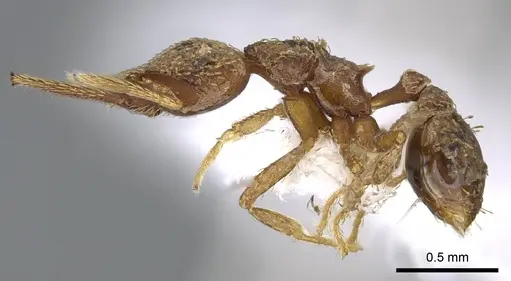
CASENT4036157
View on AntWeb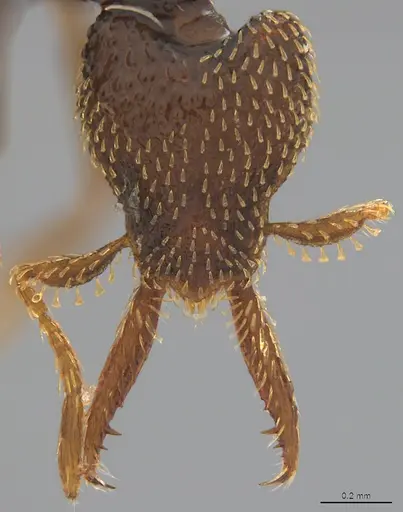
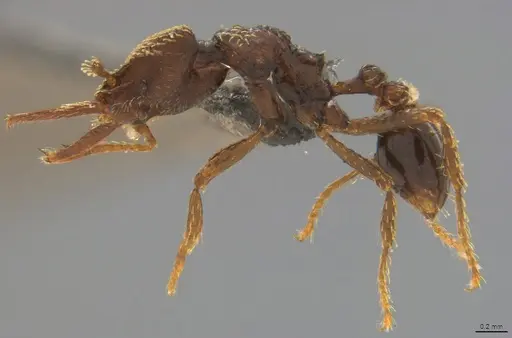
CASENT4036158
View on AntWeb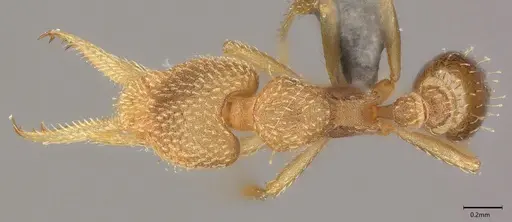
CASENT4036227
View on AntWeb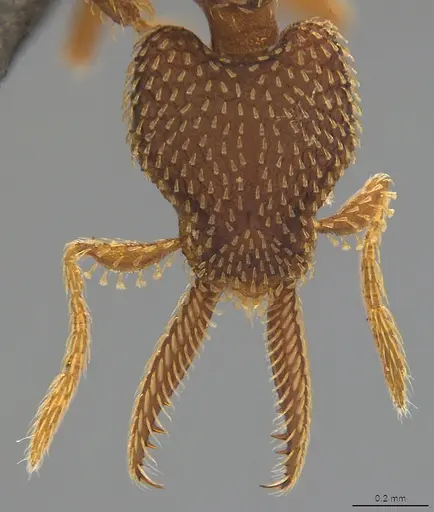
INBIOCRI001283987
View on AntWeb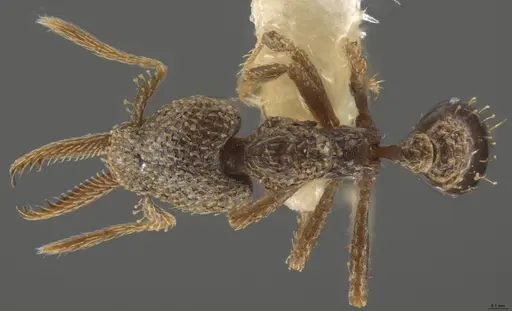
JTLC000005347
View on AntWeb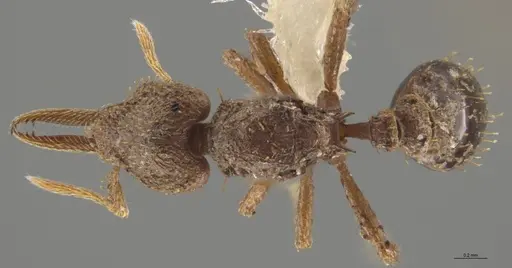
Literature
Loading...Loading products...