

Strumigenys labaris
- Scientific Name
- Strumigenys labaris
- Tribe
- Attini
- Subfamily
- Myrmicinae
- Author
- Fisher, 2000
- Distribution
- Found in 1 countries
Strumigenys labaris Overview
Strumigenys labaris is an ant species of the genus Strumigenys. It is primarily documented in 1 countries , including Madagascar. Detailed taxonomic data and occurrence records can be further explored via authoritative databases such as AntWeb or the Global Biodiversity Information Facility (GBIF).
Strumigenys labaris
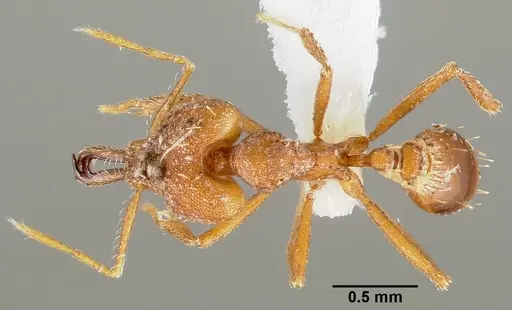
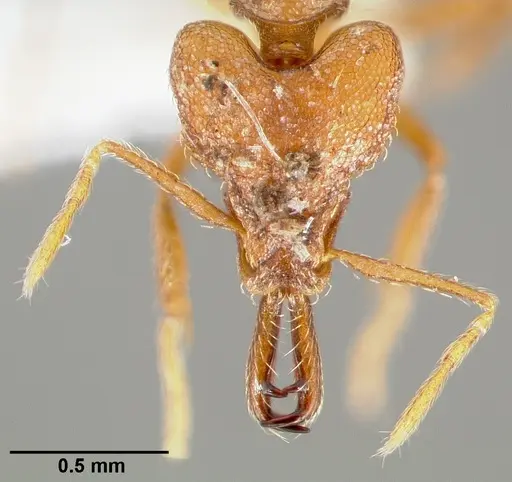
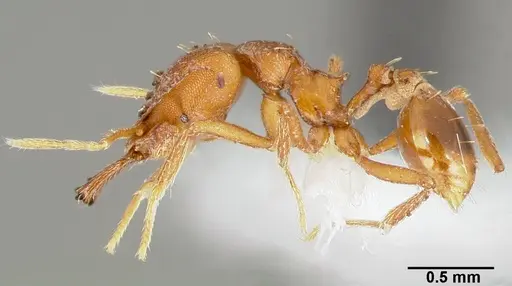
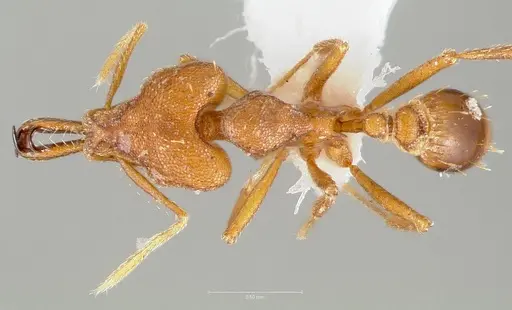
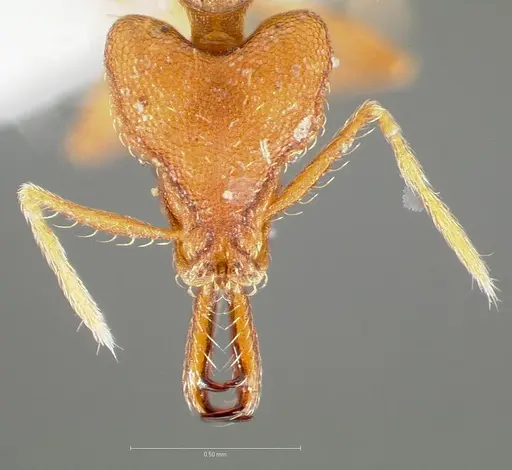
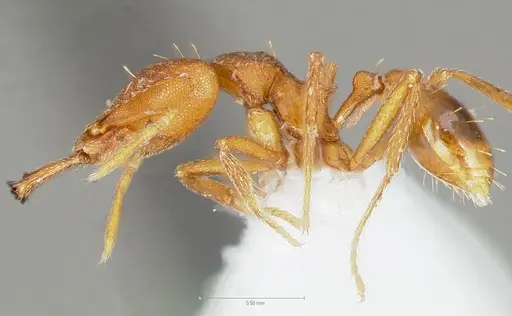
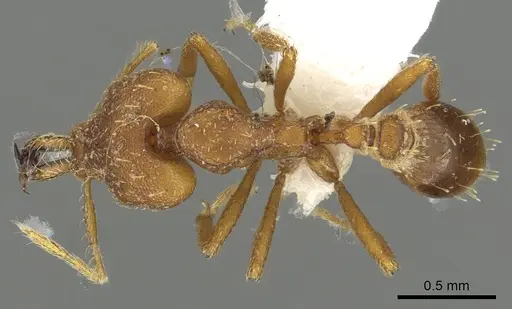
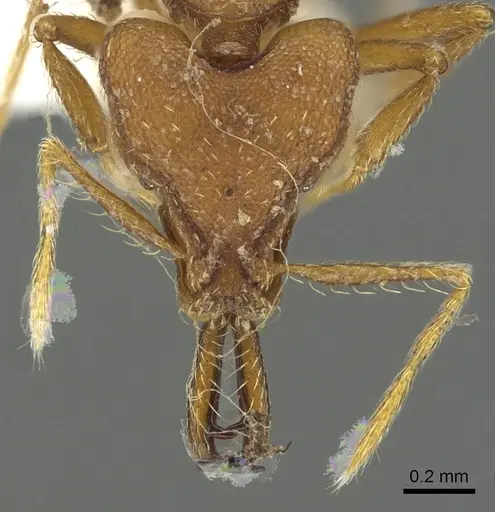
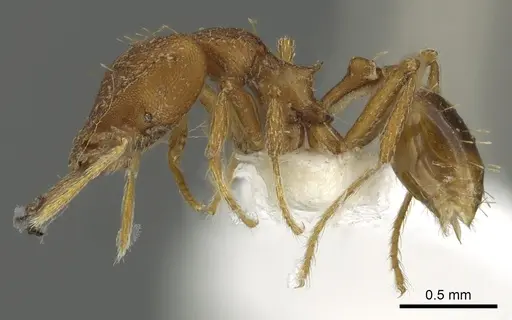
Strumigenys labaris is a tiny predatory ant species native to Madagascar. Workers are among the smallest in the genus, typically measuring 2-3mm, with distinctive trap-jaw mandibles capable of snapping shut at extreme speeds to capture prey. They have a pale to amber-colored body with characteristic elongated mandibles lined with teeth. This species was collected from leaf litter at high elevations of 1240m and 1580m in the Réserve Spéciale de Manongarivo, indicating they prefer cool, humid forest floor environments [1].
These ants are specialized predators that hunt small arthropods, primarily springtails and other micro-arthropods found in forest litter. Their trap-jaw mechanism is one of the fastest in the animal kingdom, allowing them to capture prey that would escape from larger predators. In captivity, they are fascinating to watch but require specific conditions to thrive.
Quick Summary
- Difficulty: Hard
- Origin & Habitat: Endemic to Madagascar, specifically collected from leaf litter at elevations of 1240m and 1580m in the Réserve Spéciale de Manongarivo [1]. They inhabit cool, humid forest floor environments in highland areas.
- Colony Type: Likely single-queen colonies based on typical Strumigenys behavior. Colony size is small, typically under 200 workers.
- Colony: Monogyne
- Founding: Claustral
- Size & Growth:
- Queen: Estimated 3-4mm based on genus typical measurements
- Worker: Estimated 2-3mm based on genus typical measurements
- Colony: Likely under 200 workers based on genus patterns
- Growth: Slow
- Development: Estimated 8-12 weeks based on related Strumigenys species at optimal temperature (Development is slow compared to many ants. First workers (nanitics) are very small.)
- Antkeeping:
- Temperature: Keep cool, around 18-22°C. High elevation origin means they prefer temperatures lower than typical tropical ants. Avoid overheating.
- Humidity: High humidity required, around 70-80%. Keep the nest substrate consistently moist but not waterlogged. These forest floor ants need damp conditions.
- Diapause: Likely requires a cool period during winter months, though specific requirements are unconfirmed. Reduce temperature to around 15°C for 2-3 months.
- Nesting: Prefers naturalistic setups with moist substrate. Leaf litter layers or a plaster/acrylic nest with small chambers works well. They need tight spaces scaled to their tiny size.
- Behavior: Very shy and non-aggressive. They will flee from disturbance rather than engage. Their primary defense is their trap-jaw mechanism, which they use to capture prey rather than for defense. Escape risk is moderate, their small size means they can slip through small gaps, but they are not strong climbers. They are slow-moving compared to many ants and spend most of their time hunting through leaf litter.
- Common Issues: specialized diet makes feeding difficult, they need live springtails or micro-arthropods, slow growth tests keeper patience and can lead to overfeeding, high humidity needs can cause mold if ventilation is poor, wild-caught colonies may have parasites that are difficult to treat, tiny size means escape prevention must be excellent
Housing and Nest Setup
Strumigenys labaris requires a naturalistic setup that mimics their forest floor habitat. A plaster or acrylic nest with small, tight chambers works well, or you can use a terrarium-style setup with layers of moist leaf litter. The key is providing small, scale-appropriate chambers, these tiny ants feel unsafe in large open spaces. Keep the nest area humid at 70-80% humidity. A water reservoir connected to the nest helps maintain moisture without flooding. Because they are poor climbers, smooth surfaces like Fluon barriers are effective for escape prevention. Avoid test tubes for long-term housing as they prefer the tight spaces of a proper formicarium. [1]
Feeding and Diet
This species is a specialized predator that requires live small arthropods. Their primary food should be live springtails (Collembola), which you can culture separately or purchase. They may also accept other micro-arthropods like booklice (psocids), minute soil mites, and small fruit fly larvae. Do not rely on sugar sources, Strumigenys are obligate predators and rarely accept honey or sugar water. Feed small prey items every 2-3 days, removing any uneaten prey after 24 hours to prevent mold. A well-established springtail culture in a bioactive setup can provide a constant food source.
Temperature and Seasonal Care
Keep these ants cooler than most species, aim for 18-22°C. Their high-elevation Madagascar origin means they are adapted to cooler, stable temperatures. Avoid temperatures above 25°C as this can stress the colony. During winter, reduce temperatures to around 15°C for 2-3 months to simulate their natural seasonal cycle. This cool period may help trigger breeding behavior when temperatures rise in spring. Use a low-output heating cable on one side of the nest only if room temperature falls below 18°C, and always provide a temperature gradient so ants can choose their preferred zone. [1]
Behavior and Observation
Strumigenys labaris is a fascinating species to observe due to their unique trap-jaw hunting mechanism. Workers hunt by slowly approaching prey, then snapping their mandibles shut at incredible speed, one of the fastest movements in the animal kingdom. They are shy and will retreat from threats rather than fight. You may notice them spending long periods motionless, waiting for prey to come within striking range. They are not aggressive toward humans and cannot sting. Their small size and cryptic behavior make them more of a watch-and-observe species rather than an interactive pet.
Colony Development
Colony growth is slow. A founding queen will lay a small number of eggs and tend them alone until the first workers (nanitics) emerge. These first workers are very small and may have difficulty hunting larger prey initially. Expect 8-12 weeks from egg to first worker at optimal temperature. Colonies remain small, typically reaching only 100-200 workers even at maturity. This slow growth and small colony size means Strumigenys are not the best choice if you want to observe large, bustling colonies. Patience is key, a mature colony may take 2-3 years to develop.
Frequently Asked Questions
What do Strumigenys labaris ants eat?
They are specialized predators that need live small arthropods. Feed them live springtails as a primary food source. They may also accept other micro-arthropods like booklice and small fruit fly larvae. They do not typically accept sugar sources or dead prey.
How long does it take for Strumigenys labaris to produce first workers?
Expect 8-12 weeks from egg to first worker at optimal temperature (around 20°C). Development is slow compared to many ant species. First workers (nanitics) are very small and may take time to become effective hunters.
What temperature do Strumigenys labaris ants need?
Keep them cool, between 18-22°C. They come from high-elevation Madagascar and prefer cooler conditions than typical tropical ants. Avoid temperatures above 25°C.
Are Strumigenys labaris good for beginners?
No, they are considered difficult to keep. Their specialized diet of live springtails, high humidity requirements, slow growth, and need for cool temperatures make them challenging. They are better suited for experienced antkeepers.
How big do Strumigenys labaris colonies get?
Colonies remain small, typically reaching only 100-200 workers at maturity. This is typical for the genus, they are not large colony builders.
Do Strumigenys labaris need hibernation?
Likely yes. Based on their high-elevation Madagascar origin, they probably benefit from a cool period in winter. Reduce temperatures to around 15°C for 2-3 months during winter.
Can I keep Strumigenys labaris in a test tube?
Test tubes are not ideal for long-term housing. They prefer naturalistic setups with small, tight chambers and high humidity. A plaster or acrylic formicarium with appropriate-sized chambers works better.
Why are my Strumigenys labaris dying?
Common causes include: wrong temperature (too warm), low humidity, lack of live prey, mold from overwatering, or stress from excessive disturbance. Ensure they have springtails to hunt and keep conditions cool and humid.
Where is Strumigenys labaris found in the wild?
They are endemic to Madagascar, specifically collected from leaf litter at elevations of 1240m and 1580m in the Réserve Spéciale de Manongarivo. They live in cool, humid forest floor environments.
References

This caresheet is licensed under CC BY-SA 4.0 .
Literature
Loading...Loading products...