

Strumigenys kraepelini
- Scientific Name
- Strumigenys kraepelini
- Tribe
- Attini
- Subfamily
- Myrmicinae
- Author
- Forel, 1905
- Distribution
- Found in 2 countries
Strumigenys kraepelini Overview
Strumigenys kraepelini is an ant species of the genus Strumigenys. It is primarily documented in 2 countries , including Indonesia, Malaysia. Detailed taxonomic data and occurrence records can be further explored via authoritative databases such as AntWeb or the Global Biodiversity Information Facility (GBIF).
Strumigenys kraepelini - "Trap-jaw Ant (General for Strumigenys)"
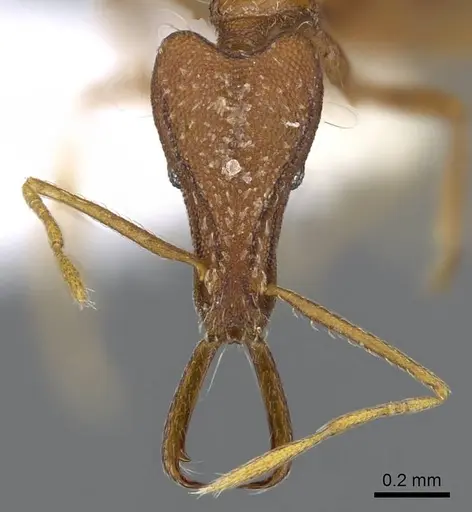
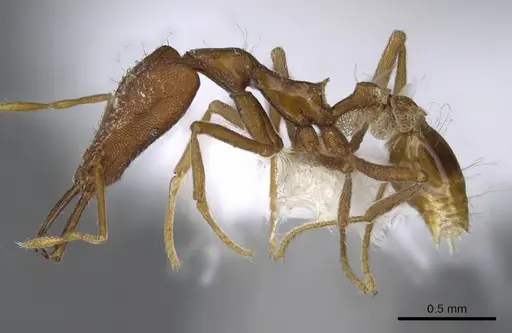
Strumigenys kraepelini is a small, cryptic ant species belonging to the Myrmicinae subfamily. Like other Strumigenys, they are known for their specialized trap-jaw mandibles, which are used to capture fast-moving prey like springtails. Workers are typically small, slow-moving, and have cryptic coloration, often blending in with their leaf litter habitat. They are characterized by elongated or triangular mandibles and, in many species, the presence of unique spongiform tissues on their body. Colonies are generally small, usually less than 100 individuals, though some species within the genus can reach hundreds.
- Difficulty: Hard
- Origin & Habitat: Indo-Australian Region (Borneo, Indonesia, Malaysia, Singapore), Oriental Region (Thailand) in Moist, warm habitats and micro-habitats, primarily found in wet forest and rainforest leaf litter and humus. They also inhabit soil and decaying wood..
- Colony Type: Monogyne (typically, though some Strumigenys species can be polygyne), semi-claustral (queens forage for food during founding) founding.
- Size & Growth:
- Queen: Not specified
- Worker: 2.7-3.0mm
- Colony: Small (typically less than 100 individuals, but can reach hundreds in some Strumigenys species). Slow growth.
- Antkeeping:
- Temperature: Aim for a stable warm environment, likely between 24-28°C. Being tropical ants, they thrive in consistent warmth. Avoid significant temperature fluctuations..
- Humidity: High humidity is crucial, ideally 70-90%. Their natural habitat is moist leaf litter and decaying wood, so maintaining high moisture levels in the nest is vital for their well-being and brood development..
- Diapause: Not required. Not specified at Not specified.
- Nesting: They prefer nesting in soil, leaf litter, decaying wood, or opportunistically in small cavities. For captive setups, consider naturalistic setups like terrariums with a deep substrate layer or specialized formicariums designed for small, humidity-loving species..
- Behavior: Low (towards handler, food or other ants) aggressiveness.
- Common Issues: Lack of appropriate live prey (springtails), Low humidity leading to desiccation, Mold in nest due to high humidity, Colony stalling if environmental conditions are not met, Difficulty observing due to cryptic nature.
Keeping Strumigenys kraepelini is quite challenging due to their specialized dietary needs. These tiny predators primarily hunt springtails (Collembola) and other minute, soft-bodied arthropods. Providing a consistent and varied supply of live springtails can be difficult, as they must be small enough for the ants to subdue with their unique trap-jaw mandibles. Culturing your own springtails is highly recommended for long-term success, ensuring a steady food source for your colony's growth and vitality.
Their cryptic nature and small size mean they are often difficult to observe in a typical ant setup. They are slow-moving and tend to freeze when disturbed, which can make locating them in a larger outworld a real challenge. For observation, a nest design that allows for close viewing, perhaps with clear sides and a thin layer of substrate, would be beneficial. Patience is key when keeping these elusive ants; don't expect the same level of overt activity you might see from larger, more common species.
Maintaining stable high humidity is absolutely critical for Strumigenys kraepelini. Their natural environment is moist leaf litter and humus, and any significant drop in humidity can be detrimental to their health and brood. Regular misting or using a nest material that retains moisture well, such as specific types of soil or specialized hydration systems, is essential. Avoid allowing their substrate to dry out, as this species is highly sensitive to desiccation.
Colony founding for Strumigenys kraepelini is semi-claustral, meaning the queen will forage for food during the initial stages of establishing her colony. This adds another layer of complexity to their care, as the founding queen will require access to tiny prey items even before her first workers emerge. Providing a small, secure outworld with a few feeder springtails during this delicate phase is crucial to support her and the developing brood.
These ants are specialized in hunting, utilizing their distinctive trap-jaw mandibles. Unlike many ant species that rely on trophallaxis (food sharing by regurgitation), Strumigenys species rarely practice it. Instead, larvae are often fed directly on the insect prey brought in by workers. This unique feeding behavior means that providing appropriately sized live prey is not just for the adults, but directly impacts the development of the young brood.

This caresheet is licensed under CC BY-SA 4.0 .
CASENT0280749
View on AntWeb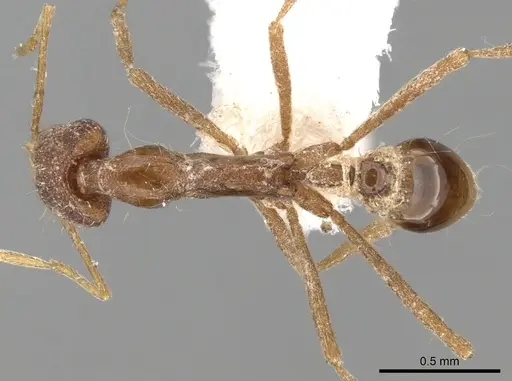
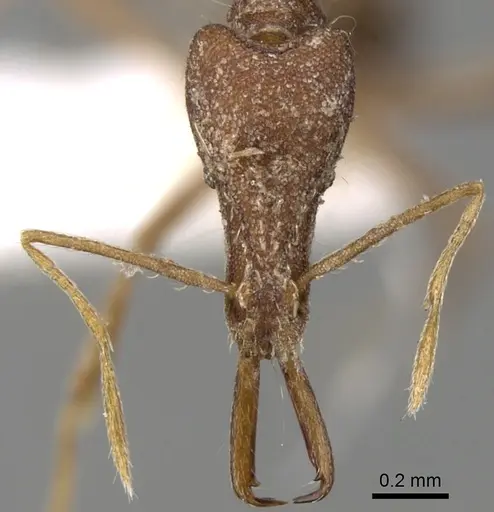
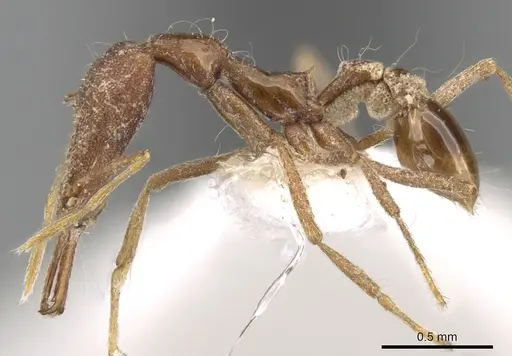
CASENT0914954
View on AntWeb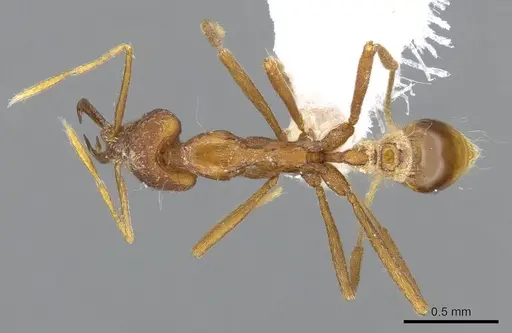
Literature
Loading...Loading products...