

Strumigenys koningsbergeri
- Scientific Name
- Strumigenys koningsbergeri
- Tribe
- Attini
- Subfamily
- Myrmicinae
- Author
- Forel, 1905
- Distribution
- Found in 3 countries
Strumigenys koningsbergeri Overview
Strumigenys koningsbergeri is an ant species of the genus Strumigenys. It is primarily documented in 3 countries , including Brunei Darussalam, Indonesia, Malaysia. Detailed taxonomic data and occurrence records can be further explored via authoritative databases such as AntWeb or the Global Biodiversity Information Facility (GBIF).
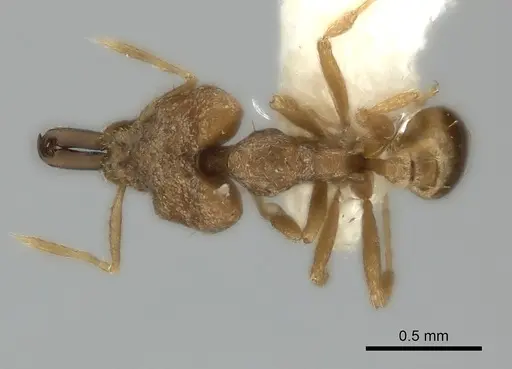
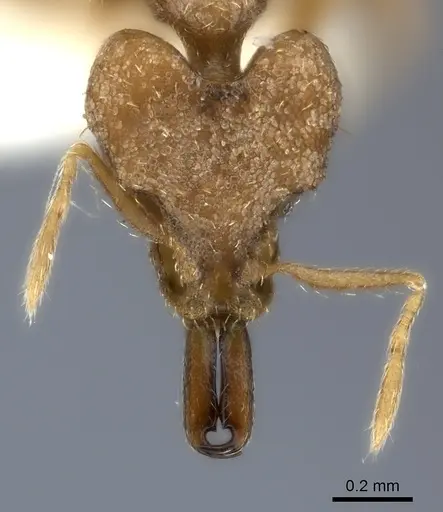
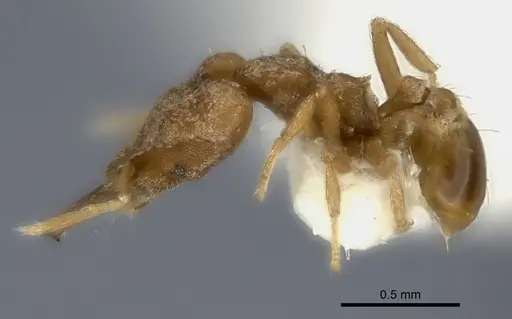
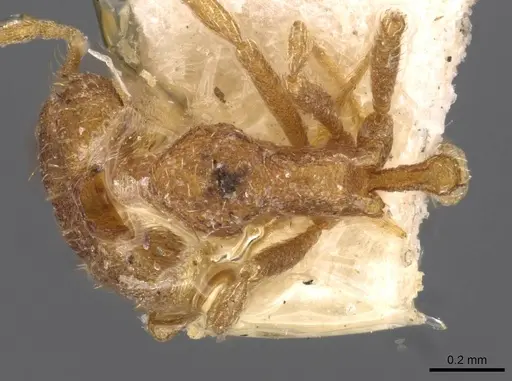
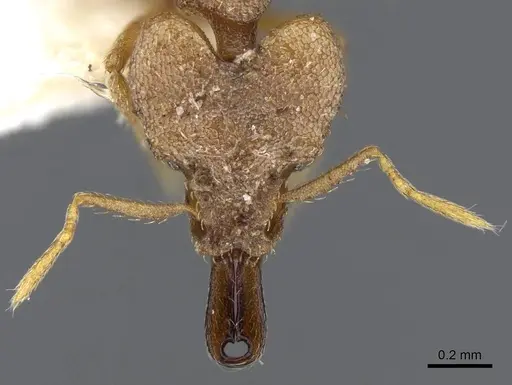
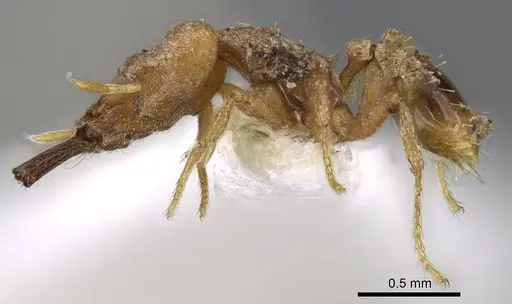
Strumigenys koningsbergeri - "Trap-jaw Ant (a species within the Strumigenys genus)"
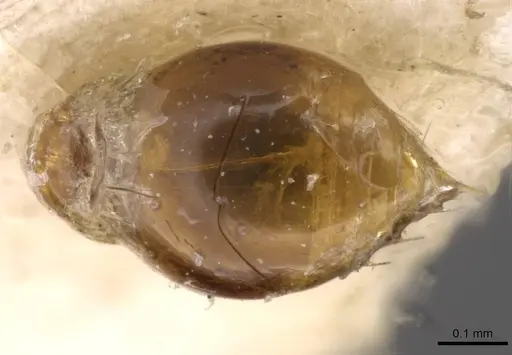
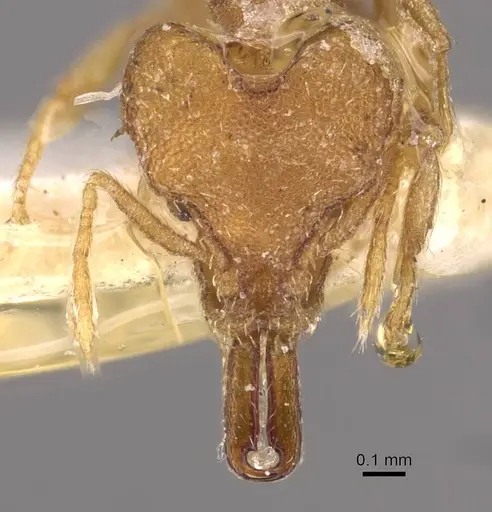
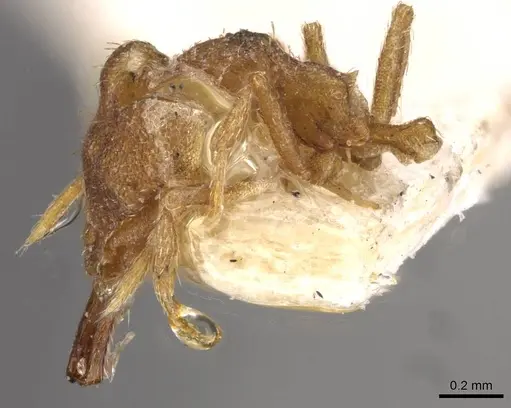
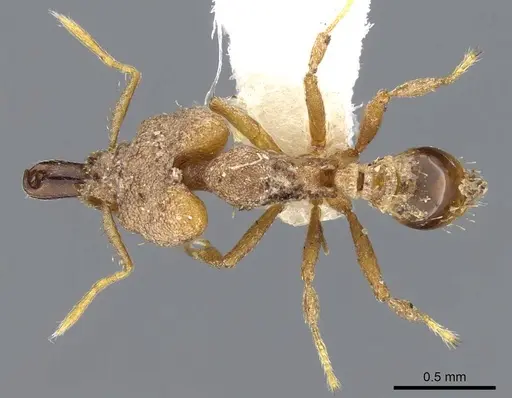
Strumigenys koningsbergeri is a fascinating, small ant species known for its unique trap-jaw mandibles. These ants are cryptic in nature, often slow-moving, and blend in well with their surroundings due to their coloration. They are part of the larger Strumigenys genus, which is incredibly diverse in both species count and mandible morphology. Their mandibles are specifically adapted for their specialized diet, allowing them to rapidly capture small, fast-moving prey. Workers typically measure between 2.5 and 3.0 mm in total length.
- Difficulty: Medium
- Origin & Habitat: Malesian-Oriental-East Palaearctic regions, including Indonesia (Java) and Hong Kong. in Wet forest leaf litter, soil, and decaying wood. They can also be found opportunistically in other habitable cavities on or under the soil..
- Colony Type: Monogyne (single queen) or potentially oligogyne in some Strumigenys species., claustral founding.
- Size & Growth:
- Queen: Not specified
- Worker: 2.5-3.0mm
- Colony: Small (typically less than 100 individuals, but can be hundreds in some Strumigenys species).. Slow growth.
- Antkeeping:
- Temperature: These ants prefer moist, warm environments. A temperature range of 21-26°C is generally suitable. Maintaining a stable temperature around 24-25°C should encourage healthy colony development..
- Humidity: High humidity is crucial for Strumigenys koningsbergeri, reflecting their natural habitat in wet forest litter. Aim for 70-90% humidity within the nest. Keeping a portion of the substrate consistently moist is vital..
- Diapause: Not required. Not specified at Not specified.
- Nesting: They prefer nesting in soil, leaf litter, and decaying wood. For captivity, fine-grained substrates or artificial nests mimicking these conditions are best. Test tubes with a decent moist cotton-ball barrier are good for founding, moving to small Ytong or acrylic nests with fine-grained substrate options once established..
- Behavior: Low (towards handler, but highly aggressive towards their specific prey) aggressiveness.
- Common Issues: Difficulty in providing appropriate live prey, Low humidity leading to desiccation, Mold in nest due to excessive humidity without proper ventilation, Colony stalling if dietary or humidity needs are not met.
Strumigenys koningsbergeri are highly specialized predators, primarily preying on springtails (Collembola) and other tiny soil arthropods. This dietary specialization means providing live, appropriately sized prey is essential for their survival and colony growth. Springtails are readily available from reptile or vivarium supply stores and can be cultured at home, making them an ideal food source for these fascinating trap-jaw ants. Offering a variety of small, soft-bodied invertebrates will ensure their nutritional needs are met.
Their unique trap-jaw mandibles are a marvel to observe. These mandibles can snap shut incredibly fast, allowing them to capture their swift prey. While they are usually slow-moving and cryptic, they can display bursts of speed when disturbed. This rapid movement is primarily for evasion rather than aggression towards handlers, as they prefer to freeze and remain motionless when they feel threatened, which is a common defense mechanism for many Strumigenys species.
Humidity is paramount for Strumigenys koningsbergeri. Coming from wet forest litter environments, they are highly sensitive to desiccation. Ensuring a consistent, high humidity level within their nest setup will prevent stress and increase the colony's chances of thriving. This often means regular re-wetting of the substrate or providing a nest design that maintains a stable moisture gradient.
Colony sizes for Strumigenys are generally small, typically ranging from a few dozen to a few hundred individuals. This means they won't require massive setups and can be kept in smaller formicaria suitable for modest colonies. However, their specific dietary needs and preference for high humidity make them a species that requires dedicated attention to their environment to ensure their long-term health and growth.
Frequently Asked Questions
What do Strumigenys koningsbergeri ants eat?
These ants are specialist predators, primarily feeding on tiny soil arthropods like springtails (Collembola). They will also accept other small, soft-bodied insects. Live prey is crucial for their survival.
Are Strumigenys koningsbergeri difficult to keep?
They are considered a 'Medium' difficulty species. Their specialized diet and high humidity requirements make them a bit more challenging than common beginner species, but certainly rewarding for dedicated antkeepers.
How big do Strumigenys koningsbergeri colonies get?
Strumigenys colonies are typically small, often under 100 workers, though some species within the genus can reach a few hundred. Don't expect a massive supercolony with these tiny trap-jaw ants.
What kind of nest is best for Strumigenys koningsbergeri?
They thrive in nests that mimic their natural leaf litter and soil environments. Small Ytong or acrylic nests with fine-grained substrate and good humidity retention are ideal. Test tubes can work for founding colonies.
Do Strumigenys koningsbergeri have a sting?
Yes, Strumigenys ants do possess a sting. However, due to their small size and low aggression towards handlers, their sting is generally not a concern for antkeepers. They are more likely to freeze when disturbed.
Do Strumigenys koningsbergeri need diapause?
No, Strumigenys koningsbergeri does not require diapause. As a species from tropical and subtropical regions, they do not experience cold winter periods that necessitate a dormancy phase.
How fast do Strumigenys koningsbergeri colonies grow?
Their colony growth rate is generally slow. This is typical for specialized predator species with smaller colony sizes. Patience is key when keeping these unique ants.
What humidity do Strumigenys koningsbergeri need?
High humidity is essential for these ants. Aim for a humidity range of 70-90% within their nest setup, ensuring the substrate remains consistently moist but not waterlogged.
What temperature should I keep Strumigenys koningsbergeri at?
A consistent warm temperature between 21-26°C is preferred, with an optimal range around 24-25°C. This mimics the stable temperatures found in their natural forest litter habitats.
Are Strumigenys koningsbergeri active foragers?
Workers are generally cryptic and slow-moving, often foraging within the leaf litter or soil. They rarely venture into exposed, open areas, making their foraging activity less outwardly visible compared to other ant species.
Can Strumigenys koningsbergeri live with other ant species?
No, it is highly inadvisable to keep Strumigenys koningsbergeri with other ant species. They are specialized predators and could be preyed upon by larger ants, or their specific environmental and dietary needs might not be met in a mixed setup.
What is unique about Strumigenys koningsbergeri?
Their most distinctive feature is their trap-jaw mandibles, which can snap shut at incredible speeds to capture their springtail prey. Their cryptic nature and preference for humid, dark environments also set them apart.

This caresheet is licensed under CC BY-SA 4.0 .
Literature
Loading...Loading products...