

Strumigenys khakaura
- Scientific Name
- Strumigenys khakaura
- Tribe
- Attini
- Subfamily
- Myrmicinae
- Author
- Bolton, 2000
- Distribution
- Found in 1 countries
Strumigenys khakaura Overview
Strumigenys khakaura is an ant species of the genus Strumigenys. It is primarily documented in 1 countries , including Madagascar. Detailed taxonomic data and occurrence records can be further explored via authoritative databases such as AntWeb or the Global Biodiversity Information Facility (GBIF).
Strumigenys khakaura
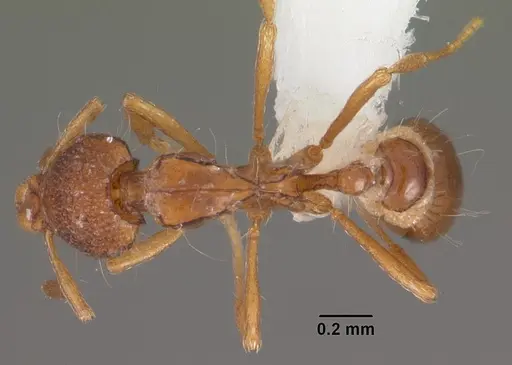
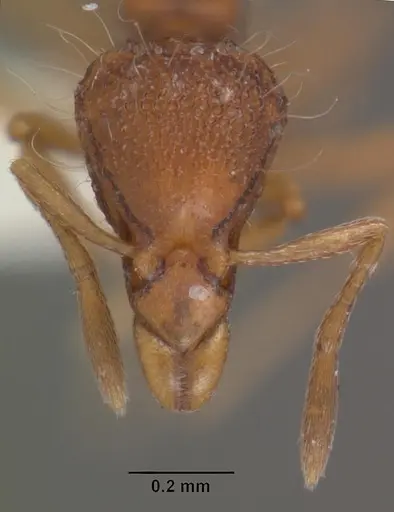
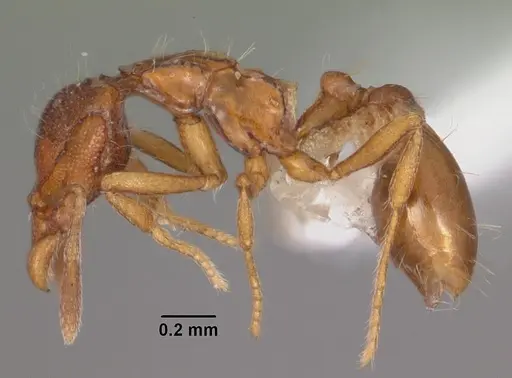
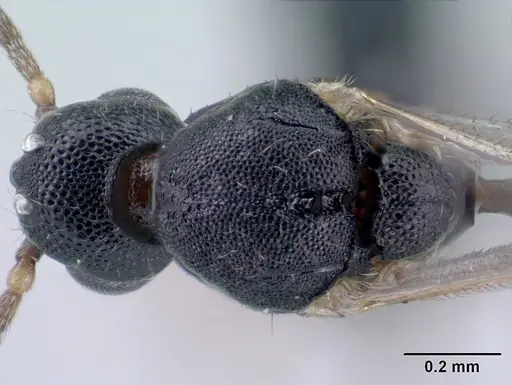
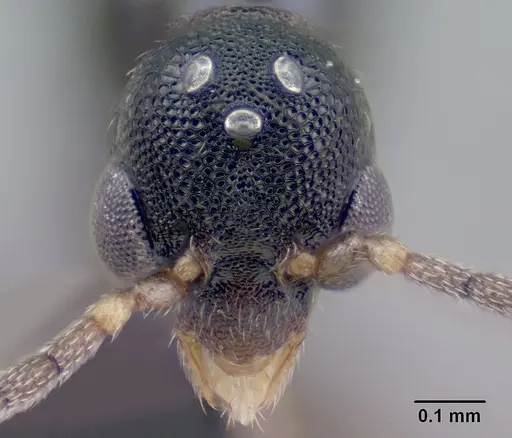
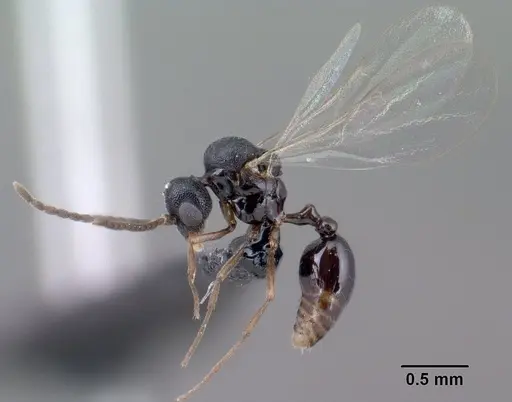
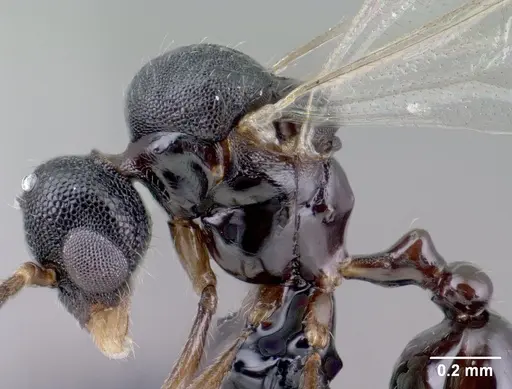
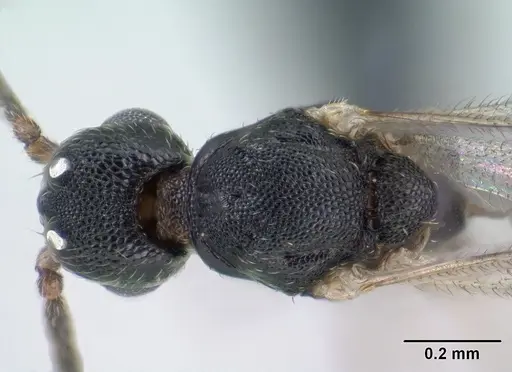
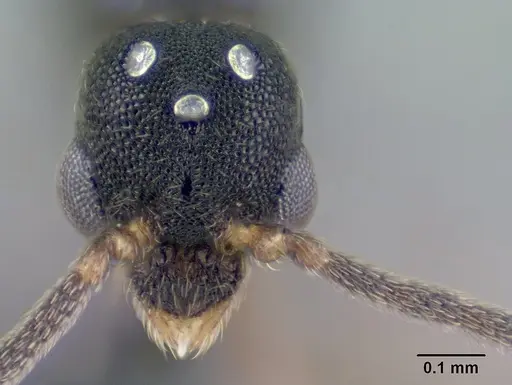
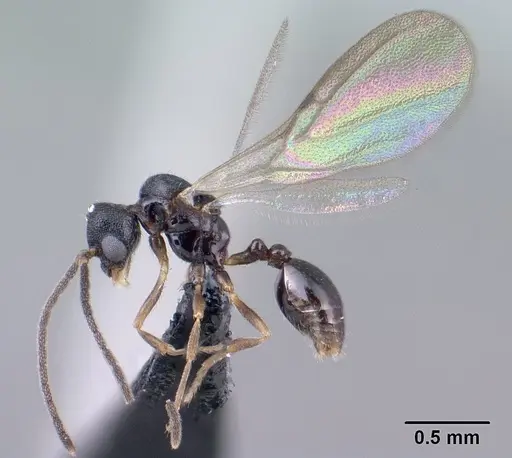
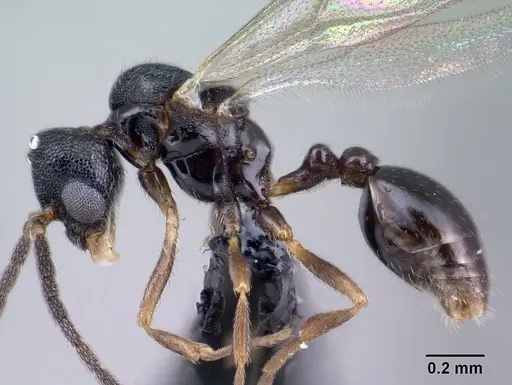
Strumigenys khakaura is a tiny predatory ant native to the highlands of northern Madagascar. Workers measure just 2-3mm and possess the genus' signature trap-jaw mandibles, specialized appendages that can snap shut at incredible speeds to capture prey [1]. These ants are almost entirely predatory, hunting springtails and other micro-arthropods in leaf litter and rotting wood on the forest floor [2]. The species was collected at 1580m elevation in the Réserve Spéciale de Manongarivo, indicating it prefers cooler, humid highland forest conditions rather than lowland tropical heat [2].
Quick Summary
- Difficulty: Medium
- Origin & Habitat: Northern Madagascar highlands, specifically the Réserve Spéciale de Manongarivo. Found in leaf litter at 1580m elevation in humid forest habitat [2].
- Colony Type: Likely monogyne (single queen colonies) based on typical Strumigenys colony structure. Colonies are small, typically under 100 workers.
- Colony: Monogyne
- Founding: Claustral
- Size & Growth:
- Queen: Estimated 3-4mm based on genus patterns
- Worker: Estimated 2-3mm based on genus patterns
- Colony: Likely under 100 workers, typical for Strumigenys species
- Growth: Slow, dacetine ants develop slowly
- Development: Estimated 8-12 weeks at optimal temperature based on related Strumigenys species (Development is slow compared to many ants. First workers (nanitics) are tiny and may take longer than subsequent batches.)
- Antkeeping:
- Temperature: Keep at 18-22°C. The highland Madagascar origin suggests they prefer cooler conditions than typical tropical ants. Avoid temperatures above 25°C [2].
- Humidity: High humidity required, think damp forest floor. Keep substrate consistently moist but not waterlogged. These ants are from humid forest leaf litter [2].
- Diapause: Likely no true diapause, Madagascar highlands don't experience cold winters. However, they may slow down during cooler periods.
- Nesting: Prefer naturalistic setups with leaf litter material or rotting wood fragments. Y-tong or plaster nests with small chambers work well. They need tight spaces scaled to their tiny size.
- Behavior: Very docile and non-aggressive. These ants are specialized predators that hunt using their trap-jaw mandibles. They are not defensive and rarely sting. Escape risk is moderate, their small size means they can slip through small gaps, but they are slow-moving and not prolific climbers. They spend most of their time hunting through leaf litter and substrate material.
- Common Issues: colonies grow slowly and beginners may lose patience or overfeed, tiny size makes escape prevention important, use fine mesh barriers, springtail prey must be cultured or reliably sourced, they won't accept standard ant foods, high humidity needs can lead to mold problems if ventilation is poor, wild-caught colonies may have parasites that cause colony collapse
Housing and Nest Setup
Strumigenys khakaura needs a setup that mimics their natural leaf litter habitat. A naturalistic terrarium with a deep layer of moist substrate (coco fiber, peat, or soil mixed with rotting wood fragments) works best. The substrate should be kept damp but never waterlogged, these ants breathe through their cuticle and need moisture but also oxygen. You can add pieces of rotting wood, leaves, and moss to give them hunting grounds. Y-tong nests with very small chambers can work, but many keepers find naturalistic setups more successful because they allow the ants to hunt through substrate material. Whatever setup you choose, ensure excellent escape prevention, these tiny ants can slip through gaps you wouldn't expect [2].
Feeding and Diet
This species is an obligate predator and will not survive on sugar water or seed-based foods. Their primary diet in captivity should be live springtails, these are the closest match to their natural prey of collembola (springtails) in leaf litter. Other small live prey like micro-arthropods, fruit fly larvae, and tiny isopods may be accepted. Feed small prey items every few days, removing any uneaten remains promptly. Do not offer honey or sugar water, Strumigenys are specialized predators and don't have the same nutritional needs as omnivorous ants. Some colonies may eventually accept pre-killed tiny insects, but live prey is always preferable [2].
Temperature and Humidity
Keep temperatures in the 18-22°C range. The highland Madagascar origin (1580m elevation) means this species prefers cooler, more stable conditions than many tropical ants [2]. Avoid temperatures above 25°C, prolonged heat will stress and likely kill the colony. Room temperature is often ideal for this species. Humidity should be high, aim for consistently moist substrate that feels damp but doesn't have standing water. A layer of leaf litter or moss on top helps retain moisture. Good ventilation is important to prevent mold, but avoid excessive airflow that dries out the setup.
Colony Development
Colony growth is slow compared to many common ant species. A founding queen will lay a small batch of eggs, and development from egg to worker takes several months. The first workers (nanitics) are tiny and the colony will remain small for the first year. Even established colonies rarely exceed 50-100 workers. This slow growth is normal for the genus, don't panic if progress seems slow. Patience is key with Strumigenys. The queen is fully claustral and seals herself in during founding, do not disturb the founding chamber until you see workers, and even then, be gentle [2].
Behavior and Temperament
These ants are extremely docile and not defensive. They will not bite or sting unless severely provoked. Their hunting method involves slowly approaching prey, then snapping their trap-jaw mandibles shut at incredible speed, this is fascinating to watch but means they are ambush predators, not active foragers like some ants. Workers are slow-moving and spend most of their time patrolling through leaf litter and substrate material. They are not aggressive toward each other and colony harmony is usually excellent. The main behavioral concern is their small size and tendency to stay hidden in substrate, you may not see them often unless you dig carefully. [2]
Frequently Asked Questions
What do Strumigenys khakaura ants eat?
They are obligate predators that need live springtails or other micro-arthropods. They will not accept sugar water, honey, or seeds. Live prey is essential, cultured springtails are the ideal food source [2].
How long does it take for Strumigenys khakaura to raise first workers?
Expect 8-12 weeks from egg to first worker at optimal temperature (around 20°C). Development is slow, don't be alarmed if it takes longer. The first workers will be tiny nanitics [2].
Can I keep Strumigenys khakaura in a test tube?
Test tubes can work for founding colonies, but a naturalistic setup with moist substrate and leaf litter is better for long-term success. These ants need to hunt through material, and test tubes don't allow natural foraging behavior. If using test tubes, ensure the cotton stays moist and the setup is kept in a humid environment.
Are Strumigenys khakaura good for beginners?
They are considered intermediate difficulty. The main challenges are their need for live springtail prey, slow growth, and specific temperature/humidity requirements. If you're prepared to culture springtails and maintain proper conditions, they can be rewarding.
How big do Strumigenys khakaura colonies get?
Colonies remain small, typically under 100 workers even when mature. This is normal for the genus. Don't expect the large colonies you might get with Lasius or Camponotus species.
What temperature do Strumigenys khakaura need?
Keep them at 18-22°C, cooler than most tropical ants. The highland Madagascar origin means they prefer moderate temperatures. Room temperature is often ideal. Avoid anything above 25°C [2].
Do Strumigenys khakaura need hibernation?
No, they come from a region without cold winters. They may slow down slightly during cooler periods, but a true hibernation period is not necessary or recommended.
Why are my Strumigenys khakaura dying?
Common causes include: temperature too high (above 25°C), substrate too dry, lack of live prey, mold from poor ventilation, or stress from disturbance. Check each of these factors. Also consider that wild-caught colonies often carry parasites that can cause collapse.
When should I move Strumigenys khakaura to a formicarium?
Wait until the colony has at least 20-30 workers and is actively foraging. For this species, many keepers prefer to keep them in naturalistic setups rather than moving to traditional formicariums. If you do move them, use a setup with appropriately small chambers.
References

This caresheet is licensed under CC BY-SA 4.0 .
Literature
Loading...Loading products...