

Strumigenys jamaicensis
- Scientific Name
- Strumigenys jamaicensis
- Tribe
- Attini
- Subfamily
- Myrmicinae
- Author
- Brown, 1959
- Distribution
- Found in 1 countries
Strumigenys jamaicensis Overview
Strumigenys jamaicensis is an ant species of the genus Strumigenys. It is primarily documented in 1 countries , including Jamaica. Detailed taxonomic data and occurrence records can be further explored via authoritative databases such as AntWeb or the Global Biodiversity Information Facility (GBIF).
Strumigenys jamaicensis
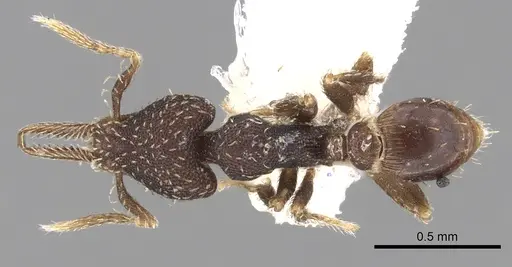
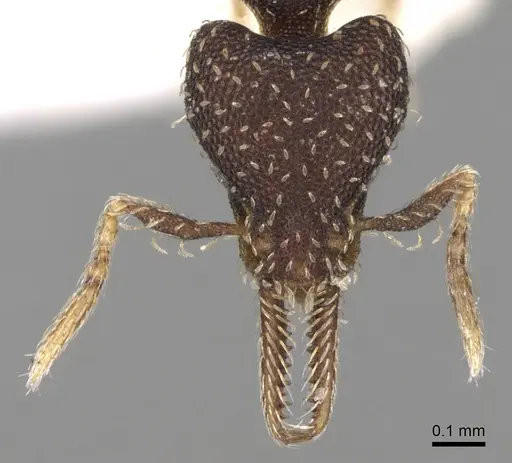
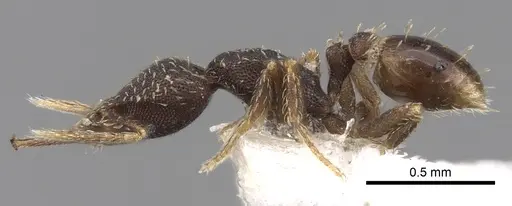
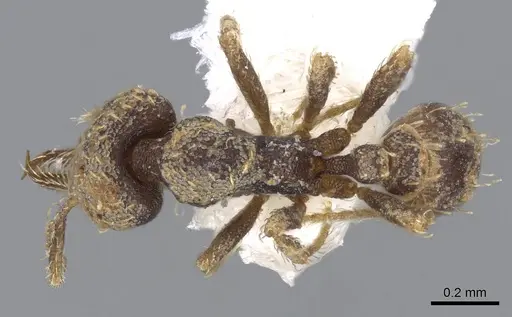
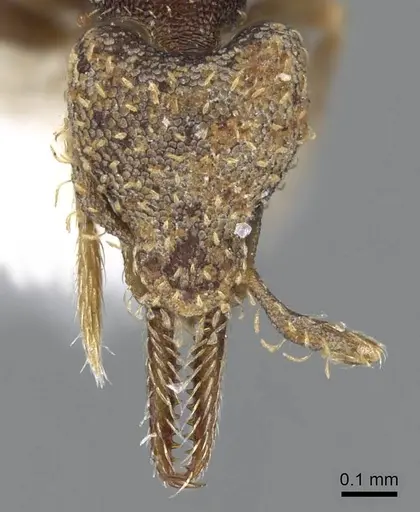
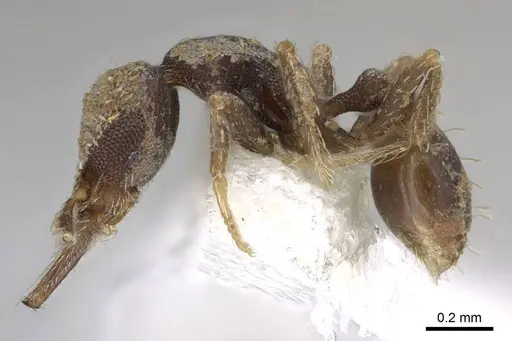
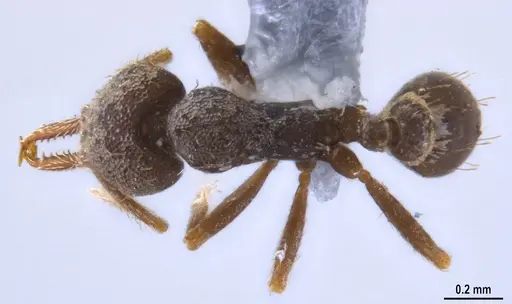
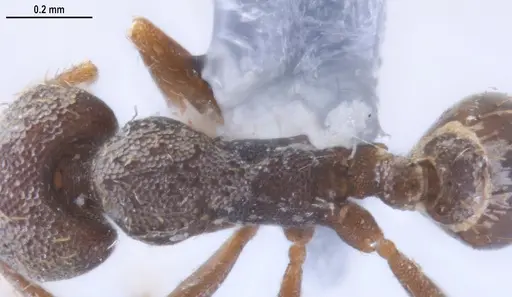
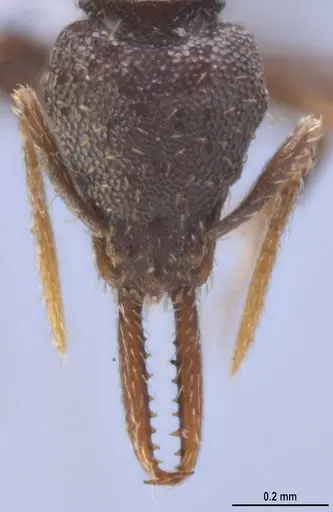
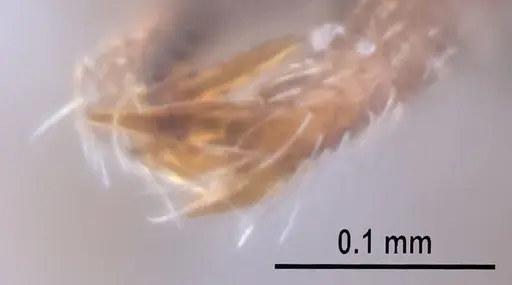
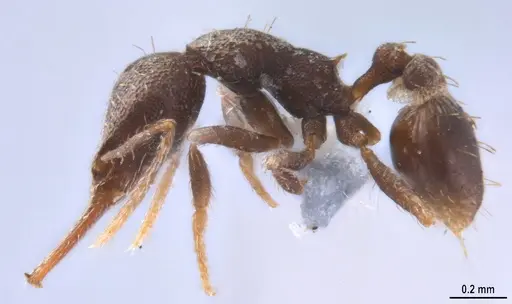
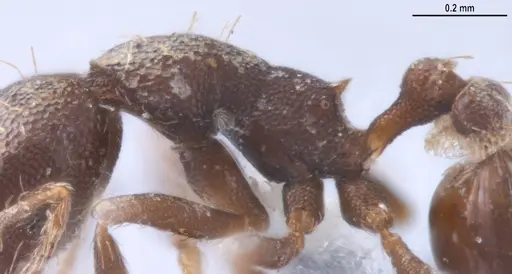
Strumigenys jamaicensis is a tiny predatory ant measuring just 2.1-2.6mm in total length, with a dark blackish-brown to black coloration. This species belongs to the gundlachi group within the Dacetini tribe and is endemic to Jamaica, where it inhabits mountain forest environments at elevations between 2000-4000 feet [1]. The species is distinguished by its relatively large ventral postpetiolar lobe and strongly developed preapical dentition on the mandibles, features visible under magnification. Like all Strumigenys, this species possesses trap-jaw mandibles designed for snapping shut on small prey, making them fascinating little predators in the ant-keeping hobby.
Quick Summary
- Difficulty: Expert
- Origin & Habitat: Endemic to Jamaica in the Greater Antilles. Found in mountain forest habitats at higher elevations (2000-4000 feet), collected using ground sampling methods in leaf litter [1][2].
- Colony Type: Likely monogyne (single queen) based on typical genus patterns. Colony size is small, likely under 100 workers given the tiny worker size and forest floor habitat.
- Size & Growth:
- Queen: Undescribed in available literature, estimated 3-4mm based on genus patterns
- Worker: 2.1-2.6mm
- Colony: Likely under 100 workers based on typical leaf-litter ant colony sizes
- Growth: Slow, typical for small predatory ants
- Development: Estimated 8-12 weeks based on related Dacetini species (Development time is estimated from related species in the genus, no direct study available for this specific species)
- Antkeeping:
- Temperature: Keep at room temperature, roughly 20-24°C. These are mountain forest ants from a tropical island, so they prefer stable moderate temperatures without extreme heat.
- Humidity: High humidity is essential, these are leaf-litter ants from damp forest floors. Keep the nest substrate consistently moist but not waterlogged, with good ventilation to prevent mold.
- Diapause: Unlikely to require true hibernation given their Jamaican origin. They may show reduced activity during cooler periods but probably don't need a diapause.
- Nesting: In captivity, they do well in small test tube setups or naturalistic setups with moist substrate. They prefer tight, humid chambers scaled to their tiny size. Y-tong (AAC) nests or plaster nests work well for this species.
- Behavior: Strumigenys are specialized predators with trap-jaw mandibles. They hunt small prey, primarily springtails and other micro-arthropods found in leaf litter. Workers are docile and non-aggressive toward humans, they cannot sting and pose no danger. Their tiny size makes escape prevention critical, they can slip through very small gaps. They are slow-moving and spend most of their time foraging in the substrate.
- Common Issues: tiny size means escapes are likely without fine mesh barriers, slow growth can frustrate keepers expecting rapid colony development, requires live small prey, cannot survive on sugar water alone like many ants, high humidity needs can lead to mold problems if ventilation is poor, wild-caught colonies may have parasites that are difficult to treat in captivity
Housing and Nest Setup
Strumigenys jamaicensis requires careful housing due to its extremely small size. A small test tube setup works well for founding colonies, use a test tube with a water reservoir at one end, stopped with cotton, providing a humid chamber for the queen and her brood. The tiny workers (2.1-2.6mm) need tight spaces, avoid large open areas in the nest. For established colonies, a Y-tong (AAC) nest with narrow chambers or a small plaster/acrylic nest works well. Whatever setup you choose, ensure excellent escape prevention, these ants can slip through gaps that seem impossibly small. Apply Fluon or similar barrier products to all edges and use fine mesh on any ventilation holes.
Feeding and Diet
This is a specialized predator and cannot survive on the sugar water that works for many ant species. In the wild, Strumigenys jamaicensis hunts small invertebrates in leaf litter, primarily springtails and other micro-arthropods. In captivity, you must provide live prey, small springtails are the ideal food source. Other suitable prey includes fruit flies, tiny crickets, and other small insects. Offer prey 2-3 times per week, removing any uneaten prey after 24 hours to prevent mold. Some colonies may eventually accept small pieces of insects placed near foragers, but live prey should remain the primary food source. Sugar water can be offered occasionally as a supplement but should not be the main food.
Temperature and Humidity
Keep your colony at room temperature, ideally between 20-24°C. These Jamaican mountain forest ants prefer stable moderate temperatures rather than extremes. Avoid placing the nest near heating elements that could cause drying or temperature spikes. Humidity is critical, these ants come from damp forest floor habitats and need consistently moist conditions. The nest substrate should feel damp to the touch, but avoid standing water which can drown the colony. Good ventilation is necessary to prevent mold growth while maintaining humidity. A small water dish in the outworld can help maintain ambient humidity.
Behavior and Temperament
Strumigenys jamaicensis is a docile species that poses no threat to keepers. They lack a functional stinger and are not aggressive. Their main defense is the trap-jaw mechanism on their mandibles, which they use to snap at small prey, this is harmless to humans. Workers are slow-moving and spend most of their time foraging through the substrate rather than climbing on surfaces. This makes them fascinating to observe as they hunt and capture prey. The colony will remain small, typically under 100 workers, so you won't see the massive swarming behavior seen in larger ant species. They are best appreciated as a specialized predator, a fascinating display of natural engineering in miniature.
Colony Development
Colony growth is slow, which is typical for small predatory ants. The queen lays small numbers of eggs, and the larvae develop through typical ant metamorphosis. Expect the first workers (nanitics) to emerge roughly 8-12 weeks after founding, though this is estimated from related species rather than documented for this specific ant. Growth continues slowly after that, with the colony potentially reaching 50-100 workers over several years. This slow growth means Strumigenys jamaicensis is not the best choice if you want to see rapid colony expansion. However, the specialized hunting behavior of the workers makes even small colonies interesting to watch.
Frequently Asked Questions
Can I keep Strumigenys jamaicensis in a test tube?
Yes, test tubes work well for this tiny ant. Use a small test tube with a water reservoir, the small chambers are perfectly scaled to their 2mm workers. Just ensure the cotton is packed tight enough to prevent escapes, and apply a Fluon barrier to the rim.
What do Strumigenys jamaicensis eat?
They are specialized predators that need live small prey. Springtails are the ideal food, but they also accept fruit flies, tiny crickets, and other small insects. They cannot survive on sugar water alone like many ant species, protein from prey is essential.
How long does it take for the first workers to appear?
Based on related species, expect first workers (nanitics) approximately 8-12 weeks after the queen lays eggs. This is an estimate as the specific development time has not been documented for this species.
Are Strumigenys jamaicensis good for beginners?
No, this species is best suited for experienced antkeepers. Their small size makes escape prevention challenging, they require live prey rather than simple sugar water, and they have specific humidity needs. They also grow very slowly.
How big do Strumigenys jamaicensis colonies get?
Colonies likely remain small, probably under 100 workers. This is typical for leaf-litter Strumigenys species, they are not large colony builders.
Do Strumigenys jamaicensis need hibernation?
Probably not. Being from Jamaica (a tropical island), they likely do not require a true diapause. They may show reduced activity during cooler periods but should be kept at stable room temperature year-round.
When should I move my colony to a formicarium?
Given their small colony size and specific humidity needs, keeping them in a test tube or small setup long-term is often fine. If you do move them, wait until the colony has at least 30-50 workers and ensure the new setup maintains high humidity with appropriately sized chambers.
Why are my Strumigenys dying?
Common causes include: prey not being offered (they need live food), humidity being too low or too high (aim for consistently damp but not wet), escapes due to inadequate barriers, and stress from too much handling or disturbance. Check that they have access to appropriate live prey.
Can I keep multiple queens together?
Combining unrelated queens has not been documented for this species and is not recommended. Based on typical genus behavior, they likely establish single-queen colonies.
References

This caresheet is licensed under CC BY-SA 4.0 .
Literature
Loading...Loading products...