Technomyrmex kraepelini - "Kraepelin's White-Footed Ant"
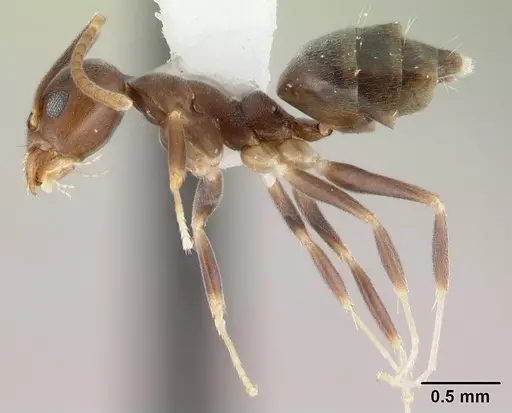
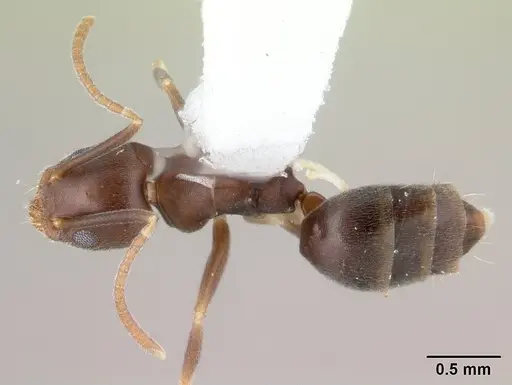
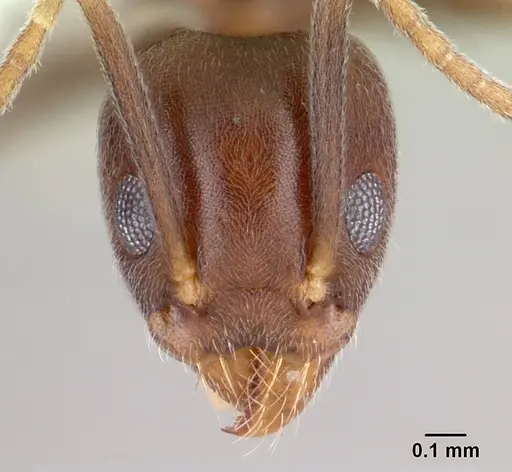
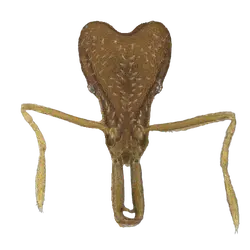
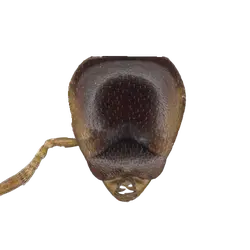
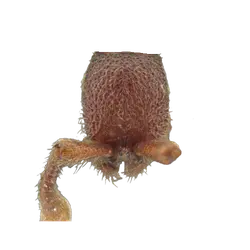
Technomyrmex kraepelini is a fascinating ant species from the genus Technomyrmex, part of the Dolichoderinae subfamily. These ants are generally dark brown to blackish-brown, with striking off-white to yellow middle and hind coxae that contrast sharply with their mesosoma (thorax) and femora (thighs). Their tarsi (feet) are also off-white to yellow. Workers of this species have a distinct concave posterior head margin, which becomes more pronounced in larger individuals, giving their head a cordate (heart-shaped) appearance when viewed from the front. They are known to inhabit various forest environments, including primary and secondary forests, and are quite tolerant of disturbance.
- Difficulty: Medium
- Origin & Habitat: Southeast Asia (e.g., Indonesia, Thailand, Laos, Malaysia, Brunei) in Forest habitats, including primary and secondary forests. Nests are found in rotten wood, dead twigs, and leaf litter, and they are also collected from baits and sweeping samples. They can also be found in tree canopies..
- Colony Type: Polygynous (multiple queens), with intercastes, semi-claustral (likely, based on genus behavior, with potential for intercaste reproduction) founding.
- Size & Growth:
- Queen: Not specified
- Worker: 2.5-3.7mm
- Colony: Large (tens of thousands to millions, based on related species like T. difficilis which can reach 3 million). Fast, especially with numerous reproductive intercastes growth.
- Antkeeping:
- Temperature: Maintain a temperature range of 24-28°C for optimal activity and brood development. They are found in tropical and subtropical zones..
- Humidity: Keep humidity high, around 60-80%. This mimics their natural forest floor and rotten wood nesting environments..
- Diapause: Not required. Not specified at Not specified.
- Nesting: These ants prefer nesting in natural materials like rotten wood, dead twigs, and leaf litter. In captivity, a naturalistic setup with wood inserts, or a formicarium with good humidity retention and a substrate layer, would be ideal. They are also known to nest in soil..
- Behavior: Low (towards handler, primarily nuisance foraging and defensive if disturbed) aggressiveness.
- Common Issues: Escapes due to small size and high numbers, Maintaining consistent high humidity, Outgrowing enclosure quickly, Mold if ventilation is poor in high humidity setups.
One of the most intriguing aspects of Technomyrmex kraepelini, and indeed many species within the Technomyrmex genus, is their unique reproductive strategy. Unlike many other ant species, they often feature both winged queens and a significant number of reproductive intercastes. These intercastes are essentially workers with developed ovaries and spermathecae, allowing them to mate with wingless males from within the colony and contribute to reproduction. This peculiar 'aphid-like' life cycle, with both alate and wingless reproductive forms, is thought to be an adaptation that supports the development of huge, sprawling colonies, often polydomous (having multiple nests).
Given their natural nesting preferences for rotten wood, dead twigs, and leaf litter, replicating a humid, organic environment is crucial for successful keeping of Technomyrmex kraepelini. Providing various natural nesting options, such as cork bark, decaying wood pieces, or a thick layer of suitable substrate like coco fiber or forest soil, will encourage them to establish thriving nests. While they can adapt to artificial setups, mimicking their natural habitat as closely as possible will undoubtedly contribute to their well-being and colony growth.
As omnivorous scavengers, Technomyrmex kraepelini will readily accept a varied diet. Their natural diet primarily consists of honeydew from sap-sucking insects like aphids, but they also scavenge for protein from dead or living arthropods. In a captive setup, a balanced diet of sugar sources (e.g., sugar water, honey, fruit) and protein (e.g., feeder insects like crickets or roaches) is essential. Regularly offering both will ensure your colony receives all necessary nutrients for robust growth and health.
Keeping Technomyrmex kraepelini colonies can be a rewarding experience, but their tendency towards large colony sizes and rapid growth due to their unique reproductive biology means they can quickly outgrow smaller setups. Be prepared to provide ample space and consider formicaria with expandable options to accommodate their burgeoning numbers. This species thrives in the tropical and subtropical zones, so maintaining stable warm temperatures and high humidity is paramount for their continued success.
Frequently Asked Questions
What kind of enclosure is best for Technomyrmex kraepelini?
For these amazing ants, replicating their natural forest floor habitat is key. A formicarium with good humidity retention, like an acrylic or Ytong setup with a moist substrate layer (think coco fiber or forest soil), is ideal. Adding pieces of cork bark or decaying wood can also encourage natural nesting behaviors, helping your colony feel right at home. They are known to nest in rotten wood, dead twigs, and leaf litter.
Do Technomyrmex kraepelini sting?
No, these ants are not known to sting. They belong to the Dolichoderinae subfamily, which generally lack a functional sting. So, you can handle them with ease, but always exercise caution to prevent escapes.
What do Technomyrmex kraepelini eat?
These ants are quite flexible eaters! In the wild, their diet consists largely of sugary honeydew produced by sap-sucking insects. In your setup, offer them a mix of sugar sources like sugar water or honey, alongside protein from feeder insects such as small crickets, fruit flies, or roaches. A varied diet supports a healthy, growing colony.
How large do Technomyrmex kraepelini colonies get?
Get ready for a bustling colony! While specific numbers for T. kraepelini aren't always cited, related species within the Technomyrmex genus, like Technomyrmex difficilis, can reach impressive numbers, from thousands to even millions of individuals. Their unique reproductive strategy with many intercastes contributes to this rapid population growth.
Do I need to hibernate Technomyrmex kraepelini?
No, Technomyrmex kraepelini, being a tropical and subtropical species, does not require diapause or hibernation. They thrive in consistent warm temperatures and high humidity year-round, similar to their native environment.
Are Technomyrmex kraepelini prone to escaping?
Like many smaller ant species with large colony sizes, Technomyrmex kraepelini can be escape artists if your setup isn't secure. Their relatively small worker size means tiny gaps can be an exit point. Always ensure your formicarium is escape-proof, especially as the colony grows in numbers.
What is an 'intercaste' in antkeeping?
In the world of antkeeping, an 'intercaste' refers to an individual that displays characteristics of more than one caste, often a mix of worker and queen features. For Technomyrmex kraepelini, these intercastes are reproductive females that are not typical winged queens but can still mate and lay eggs, significantly boosting colony reproduction alongside the primary queen. This is a fascinating adaptation in their colony structure.
How do I maintain the right humidity for Technomyrmex kraepelini?
Maintaining high humidity, ideally between 60-80%, is crucial for Technomyrmex kraepelini. You can achieve this by regularly hydrating your formicarium, using a nest material that retains moisture well (like Ytong or specific acrylic setups with hydration systems), and ensuring proper ventilation to prevent mold growth. Misting the outworld can also help, but be careful not to create standing water.
What kind of temperament do Technomyrmex kraepelini have?
These ants generally have a low level of aggression towards handlers, making them a relatively calm species to observe. However, like any ant colony, they will defend their nest if disturbed. Their primary defense mechanism is often rapid movement and chemical deterrents rather than aggressive biting or stinging.
Is Technomyrmex kraepelini a good species for beginners?
While captivating, Technomyrmex kraepelini might be considered a 'Medium' difficulty species. Their requirement for consistent high humidity, rapid growth rate leading to large colony sizes, and potential for escapes can present challenges for absolute beginners. However, an enthusiastic antkeeper with some prior experience and a commitment to providing the right environment could certainly succeed with them.