

Strumigenys infidelis
- Scientific Name
- Strumigenys infidelis
- Tribe
- Attini
- Subfamily
- Myrmicinae
- Author
- Santschi, 1919
- Distribution
- Found in 1 countries
Strumigenys infidelis Overview
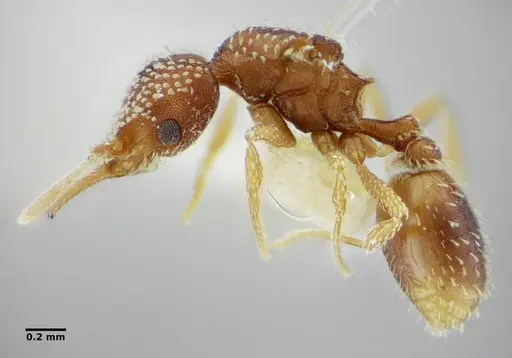
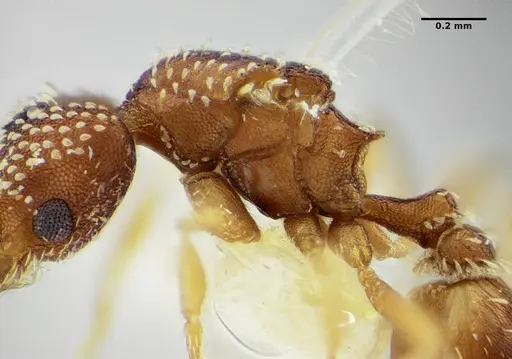
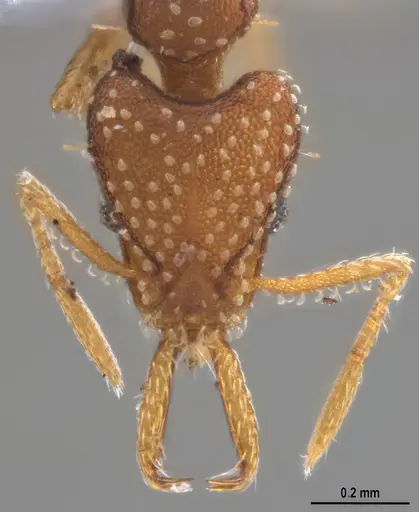
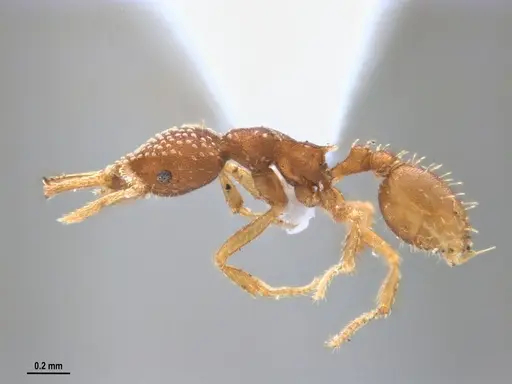
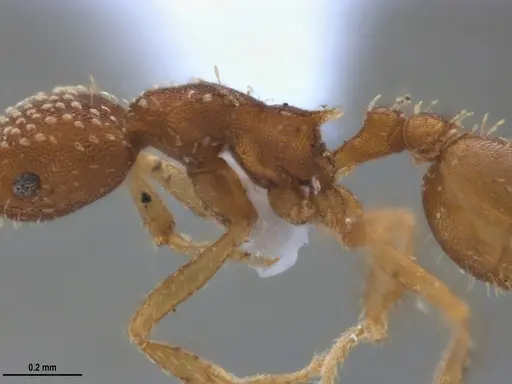
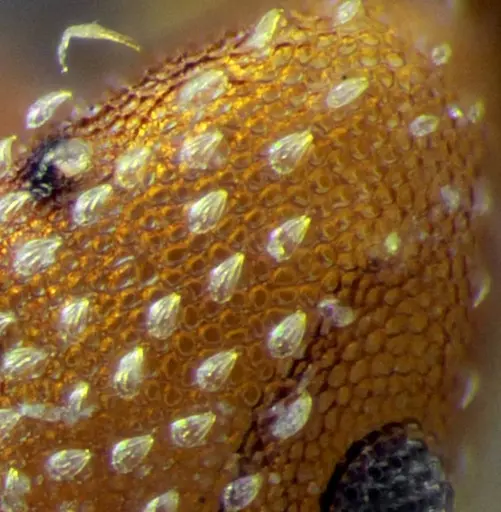
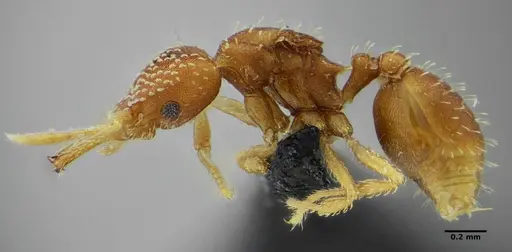
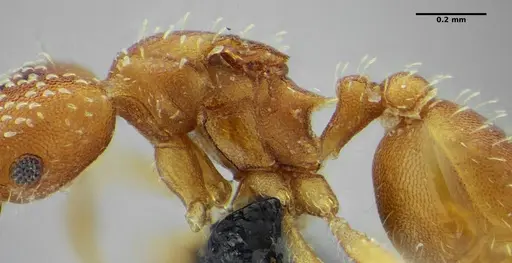
Strumigenys infidelis is an ant species of the genus Strumigenys. It is primarily documented in 1 countries , including Brazil. Detailed taxonomic data and occurrence records can be further explored via authoritative databases such as AntWeb or the Global Biodiversity Information Facility (GBIF).
Strumigenys infidelis - "Trap-jaw Ant (General for genus)"
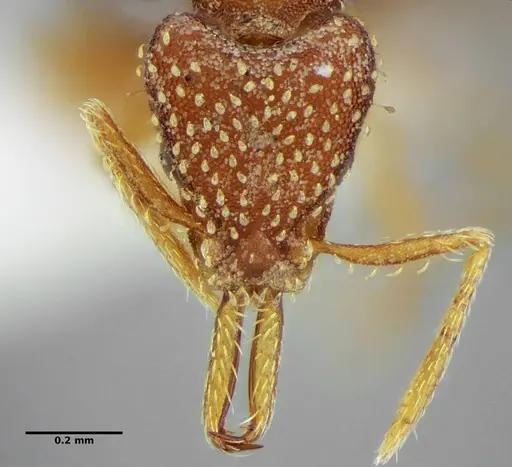
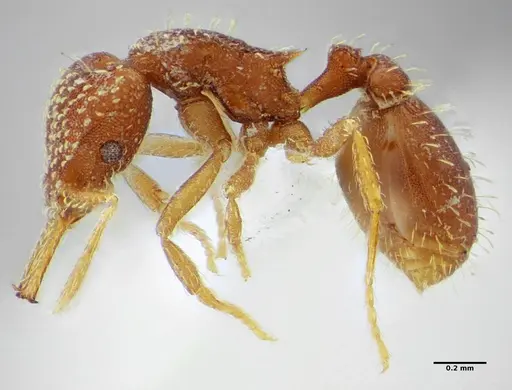
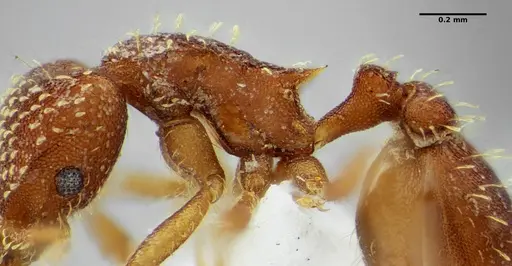
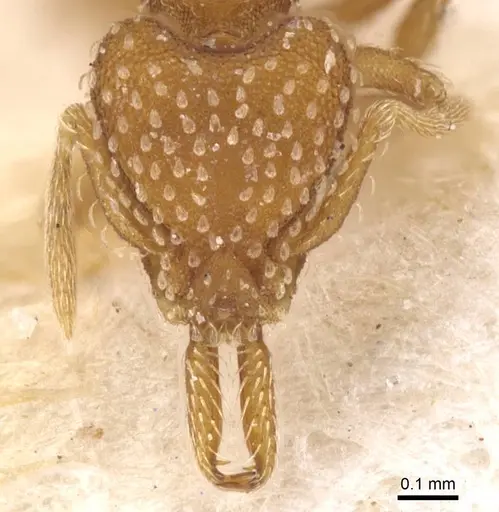
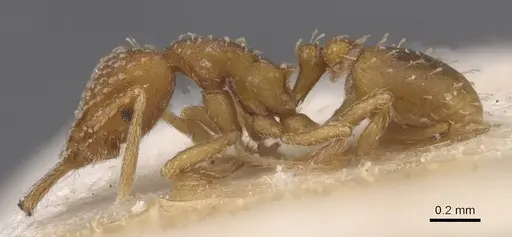
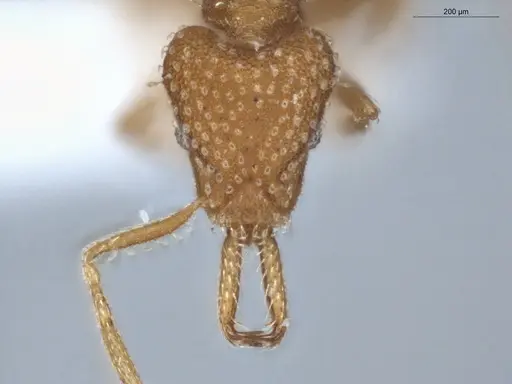
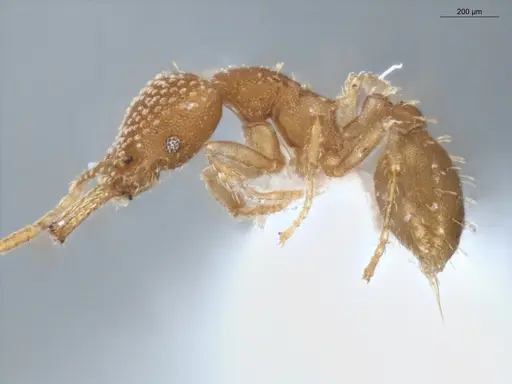
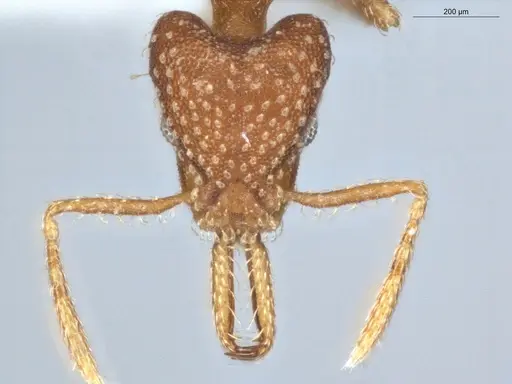
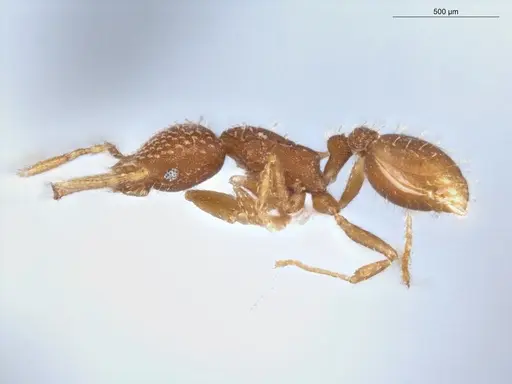
Strumigenys infidelis is a fascinatingly small and cryptic ant species, recognized by its distinctive trap-jaw mandibles. These ants are typically slow-moving and possess a cryptic coloration that allows them to blend seamlessly into their natural surroundings. Workers are quite diminutive, usually measuring around 2.0-2.2 mm in length.
- Difficulty: Medium
- Origin & Habitat: Neotropical Region (Argentina, Bolivia, Brazil, Venezuela) in Moist warm habitats, specifically leaf litter, humus, decaying wood, soil, and under rocks. They have been noted in cloud forests and plantain plantings..
- Colony Type: Monogyne (single queen), semi-claustral (queen forages) founding.
- Size & Growth:
- Queen: 2.5-3.0mm
- Worker: 2.0-2.2mm
- Colony: Small (hundreds). Slow to Medium growth.
- Antkeeping:
- Temperature: Maintain a warm environment between 22°C and 26°C for optimal colony health and activity..
- Humidity: High humidity is crucial, ideally ranging from 60% to 80%. Consistent moisture is vital to prevent desiccation..
- Diapause: Not required. Not specified at Not specified.
- Nesting: These ants thrive in small, naturalistic setups that mimic their leaf litter habitat. Preferred nests include natural soil setups, ytong nests with a substrate layer, or plaster nests with ample moisture gradients and easy-to-access chambers..
- Behavior: Low (towards handler, food or other ants) aggressiveness.
- Common Issues: Difficulty sourcing appropriate live prey (e.g., springtails), Maintaining high and consistent humidity levels, Potential for mold growth in high-humidity setups, Colony stalling if dietary or environmental needs are not met.
One of the most captivating aspects of Strumigenys infidelis is their highly specialized diet. These minuscule ants are master ambush predators, primarily preying on tiny soil arthropods, with a particular fondness for springtails (Collembola). Their distinctive 'trap-jaw' mandibles are a marvel of evolution, capable of snapping shut with incredible speed and precision to seize their unsuspecting victims. This unique predatory behavior means that providing a consistent supply of live, appropriately sized prey is not just recommended, but absolutely essential for a thriving colony.
Observing Strumigenys infidelis in a formicarium requires patience, as they are known for their cryptic and inconspicuous behavior. Unlike many more active ant species, these workers prefer to remain hidden within the confines of the leaf litter and humus, rarely venturing into open or exposed areas. When startled or disturbed, their primary defense mechanism is to 'freeze' and remain motionless, expertly blending into their surroundings. Antkeepers should be aware that visible activity might be limited, but the intricate behaviors within their hidden nest are well worth the close observation.
Maintaining stable, high humidity levels (ranging from 60% to 80%) is perhaps the most critical environmental factor for Strumigenys infidelis. Hailing from moist, warm micro-habitats, these ants are highly susceptible to desiccation. Any significant fluctuations or periods of low humidity can quickly lead to colony stress, stunted growth, or even collapse. Investing in a nest design that allows for excellent moisture retention and provides a clear humidity gradient is vital for ensuring the long-term health and vitality of your colony.
Keepers venturing into the world of Strumigenys infidelis should set realistic expectations regarding colony growth. These colonies are inherently small, typically numbering in the dozens to a few hundred individuals, rather than the thousands seen in many common ant species. This naturally small colony size, combined with their highly specialized feeding habits, translates to a slower overall growth rate. While they may not explode in numbers, the intricate and unique behaviors of a healthy Strumigenys infidelis colony offer a deeply rewarding antkeeping experience for those who appreciate their nuanced care requirements.
Frequently Asked Questions
What's the best diet for my Strumigenys infidelis colony?
These ants are specialized predators, so their primary diet should consist of tiny live arthropods. Springtails (Collembola) are their absolute favorite, but you can also offer very small micro-crickets or other soft-bodied invertebrates. Forget the sugar water; they're strictly carnivorous!
How big can a Strumigenys infidelis colony get in an ant setup?
Don't expect massive numbers with these tiny wonders! Strumigenys infidelis colonies are on the smaller side, typically growing to a few dozen to a couple of hundred workers. They're more about quality and unique behavior than sheer quantity.
Do Strumigenys infidelis workers sting, or are they aggressive?
Good news for antkeepers! Strumigenys infidelis are not known to sting humans. They're quite docile and prefer to freeze and play dead when disturbed rather than show aggression. You won't find them rushing out to confront you.
What kind of formicarium is ideal for Strumigenys infidelis?
They thrive in small, humid setups that mimic their natural leaf litter habitat. Think plaster or ytong nests with a generous substrate layer, allowing for good moisture retention. Make sure the chambers are easily accessible for their foraging needs, as they're not big explorers of open spaces.
Is it challenging to keep Strumigenys infidelis as pets?
They're considered a 'Medium' difficulty species. While not for absolute beginners, an intermediate antkeeper who can consistently provide their specialized live prey and maintain high, stable humidity will find them incredibly rewarding to observe. Their unique behaviors make the effort worthwhile!
Do Strumigenys infidelis colonies require a diapause or hibernation period?
Not typically! Being from tropical and subtropical regions, Strumigenys infidelis don't need a cold diapause. Just keep their environment warm and humid year-round, and they'll be happy little hunters.
Where are Strumigenys infidelis found in the wild?
These fascinating ants are native to the Neotropical region, specifically recorded in countries like Argentina, Bolivia, Brazil, and Venezuela. They're often found in cloud forests and plantain plantings, tucked away in the moist leaf litter.
How active are Strumigenys infidelis workers in their outworld?
They're quite cryptic! Unlike some busy foraging species, Strumigenys infidelis workers generally prefer to stay within their nest and the immediate foraging area, especially within leaf litter. Don't expect a lot of 'highway' activity; they're more about stealthy ambushes in their micro-habitat.
Why are they called 'trap-jaw ants'?
It's all about those incredible mandibles! Their unique jaws can snap shut incredibly fast, like a spring-loaded trap, to catch their prey. It's one of the fastest movements in the animal kingdom, and it's truly a sight to behold when they use it!
Can I keep Strumigenys infidelis with other ant species?
Absolutely not! Ant colonies are highly territorial, and introducing different species will almost certainly lead to conflict and the demise of one or both colonies. Always keep ant species in separate setups for their safety.
How long does it take for a Strumigenys infidelis egg to develop into a worker ant?
While exact timelines can vary, you can generally expect the development from egg to adult worker to take roughly 6 to 10 weeks, depending on temperature and food availability. Patience is a virtue when waiting for new generations!
What are the ideal temperature and humidity ranges for Strumigenys infidelis?
For these tropical gems, aim for temperatures between 22°C and 26°C. Humidity is even more critical; maintain a high level of 60% to 80%. A moisture gradient within the nest is super important for their well-being.
What are some common challenges I might face when keeping Strumigenys infidelis?
The main hurdles for keepers often revolve around consistent live prey sourcing (especially springtails), maintaining that critical high humidity without inviting mold, and preventing colony stalling if their precise environmental and dietary needs aren't met. It’s all about consistency and attention to detail!

This caresheet is licensed under CC BY-SA 4.0 .
ANTWEB1038993
View on AntWeb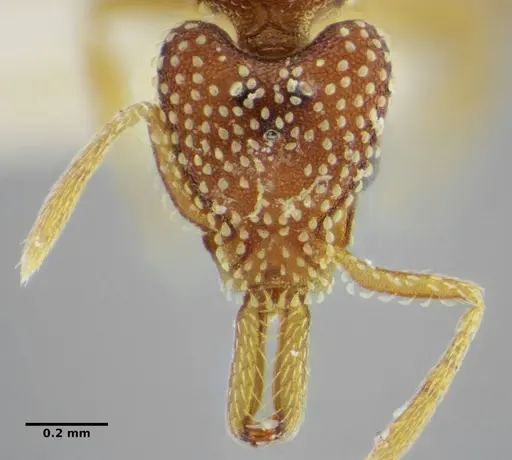
ANTWEB1041097
View on AntWeb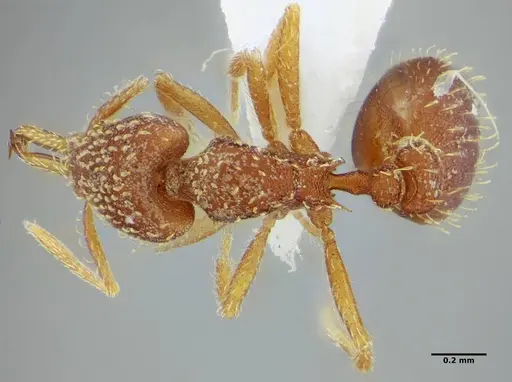
ANTWEB1053709
View on AntWeb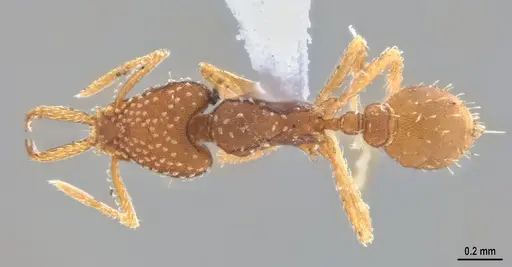
CASENT0912858
View on AntWeb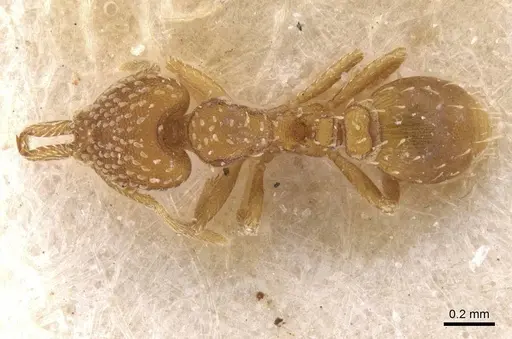
ECOFOG-SAV18-0228-05
View on AntWeb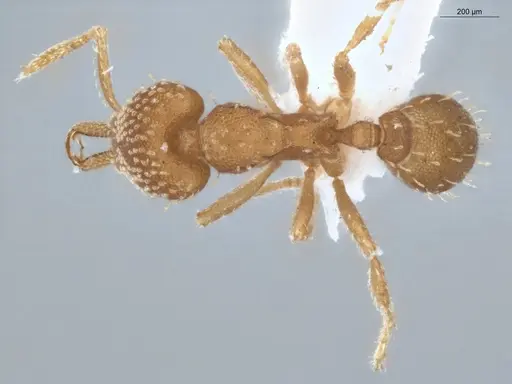
ECOFOG-SG17-0066-05
View on AntWeb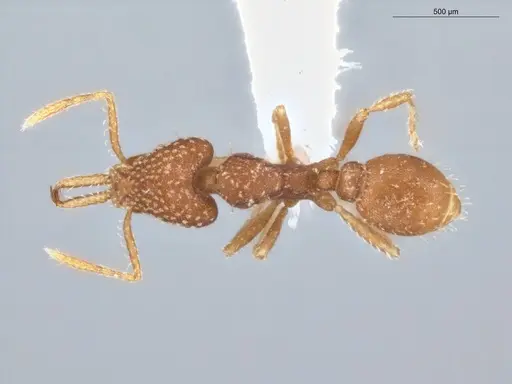
UFV-LABECOL-001523
View on AntWeb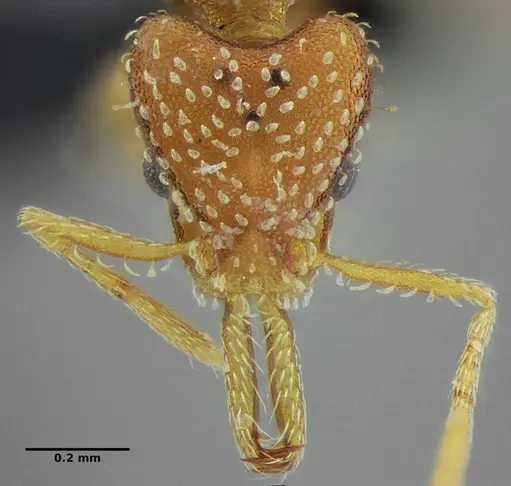
Literature
Loading...Loading products...