

Strumigenys hyalina
- Scientific Name
- Strumigenys hyalina
- Tribe
- Attini
- Subfamily
- Myrmicinae
- Author
- Bolton, 2000
- Distribution
- Found in 1 countries
Strumigenys hyalina Overview
Strumigenys hyalina is an ant species of the genus Strumigenys. It is primarily documented in 1 countries , including United States of America. Detailed taxonomic data and occurrence records can be further explored via authoritative databases such as AntWeb or the Global Biodiversity Information Facility (GBIF).
Strumigenys hyalina
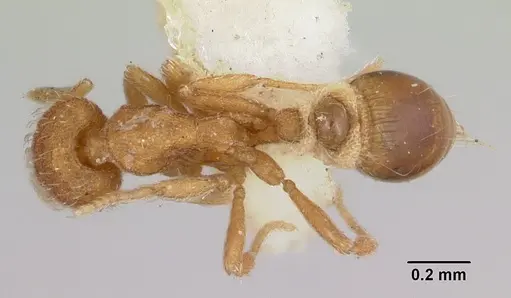
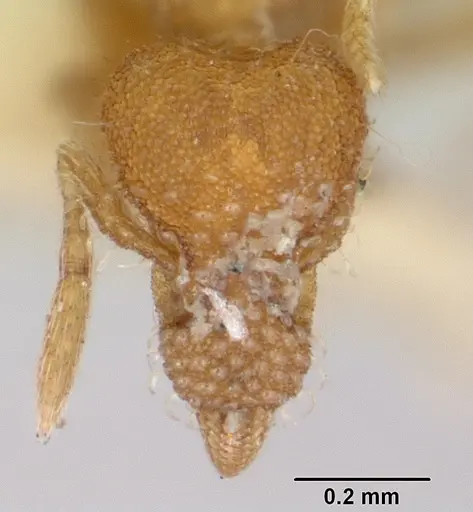
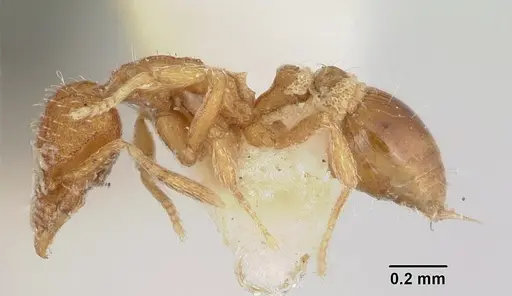
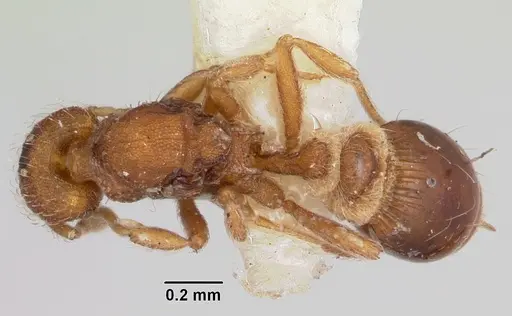
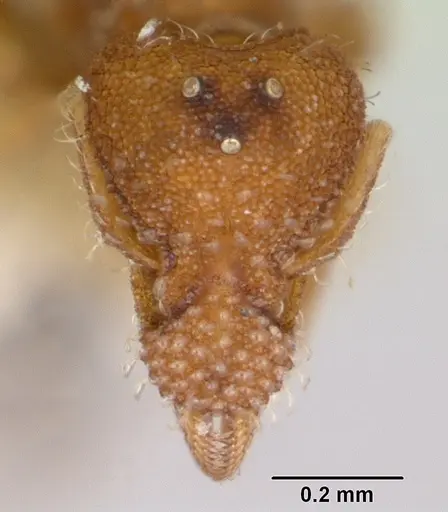
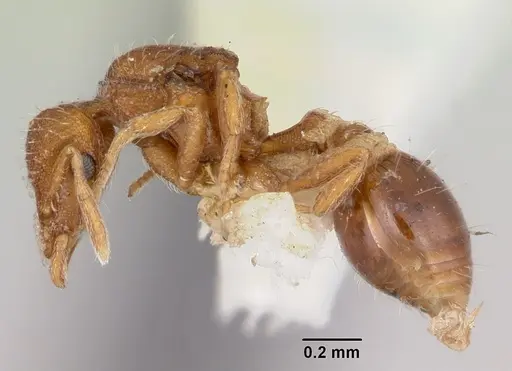
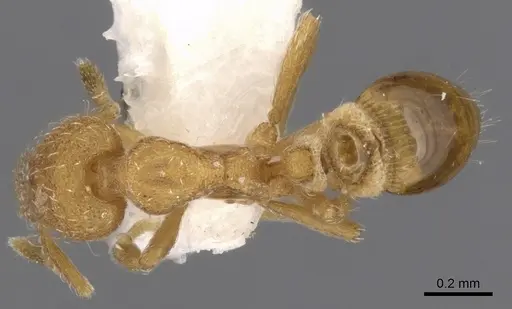
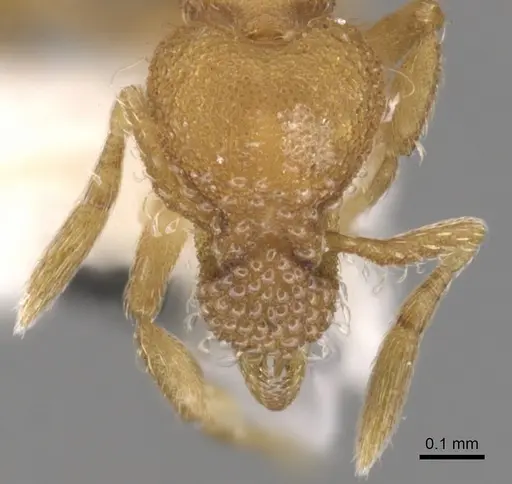
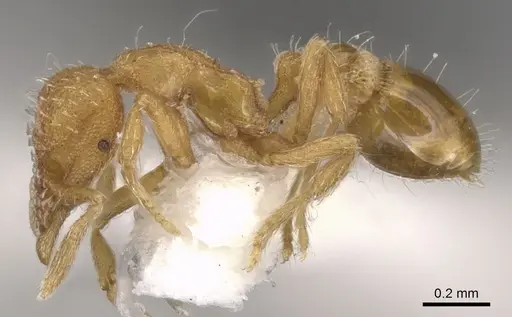
Strumigenys hyalina is one of the smallest ants you'll encounter, with workers measuring just 1.9-2.0mm in length . These tiny ants have a distinctive appearance featuring unusually broad, spoon-shaped hairs on their face that look translucent at certain angles, this is where the name 'hyalina' (meaning glassy or transparent) comes from . Their mandibles have a unique long basal gap that is longer than the basal tooth, which helps distinguish them from similar species like S. abdita and S. bunki . Workers are yellowish to light brown with a delicate, almost delicate appearance typical of leaf-litter ants.
This species is extremely rare in the ant-keeping hobby and in the wild, known from only a handful of specimens collected in Ohio, Mississippi, Alabama, and the Mississippi Delta [1][2]. They belong to the Strumigenys rostrata group and are found in bottomland hardwood habitats, typically collected by sifting through leaf litter in mature forests [1]. As predators specialized on tiny prey, these ants represent a challenging but fascinating keeping opportunity for those interested in North American litter ants.
Quick Summary
- Difficulty: Expert
- Origin & Habitat: Eastern United States (Ohio, Mississippi, Alabama) in bottomland hardwood forests [1][2]. Found in leaf litter in mature hardwood habitats, typically collected using Berlese litter extraction.
- Colony Type: Unknown colony structure, only a few workers and a single queen have ever been collected . Likely single-queen based on typical Strumigenys patterns, but this is unconfirmed.
- Size & Growth:
- Queen: Described from paratype specimen, similar size range to workers
- Worker: 1.9-2.0mm
- Colony: Unknown, only known from scattered individual specimens [1][2]
- Growth: Unknown
- Development: Unknown, no breeding colonies have been documented (Development timeline unconfirmed due to extreme rarity of this species in both the wild and captivity)
- Antkeeping:
- Temperature: Based on related Strumigenys species and their southeastern US range, aim for roughly 20-24°C with room temperature being appropriate in most homes. Avoid temperature extremes.
- Humidity: High humidity is essential, these ants live in forest floor leaf litter where conditions are consistently moist. Keep the nest substrate damp but not waterlogged, with some drier areas for the ants to self-regulate.
- Diapause: Likely requires a winter rest period given their temperate North American distribution. Reduce temperature to roughly 10-15°C for 2-3 months during winter months.
- Nesting: Naturalistic setup with deep leaf litter or a very small-scale test tube setup. Given their tiny size, they need tight chambers scaled to their minute dimensions. Y-tong nests with very narrow chambers or custom small-scale setups work best.
- Behavior: Very cryptic and docile. As tiny predators, they hunt springtails and other micro-arthropods. They are not aggressive and pose no threat to humans. Their small size makes escape prevention critical, they can squeeze through remarkably small gaps. Activity level is low, they are slow-moving and spend most of their time in the leaf litter layer.
- Common Issues: escape prevention is critical due to their extremely small size, even standard test tube setups may need additional barriers, virtually no captive breeding information exists, obtaining a colony is extremely difficult, prey requirements are specialized, they need tiny live prey like springtails, high humidity needs can lead to mold issues if ventilation is poor, slow growth and rarity mean colonies are fragile and difficult to maintain
Housing and Nest Setup
Keeping Strumigenys hyalina presents unique challenges due to their minute size. Standard test tube setups may work but require careful attention to chamber dimensions, the tubes should be scaled appropriately small. Many keepers of tiny Strumigenys species use custom acrylic nests with very narrow chambers or naturalistic setups that replicate their leaf-litter habitat.
A naturalistic approach often works best: use a shallow container filled with moistened soil and leaf litter. This mimics their natural forest floor environment and provides hunting grounds for their tiny prey. The substrate should be kept consistently moist but never waterlogged. Adding a layer of decaying leaves on top helps maintain humidity and provides cover that makes these shy ants feel secure.
Escape prevention cannot be overstated, these ants are among the smallest in North America and can slip through gaps that would hold back much larger species. Use fluon on container rims, ensure all ventilation holes are covered with fine mesh, and check seals regularly. [1][2]
Feeding and Diet
Strumigenys ants are specialized predators in the tribe Attini, and S. hyalina almost certainly hunts tiny soil-dwelling arthropods like springtails, mites, and other micro-invertebrates . In captivity, their primary food should be live springtails, these are essential for establishing and maintaining a healthy colony.
Other tiny live prey may be accepted experimentally, including potworms (enchytraeids), tiny booklice, and collembola. Do not rely on sugar sources, while some Strumigenys species occasionally accept honey, this species is primarily predatory. Feed small prey items every few days, removing any uneaten prey after 24 hours to prevent mold issues.
Because of their specialized diet, Strumigenys hyalina is not a good species for beginners. You need to be able to culture and maintain live springtail colonies as a food source.
Temperature and Seasonal Care
Based on their range in the southeastern United States (Ohio, Mississippi, Alabama), Strumigenys hyalina likely experiences moderate temperatures in the wild with distinct seasonal changes [1][2]. Room temperature in the low-to-mid 20s Celsius is appropriate for keeping, this falls within their likely comfort zone.
During winter months, a period of reduced temperature (diapause) is likely beneficial or even necessary. Reduce temperatures to roughly 10-15°C for 2-3 months, mimicking natural winter conditions. Reduce feeding during this period as colony activity slows. This winter rest is important for colony health and may trigger reproductive behavior in the spring.
Avoid temperature extremes in either direction. High temperatures above 28°C can stress colonies, while temperatures below 15°C for extended periods may be harmful unless the colony is in proper winter dormancy.
Finding and Acquiring Colonies
Strumigenys hyalina is one of the rarest ants in the United States and virtually never appears in the ant-keeping trade [1][2]. Wild colonies have only been found in a handful of locations: Catawba Beach Ohio, Noxubee National Wildlife Refuge Mississippi, Washington County Mississippi, and Jackson County Alabama.
If you wish to keep this species, your best option would be careful field collection using Berlese funnel extraction from appropriate leaf litter habitat in their known range. However, given their extreme rarity and the specialized habitat requirements, this requires significant effort and expertise. Always check local regulations before collecting and only collect from areas where you have permission.
Given the difficulty of establishing this species in captivity and the complete lack of captive breeding information, consider whether related and more commonly kept Strumigenys species might be a better choice for your collection.
Frequently Asked Questions
How long does it take for Strumigenys hyalina to develop from egg to worker?
This is unknown, no breeding colonies have ever been documented in captivity or studied in the wild . Based on related Strumigenys species, development likely takes several months, but this is purely speculative for this rare species.
Can I keep Strumigenys hyalina in a test tube?
You can attempt test tube housing, but chamber dimensions must be very small given their 2mm worker size. A naturalistic setup with leaf litter often works better for these cryptic ants. Regardless of setup, escape prevention must be excellent, they can slip through remarkably small gaps.
Are Strumigenys hyalina good for beginners?
No, this species is not recommended for beginners. They are extremely rare, require specialized live prey (springtails), need high humidity, and virtually no captive care information exists. Related Strumigenys species with more available care information would be better choices.
How big do Strumigenys hyalina colonies get?
Unknown, only a few workers have ever been collected, and no mature colonies have been documented [1][2]. Based on related species, they likely form small colonies of perhaps dozens to a few hundred workers.
Do Strumigenys hyalina need hibernation?
Likely yes, given their temperate North American distribution, a winter rest period is probably necessary. Reduce temperatures to 10-15°C for 2-3 months during winter.
What do Strumigenys hyalina eat?
They are specialized predators that hunt tiny soil arthropods. In captivity, they require live springtails as a primary food source. Other tiny live prey may be accepted, but springtail cultures are essential.
Where can I find Strumigenys hyalina?
This species is extremely rare, known only from a few specimens in Ohio, Mississippi, and Alabama [1][2]. They inhabit bottomland hardwood forests and are collected by sifting leaf litter. Given their rarity, they are unlikely to be found in most locations within their range.
Can I keep multiple Strumigenys hyalina queens together?
This is unknown, only a single queen has ever been documented (a paratype specimen), and colony structure has not been studied . Combining unrelated queens is not recommended given the complete lack of information about their founding behavior.
Why are my Strumigenys hyalina dying?
Without established captive colonies, we cannot confirm specific causes. However, likely issues include: inadequate prey (they need live springtails, not dead insects), incorrect humidity (too dry or too wet), temperature stress, or escape-related losses. Their extreme rarity in captivity suggests significant husbandry challenges remain to be discovered.
References

This caresheet is licensed under CC BY-SA 4.0 .
Literature
Loading...Loading products...