

Strumigenys hindenburgi
- Scientific Name
- Strumigenys hindenburgi
- Tribe
- Attini
- Subfamily
- Myrmicinae
- Author
- Forel, 1915
- Distribution
- Found in 2 countries
Strumigenys hindenburgi Overview
Strumigenys hindenburgi is an ant species of the genus Strumigenys. It is primarily documented in 2 countries , including Argentina, Brazil. Detailed taxonomic data and occurrence records can be further explored via authoritative databases such as AntWeb or the Global Biodiversity Information Facility (GBIF).
Strumigenys hindenburgi
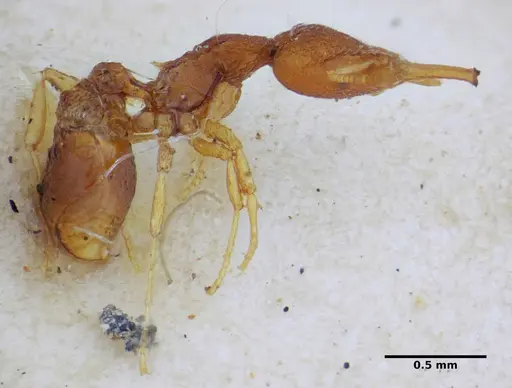
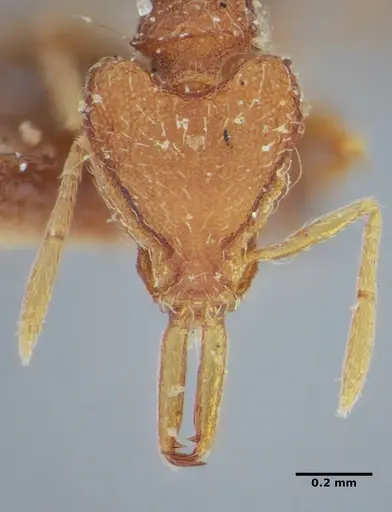
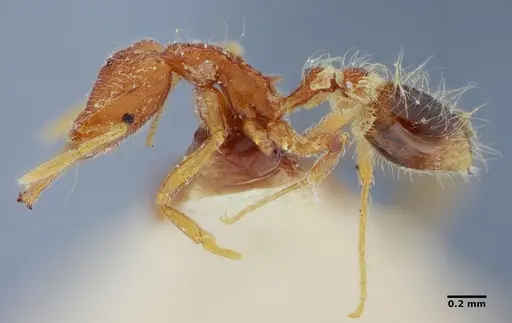
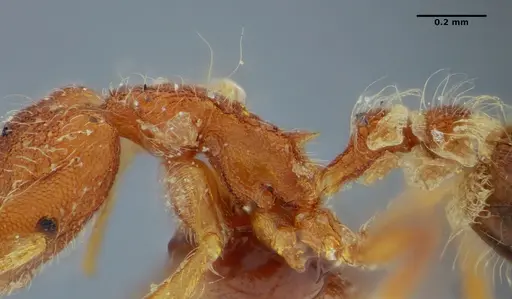
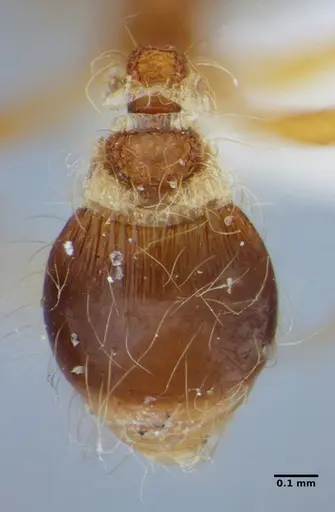
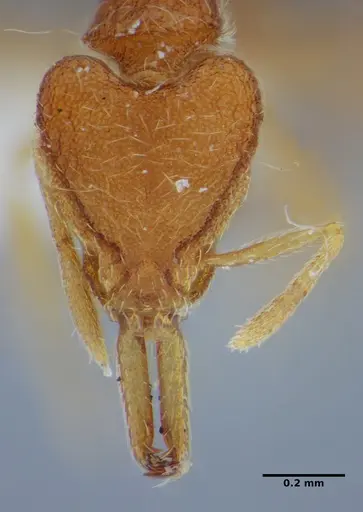
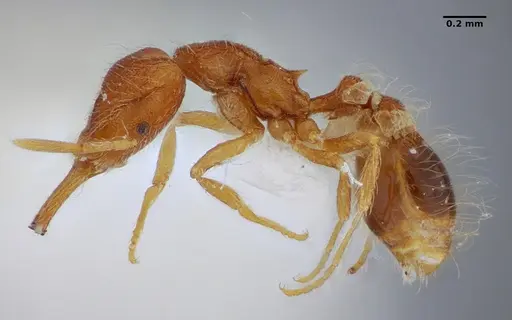
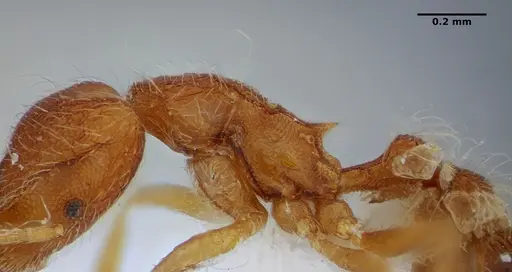
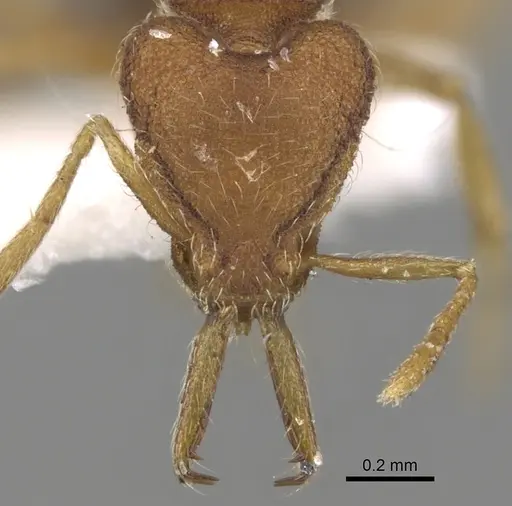
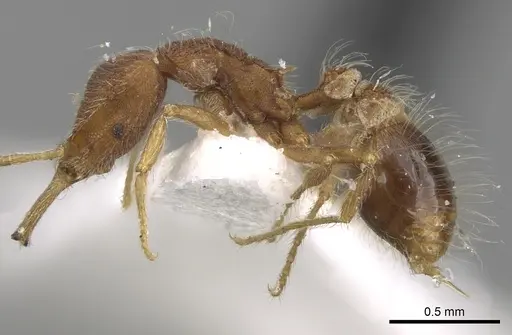
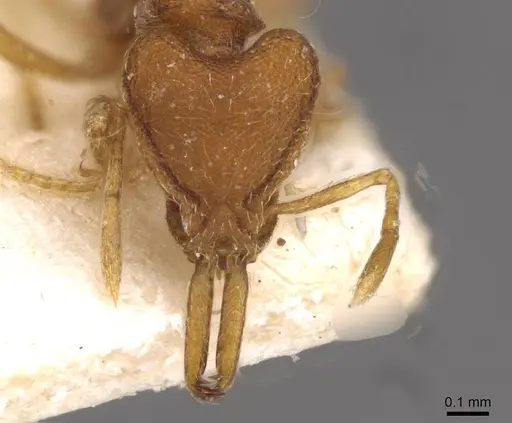
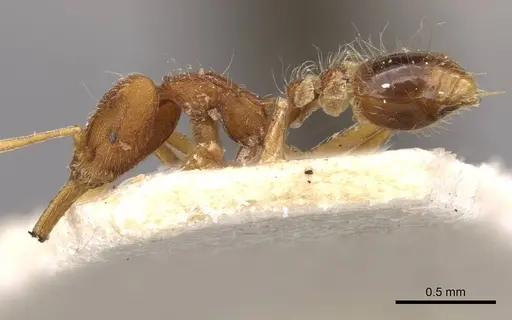
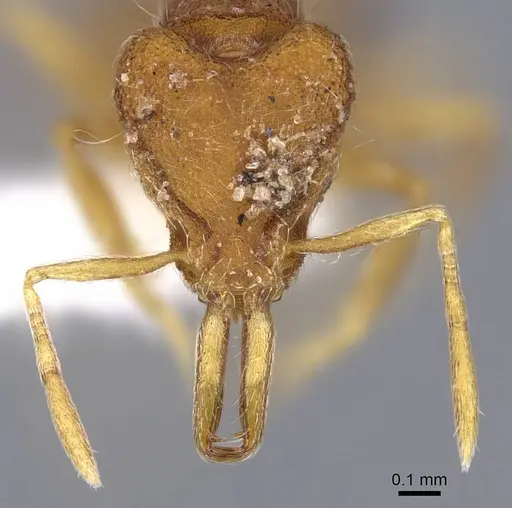
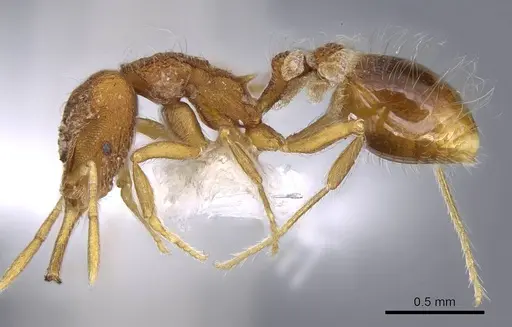
Strumigenys hindenburgi is a tiny predatory ant native to the Neotropical region, found in Argentina, Brazil, Paraguay, and Colombia. Workers measure just 2.5-3.0mm, making them one of the smaller ant species kept in captivity. They belong to the tribe Attini (fungus-growing ants), though Strumigenys are specialized predators rather than fungus farmers. These ants have distinctive elongated mandibles and dense fine hairs covering their body. The most remarkable trait of this species is that winged queens have been completely replaced by ergatoid (wingless) queens, a rare phenomenon where the colony can produce replacement reproductives if the primary queen dies [1]. In their natural habitat of tropical moist forests, they live in sifted leaf litter and rotting wood, hunting tiny prey like springtails.
Quick Summary
- Difficulty: Medium
- Origin & Habitat: Tropical moist forests of the Neotropical region, Argentina, Brazil, Paraguay, and Colombia (Valle del Cauca). They live in leaf litter and rotting wood[2].
- Colony Type: Ergatoid queen system, winged queens have been completely replaced by wingless ergatoid queens that can serve as replacement reproductives if the primary queen dies [1]. This is a functionally monogyne system with ergatoid replacement capability.
- Colony: Monogyne
- Size & Growth:
- Queen: 2.73-2.80 mm (ergatoid) [1], smaller than workers, typical of ergatoid species
- Worker: 2.5-3.0 mm
- Colony: Unknown, likely small colonies typical of litter-dwelling Strumigenys (under 100 workers)
- Growth: Slow, based on typical Strumigenys patterns and small colony sizes
- Development: Estimated 8-12 weeks at optimal temperature, based on typical Attini development patterns (Development time not directly studied. Small colony size suggests gradual growth over many months.)
- Antkeeping:
- Temperature: Keep at 24-28°C, these are tropical ants from moist forests. Use a heating cable on one side of the nest to create a gentle gradient.
- Humidity: High humidity required, think damp forest floor. Keep the nest substrate consistently moist but not waterlogged. Provide a water tube as a drinking source.
- Diapause: No, being a tropical species, they do not require hibernation. Maintain warm temperatures year-round.
- Nesting: Y-tong (AAC) nests or plaster nests work well. These tiny ants need tight chambers and narrow passages scaled to their 2.5-3mm size. Naturalistic setups with leaf litter and rotting wood also mimic their natural environment.
- Behavior: These are slow-moving, cryptic ants that hunt tiny prey. They use their elongated mandibles to capture springtails and other micro-arthropods. They are not aggressive and rarely sting. Escape prevention is critical due to their very small size, they can squeeze through standard mesh barriers. They are peaceful toward colony members and do not exhibit territorial behavior.
- Common Issues: escape prevention is critical, they are tiny and squeeze through the smallest gaps, use fine mesh barriers, slow growth means colonies develop gradually over many months, requiring patience, colonies remain small, do not expect large worker numbers, wild-caught colonies may have parasites that can decimate the colony, overfeeding can lead to mold problems in their humid environment
Housing and Nest Setup
Strumigenys hindenburgi are tiny ants that require carefully scaled housing. Y-tong (AAC) nests work well because the narrow chambers match their small size. Plaster nests also maintain humidity well, which these tropical ants need. Avoid standard formicarium chambers designed for larger ants, the chambers should be tight and cozy. For the outworld, use a small container with excellent escape prevention. Because they are only 2.5-3mm, they can escape through standard mesh. Use fine mesh barriers or fluon on container edges. A naturalistic setup with damp leaf litter and small pieces of rotting wood can also work, though it makes observation harder. Keep the nest area humid but ensure some ventilation to prevent mold. [1]
Feeding and Diet
Strumigenys hindenburgi are specialized predators on tiny arthropods. In captivity, their primary food should be live springtails, these are the ideal prey size and match their natural diet. Other small live prey like micro-arthropods, booklice (psocids), and fruit flies may be accepted. They are not sugar feeders, Attini ants are primarily predatory. Do not offer honey or sugar water as they will not accept it. Feed small prey items every 2-3 days, adjusting based on how quickly the colony consumes them. Remove uneaten prey to prevent mold in the humid environment. Because they are so small, prey items should be tiny, springtails and fruit fly-sized prey are appropriate.
Temperature and Humidity
These tropical ants need warm, humid conditions. Keep the nest at 24-28°C, this is warm for most ants but appropriate for Neotropical species. A heating cable on one side of the nest creates a temperature gradient so ants can choose their preferred spot. High humidity is essential, aim for 70-85% relative humidity. The substrate should feel damp but not waterlogged. These ants come from tropical moist forests where humidity stays consistently high. A water tube connected to the nest helps maintain humidity and provides drinking water. Monitor for condensation, some condensation is normal and good, but excessive water can drown small colonies. [2]
Colony Structure and Ergatoid Queens
One of the most interesting aspects of Strumigenys hindenburgi is their unique colony structure. Unlike most ant species where queens have wings and fly to establish new colonies, this species has completely lost winged queens. Instead, they have ergatoid queens, wingless females that develop from regular larvae and can serve as replacement reproductives if the primary queen dies [1]. This means your colony has built-in succession planning. If the queen dies, an ergatoid can take over. Ergatoid queens are slightly smaller than workers (2.73-2.80mm vs 2.5-3.0mm) and have larger compound eyes [1]. The colony is functionally monogyne with one primary egg-layer, but has backup reproductives available.
Behavior and Temperament
Strumigenys hindenburgi are peaceful, slow-moving ants that spend most of their time hunting in the leaf litter layer. They are not aggressive and pose no threat to keepers. Their elongated mandibles are designed for catching tiny prey, not for defending against larger threats. They are cryptic by nature, you will often see them moving slowly through their territory, hunting. They do not form large trails or exhibit dramatic foraging swarms. Instead, individual workers hunt alone or in small groups. Because they are so small and peaceful, they can be kept in multi-species setups if needed, though this is not recommended for beginners. Their tiny size means excellent escape prevention is mandatory.
Growth and Development
Colony growth is slow and gradual. Unlike fast-growing species that can reach hundreds of workers in a year, Strumigenys hindenburgi colonies likely max out at under 100 workers. The first workers (nanitics) will be small and may take 2-3 months to emerge after the queen lays eggs. After that, growth continues slowly, perhaps adding a few workers per month. This slow growth requires patience. Do not expect rapid expansion. The colony will remain small and intimate. Because they are tropical, they do not slow down in winter, maintain consistent warm temperatures year-round for continued growth. The ergatoid system means the colony can persist for many years through queen replacement. [1]
Frequently Asked Questions
How long does it take for Strumigenys hindenburgi to have first workers?
Expect 8-12 weeks from egg to first worker at optimal temperature (24-28°C). This is based on typical Attini development patterns, as specific development time has not been documented for this species. Growth is slow, be patient.
Can I keep Strumigenys hindenburgi in a test tube setup?
Yes, a test tube setup can work for founding colonies. Use a small test tube with a water reservoir at one end, sealed with cotton. The tube should be kept humid. However, because they are tiny, ensure the cotton is packed tightly to prevent escapes. Move to a proper nest once the colony reaches 10+ workers.
What do Strumigenys hindenburgi eat?
They are specialized predators that need live tiny prey. Feed live springtails as their primary food, these are the ideal size and match their natural diet. Other small live prey like micro-arthropods, booklice, and fruit flies may be accepted. They do not eat sugar or honey, these ants are purely predatory.
Are Strumigenys hindenburgi good for beginners?
They are rated as Medium difficulty. They require specific conditions (high humidity, warm temperatures, tiny live prey) that make them more challenging than beginner species like Lasius or Camponotus. However, their small colony size and peaceful nature make them manageable for committed beginners who research their specific needs.
How big do Strumigenys hindenburgi colonies get?
Colonies likely remain small, probably under 100 workers at maturity. This is typical for litter-dwelling Strumigenys species. Do not expect large, impressive colonies. Instead, enjoy their interesting behavior and unique ergatoid queen system.
Do Strumigenys hindenburgi need hibernation?
No, they do not need hibernation. Being a tropical species from the Neotropical region, they require warm temperatures year-round. Keep them at 24-28°C consistently. Temperature drops below 20°C for extended periods can be harmful.
Why are my Strumigenys hindenburgi dying?
Common causes include: escape (use fine mesh), low humidity (keep substrate damp), low temperature (warm to 24-28°C), wrong food (they need live tiny prey, not sugar), and mold from overfeeding or poor ventilation. Check each of these factors. Also consider that wild-caught colonies may carry parasites.
Can I keep multiple queens together?
Not recommended. This species has a functionally monogyne structure with ergatoid replacement reproductives. Combining unrelated foundresses has not been documented and queens would likely fight. If you have multiple ergatoids in a colony, they serve as replacement reproductives, not co-queens.
What makes Strumigenys hindenburgi special?
Their ergatoid queen system is unique, winged queens have been completely replaced by wingless ergatoid queens that can replace the primary queen if she dies [1]. This is rare in ants and makes them fascinating to observe. Their tiny size and specialized predatory lifestyle also make them unique among ant pets.
When should I move my colony to a formicarium?
Move to a proper nest (Y-tong or plaster) when the colony reaches 10-15 workers. Before that, a test tube setup is fine. The transition should be gradual, connect the test tube to the nest and let them move on their own.
References

This caresheet is licensed under CC BY-SA 4.0 .
ANTWEB1032500
View on AntWeb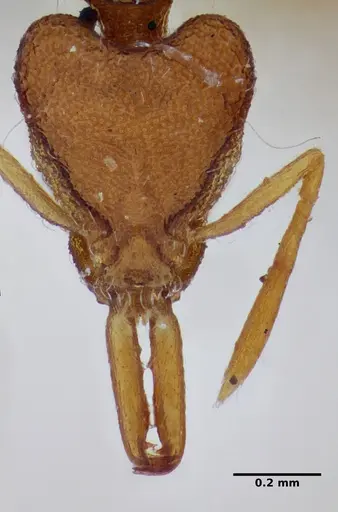
ANTWEB1032502
View on AntWeb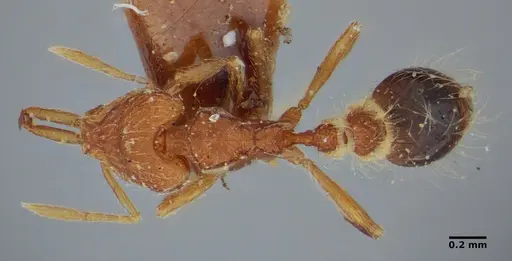
ANTWEB1032537
View on AntWeb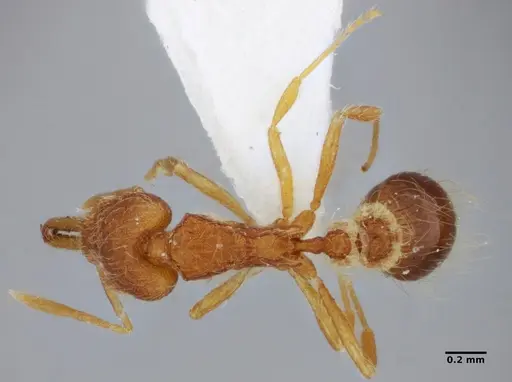
CASENT0280724
View on AntWeb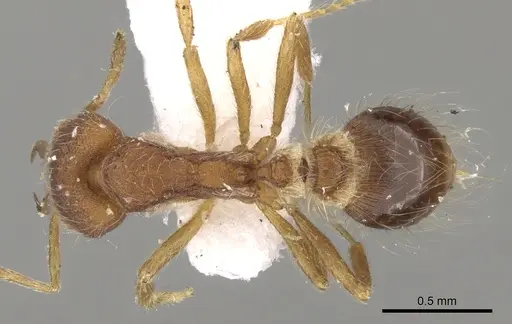
CASENT0909324
View on AntWeb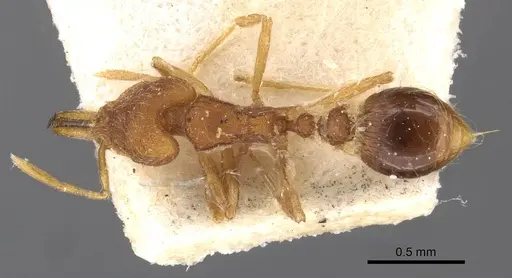
CASENT0914739
View on AntWeb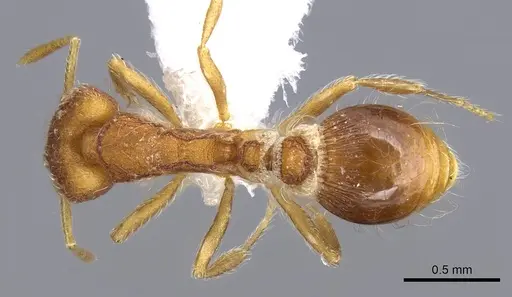
Literature
Loading...Loading products...