

Strumigenys hastyla
- Scientific Name
- Strumigenys hastyla
- Tribe
- Attini
- Subfamily
- Myrmicinae
- Author
- Bolton, 1983
- Distribution
- Found in 4 countries
Strumigenys hastyla Overview
Strumigenys hastyla is an ant species of the genus Strumigenys. It is primarily documented in 4 countries , including Central African Republic, Gabon, Togo. Detailed taxonomic data and occurrence records can be further explored via authoritative databases such as AntWeb or the Global Biodiversity Information Facility (GBIF).
Strumigenys hastyla - "Trap-Jaw Ant (a general common name for the genus)"
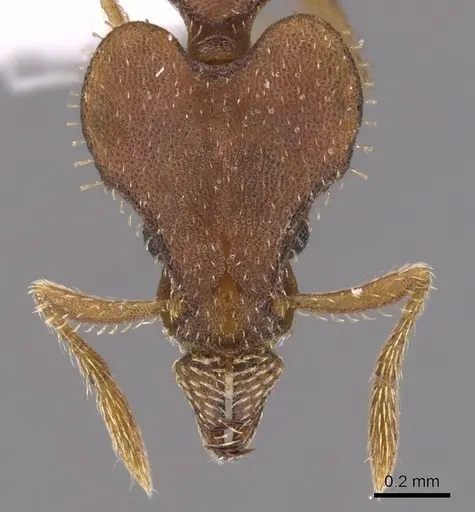
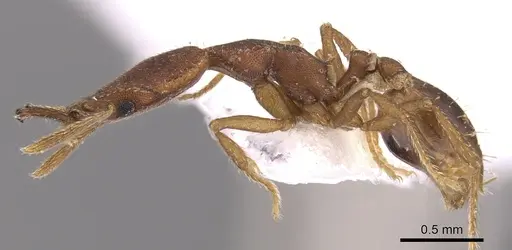
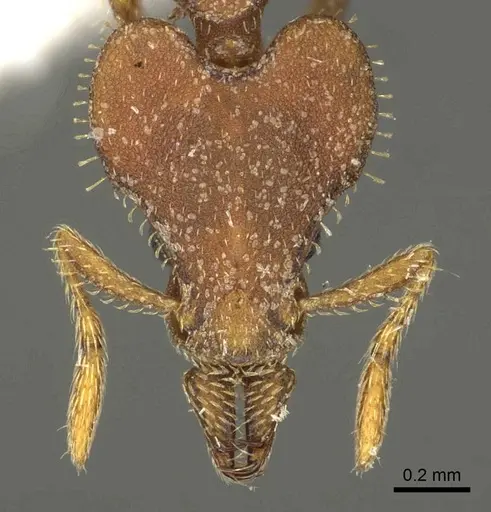
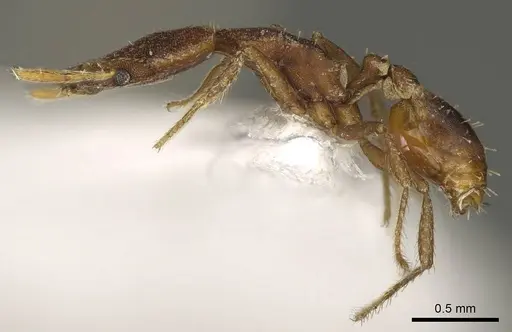
Strumigenys hastyla are tiny, cryptic ants known for their specialized trap-jaw mandibles, which snap shut rapidly to catch prey. Workers are typically brownish-yellow, measuring around 1.8-2.1 mm in total length. Their bodies often feature fine, spatulate or spoon-shaped hairs, giving them a somewhat fuzzy appearance. These ants are part of the 'scotti-group' and are characterized by their slender, almost cylindrical antennal scapes and relatively large eyes. They are quite inconspicuous in their natural habitats, often found within leaf litter.
- Difficulty: Medium
- Origin & Habitat: Afrotropical Region (Angola, Burundi, Cameroon, Central African Republic, Gabon, Ivory Coast, Nigeria, Uganda). in Rainforest and swamp forest, found in leaf litter, rotten logs, and under bark..
- Colony Type: Monogyne, claustral founding.
- Size & Growth:
- Queen: Not specified
- Worker: 1.8-2.1mm
- Colony: Small (tens to hundreds). Slow growth.
- Antkeeping:
- Temperature: Maintain temperatures between 22°C and 26°C. Avoid extreme temperature fluctuations to ensure colony health and steady development..
- Humidity: High humidity is crucial for this species, ideally ranging from 60-80%. Consistent moisture in their nest setup is vital to their well-being..
- Diapause: Not required. Not specified at Not specified.
- Nesting: Small formicariums with accessible chambers are ideal. They prefer setups that mimic their natural leaf litter and rotten wood habitats. Good ventilation in the foraging area is beneficial to prevent mold..
- Behavior: Low (towards handler, but highly predatory towards prey) aggressiveness.
- Common Issues: Failure to provide appropriate live prey, Lack of consistent high humidity, Mold growth in humid setups, Colony stalling due to stress or improper diet.
Strumigenys hastyla are incredibly specialized predators, primarily preying on small arthropods like springtails (Collembola). Their unique trap-jaw mandibles are an adaptation for ambushing quick-moving prey. Providing a consistent supply of appropriately sized live prey is essential for the health and growth of your colony. Without their preferred live food, these ants may struggle to thrive, and the colony could decline.
Due to their small size and cryptic nature, Strumigenys hastyla colonies are generally inconspicuous. You won't see a lot of visible activity in the outworld compared to larger, more active ant species. This means observation requires patience and a keen eye, as they spend most of their time foraging within their substrate or nest chambers.
Humidity is paramount for these ants, mirroring their rainforest and swamp forest origins. Maintaining high and stable humidity levels within the nest is critical to prevent desiccation and ensure the survival of the brood and workers. Dry conditions can quickly lead to colony stress and collapse, so a reliable humidity system is not just recommended, but a necessity for successful keeping.
Strumigenys hastyla are quite sensitive to disturbances. Keeping their environment stable and minimizing unnecessary vibrations or sudden light changes will help reduce stress on the colony. Their delicate nature means a calm, undisturbed setup is more likely to lead to a thriving and expanding ant family. Consider a location where they won't be frequently jostled or exposed to bright, direct light.
Frequently Asked Questions
What makes Strumigenys hastyla 'trap-jaw ants'?
Strumigenys hastyla, like many in their genus, possess unique 'trap-jaw' mandibles. These mandibles can snap shut at incredibly high speeds, allowing them to ambush and capture small, quick-moving prey, most notably springtails. It's a fascinating predatory adaptation!
What is the best food for Strumigenys hastyla?
The best diet for Strumigenys hastyla consists almost exclusively of live springtails (Collembola) or similarly tiny arthropods. They are specialized predators, so offering dead insects or common ant foods like sugar water won't sustain them. You'll need a reliable culture of springtails to keep your colony fed.
How big do Strumigenys hastyla colonies get?
Strumigenys hastyla colonies are generally on the smaller side. You can expect a mature colony to range from a few tens to a few hundreds of workers. They won't form the massive supercolonies seen with some other common ant species, making them suitable for smaller setups.
What kind of nest is best for Strumigenys hastyla?
For Strumigenys hastyla, a small formicarium that allows for high humidity and incorporates natural substrates like fine soil, leaf litter, and small rotten wood fragments is ideal. They thrive in setups that mimic their natural leaf litter and decaying wood habitats, often preferring a deep layer of substrate. Test tube setups with a large foraging area can also work for founding colonies.
Do Strumigenys hastyla sting or bite?
Strumigenys hastyla are not known to sting humans. While they possess powerful mandibles, these are used for prey capture and not typically for defense against large threats like a curious ant keeper. Their small size also means any bite would be insignificant.
Are Strumigenys hastyla good for beginner ant keepers?
Strumigenys hastyla are considered to be of 'Medium' difficulty to keep. They aren't recommended for absolute beginners due to their specific dietary requirements (live prey like springtails) and their critical need for high, consistent humidity. If you're new to antkeeping, it might be better to start with an easier species before delving into specialized predators like these.
Where do Strumigenys hastyla naturally live?
Strumigenys hastyla are native to the Afrotropical Region, found in countries such as Angola, Burundi, Cameroon, and Nigeria. Their natural habitat is typically dense rainforests and swamp forests, where they forage and nest within the moist leaf litter and decaying wood on the forest floor.
Do Strumigenys hastyla need diapause?
Given their tropical origin, Strumigenys hastyla do not typically require a diapause period. They are accustomed to stable, warm temperatures and high humidity year-round in their natural environment. Maintaining consistent conditions is key to their health.
How fast do Strumigenys hastyla colonies grow?
Strumigenys hastyla colonies generally exhibit a slow growth rate. Don't expect rapid expansion or huge numbers of workers quickly. Patience is essential when keeping these tiny, slow-growing colonies, as their population increases gradually.
How do Strumigenys hastyla hunt their prey?
These fascinating ants are ambush predators. They typically wait for unsuspecting springtails or other small arthropods to pass by. Once prey is within range, their trap-jaw mandibles snap shut with incredible speed, immobilizing or killing the prey almost instantly. It's truly a marvel to witness!
Is mold a concern with Strumigenys hastyla?
Yes, mold can be a significant concern when keeping Strumigenys hastyla due to their requirement for high humidity. It's crucial to ensure good ventilation in the foraging area and to remove any uneaten food promptly to prevent mold growth, which can be detrimental to the colony's health.

This caresheet is licensed under CC BY-SA 4.0 .
CASENT0102607
View on AntWeb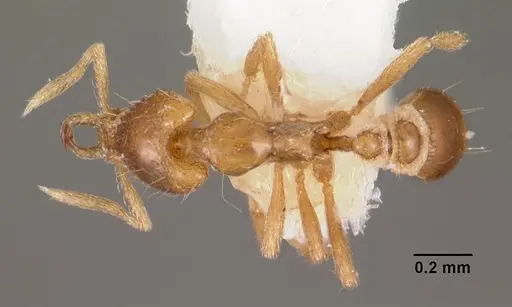
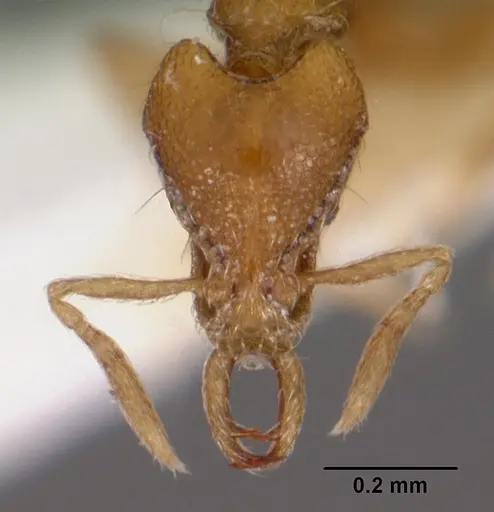
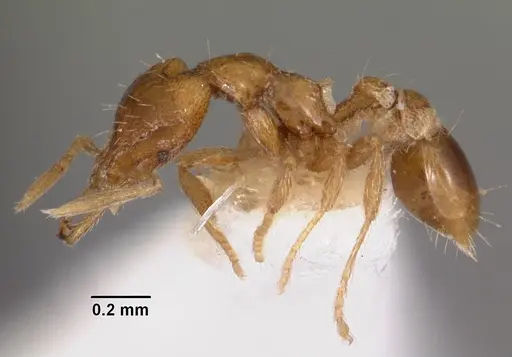
CASENT0411623
View on AntWeb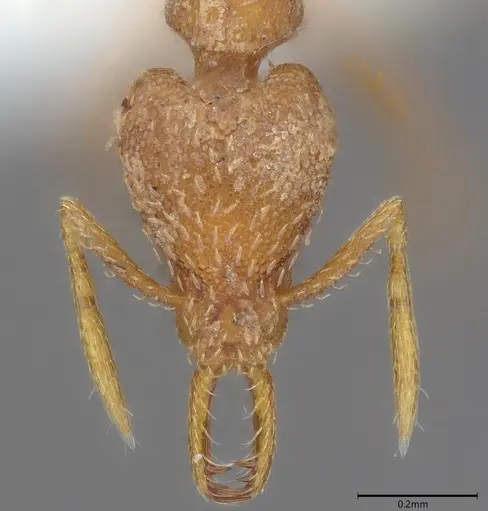
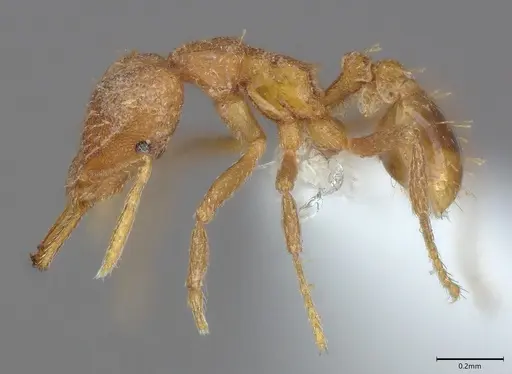
CASENT0900620
View on AntWeb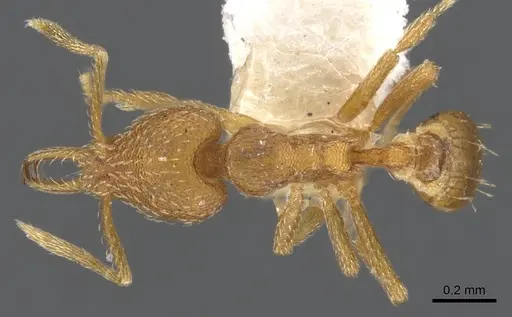
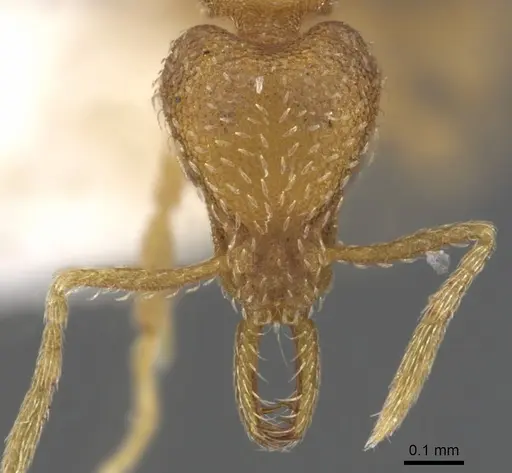
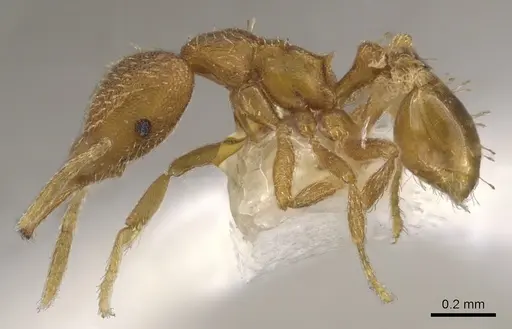
CASENT0900770
View on AntWeb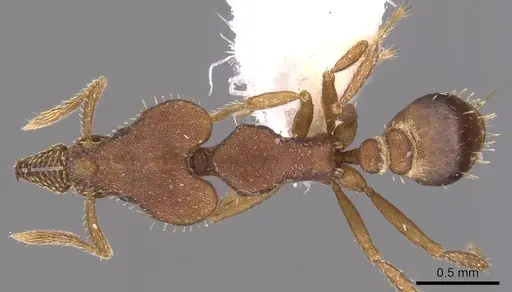
CASENT0915693
View on AntWeb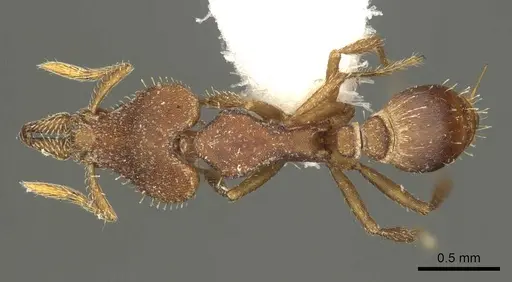
Literature
Loading...Loading products...