

Strumigenys fenkara
- Scientific Name
- Strumigenys fenkara
- Tribe
- Attini
- Subfamily
- Myrmicinae
- Author
- Bolton, 1983
- Distribution
- Found in 1 countries
Strumigenys fenkara Overview
Strumigenys fenkara is an ant species of the genus Strumigenys. It is primarily documented in 1 countries , including Uganda. Detailed taxonomic data and occurrence records can be further explored via authoritative databases such as AntWeb or the Global Biodiversity Information Facility (GBIF).
Strumigenys fenkara
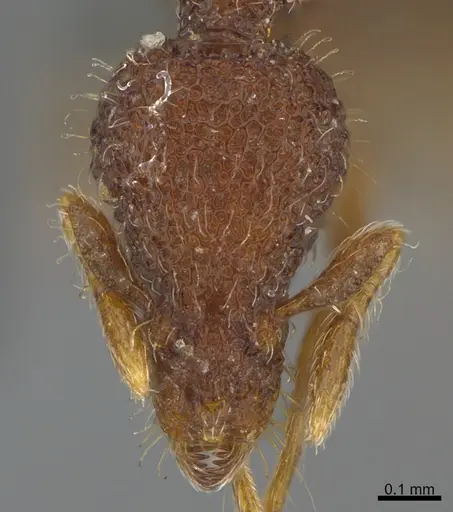
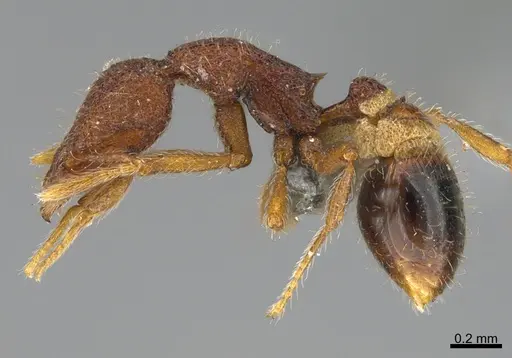
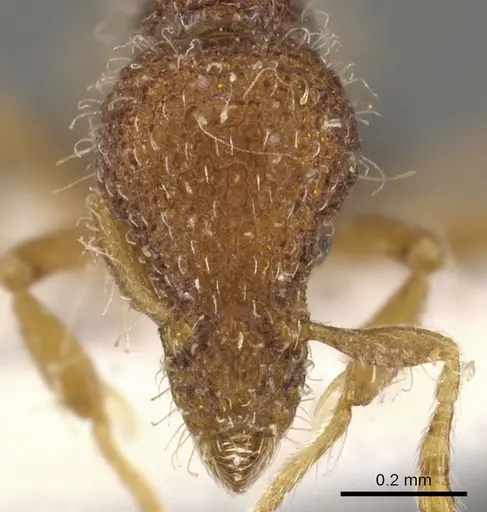
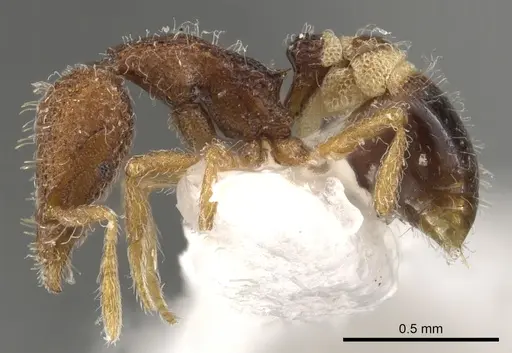
Strumigenys fenkara is a tiny ant species from the Democratic Republic of Congo. Workers are among the smallest of all ants, measuring just 2-3mm, with the characteristic trap-jaw mandibles that give the genus its common name. These ants have a pale to amber-colored body and distinctive elongated mandibles lined with teeth, used to snap shut on prey. In the wild, they live in the humid forest environments of central Africa, typically nesting in leaf litter, rotting wood, or soil. Like other Strumigenys, this species is a specialized predator, primarily hunting tiny arthropods like springtails. Colonies tend to be small, usually containing only a few dozen to a couple hundred workers.
Quick Summary
- Difficulty: Medium
- Origin & Habitat: Democratic Republic of Congo, central Africa. Found in humid forest habitats, typically in leaf litter and rotting wood [1].
- Colony Type: Likely monogyne (single queen colony), based on typical Strumigenys colony structure.
- Colony: Monogyne
- Founding: Claustral
- Size & Growth:
- Queen: Approximately 3-4mm, estimated based on genus patterns
- Worker: 2-3mm [1]
- Colony: Likely 50-200 workers based on typical Strumigenys colony sizes
- Growth: Slow, Strumigenys colonies typically grow gradually
- Development: Estimated 6-10 weeks at warm temperatures, based on genus patterns for small tropical ants (Development is likely slow due to small colony size and specialized feeding requirements)
- Antkeeping:
- Temperature: Keep at 24-28°C. These are tropical ants that need warm, stable conditions. A heating cable on one side of the nest creates a suitable gradient.
- Humidity: High humidity is essential, think damp forest floor. Keep the nest substrate consistently moist but not waterlogged. Provide a water tube for drinking.
- Diapause: No true diapause required. As tropical ants from DRC, they do not need hibernation. Keep them warm year-round.
- Nesting: Preferred nest types include Y-tong (AAC) nests, plaster nests, or naturalistic setups with moist substrate. They do well in tight, humid chambers that mimic their natural leaf litter habitat. Avoid dry, open setups.
- Behavior: These ants are peaceful but specialized predators. They are not aggressive toward humans and rarely sting. Their trap-jaw mandibles are designed for hunting tiny prey, not defense. Workers are active foragers that hunt individually. Escape prevention is critical due to their very small size, they can squeeze through standard test tube openings. Use fine mesh barriers and tight-fitting lids.
- Common Issues: escape prevention is critical, their tiny size means they can slip through the smallest gaps, slow growth can frustrate beginners, colonies may take months to reach 20-30 workers, specialized diet means they may refuse standard ant foods, high humidity requirements can lead to mold problems if ventilation is poor, wild-caught colonies may have parasites that cause colony failure
Housing and Nest Setup
Strumigenys fenkara needs a humid, enclosed nest environment. Y-tong (AAC) nests work well because they hold humidity while providing proper darkness. Plaster nests are another excellent option, the ants can burrow into moist plaster. For a founding colony, a test tube setup with a water reservoir works, but be prepared to move them to a proper nest once the colony reaches 10-15 workers. The nest chamber should be small and tight-fitting, these tiny ants feel secure in cramped spaces. The outworld should be simple with minimal decorations since these ants are focused on hunting, not exploring. Use a shallow feeding dish and a water tube. [1]
Feeding and Diet
This species is a specialized predator that primarily hunts tiny arthropods. In captivity, their main food should be live springtails, these are ideal size and nutrition. Other small live prey like fruit flies, tiny mealworms, and copepods may be accepted. Some keepers report success with freeze-dried insects crushed into powder, but live prey is always preferred. Sugar sources are rarely accepted since these are not honeydew-feeding ants. Feed every 2-3 days, offering small amounts that can be consumed within a day. Remove uneaten prey to prevent mold. The key is offering prey that matches their tiny size, if the prey is too large, they cannot subdue it.
Temperature and Humidity
Keep these tropical ants warm at 24-28°C. Temperature significantly affects their activity and development, cooler temperatures slow everything down and can weaken the colony. Use a heating cable placed on top of the nest (not underneath, which dries out moisture). Humidity is critical, aim for 70-85% relative humidity inside the nest. The substrate should feel damp to the touch but never have standing water. A water tube in the outworld provides drinking water. Monitor for condensation on nest walls, this indicates good humidity. If the nest dries out, workers become sluggish and brood development stalls.
Behavior and Colony Dynamics
Strumigenys fenkara workers are active hunters that forage individually rather than in groups. They use their trap-jaw mandibles to rapidly snap shut on prey items, this happens in milliseconds and is one of the fastest animal movements. Colonies are small and slow-growing. A mature colony might have 50-200 workers. The queen is relatively small and long-lived. Workers are non-aggressive toward humans and rarely attempt to sting. Their main defense is fleeing rather than fighting. The biggest behavioral note is their escape ability, because they are so tiny, they can slip through gaps that larger ants cannot. Excellent escape prevention is mandatory.
Frequently Asked Questions
How long does it take for Strumigenys fenkara to raise first workers?
Expect 6-10 weeks from founding to first workers, based on typical Strumigenys development patterns. The queen will seal herself in and not emerge until her first nanitic workers hatch. Be patient, these ants grow slowly.
Can I keep Strumigenys fenkara in a test tube?
Yes, test tubes work for founding colonies. Use a small test tube with a cotton-stoppered water reservoir. Keep it humid and warm. You will need to move them to a proper nest (Y-tong or plaster) once the colony reaches 15-20 workers.
What do Strumigenys fenkara eat?
They are specialized predators that need live tiny prey. Springtails are the ideal food, small enough to hunt and nutritious. Other small live prey like fruit flies may be accepted. They typically do not eat sugar or honey.
Are Strumigenys fenkara good for beginners?
They are intermediate difficulty. You need experience with ant keeping basics and must be prepared for their specialized feeding requirements. Their slow growth and small colony size require patience.
Why are my Strumigenys fenkara dying?
Common causes include: too low humidity (keep substrate consistently moist), too cold (maintain 24-28°C), wrong food size (prey must be tiny), and escape-related losses (use fine mesh). Also check for parasites in wild-caught colonies.
How big do Strumigenys fenkara colonies get?
Colonies are relatively small. Expect 50-200 workers at maturity. This is typical for the genus, they never form the large colonies that species like Lasius or Camponotus produce.
Do Strumigenys fenkara need hibernation?
No. As tropical ants from the Democratic Republic of Congo, they do not require hibernation. Keep them warm year-round at 24-28°C. Hibernating them could harm or kill the colony.
When should I move Strumigenys fenkara to a formicarium?
Move them when the test tube becomes crowded, typically around 15-25 workers. A Y-tong or plaster nest with small chambers works best. Do not move too early, they prefer tight spaces when founding.
How often should I feed Strumigenys fenkara?
Feed every 2-3 days with small amounts of live prey. Remove any uneaten prey after 24 hours to prevent mold. A constant water supply is essential. Do not overfeed, these small colonies do not need much.
References

This caresheet is licensed under CC BY-SA 4.0 .
CASENT0355817
View on AntWeb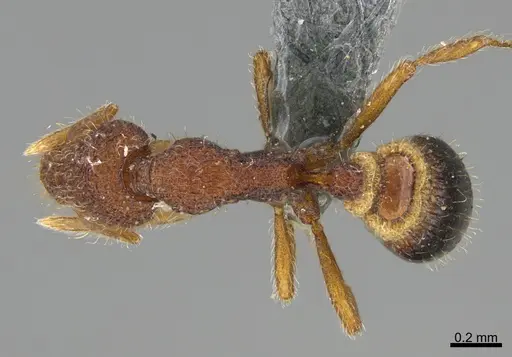
CASENT0900089
View on AntWeb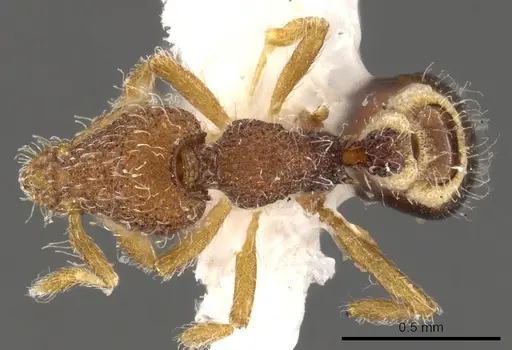
Literature
Loading...Loading products...