

Strumigenys fanano
- Scientific Name
- Strumigenys fanano
- Tribe
- Attini
- Subfamily
- Myrmicinae
- Author
- Fisher, 2000
- Distribution
- Found in 1 countries
Strumigenys fanano Overview
Strumigenys fanano is an ant species of the genus Strumigenys. It is primarily documented in 1 countries , including Madagascar. Detailed taxonomic data and occurrence records can be further explored via authoritative databases such as AntWeb or the Global Biodiversity Information Facility (GBIF).
Strumigenys fanano
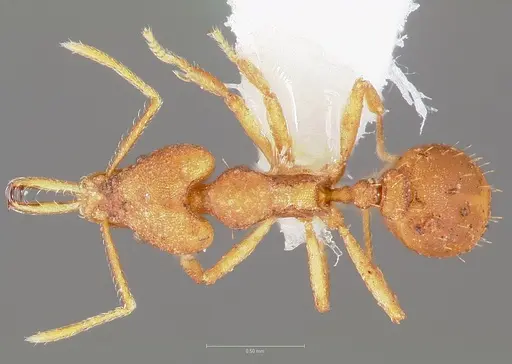
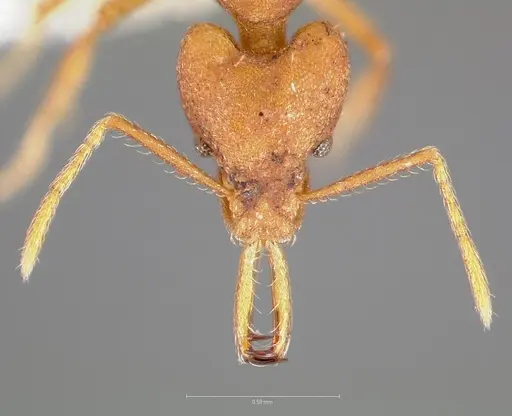
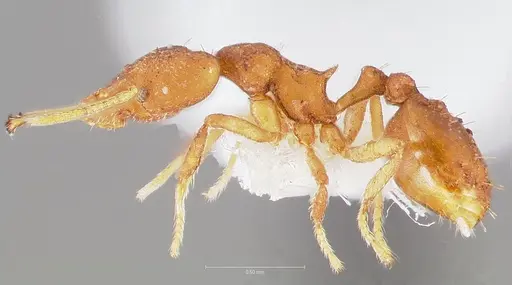
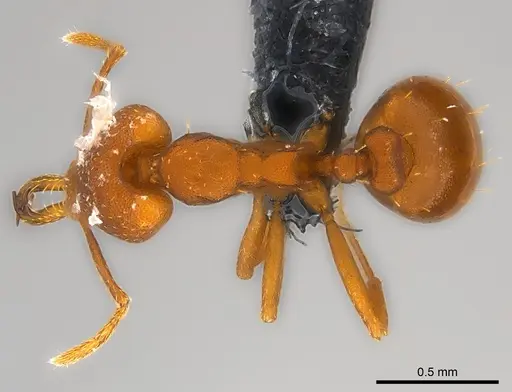
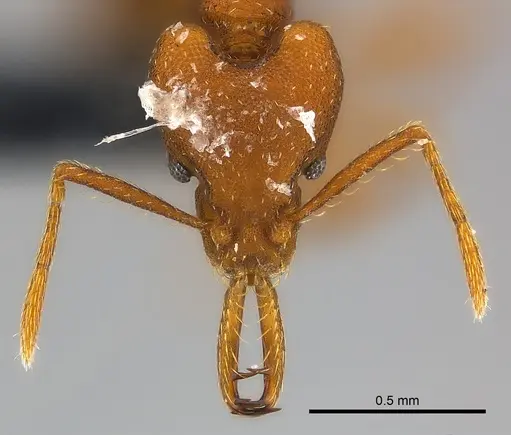
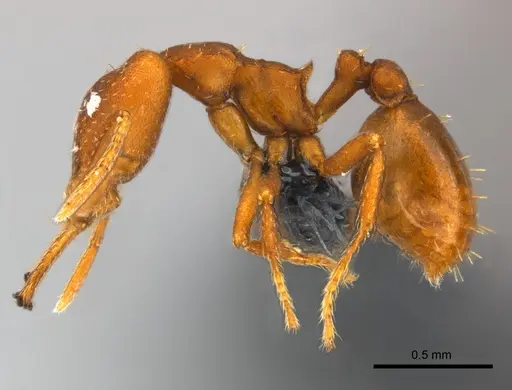
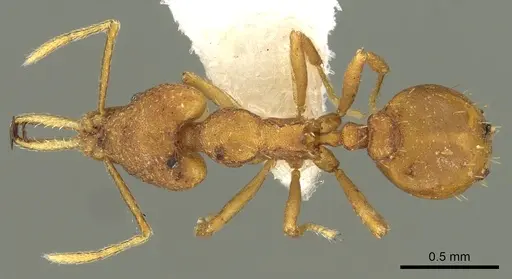
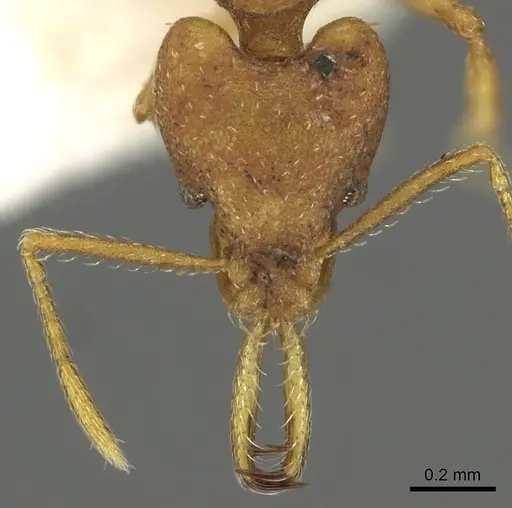
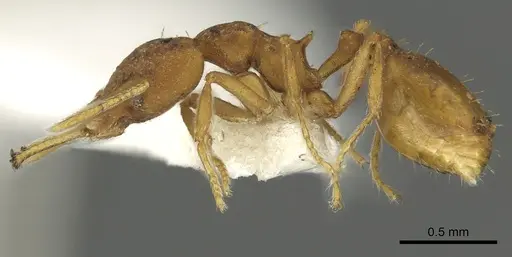
Strumigenys fanano is a tiny predatory ant native to Madagascar, measuring just 3.0-3.1mm in total length . Workers have an orange-brown coloration with distinctive reticulate-punctate sculpture on their body, and belong to the grandidieri group within Strumigenys . These ants are equipped with specialized trap-jaw mandibles capable of rapid snapping motions to capture prey [1]. Found exclusively in Madagascar's forest habitats, they live in leaf litter, rotten logs, and decaying wood where they hunt small arthropods [1].
Quick Summary
- Difficulty: Medium
- Origin & Habitat: Madagascar, found in montane rainforest and dry deciduous forest habitats at elevations around 150m [2]. They inhabit forest floor litter and rotting wood.
- Colony Type: Colony structure is unconfirmed. Based on related Strumigenys species, colonies are likely small with single queens.
- Size & Growth:
- Queen: Unconfirmed, no queen measurements available
- Worker: 3.0-3.1mm total length
- Colony: Likely small colonies, probably under 100 workers based on typical Strumigenys patterns [1]
- Growth: Slow, these are tiny ants with specialized predatory habits
- Development: Estimated 8-12 weeks based on related Strumigenys species [1] (Development is likely slow due to their specialized predatory lifestyle and small colony size)
- Antkeeping:
- Temperature: Keep at 22-26°C, they are tropical Madagascar ants requiring warm conditions [1]
- Humidity: High humidity required, think damp forest floor. Keep substrate consistently moist but not waterlogged [1]
- Diapause: No, being tropical, they do not require hibernation [1]
- Nesting: Prefers naturalistic setups with moist substrate, leaf litter, and small chambers. Test tubes with cotton can work but need excellent escape prevention due to their tiny size. Y-tong nests with fine mesh barriers are recommended [1]
- Behavior: These are shy, cryptic ants that prefer to flee rather than fight. Their trap-jaw mandibles are used for hunting small prey, not defense. They are slow-moving and spend most of their time hunting in leaf litter. Escape prevention is critical, their tiny size allows them to squeeze through standard mesh [1].
- Common Issues: escape prevention is critical, they are extremely small and can squeeze through standard barriers, predatory diet makes them difficult to feed, need constant supply of live micro-prey like springtails, slow colony growth can frustrate keepers expecting rapid development, wild-caught colonies may have parasites that are difficult to treat, high humidity requirements can lead to mold problems if ventilation is poor
Housing and Setup
Strumigenys fanano requires careful housing due to their extremely small size. A naturalistic setup works best, use a small container with moist substrate (coconut fiber or soil mix), layer of leaf litter, and small pieces of rotting wood. This mimics their natural forest floor habitat. Test tubes can work but require tight-fitting lids and fluon barriers. A Y-tong (AAC) nest with narrow chambers and fine mesh escape prevention is ideal. Whatever setup you choose, ensure humidity stays high and there are no gaps larger than 1mm [1].
Feeding and Diet
These are specialized predators that hunt small arthropods. Their primary food should be live springtails (Collembola), this is their natural prey in the wild. They may also accept other tiny arthropods like booklice, minute soil mites, and fruit fly larvae. Offer prey every 2-3 days, removing any uneaten prey to prevent mold. Sugar sources are generally not accepted, these are obligate predators. Do not overfeed, as excess prey can die and cause mold problems [1].
Temperature and Humidity
Keep temperatures in the 22-26°C range. Being from Madagascar, they need warmth but not extreme heat. A small heating cable on one side of the nest can create a gradient. Humidity should be high, the substrate should feel consistently damp but never soggy. Mist occasionally but rely on water reservoirs rather than frequent misting to avoid flooding these tiny ants. Good ventilation is essential to prevent mold while maintaining humidity [1].
Behavior and Temperament
Strumigenys fanano is a shy, non-aggressive species. They will flee from threats rather than engage. Their famous trap-jaw mandibles are used exclusively for hunting prey, not defense. Workers move slowly and methodically through leaf litter searching for small arthropods. They are not colony climbers and spend most of their time on the substrate surface. Because they are so small and quiet, it's easy to forget they need feeding, establish a regular feeding schedule [1].
Colony Care
Colony growth is slow, expect months between major milestones. A founding queen may take 6-12 months to produce her first workers (nanitics), which will be very small. Even established colonies grow slowly compared to typical ants. Be patient and maintain consistent care. Watch for signs of stress: workers wandering aimlessly, refusing prey, or clustering at the nest edges. Stress often indicates improper humidity or temperature. These ants do not need hibernation, maintain warm conditions year-round [1].
Frequently Asked Questions
How long does it take for Strumigenys fanano to produce first workers?
Expect 6-12 months from founding to first workers. Development is slow due to their specialized predatory lifestyle and small colony size. The first workers (nanitics) will be very tiny [1].
What do Strumigenys fanano ants eat?
They are obligate predators that need live small arthropods. Feed live springtails as their primary food, this is what they eat in the wild. Other tiny prey like booklice, fruit fly larvae, and minute soil mites may also be accepted [1].
Can I keep Strumigenys fanano in a test tube?
Yes, but it requires excellent escape prevention. Their tiny size means they can squeeze through standard barriers. Use fluon on test tube rims and ensure lids fit tightly. A naturalistic setup with small chambers often works better long-term [1].
Are Strumigenys fanano good for beginners?
No, they are considered intermediate to advanced. Their predatory diet, escape risk, slow growth, and high humidity needs make them challenging for beginners. They are best suited for keepers with experience feeding micro-predators [1].
Do Strumigenys fanano need hibernation?
No. Being tropical Madagascar ants, they do not require hibernation. Keep them warm year-round at 22-26°C. Temperature drops below 20°C for extended periods can be harmful [1].
How big do Strumigenys fanano colonies get?
Colonies likely remain small, probably under 100 workers at maturity. This is typical for Strumigenys species, which maintain small, specialized colonies rather than the large numbers seen in many other ants [1].
Why are my Strumigenys fanano dying?
Common causes include: escape (check for tiny gaps in housing), starvation (ensure regular springtail feedings), low humidity (substrate should be damp), temperature stress (keep between 22-26°C), or mold from overfeeding. These delicate ants require precise conditions [1].
When should I move Strumigenys fanano to a formicarium?
Wait until the colony has at least 20-30 workers and is actively foraging. Moving too early can stress founding colonies. A naturalistic setup works better than traditional formicaria for these cryptic leaf-litter ants [1].
How often should I feed Strumigenys fanano?
Offer prey every 2-3 days. Remove any uneaten prey within 24 hours to prevent mold. Unlike sugar-feeding ants, they cannot store carbohydrates, regular protein feeding is essential for colony survival [1].
References

This caresheet is licensed under CC BY-SA 4.0 .
Literature
Loading...Loading products...