Strumigenys exilirhina - "Kibabuto-uroko-ari (Japanese)"
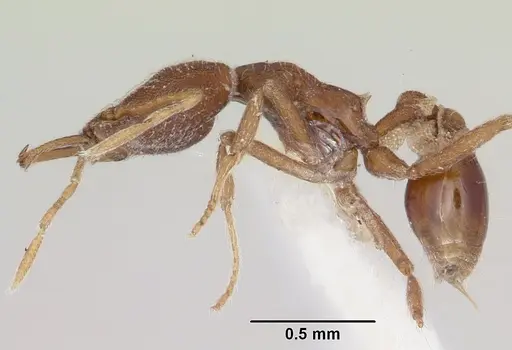
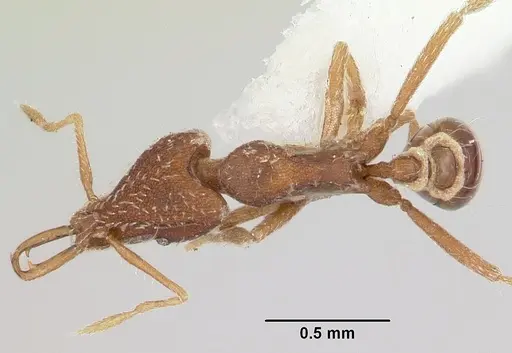
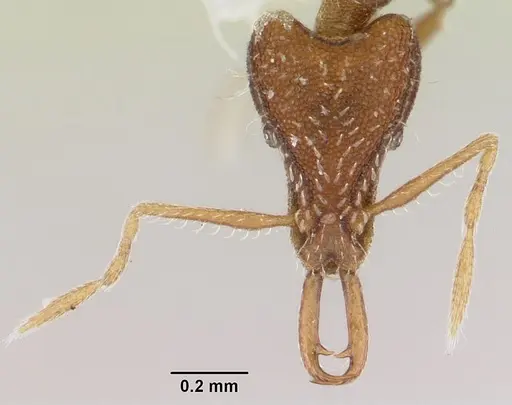
Strumigenys exilirhina is a tiny, cryptic ant species belonging to the Myrmicinae subfamily, part of the Attini tribe. Workers are typically around 2 mm in total length and have a brown body color. They are characterized by their relatively short, stout, and somewhat curved mandibles, which are less than half the length of their head. These ants are specialized predators, particularly known for hunting springtails (Collembola) and other small soil-dwelling arthropods, utilizing their unique trap-jaw mandibles that can open to a wide angle and snap shut rapidly. They are often found in leaf litter and soil, favoring humid, warm environments.
- Difficulty: Medium
- Origin & Habitat: Asia (Bhutan, India, Nepal, Thailand, China, Japan) in Disturbed habitats (e.g., rubber plantations, urban forests, tree plantations, shrubland), and natural habitats (e.g., rainforests, secondary forests, Feng Shui woods). They are typically found under moss, in leaf litter, and within soil..
- Colony Type: Monogyne, claustral founding.
- Size & Growth:
- Queen: Not specified
- Worker: 2.2-2.7mm
- Colony: Small (dozens to hundreds). Slow growth.
- Antkeeping:
- Temperature: Maintain temperatures between 21-28°C for optimal activity and brood development..
- Humidity: High humidity is crucial, as they are adapted to moist, warm microhabitats. Aim for 80-90% humidity within the nest..
- Diapause: Not required. Not specified at Not specified.
- Nesting: These ants prefer small, enclosed nests that mimic their natural subterranean and leaf litter environments. Plaster, Ytong, or natural setups with a rich substrate are ideal. Ensure good moisture retention..
- Behavior: Low (towards handler and other ants) aggressiveness.
- Common Issues: Lack of appropriate live prey, Mold in nest due to high humidity, Mites (especially with live food cultures), Colony stalling due to stress or improper conditions, Escapes due to small size of workers.
Keeping Strumigenys exilirhina can be a uniquely rewarding experience for the dedicated ant keeper, but it comes with its own set of challenges, primarily due to their diminutive size and specialized predatory diet. These fascinating ants, with their distinctive trap-jaw mandibles, are masters of hunting tiny arthropods, especially springtails. Providing a consistent and reliable source of appropriate prey is paramount to their success, as they are not generalist feeders. Without an adequate supply of live micro-prey, the colony is unlikely to thrive, making regular culture of springtails a necessity for any aspiring keeper.
Their natural preference for high humidity and cryptic living within leaf litter or soil means their formicarium setup needs careful consideration. A setup that mimics a naturalistic environment with plenty of substrate for foraging and nesting is often more successful than typical artificial nests. Focus on providing ample moisture without creating stagnant conditions, which can lead to mold, a common pitfall with high-humidity species. The small size of the workers also necessitates very fine mesh or barriers to prevent escapes, as they can slip through surprisingly small gaps.
Observing Strumigenys exilirhina can be difficult due to their slow-motion movements and tendency to freeze when disturbed, a behavior known as thanatosis. However, with patience and proper lighting, their unique foraging strategies, particularly the lightning-fast trap-jaw strike, are truly captivating to witness. Maintaining a stable environment is key; sudden changes in temperature or humidity can quickly stress these delicate colonies. A stable, undisturbed location for their setup is highly recommended to allow them to settle and establish themselves.
User blogs will be displayed here.