

Strumigenys erynnes
- Scientific Name
- Strumigenys erynnes
- Tribe
- Attini
- Subfamily
- Myrmicinae
- Author
- Bolton, 2000
- Distribution
- Found in 1 countries
Strumigenys erynnes Overview
Strumigenys erynnes is an ant species of the genus Strumigenys. It is primarily documented in 1 countries , including Madagascar. Detailed taxonomic data and occurrence records can be further explored via authoritative databases such as AntWeb or the Global Biodiversity Information Facility (GBIF).
Strumigenys erynnes
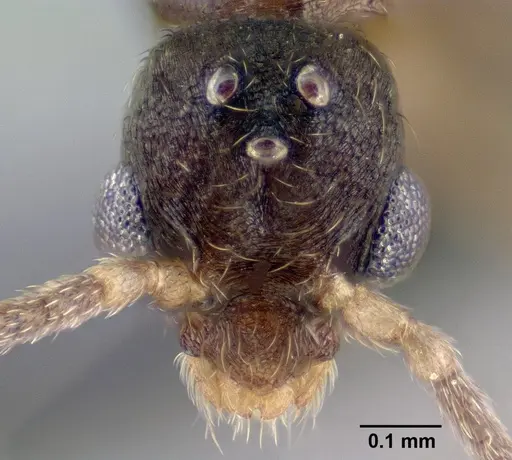
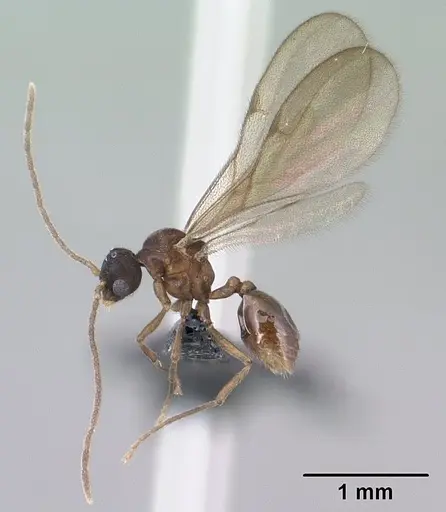
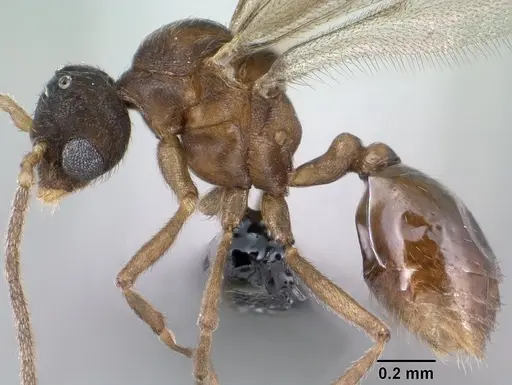
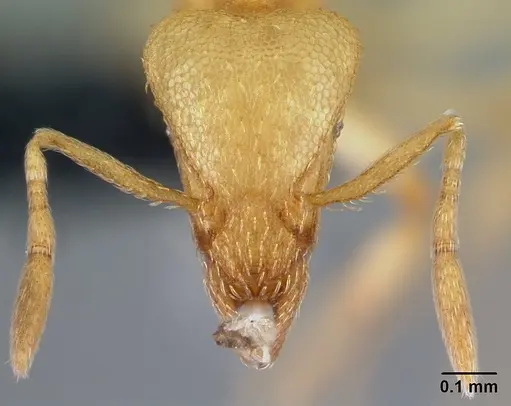
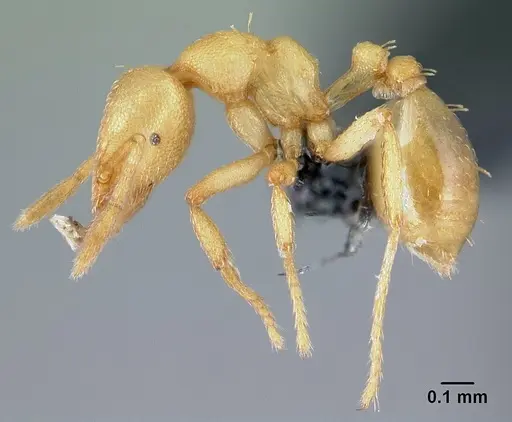
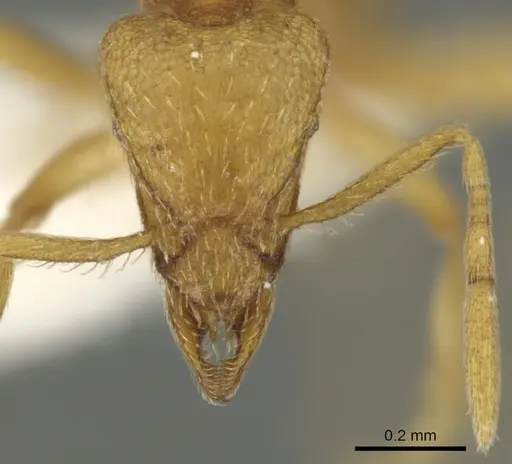
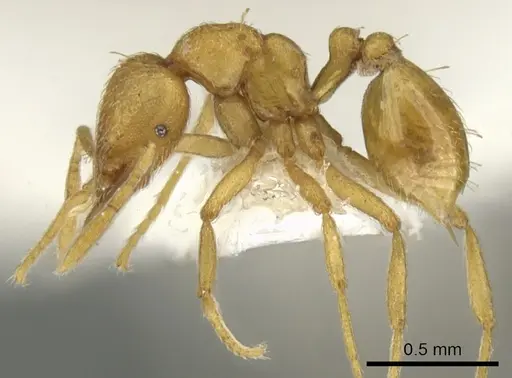
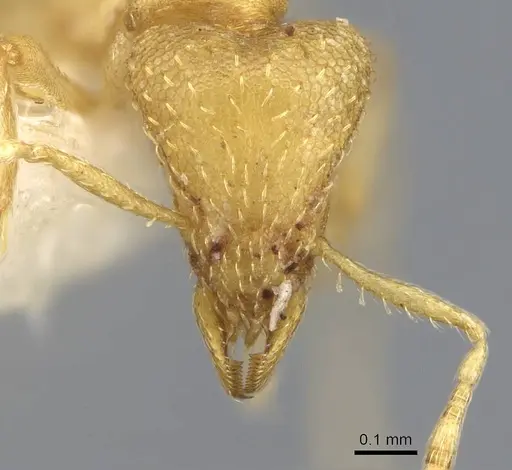
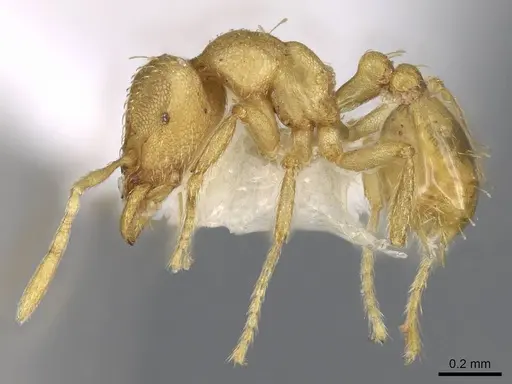
Strumigenys erynnes is a tiny predatory ant species native to Madagascar, measuring just 2.0-2.2mm in total length. These ants belong to the dacetine ant tribe Attini and are characterized by their elongated slender antennae (scapes with SI 82-88) and distinctive trap-jaw mandibles typical of the genus. Workers have a finely reticulate body texture and bear several pairs of stout remiform hairs on the alitrunk and waist segments. The species is a member of the Strumigenys mutica group and is found across elevational ranges in Madagascar's rainforest habitats, from 400m to over 1200m elevation [1].
Quick Summary
- Difficulty: Expert
- Origin & Habitat: Madagascar (Afrotropical region), found in rainforest habitats at elevations between 400-1240m. This species lives in leaf litter, soil, under stones, and in dead wood [2].
- Colony Type: Colony structure is unconfirmed. Based on typical Strumigenys patterns, colonies likely contain a single queen (monogyne) and may reach several hundred workers at maximum. Founding behavior is unconfirmed.
- Size & Growth:
- Queen: Unconfirmed, no queen measurements available for this species
- Worker: 2.0-2.2mm total length. Workers measure HL 0.54-0.58mm, HW 0.42-0.44mm.
- Colony: Likely several hundred workers at maximum based on typical Strumigenys colony sizes
- Growth: Moderate to slow, small colony size and tiny workers suggest gradual development
- Development: Estimated 6-10 weeks based on typical Attini development patterns (Development time is estimated from related Strumigenys species, specific data for S. erynnes is unavailable)
- Antkeeping:
- Temperature: Keep at 22-26°C, these are tropical forest ants that prefer warm, stable conditions. Avoid temperatures below 20°C.
- Humidity: High humidity is essential, maintain 70-85% relative humidity. Keep the nest substrate consistently moist but not waterlogged. These litter-dwelling ants need damp conditions similar to the rainforest floor.
- Diapause: No, as a tropical species from Madagascar, they do not require hibernation. Maintain year-round warm conditions.
- Nesting: These ants naturally nest in leaf litter, soil, under stones, and in dead wood [2]. In captivity, a naturalistic setup with moist substrate (like a mixture of soil and rotting wood) works well. Y-tong or plaster nests with small chambers can also work, but ensure excellent moisture retention. The tiny size of these ants means they need very tight chambers and passages.
- Behavior: Strumigenys are specialized predatory ants with trap-jaw mandibles used to capture small prey. They are likely active foragers that hunt springtails, mites, and other tiny arthropods in the leaf litter layer. Workers are small and can squeeze through very small gaps, escape prevention must be excellent. They are not aggressive toward humans and cannot sting. Their primary defense is fleeing.
- Common Issues: escape prevention is critical, they are extremely tiny and can squeeze through the smallest gaps, high humidity requirements can lead to mold if ventilation is poor, specialized diet makes them difficult to feed, they need live small prey, slow growth can lead to keeper impatience and overfeeding, wild-caught colonies may have parasites that kill them in captivity
Housing and Nest Setup
Strumigenys erynnes requires careful housing due to its tiny size. A naturalistic setup with a moist substrate mixture of soil and rotting wood mimics their natural leaf litter habitat. Use a shallow container to maximize the surface area for these ground-dwelling ants. If using a formicarium, choose one with very small chambers and narrow passages, these ants are only 2mm long and need tight spaces to feel secure. Test tube setups are generally too large for their needs unless modified with cotton to create smaller chambers. Regardless of setup, excellent escape prevention is mandatory, these tiny ants can escape through gaps that seem impossibly small. Apply fluon to all edges and use fine mesh on any ventilation holes. [1][2]
Feeding and Diet
Strumigenys erynnes is a specialized predator that hunts tiny arthropods. Their diet should consist primarily of live springtails (collembola), which are their natural prey in the wild. Other accepted foods may include tiny mites, booklice (psocids), and other minute arthropods. Offer prey items that are appropriately sized, no larger than the ant itself. Sugar sources are unlikely to be accepted, as Strumigenys are obligate predators. Feed every 2-3 days, offering only what the colony can consume within a day. Remove uneaten prey to prevent mold issues in the humid setup they require. [2]
Temperature and Humidity
Maintain temperatures between 22-26°C year-round. These tropical Madagascar ants do not tolerate cool conditions well, avoid temperatures below 20°C. A heating cable on one side of the setup can create a temperature gradient, but ensure the nest area stays within the optimal range. Humidity is critical: maintain 70-85% relative humidity. The substrate should feel consistently moist but never waterlogged. Mist lightly if needed, but rely more on water reservoirs or damp substrate to maintain stable humidity. Poor humidity will quickly kill these desiccation-sensitive ants. [1][2]
Behavior and Temperament
Strumigenys erynnes is a calm, non-aggressive species. Workers are small and docile, with no sting. Their primary defense is fleeing rather than fighting. They are active hunters that forage individually through the leaf litter layer, using their trap-jaw mandibles to capture small prey. Workers may be nocturnal or diurnal, observe your colony to determine their peak activity times. These ants do not form large colonies, so you will never see the massive worker swarms common in species like Formica or Camponotus. Instead, expect a modest colony of several dozen to a few hundred workers at maturity. [2]
Colony Establishment
Establishing a colony of S. erynnes requires patience. If starting with a wild-caught queen, she will need a small, humid chamber to found her colony. The founding chamber should be just large enough for her and her brood, with damp substrate. Queens likely seal themselves in like other Strumigenys species (claustral founding), living off stored fat until the first workers emerge. First workers (nanitics) will be very small and may take several months to develop. Do not disturb the founding chamber during this time. If acquiring a colony from another keeper, transfer it to an appropriately sized setup with minimal disturbance. [2]
Frequently Asked Questions
Can I keep Strumigenys erynnes in a test tube?
Standard test tubes are too large for these tiny ants. If using test tubes, you would need to modify them with cotton or other barriers to create appropriately sized chambers. A naturalistic setup with shallow, moist substrate is more suitable for this litter-dwelling species.
What do Strumigenys erynnes eat?
They are specialized predators that need live small arthropods. Offer live springtails as their primary food. Other tiny prey like mites and booklice may also be accepted. Sugar sources are unlikely to be taken.
How long does it take for first workers to emerge?
Exact development time is unknown for this species. Based on related Strumigenys species, expect approximately 6-10 weeks from egg to first worker at optimal temperature (around 24°C).
Are Strumigenys erynnes good for beginners?
No, this species is not recommended for beginners. Their tiny size, high humidity requirements, specialized predatory diet, and excellent escape prevention needs make them an expert-level species. They are best suited for experienced antkeepers who can provide the specific conditions they require.
Do Strumigenys erynnes need hibernation?
No, they do not need hibernation. As a tropical species from Madagascar, they require warm temperatures year-round. Maintain 22-26°C throughout the year.
How big do Strumigenys erynnes colonies get?
Based on typical Strumigenys colony sizes, expect a maximum of several hundred workers. They are not large colony formers like many other ant species.
Why are my Strumigenys erynnes dying?
Common causes include: low humidity (they need 70-85%), temperatures below 20°C, escape through tiny gaps, lack of appropriate live prey, and stress from disturbance. Check all of these parameters immediately if workers are dying.
When should I move Strumigenys erynnes to a formicarium?
Move them only when the colony has grown significantly and the current setup is too small. However, due to their tiny size and humidity needs, many keepers keep them in naturalistic setups long-term rather than moving to traditional formicaria.
Can I keep multiple queens together?
Combining unrelated queens of this species has not been documented. Based on typical Strumigenys behavior, it is not recommended. Start with a single queen for best success.
References

This caresheet is licensed under CC BY-SA 4.0 .
CASENT0005448
View on AntWeb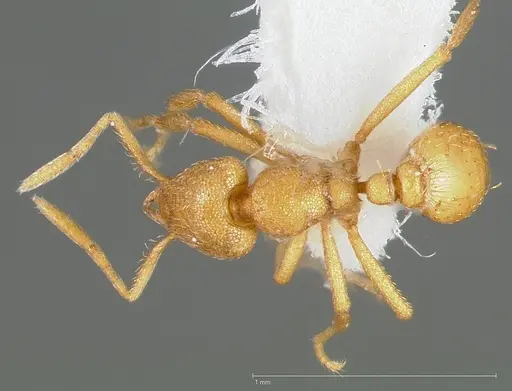
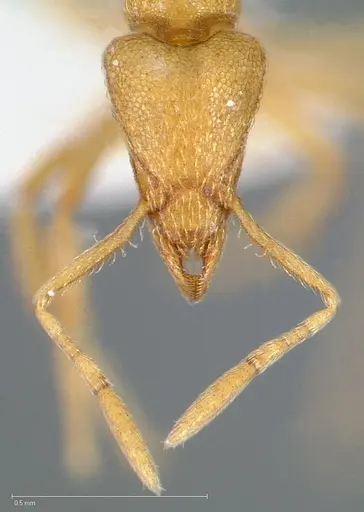
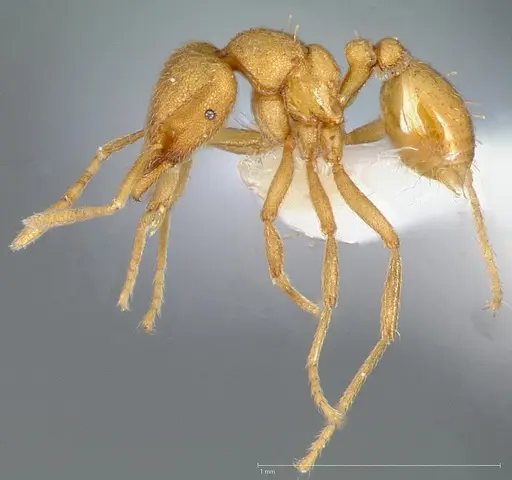
CASENT0005449
View on AntWeb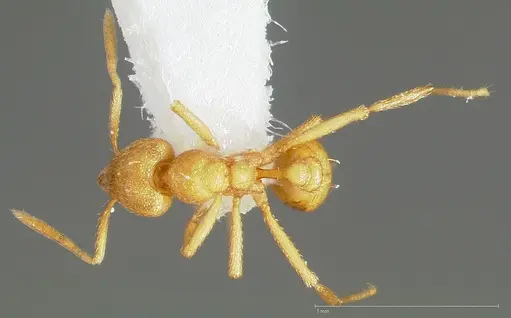
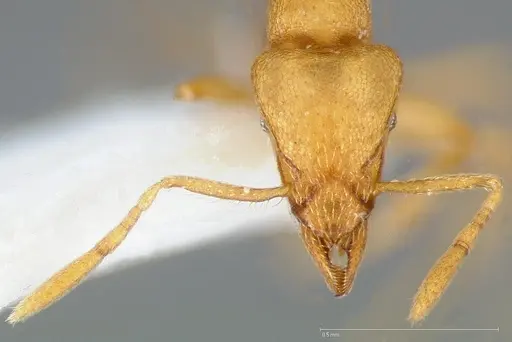
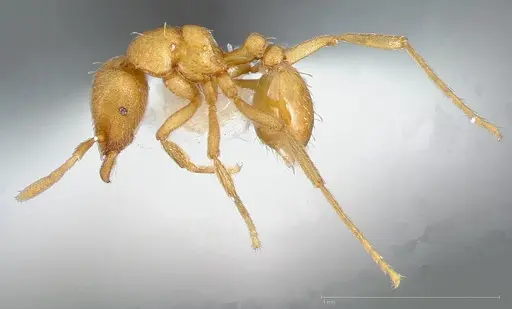
CASENT0005450
View on AntWeb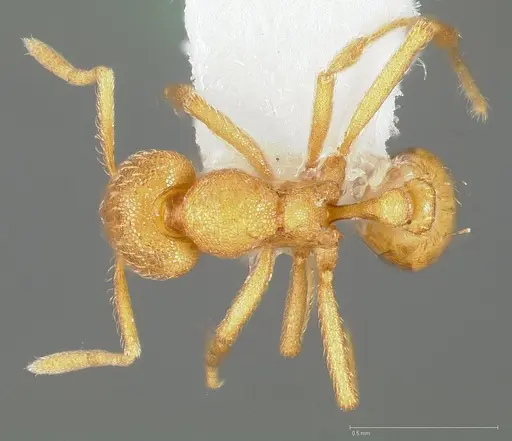
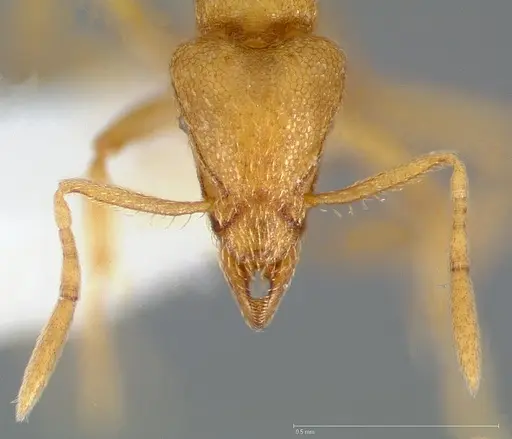
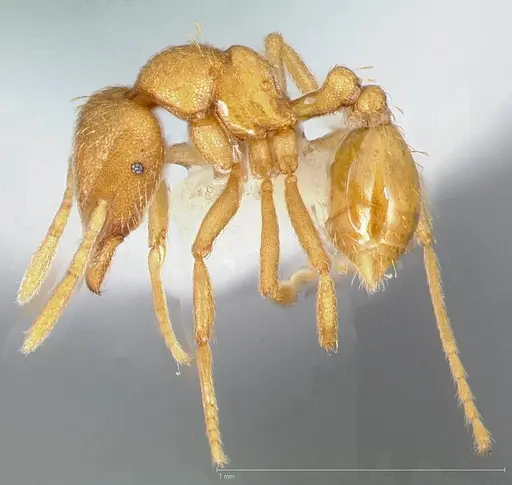
CASENT0006000
View on AntWeb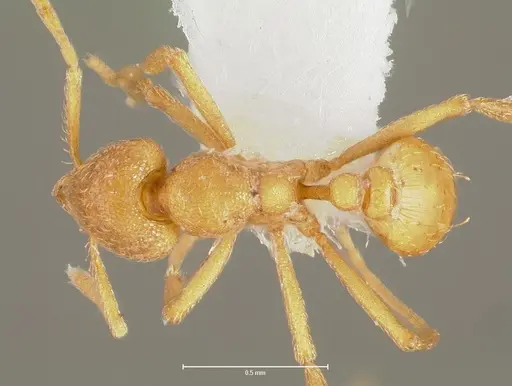
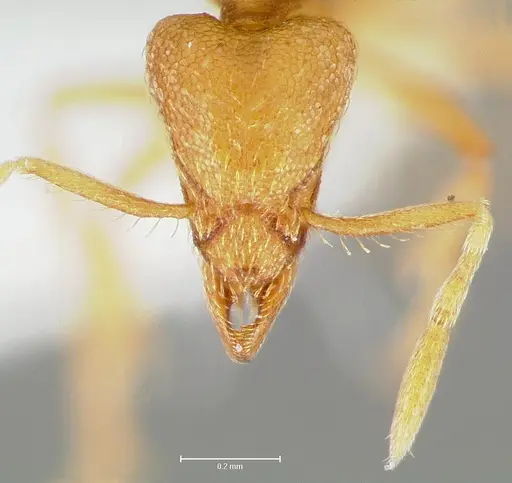
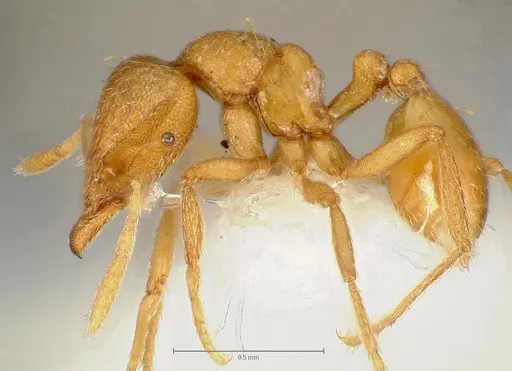
CASENT0144567
View on AntWeb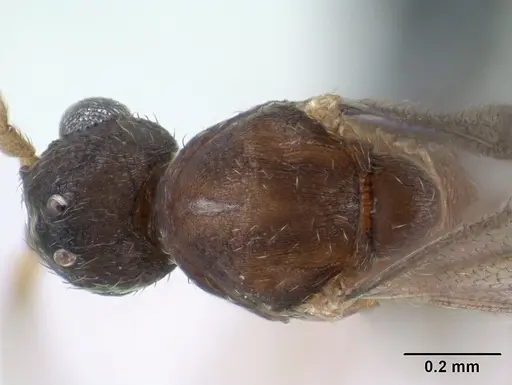
CASENT0151597
View on AntWeb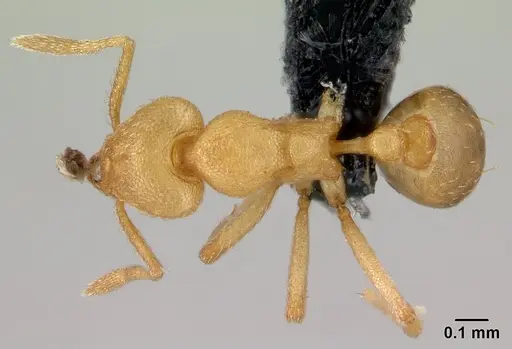
CASENT0900034
View on AntWeb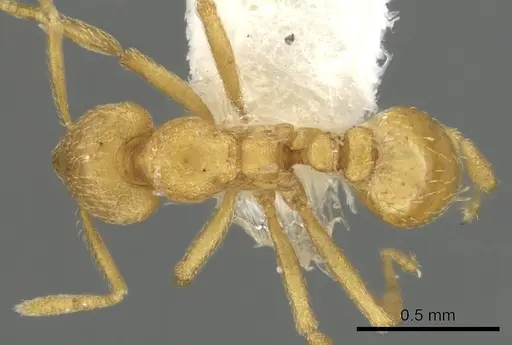
CASENT0914634
View on AntWeb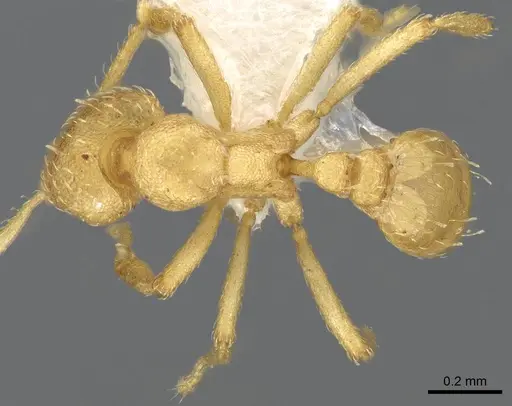
Literature
Loading...Loading products...