

Strumigenys enkara
- Scientific Name
- Strumigenys enkara
- Tribe
- Attini
- Subfamily
- Myrmicinae
- Author
- Bolton, 1983
- Distribution
- Found in 1 countries
Strumigenys enkara Overview
Strumigenys enkara is an ant species of the genus Strumigenys. It is primarily documented in 1 countries , including Gabon. Detailed taxonomic data and occurrence records can be further explored via authoritative databases such as AntWeb or the Global Biodiversity Information Facility (GBIF).
Strumigenys enkara
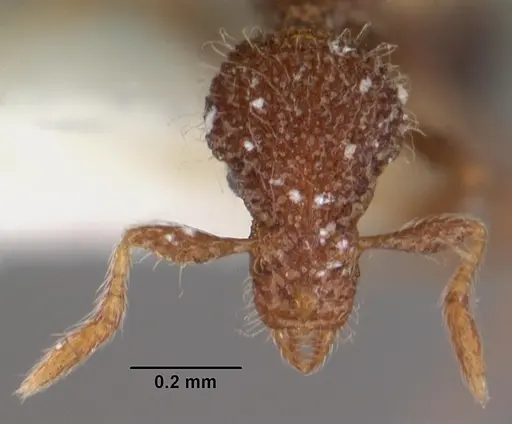
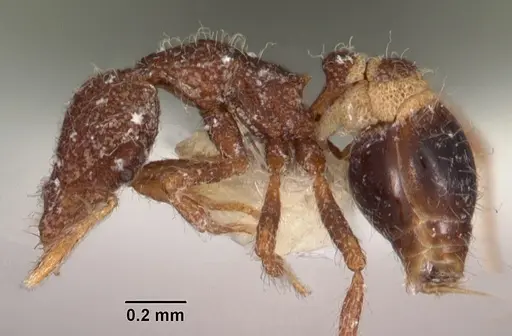
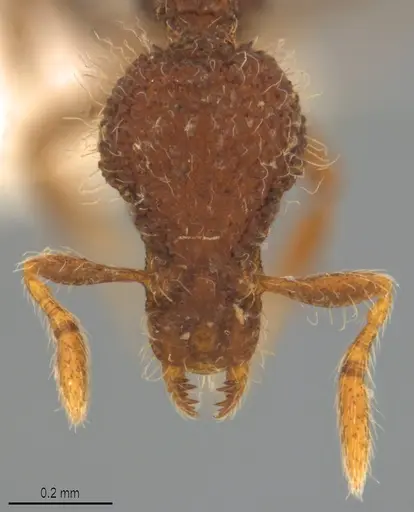
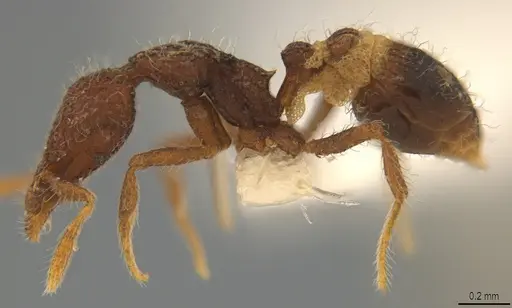
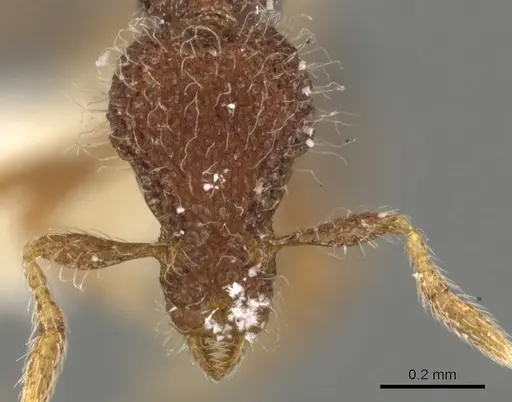
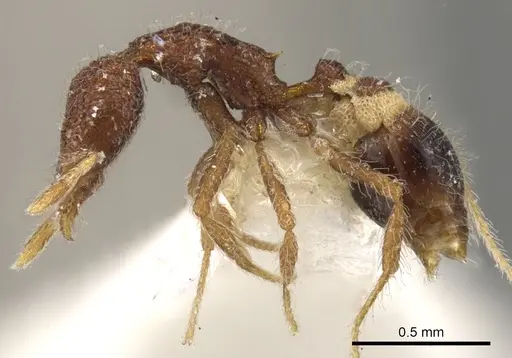
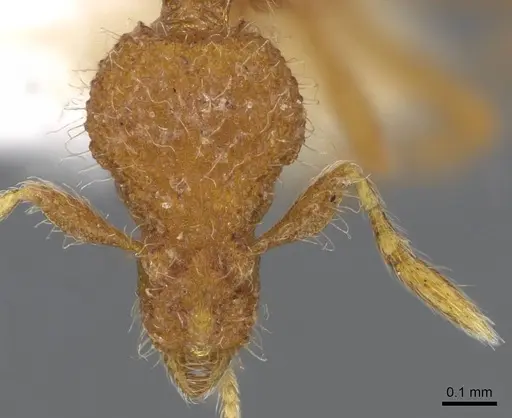
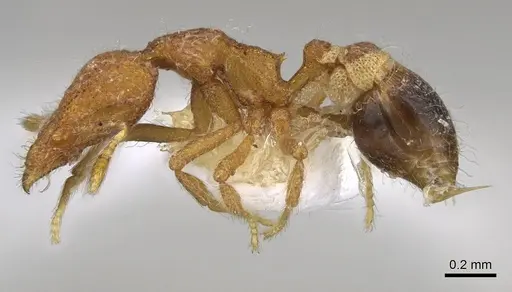
Strumigenys enkara is a tiny predatory ant species native to the Democratic Republic of Congo [1]. Workers are among the smallest of all ants, measuring just 2-3mm, with an unmistakable appearance featuring extraordinarily long, slender mandibles lined with teeth that can snap shut in milliseconds to capture prey [2]. Their pale yellowish to reddish-brown coloration and distinctive head shape make them easy to identify among ant enthusiasts. These ants belong to the dacetine tribe, a group specialized for hunting tiny soil-dwelling arthropods like springtails. Unlike many ants that form large colonies, Strumigenys typically maintain small colonies of just a few dozen to a couple hundred workers, making them fascinating but challenging to keep.
Quick Summary
- Difficulty: Hard
- Origin & Habitat: Democratic Republic of Congo, found in central African forests [1]. In nature, they inhabit leaf litter and soil microhabitats in tropical and subtropical environments, hunting in the upper soil layers and decaying organic matter.
- Colony Type: Likely monogyne (single queen) based on typical genus patterns. Colony size is small, typically under 200 workers.
- Colony: Monogyne
- Founding: Claustral
- Size & Growth:
- Queen: Estimated 3-4mm based on genus patterns
- Worker: 2-3mm [1]
- Colony: Likely 50-200 workers based on typical genus behavior
- Growth: Slow
- Development: Estimated 8-12 weeks based on related Strumigenys species (Development is slow due to their specialized predatory lifestyle and small colony size. First workers (nanitics) will be tiny.)
- Antkeeping:
- Temperature: Keep at 22-26°C. They prefer warm, stable conditions similar to tropical forest floor.
- Humidity: High humidity required, aim for 70-80%. Keep the substrate consistently moist but not waterlogged.
- Diapause: Unlikely to require true hibernation given their tropical origin. They may show reduced activity in cooler months.
- Nesting: Y-tong (AAC) nests or test tube setups work well. They need tight chambers scaled to their tiny size. Provide a moisture reservoir to maintain humidity.
- Behavior: Strumigenys are specialized predators that hunt almost exclusively on tiny arthropods, primarily springtails. They are not aggressive toward humans and cannot sting. Their main defense is escape, they are very small and can slip through tiny gaps. They are docile and rarely show aggression even toward other colonies. Foraging is slow and methodical as they search through substrate for prey.
- Common Issues: escape prevention is critical, they are tiny and can squeeze through standard barrier gaps, specialized diet means they may refuse standard ant foods, live springtails are essential, slow growth tests keeper patience, colonies take months to establish, small colony size means losses are harder to recover from, humidity control is challenging, too dry kills them, too wet causes mold
Housing and Nest Setup
Strumigenys enkara requires careful housing due to their tiny size. A Y-tong (AAC) nest with very small chambers works well, or you can use a test tube setup with a cotton plug creating a small chamber. The key is chambers that are appropriately scaled, too large and the ants feel exposed, too small and they cannot move properly. Provide a water reservoir connected to the nest to maintain humidity without frequent disturbance. A small outworld area allows for hunting, you can add a thin layer of substrate where they can search for prey. Escape prevention must be excellent: use fine mesh barriers and ensure all connections are tight. Even the tiniest gap is an escape route for these ants.
Feeding and Diet
This is the most critical aspect of keeping Strumigenys. They are specialized predators that require live tiny arthropods, springtails are the ideal and often essential food source. They will not accept dead prey the way many ants do. Other small live prey like fruit flies, newly hatched pinhead crickets, and tiny booklice may be accepted, but springtails should form the bulk of their diet. Sugar sources are typically ignored or weakly accepted, these are not honeydew-feeding ants. Some keepers report success with tiny amounts of honey or sugar water, but do not rely on this. Feed small amounts every 2-3 days, removing any uneaten prey within 24 hours to prevent mold.
Temperature and Humidity
Maintain temperatures between 22-26°C for optimal health and development. They come from tropical African forests and need consistent warmth. A small heating cable on one side of the nest can create a gentle gradient, but avoid hot spots. Humidity is equally important, aim for 70-80% relative humidity. The substrate should feel consistently moist but never waterlogged. A moisture reservoir in the nest setup helps maintain stable conditions. Avoid both drying out and excessive condensation. Monitor with a digital hygrometer placed near the nest.
Behavior and Temperament
Strumigenys are among the most docile of all ants. They have no stingers and pose no threat to humans. Their primary defense is their incredibly fast mandibles, which they use to capture prey, these can snap shut in milliseconds. When threatened, their first response is to flee rather than fight. They are not territorial in an aggressive sense and do not raid other ant colonies. Workers move slowly and methodically when foraging, searching through leaf litter and substrate for springtails and other tiny prey. Colonies are quiet and unobtrusive, making them interesting observation ants once established.
Colony Establishment and Growth
Starting a colony requires patience. A newly caught queen will seal herself into a small chamber and lay eggs, raising the first workers (nanitics) on her own. This founding phase can take 2-4 months. The first workers will be very small and the colony grows slowly, expect 6-12 months to reach 20-30 workers. Growth rate depends heavily on consistent access to live prey. Do not disturb the queen during founding, stress causes many queens to abandon or eat their brood. Once the first workers emerge, they will join the hunt and the colony can gradually expand. Maximum colony size is likely under 200 workers.
Frequently Asked Questions
How long does it take for Strumigenys enkara to produce first workers?
Expect 6-10 weeks from egg to first worker at optimal temperature (24-26°C). The queen seals herself in during founding and raises the first brood alone, so this is a slow process that requires patience.
What do Strumigenys enkara eat?
They require live tiny arthropods, springtails are the ideal food. They are specialized predators and typically refuse dead food or sugar. Other small live prey like fruit flies may be accepted experimentally.
Can I keep Strumigenys enkara in a test tube?
Yes, a test tube setup can work for founding colonies. Use a small chamber created with cotton to give the queen appropriate-sized space. Add a water reservoir and keep humidity high. Transfer to a proper nest once the colony reaches 20+ workers.
Are Strumigenys enkara good for beginners?
No, this species is challenging and not recommended for beginners. Their specialized diet (live springtails required), tiny size (escape risk), and slow growth make them difficult for new antkeepers.
How big do Strumigenys enkara colonies get?
Colony size is small, likely 50-200 workers at maturity. This is typical for the genus. They never form the large colonies seen in many other ant species.
Do Strumigenys enkara need hibernation?
Unlikely, given their tropical African origin. They may show reduced activity in cooler conditions but do not require a true diapause period.
Why are my Strumigenys enkara dying?
The most common causes are: lack of live springtail prey (starvation), low humidity (drying out), escape through tiny gaps, or stress from disturbance during founding. Check these factors first.
When should I move Strumigenys enkara to a formicarium?
Wait until the colony has at least 20-30 workers and is actively hunting in the outworld. Moving too early stresses the colony. A Y-tong nest with small chambers works well once they outgrow a test tube.
Can I keep multiple Strumigenys enkara queens together?
Not recommended. While colony structure is not fully studied for this species, combining unrelated queens typically leads to fighting. Stick to single-queen colonies.
References

This caresheet is licensed under CC BY-SA 4.0 .
CASENT0102543
View on AntWeb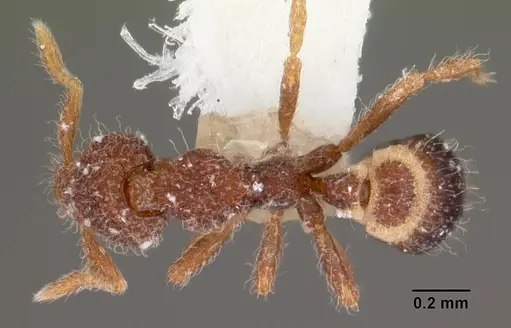
CASENT0763614
View on AntWeb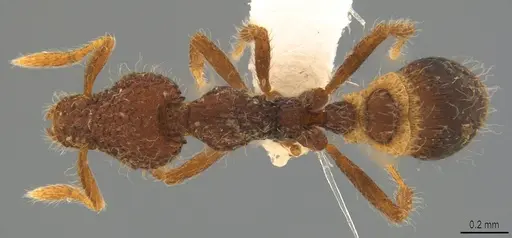
CASENT0763618
View on AntWeb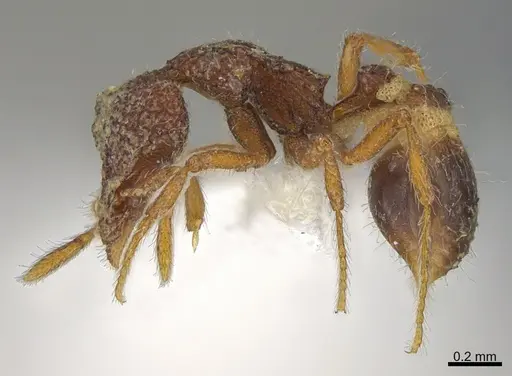
CASENT0900086
View on AntWeb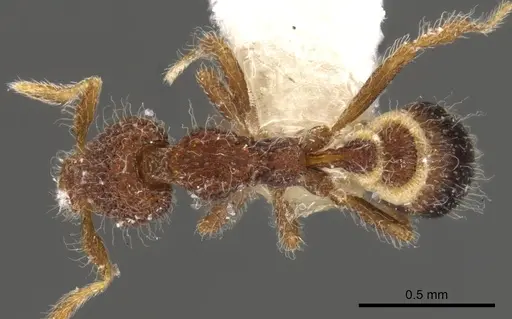
CASENT0914707
View on AntWeb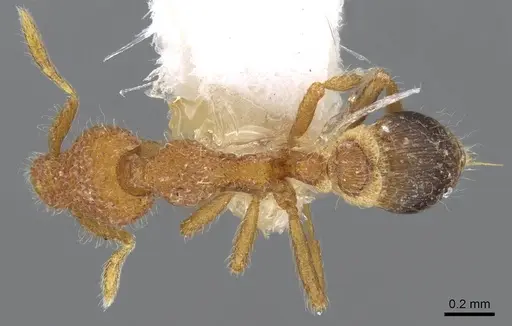
Literature
Loading...Loading products...