

Strumigenys emiliae
- Scientific Name
- Strumigenys emiliae
- Tribe
- Attini
- Subfamily
- Myrmicinae
- Author
- Forel, 1907
- Distribution
- Found in 1 countries
Strumigenys emiliae Overview
Strumigenys emiliae is an ant species of the genus Strumigenys. It is primarily documented in 1 countries , including Brazil. Detailed taxonomic data and occurrence records can be further explored via authoritative databases such as AntWeb or the Global Biodiversity Information Facility (GBIF).
Strumigenys emiliae
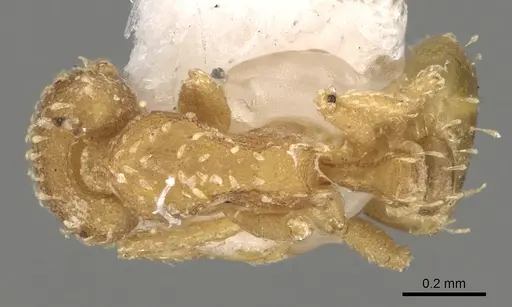
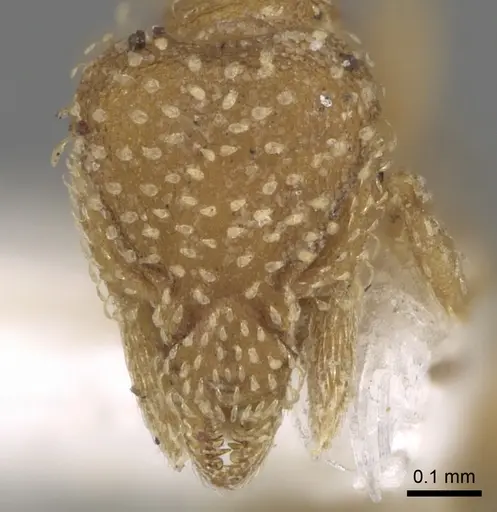
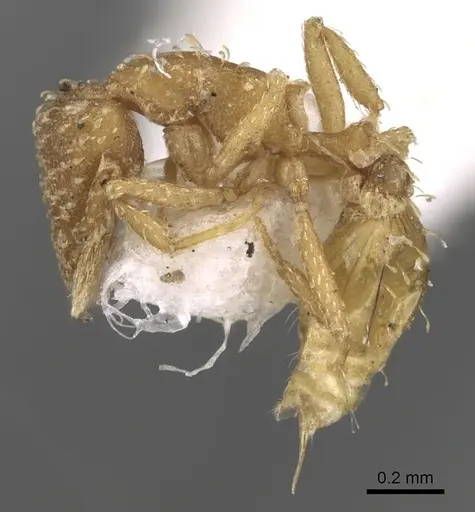
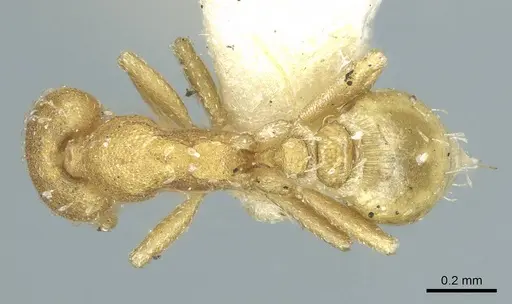
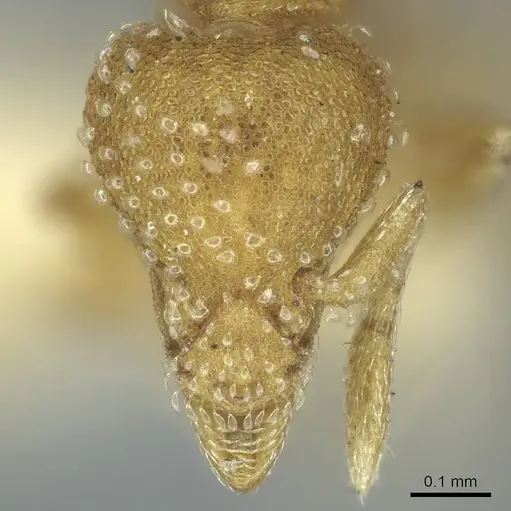
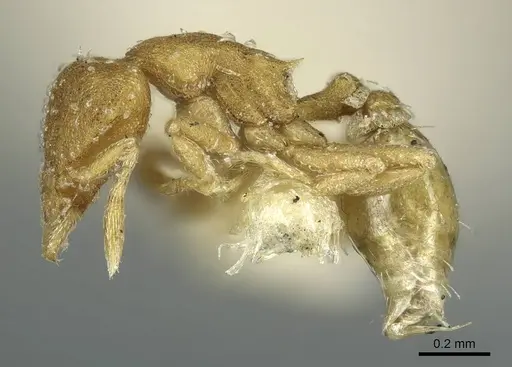
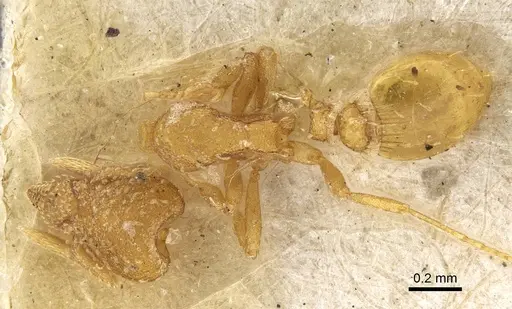
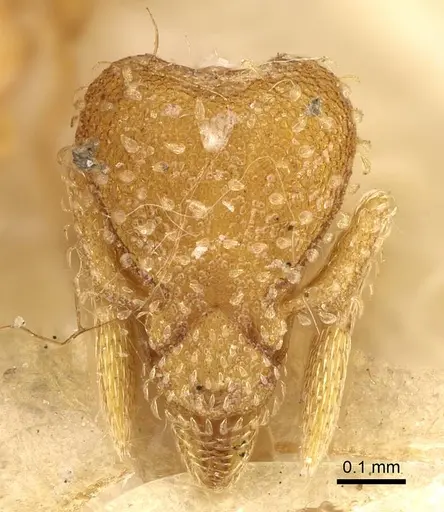
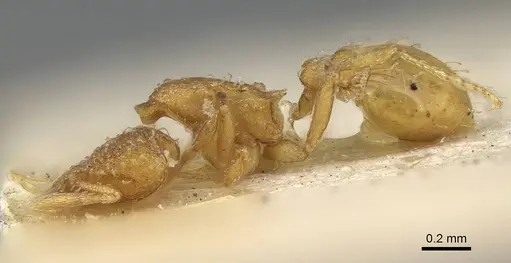
Strumigenys emiliae is a minute predatory ant measuring just 1.9-2.0mm in total length. Workers have distinctive morphological features including three stout basal teeth on the mandibles and a plate-like fourth tooth that reflects light and helps identify the species. The head and body are covered with curved spoon-shaped hairs, and the scapes are slender. This species belongs to the schulzi group and is found across the Neotropical region including Argentina, Brazil, and Paraguay [1].
As a member of the Dacetini tribe, S. emiliae is a trap-jaw ant that uses its specialized mandibles to capture small prey. Nothing is specifically documented about the biology of this species, but like other Strumigenys, they are likely predatory on micro-arthropods such as springtails and mites [1]. The genus is known for slow but deliberate foraging behavior using trap-jaw mechanisms.
Quick Summary
- Difficulty: Hard
- Origin & Habitat: Neotropical region, Argentina, Brazil, and Paraguay. Found in ground-dwelling ant fauna in southern Brazilian grasslands, specifically recorded in Pampa grasslands at Lavras do Sul [2]. The species has been collected from multiple locations in Bahia, Brazil (Buerarema, Camamu, Canavieiras, Ilhéus, Itabuna, and others) and Rio Grande do Sul [3].
- Colony Type: Colony structure is unconfirmed. Like other Strumigenys species, likely small colonies with a single queen.
- Size & Growth:
- Queen: Undocumented, estimated 3-4mm based on genus patterns
- Worker: 1.9-2.0mm
- Colony: Likely small colonies of 50-200 workers based on genus patterns
- Growth: Slow
- Development: Unknown, likely 8-12 weeks based on similar small Myrmicinae (No specific development data exists for this species. Related Strumigenys species typically develop slowly over several months.)
- Antkeeping:
- Temperature: Keep at 22-26°C, these are tropical/subtropical ants that need warmth. Avoid temperatures below 20°C.
- Humidity: Moderate to high, they prefer humid conditions. Keep substrate moist but not waterlogged.
- Diapause: Likely minimal or no true diapause given their tropical distribution. May reduce activity in cooler months.
- Nesting: Use small test tubes or acrylic nests with tight chambers. Their tiny size requires appropriately scaled housing. Y-tong nests with narrow passages work well.
- Behavior: Very small trap-jaw ants with slow, deliberate movement. They are predatory on micro-arthropods and use their specialized mandibles to capture prey. Workers likely forage individually or in small groups. Escape prevention is critical due to their tiny 2mm size, they can squeeze through standard mesh. Non-aggressive toward humans and cannot sting.
- Common Issues: escape prevention is critical, their tiny 2mm size means they can escape through standard mesh barriers, no documented biology makes care experimental, expect a learning curve, slow growth requires patience, colonies develop slowly, predatory diet requires live micro-prey which can be difficult to source consistently, wild-caught colonies may have parasites that kill them in captivity
Housing and Nest Setup
Strumigenys emiliae are among the smallest ants you'll keep, workers measure just 1.9-2.0mm. This tiny size means standard formicarium chambers are far too large. Use small test tubes with tight-fitting stoppers or Y-tong nests with the narrowest available chambers. The chambers should be just large enough for a dozen or so workers to move through comfortably. Because they are so small, escape prevention is your biggest challenge. Standard cotton plugging will not work, these ants squeeze right through. Use fine mesh (at least 0.3mm) on any ventilation holes and ensure all connections are sealed. Many keepers use fluon barriers on the edges of outworlds. The nest should have a small water reservoir to maintain humidity without flooding the tiny chambers. [3][1]
Feeding and Diet
Like all Strumigenys, this species is predatory and needs live small prey. Their trap-jaw mandibles are specialized for catching tiny arthropods. Offer live springtails as a primary food source, these are ideal both for size and nutritional value. Other accepted prey may include tiny isopods, booklice, and other micro-arthropods. Do not offer large prey items, these tiny ants cannot tackle anything bigger than themselves. Sugar sources are generally not accepted by predatory Strumigenys species. Feed small amounts of prey every few days, removing any uneaten items to prevent mold. A well-fed colony will have workers with slightly distended abdomens. [1]
Temperature and Humidity
Keep these ants warm, aim for 22-26°C in the nest area. Their tropical distribution across Brazil, Paraguay, and Argentina indicates they prefer warm conditions. A small heating cable on one side of the nest can create a gentle gradient, but avoid direct heat that could dry out the nest. For humidity, keep the substrate consistently moist. These are forest-floor ants that prefer humid conditions. A small water reservoir in the nest setup helps maintain moisture. Avoid both drying out and waterlogging, aim for damp substrate that doesn't drip. Good ventilation is important to prevent mold while maintaining humidity. [2]
Colony Development
Expect very slow colony growth. With workers just 1.9-2.0mm, the colony will remain small even at maturity, likely under 200 workers based on typical Strumigenys patterns. The founding stage takes several months, and the first workers (nanitics) will be tiny. Do not disturb the queen during founding, she should be left alone in a dark, quiet location. Once workers emerge, growth remains slow. Be patient, it can take a year or more for a colony to reach 50 workers. Avoid overfeeding, which can lead to mold problems in small nests. Monitor colony health by observing worker activity levels and brood presence. [1]
Handling and Temperament
These ants are completely harmless to keepers. Their tiny size means they cannot bite effectively, and they lack a stinger. They are not aggressive and will simply flee when disturbed. However, their small size makes them fragile, avoid any handling of the ants themselves. When observing, do so from above without disturbing the nest. Their trap-jaw mechanism is fascinating to watch, workers will snap their mandibles at prey items or threats, though the force is minimal given their size. Focus on providing appropriate housing and prey rather than interaction. [1]
Frequently Asked Questions
How long does it take for Strumigenys emiliae to produce first workers?
The exact timeline is unknown for this species, but based on related Strumigenys species, expect 3-6 months from founding to first workers emerging. Development is slow due to their tiny size and the complexity of producing functional trap-jaw mandibles.
What do Strumigenys emiliae ants eat?
They are predatory ants that eat live micro-arthropods. Feed them live springtails as a primary food source. Other suitable prey includes tiny isopods, booklice, and other small arthropods. They do not typically accept sugar or honey.
Can I keep Strumigenys emiliae in a test tube?
Yes, test tubes work well for this species. Use small test tubes with tight-fitting stoppers, their tiny 2mm size means standard cotton will not prevent escape. Consider adding a small water reservoir for humidity and cover any air holes with fine mesh.
Are Strumigenys emiliae good for beginners?
No, this is a difficult species to keep. Their biology is poorly documented, they require live micro-prey, their tiny size makes escape likely, and they are slow-growing. They are best suited for experienced antkeepers who can provide specialized care.
How big do Strumigenys emiliae colonies get?
Based on genus patterns, colonies likely reach 50-200 workers at maturity. They remain small-colony ants due to their tiny 2mm worker size.
What temperature do Strumigenys emiliae need?
Keep them warm at 22-26°C. These are Neotropical ants from Brazil, Paraguay, and Argentina that prefer warm, humid conditions.
Why are my Strumigenys emiliae escaping?
Their tiny 2mm size allows them to squeeze through standard barriers. Use fine mesh (0.3mm or smaller), fluon barriers on outworld edges, and ensure all connections are sealed. Standard cotton and mesh will not contain them.
Do Strumigenys emiliae need hibernation?
Likely no, their tropical distribution suggests they do not require a true diapause. You may observe reduced activity in cooler months, but a full hibernation is not necessary.
References

This caresheet is licensed under CC BY-SA 4.0 .
Literature
Loading...Loading products...