

Strumigenys emeryi
- Scientific Name
- Strumigenys emeryi
- Tribe
- Attini
- Subfamily
- Myrmicinae
- Author
- Mann, 1922
- Distribution
- Found in 3 countries
Strumigenys emeryi Overview
Strumigenys emeryi is an ant species of the genus Strumigenys. It is primarily documented in 3 countries , including Guatemala, Honduras, Mexico. Detailed taxonomic data and occurrence records can be further explored via authoritative databases such as AntWeb or the Global Biodiversity Information Facility (GBIF).
Strumigenys emeryi
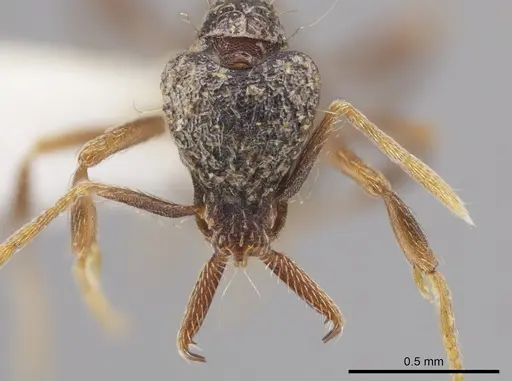
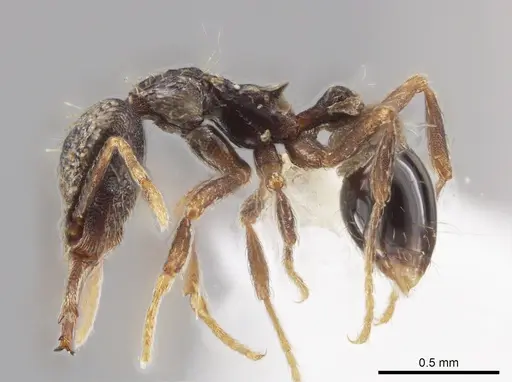
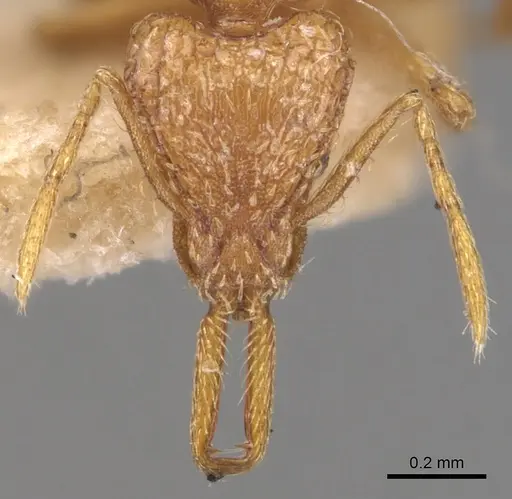
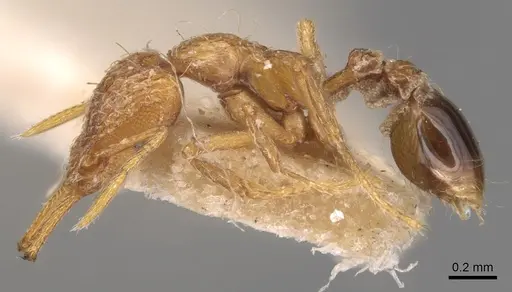
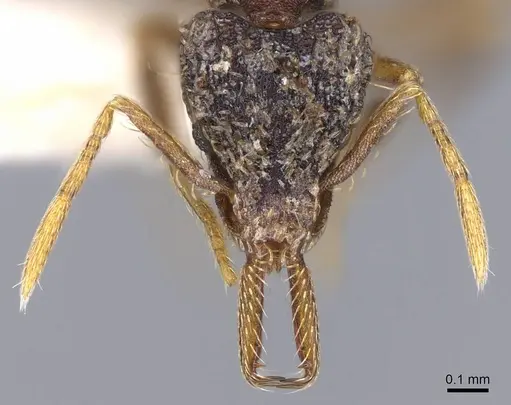
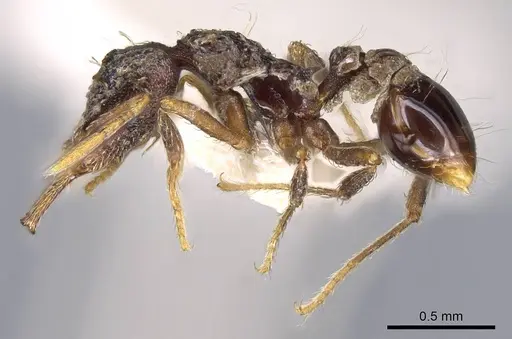
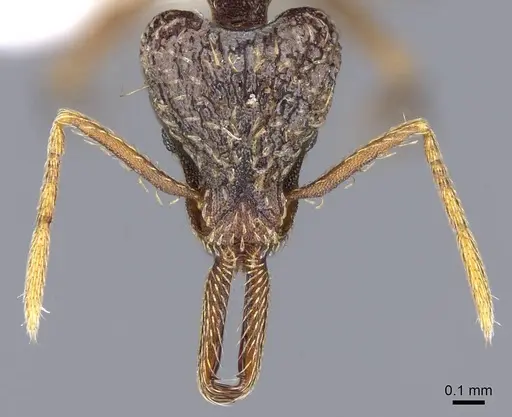
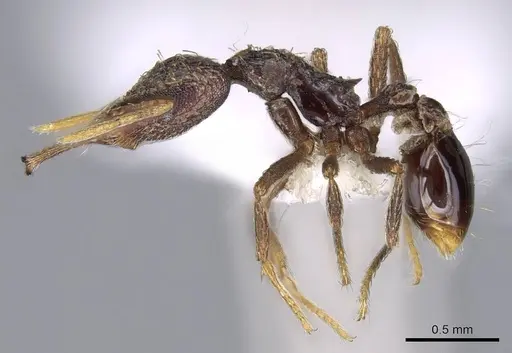
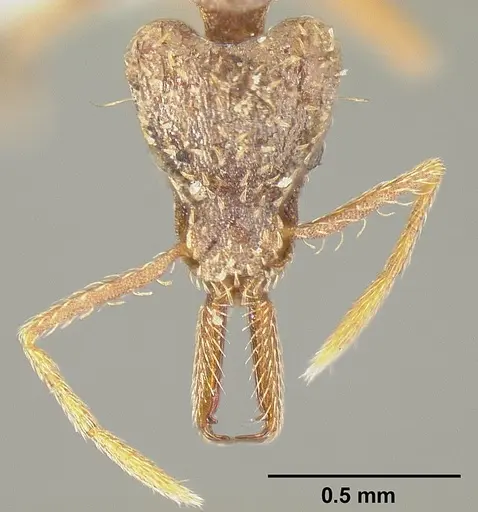
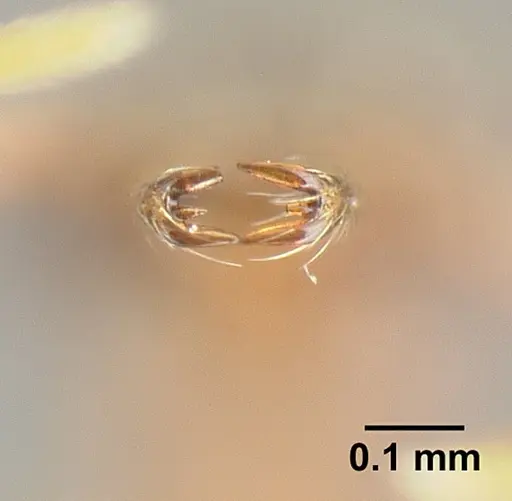
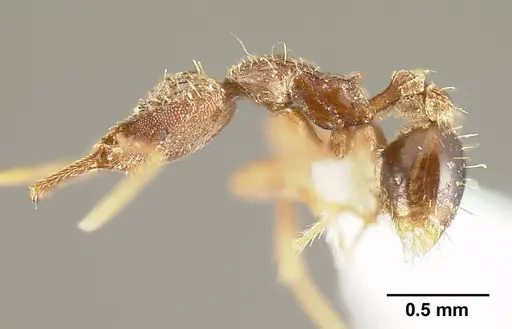
Strumigenys emeryi is a tiny predatory ant native to the Neotropical region, found across Honduras, Guatemala, Belize, and southern Mexico. Workers measure just 2.4-3.2mm, making them one of the smaller ant species you'll encounter. They belong to a distinctive group characterized by their elongated flagellate hairs, spongiform tissue on the petiole, and a unique propodeal lamella with a conspicuous lacuna (a small opening near the rear of the body). These ants are predators that use a specialized kinetic mechanism to capture prey, their trap-jaw mandibles snap shut rapidly when triggered by prey movement [1]. In the wild, they inhabit forest habitats across a wide elevation range and are commonly collected using winkler sampling methods, indicating they live primarily in leaf litter and soil environments.
Quick Summary
- Difficulty: Expert
- Origin & Habitat: Neotropical region: Honduras, Guatemala, Belize, and southern Mexico (Guerrero and Oaxaca states). Found in forest habitats across a wide elevation range[2].
- Colony Type: Colony structure is unconfirmed. Based on related Strumigenys species, likely single-queen colonies but this has not been directly studied.
- Size & Growth:
- Queen: Undescribed in detail, estimated slightly larger than workers at 3-4mm based on genus patterns
- Worker: 2.4-3.2mm
- Colony: Unknown, likely small colonies of under 100 workers based on typical Strumigenys patterns
- Growth: Slow, estimated based on genus patterns for these tiny predators
- Development: Unknown, estimates based on related Strumigenys species suggest 4-8 weeks at optimal temperature (No direct development data exists for this species. Related Strumigenys are known for slow colony growth.)
- Antkeeping:
- Temperature: Keep at 24-28°C, warm tropical conditions. Use a heating cable on one side of the nest to create a gentle gradient if room temperature is lower.
- Humidity: High humidity required, these are forest floor ants. Keep the nest substrate consistently moist but not waterlogged. Mist occasionally and ensure water is always available.
- Diapause: No, being a tropical species, they do not require hibernation. Maintain warm conditions year-round.
- Nesting: Naturalistic setup with moist substrate works best. They prefer tight, humid chambers scaled to their tiny size. Y-tong nests or plaster nests with small chambers are suitable options.
- Behavior: These ants are specialized predators. They do not forage for sugar like many ants, their entire diet consists of small live prey, primarily springtails, mites, and other micro-arthropods found in leaf litter [1]. They use their trap-jaw mechanism to capture prey rapidly when triggered by movement. Workers are small but can deliver a noticeable sting if handled. Escape prevention is critical due to their tiny size, they can squeeze through remarkably small gaps. They are not aggressive toward humans but will defend their colony if threatened.
- Common Issues: escape prevention is critical, they are tiny and can squeeze through the smallest gaps, slow growth means colonies remain small for extended periods, require constant supply of live micro-prey, cannot survive on sugar or dead insects alone, high humidity needs can lead to mold if ventilation is poor, wild-caught colonies may contain parasites that can devastate captive colonies
Housing and Nest Setup
Strumigenys emeryi requires a setup that maintains high humidity while providing tight, appropriately-sized chambers. A naturalistic terrarium-style setup works well, use a layer of moist soil or coconut fiber as substrate, with pieces of leaf litter, twigs, and small stones to create hiding spots. The substrate should remain damp but never waterlogged. Y-tong (AAC) nests or plaster nests with small chambers are also suitable options if you prefer a more contained setup. Regardless of nest type, ensure excellent escape prevention, these tiny ants can escape through gaps you wouldn't believe possible. Use tight-fitting lids and consider applying fluon to the upper edges of any formicarium. A small water tube or cotton ball with water should always be available. [1]
Feeding and Diet
This is a specialized predator that requires live prey. Strumigenys emeryi does not forage for nectar or honeydew, they are obligate predators that hunt using their trap-jaw mandibles. Their primary food in captivity should be live springtails, which you can culture separately or purchase. They will also accept other tiny live prey such as soil mites, aphids, and small fruit fly larvae. Do not rely on dead insects or sugar sources, these ants simply won't accept them. Feed small amounts of prey every 2-3 days, removing any uneaten prey after 24 hours to prevent mold. A well-fed colony will show active workers hunting and carrying prey back to the nest. The key to keeping this species alive is establishing a reliable, continuous source of live micro-prey. [1]
Temperature and Humidity
As a Neotropical species from Central America, Strumigenys emeryi needs warm and humid conditions. Maintain temperatures between 24-28°C, this is warmer than most room temperatures, so you'll likely need a heating solution. A heating cable placed on one side of the nest creates a temperature gradient that allows ants to regulate their own exposure. For humidity, aim for 70-85% relative humidity within the nest. These are forest floor ants accustomed to moist, shaded conditions. Keep the substrate consistently moist by adding small amounts of water when it dries out. Avoid both drying out (which can kill the colony) and excessive moisture (which promotes mold). A layer of leaf litter on the substrate surface helps retain moisture and provides hunting grounds.
Behavior and Temperament
Strumigenys emeryi is a shy, secretive ant that spends most of its time hidden in the nest or hunting in the leaf litter. They are not aggressive and will not swarm like some ants, when disturbed, they more likely to hide than to attack. However, they can deliver a sting if handled roughly or if the colony feels threatened. The most notable behavior is their hunting mechanism, when a potential prey item comes within range, their mandibles snap shut in a fraction of a second. This kinetic capture is fascinating to watch but means they need live, moving prey to trigger feeding behavior. Colonies remain small (likely under 100 workers) even when established, so don't expect the massive swarms you might get from Lasius or Camponotus species. Workers are active primarily at night and in low-light conditions. [1]
Colony Establishment
Establishing a colony of Strumigenys emeryi can be challenging. If you obtain a queen, she will likely be claustral (seals herself in to raise first workers alone) but this is not confirmed for this specific species. The founding chamber should be kept warm and humid. Queens may take several months to raise their first workers (nanitics), which will be smaller than normal workers. If you obtain a colony from the wild (most common source), quarantine and observe carefully, wild colonies often contain parasites that can wipe out captive colonies. Start with a small test tube setup for founding queens, then transition to a naturalistic setup once the colony reaches 10-15 workers. Patience is essential, these ants grow slowly and colonies may take a year or more to become established.
Frequently Asked Questions
How long does it take for Strumigenys emeryi to produce first workers?
The exact timeline is unknown, but based on related Strumigenys species, expect 2-4 months from queen founding to first workers emerging. These are slow-growing ants that require patience.
What do Strumigenys emeryi eat?
They eat only live prey, primarily springtails, tiny mites, and other micro-arthropods. They will not accept dead insects or sugar sources. You must establish a culture of live springtails or have a reliable supplier.
Can I keep Strumigenys emeryi in a test tube?
A test tube can work for a founding queen or very small colony, but they need high humidity and a naturalistic setup with substrate is better for established colonies. If using a test tube, ensure the water chamber is kept topped up.
Are Strumigenys emeryi good for beginners?
No, this is an expert-level species. They require live prey culture, high humidity, warm temperatures, and excellent escape prevention. They are slow-growing and less forgiving of mistakes than beginner-friendly species.
How big do Strumigenys emeryi colonies get?
Colony size is unknown but likely remains small, probably under 100 workers. This is typical for Strumigenys species, which maintain smaller colonies compared to many other ants.
Do Strumigenys emeryi need hibernation?
No, as a tropical species from Central America, they do not require hibernation. Keep them warm year-round at 24-28°C.
Why are my Strumigenys emeryi dying?
Common causes include: lack of live prey (they will starve without hunting), too low humidity (they need moist conditions), temperatures below 24°C, or parasites from wild-caught colonies. Check each of these factors.
When should I move Strumigenys emeryi to a formicarium?
Wait until the colony has at least 15-20 workers and is actively hunting. A naturalistic setup with moist substrate is preferred over traditional formicariums for this species.
Can I keep multiple queens together?
This has not been studied for this species. Based on related Strumigenys, single-queen colonies are likely. Combining unrelated queens is not recommended.
References

This caresheet is licensed under CC BY-SA 4.0 .
CASENT0647552
View on AntWeb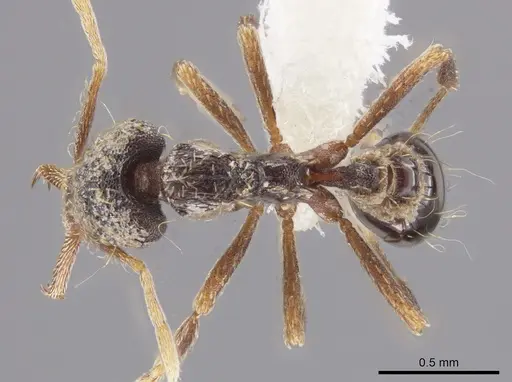
CASENT0904940
View on AntWeb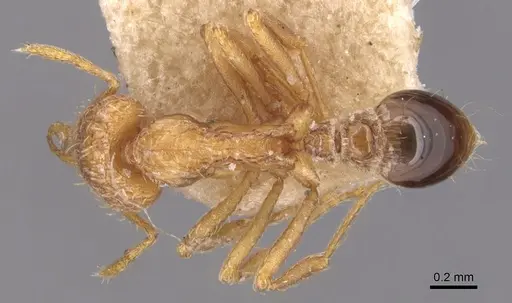
CASENT0914736
View on AntWeb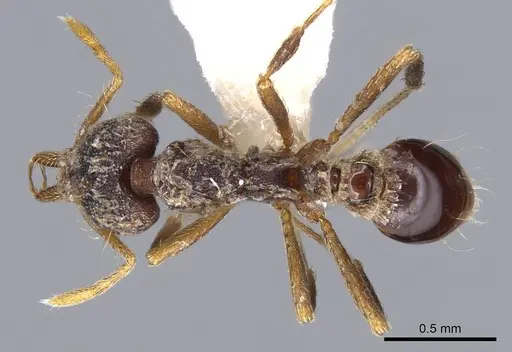
CASENT0914737
View on AntWeb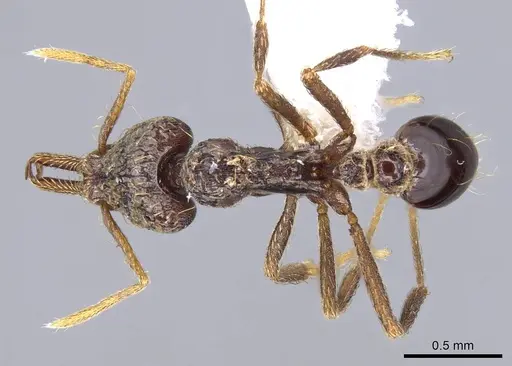
JTLC000014842
View on AntWeb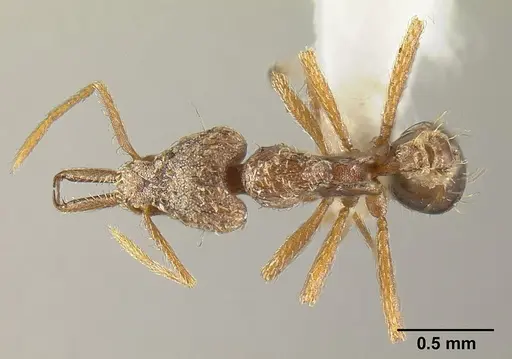
Literature
Loading...Loading products...