

Strumigenys edaragona
- Scientific Name
- Strumigenys edaragona
- Tribe
- Attini
- Subfamily
- Myrmicinae
- Author
- Bolton, 2000
- Distribution
- Found in 2 countries
Strumigenys edaragona Overview
Strumigenys edaragona is an ant species of the genus Strumigenys. It is primarily documented in 2 countries , including Indonesia, Malaysia. Detailed taxonomic data and occurrence records can be further explored via authoritative databases such as AntWeb or the Global Biodiversity Information Facility (GBIF).
Strumigenys edaragona
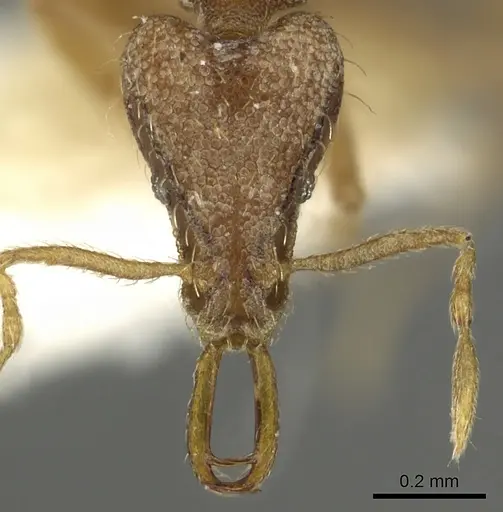
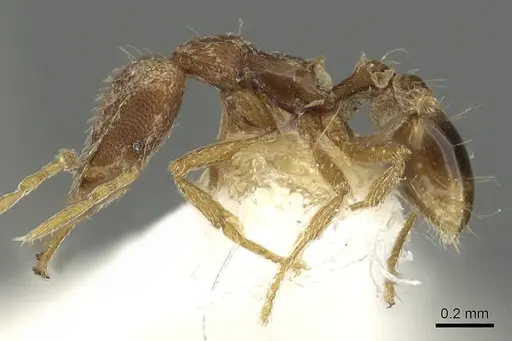
Strumigenys edaragona is a minute predatory ant measuring just 2.2mm in total length, belonging to the Myrmicinae subfamily and the dacetini tribe . Workers have a distinctive appearance with a strongly constricted base to the apical antennal segment, smooth pleurae, and erect hairs on the head and alitrunk . This species belongs to the Strumigenys godeffroyi group, specifically the rofocala complex . They are endemic to Southeast Asia, known from Borneo, Brunei, and Sumatra in wet-forest habitats [1][2]. These ants are part of the trap-jaw ant group (Dacetini), capable of snapping their mandibles shut at incredible speeds to capture prey. Nothing is known about their specific biology or captive care requirements, making them a species for experienced antkeepers interested in observing poorly documented tropical species.
Quick Summary
- Difficulty: Expert
- Origin & Habitat: Borneo, Brunei, and Sumatra in wet-forest habitats including lowland dipterocarp forest, typically collected from leaf litter at elevations ranging from 600-1200m [1][2]
- Colony Type: Single-queen (monogyne) colonies, this is typical for the genus though not directly documented for this species
- Colony: Monogyne
- Size & Growth:
- Queen: Unknown, not described in available literature
- Worker: 2.2mm total length (HL 0.59mm, HW 0.41mm)
- Colony: Unknown, no colony size data available
- Growth: Unknown
- Development: Unknown, no development data exists for this species (Development timeline unconfirmed. Based on related Strumigenys species, expect 6-10 weeks at tropical temperatures but this is purely estimated.)
- Antkeeping:
- Temperature: Keep at 24-28°C, these are tropical wet-forest ants requiring warm, stable conditions [1]
- Humidity: High humidity required (70-85%), they inhabit damp forest floors in nature. Keep substrate consistently moist but not waterlogged [1][2]
- Diapause: No, being a tropical species, they do not require hibernation. Maintain warm conditions year-round
- Nesting: In captivity, a small test tube setup or mini Y-tong nest works well given their tiny size. Provide moist substrate and minimal open space. Avoid large formicariums, they need tight, humid chambers scaled to their 2mm body size
- Behavior: These are tiny, cryptic ants that hunt springtails and other micro-arthropods using their trap-jaw mandibles. They are not aggressive toward humans and their small size means they cannot sting effectively. Escape prevention is critical, they can squeeze through the tiniest gaps due to their 2mm size. They are slow-moving and spend most of their time foraging in leaf litter. Colonies are likely small (dozens of workers) based on related species patterns.
- Common Issues: escape prevention is critical, their tiny 2mm size means they can escape through standard mesh barriers, no biological data exists, keepers must experiment with feeding and care, high humidity requirements make mold a constant risk, slow colony growth may lead to overfeeding and contamination, test tube setups can flood easily with such small ants, use minimal water reservoirs
Housing and Escape Prevention
Strumigenys edaragona workers measure just 2.2mm in total length, making them among the smallest ants commonly kept . This tiny size creates significant escape prevention challenges. Standard test tube setups work but must have cotton packed tightly and should be covered with fine mesh (at least 0.5mm or tighter) . Avoid using formicariums with any gaps larger than 1mm, these ants will find and exploit even microscopic openings. A small, simple setup is best: a test tube for the nest connected to a tiny foraging area. The foraging area should also have excellent barriers, Fluon applied to the rim and fine mesh covering any ventilation holes. Because they are so small, even standard ant keeping equipment may have gaps designed for larger species. Check all connections and seams regularly. Keep the setup compact, large empty spaces stress small colonies and make prey location difficult.
Feeding and Diet
As members of the Dacetini tribe, Strumigenys edaragona are specialized predators, primarily hunting springtails (Collembola) and other tiny soil micro-arthropods . In captivity, their primary food should be live springtails, this is the most reliable prey for dacetine ants. You can culture springtails separately or purchase them from pet stores. Other small live prey may be accepted experimentally, including booklice (psocids), tiny mites, and fruit fly larvae, but success varies. Do not rely on sugar sources, dacetine ants are predatory and typically ignore honey or sugar water. Feed small amounts every 2-3 days, removing any uneaten prey after 24 hours to prevent mold. A well-fed colony will have workers with distended abdomens. Since nothing is known about this species' specific diet, be prepared to experiment with different micro-prey.
Temperature and Humidity
Strumigenys edaragona comes from tropical wet forests in Borneo and Sumatra where temperatures are warm year-round (24-28°C) and humidity is consistently high [1][2]. Keep the nest area at 24-26°C, avoiding temperatures below 22°C or above 30°C. A small heating cable on one side of the setup can create a gentle gradient if your room temperature is cooler. Humidity should be high, aim for 75-85% relative humidity. The nest substrate should remain consistently moist but never waterlogged. A water reservoir in the test tube (filled only 1/4 to 1/3 full) provides humidity through evaporation. Mist the foraging area occasionally, but avoid creating standing water. Good ventilation is essential to prevent mold while maintaining humidity, use small ventilation holes covered with fine mesh rather than sealing the setup completely.
Colony Establishment
Since nothing is known about the founding behavior of Strumigenys edaragona, we must infer from related species in the genus. Most Strumigenys are claustral founders, the queen seals herself in a small chamber and raises the first workers on stored fat reserves without foraging . However, some dacetine species show semi-claustral behavior where the queen occasionally leaves the nest to hunt. For a newly mated queen, prepare a small test tube with moist cotton (not dripping wet) and place her inside. Keep the tube dark and undisturbed for 2-4 weeks, then check gently for signs of eggs or larvae. Do not feed the founding queen, if she is claustral, she will not eat. If she appears active and outside the nest after a week, offer a tiny live springtail. First workers (nanitics) will be smaller than normal workers and may take 6-10 weeks to emerge based on related species patterns. Colony growth is typically slow, be patient and do not disturb the nest frequently.
Behavior and Temperament
Strumigenys edaragona is a cryptic, slow-moving ant that spends most of its time foraging through leaf litter and soil in search of micro-arthropods . They use their specialized trap-jaw mandibles to capture prey, when a springtail or other small prey item triggers their trap, the mandibles snap shut in milliseconds. This is fascinating behavior to observe but means they are strictly predatory and not suited for keepers expecting active, visible ants. They are not aggressive toward humans and their small size means they pose no stinging threat. Workers are likely to be solitary foragers rather than recruiting in large groups. Colonies are probably small, likely under 100 workers in natural conditions based on related species. They prefer dark, humid microhabitats and will retreat to the nest if the foraging area is too bright or dry. Handle them minimally, they are fragile and stress easily from vibrations or light.
Frequently Asked Questions
How long does it take for Strumigenys edaragona to produce first workers?
The development timeline is unconfirmed for this species. Based on related Strumigenys species, expect 6-10 weeks from egg to first worker at tropical temperatures (25°C). First workers (nanitics) will be smaller than fully developed workers. Patience is essential, colony growth is typically slow for dacetine ants.
What do Strumigenys edaragona ants eat?
They are specialized predators on springtails and other tiny soil micro-arthropods. Feed live springtails as their primary food. Other small live prey like booklice, tiny mites, or fruit fly larvae may be accepted experimentally. They do not typically accept sugar sources. Remove uneaten prey after 24 hours to prevent mold.
Can I keep Strumigenys edaragona in a test tube?
Yes, a test tube setup is ideal for this tiny species. Use a small test tube with a tight cotton plug and minimal water reservoir (1/4 to 1/3 full). Cover with fine mesh for escape prevention, standard cotton may not stop these 2mm ants. Keep the tube dark and undisturbed during founding.
What temperature do Strumigenys edaragona ants need?
Keep them at 24-26°C, these are tropical ants from Southeast Asian wet forests. Avoid temperatures below 22°C or above 30°C. A small heating cable on one side of the setup can provide warmth if your room is cooler. Maintain stable temperatures year-round as they do not hibernate.
Are Strumigenys edaragona good for beginners?
No, this is an expert-level species. Nothing is known about their captive biology, they require high humidity that creates mold risks, their tiny size makes escape prevention difficult, and they need a constant supply of live springtails. They are best suited for experienced antkeepers who enjoy experimenting with poorly documented species.
How big do Strumigenys edaragona colonies get?
Colony size is unknown for this species. Based on related Strumigenys species, colonies likely reach dozens to perhaps low hundreds of workers. They are not large colony-forming ants. Growth is typically slow, expect many months to reach even 20 workers.
Why are my Strumigenys edaragona dying?
Common causes include: escape through tiny gaps (check all mesh and seams), low humidity causing desiccation, temperatures below 22°C, mold from over-wetting or poor ventilation, and starvation if springtails are not provided. They are sensitive to disturbance, excessive handling or vibrations can stress them. Review each parameter and adjust gradually.
Do Strumigenys edaragona need hibernation?
No, they are tropical ants from Borneo and Sumatra where temperatures remain warm year-round. They do not require diapause or hibernation. Maintain warm, stable conditions (24-26°C) throughout the year.
When should I move Strumigenys edaragona to a formicarium?
Given their tiny size and specific humidity needs, keeping them in a test tube setup long-term is often best. If you must move them, wait until the colony has at least 30-50 workers and shows active foraging behavior. Use a small setup with tight chambers and excellent humidity control. A mini Y-tong or small acrylic nest designed for tiny ants works better than standard formicariums.
References

This caresheet is licensed under CC BY-SA 4.0 .
CASENT0102648
View on AntWeb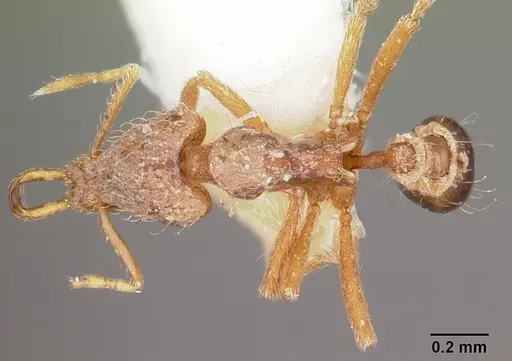
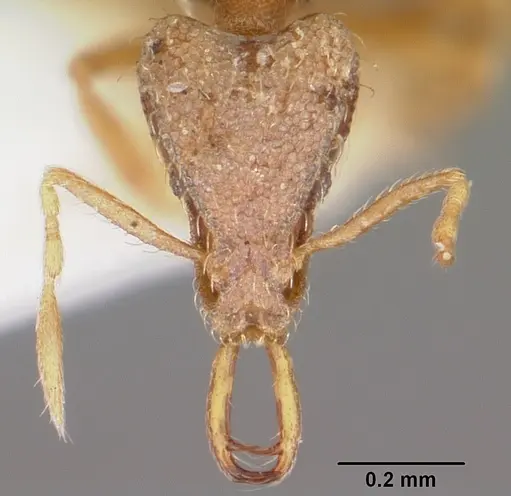
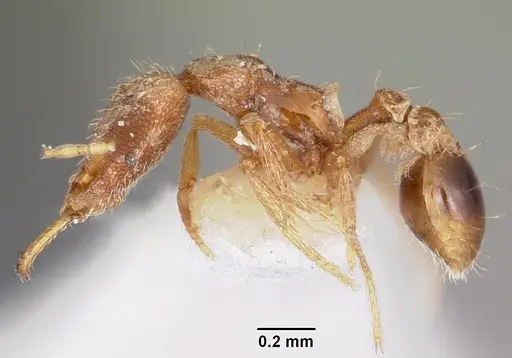
CASENT0900826
View on AntWeb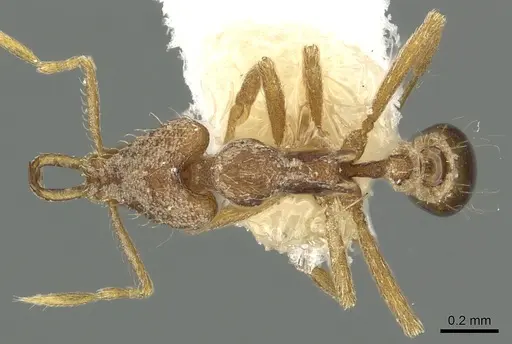
Literature
Loading...Loading products...