

Strumigenys dotaja
- Scientific Name
- Strumigenys dotaja
- Tribe
- Attini
- Subfamily
- Myrmicinae
- Author
- Bolton, 1983
- Distribution
- Found in 1 countries
Strumigenys dotaja Overview
Strumigenys dotaja is an ant species of the genus Strumigenys. It is primarily documented in 1 countries , including Gabon. Detailed taxonomic data and occurrence records can be further explored via authoritative databases such as AntWeb or the Global Biodiversity Information Facility (GBIF).
Strumigenys dotaja
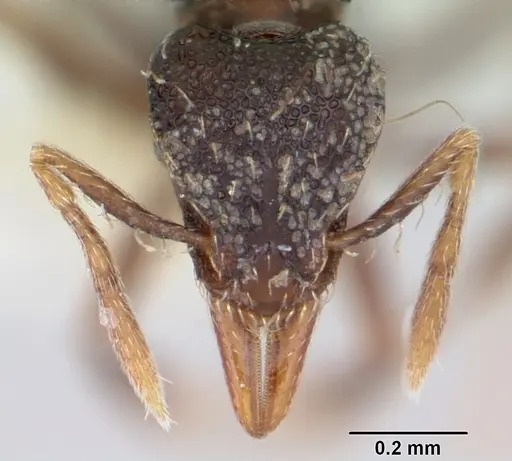
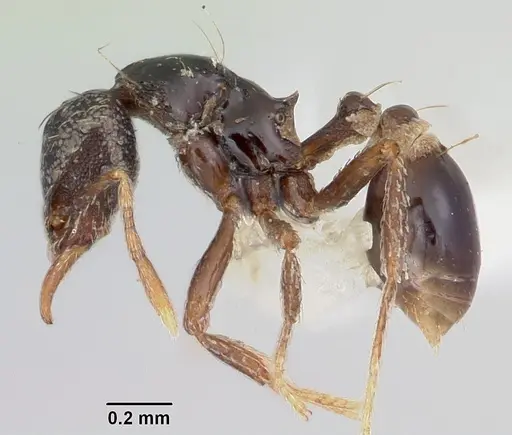
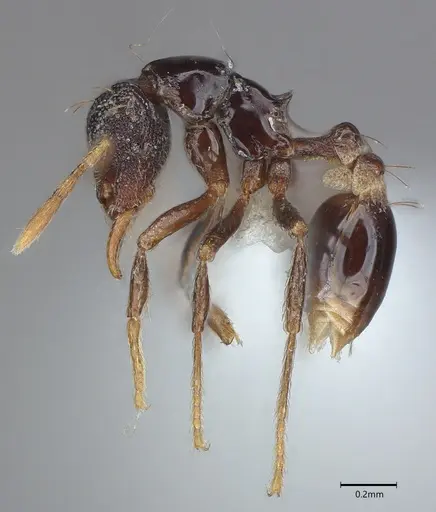
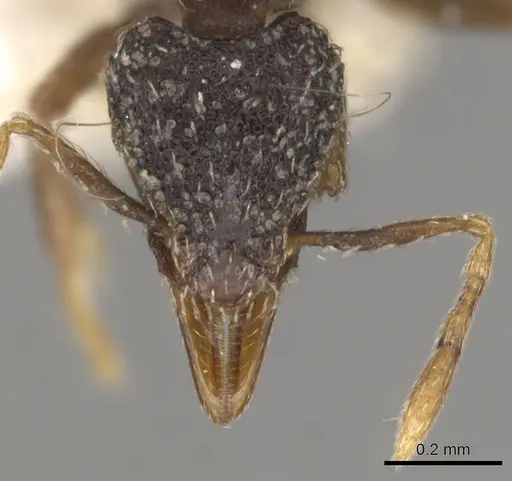
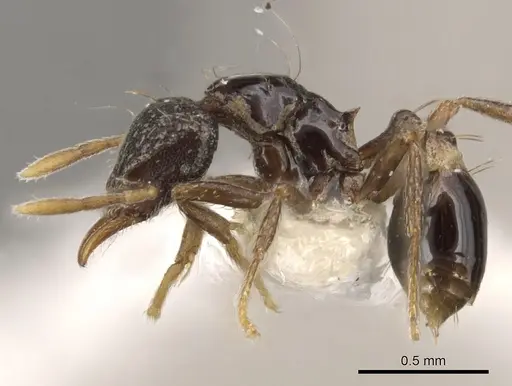
Strumigenys dotaja is a tiny predatory ant species native to Central Africa, found in Cameroon, the Democratic Republic of Congo, and Gabon. Workers measure just 2.3-2.5mm, making them one of the smaller ant species kept in captivity. They are jet black with glossy surfaces and distinctive very long fine flagellate hairs on the mesonotum and pronotum that immediately set them apart from related species. This species belongs to the Strumigenys lujae group and is primarily a rainforest inhabitant, collected from leaf litter samples in dense forest environments [1].
Like other dacetine ants, S. dotaja is a specialized predator that hunts small prey like springtails and other micro-arthropods. They are not aggressive toward humans and pose no stinging threat. Their tiny size and specific habitat requirements make them a challenging species for antkeepers, requiring careful attention to humidity, escape prevention, and appropriate live food sources.
Quick Summary
- Difficulty: Expert
- Origin & Habitat: Rainforest zones of Central Africa (Cameroon, DRC, Gabon). Found in leaf litter samples in dense forest, with one savanna collection recorded [2][1].
- Colony Type: Likely monogyne (single queen) based on typical Strumigenys colony structure. Colony size small, likely under 100 workers given the tiny worker size.
- Colony: Monogyne
- Founding: Claustral
- Size & Growth:
- Queen: Unconfirmed, queen has not been described in original descriptions. Estimated 3-4mm based on worker size and typical Strumigenys proportions.
- Worker: 2.3-2.5mm (TL)
- Colony: Likely under 100 workers, typical for small litter-dwelling Strumigenys species
- Growth: Slow, dacetine ants develop slowly and produce small colonies
- Development: Estimated 8-12 weeks at optimal temperature based on related Strumigenys species (Development times not specifically documented for this species. Estimates based on typical dacetine ant development patterns.)
- Antkeeping:
- Temperature: Keep at 22-26°C, aim for low-to-mid 24°C range. Avoid temperatures below 20°C as this is a tropical rainforest species.
- Humidity: High humidity is essential, maintain 70-85% relative humidity. Keep the nest substrate consistently moist but not waterlogged. These ants live in leaf litter where humidity stays consistently high.
- Diapause: No, this is a tropical species that does not require hibernation. Keep temperatures stable year-round.
- Nesting: Use small test tubes or acrylic nests with tight chambers scaled to their tiny size. Provide a moist substrate like soil or plaster that holds humidity well. A naturalistic setup with leaf litter and small hiding spots also works well.
- Behavior: These ants are peaceful toward humans and do not sting. They are specialized predators that hunt small micro-arthropods. Workers are slow-moving and spend most of their time foraging in the substrate. Escape risk is extremely high due to their minute size, excellent escape prevention with fine mesh barriers is absolutely critical. They are not aggressive colony defenders.
- Common Issues: escape prevention is critical, they are tiny enough to squeeze through standard barrier setups, colonies grow very slowly and beginners may lose patience, requiring live micro-prey makes them difficult to feed, springtail cultures are essential, humidity drops quickly in small setups, requires frequent monitoring and rehydration, wild-caught colonies may have parasites that can decimate the colony in captivity
Housing and Escape Prevention
Housing Strumigenys dotaja requires careful attention to their minute size. Workers are only 2.3-2.5mm, which means they can squeeze through gaps that other ants would never fit through. Use test tubes with cotton plugs that are firmly packed, or acrylic nests with tight-fitting lids. If using any barrier gel or fluon, apply it multiple times and check daily for the first few weeks. Fine mesh (at least 0.5mm or smaller) on any ventilation holes is essential. Many antkeepers use double-barrier systems for species this small. The outworld should also be carefully sealed, these ants are expert escape artists.
Feeding and Diet
Strumigenys dotaja is a specialized predator that requires live small prey. In the wild, they hunt springtails, tiny mites, and other micro-arthropods found in leaf litter. In captivity, you must establish a springtail culture, this is their primary food source and most reliable prey. Other small live prey like fruit fly larvae, newly hatched crickets, and tiny isopods may be accepted, but springtails should form the bulk of their diet. These ants are not sugar-feeding species, they get their carbohydrates from the bodily fluids of their prey. Do not offer honey or sugar water as they will not accept it. Feed every 2-3 days, removing any uneaten prey after 24 hours to prevent mold.
Temperature and Humidity
As a Central African rainforest species, Strumigenys dotaja requires warm and humid conditions. Keep the nest at 22-26°C, ideally around 24°C. Temperatures below 20°C can slow their metabolism and cause colony decline. Use a small heat mat on one side of the enclosure if room temperature is below this range, but always provide a temperature gradient so ants can move to cooler areas if needed. Humidity should stay at 70-85%. The nest substrate should feel consistently moist but never waterlogged. Mist the enclosure regularly and consider using a water reservoir in the outworld to help maintain humidity. Avoid placing the setup near air conditioning or heating vents that cause rapid drying.
Colony Establishment and Growth
Established colonies of Strumigenys dotaja will likely remain small, with perhaps 50-100 workers at maturity. Growth is slow, expect many months before you see significant colony expansion. The founding queen seals herself in a small chamber and raises the first workers (nanitics) alone on her stored fat reserves. Once the first workers emerge, they will begin foraging for small prey to feed subsequent brood. Do not disturb the founding chamber during this time, queens are sensitive to vibrations and may abandon or eat their brood if stressed. Colonies are fragile and should be kept in a quiet location away from vibrations, direct sunlight, and disturbances.
Natural History
Strumigenys dotaja was originally described by Bolton in 1983 from specimens collected in Cameroon (Nkoemvon) and later found in Gabon and the DRC. It belongs to the Strumigenys lujae group, characterized by the distinctive very long fine flagellate hairs on the mesonotum and pronotum. These ants are found primarily in rainforest leaf litter, where they hunt small invertebrates. The species has been collected from elevations in Central Cameroon and the Pongara National Park in Gabon. One unusual collection was made in savanna habitat via sweep sample, suggesting some habitat flexibility, but the primary habitat is clearly dense rainforest. [1][2]
Frequently Asked Questions
How long does it take for Strumigenys dotaja to produce first workers?
Expect 8-12 weeks from founding to first workers emerging. This is based on typical dacetine ant development patterns, as specific development times have not been documented for this species. The queen will seal herself in and raise the first brood alone using her stored fat reserves.
What do Strumigenys dotaja ants eat?
They eat live small prey, primarily springtails and other micro-arthropods. You must establish a springtail culture to keep this species successfully. They are specialized predators and do not accept sugar sources. Offer small live prey 2-3 times per week and remove uneaten prey after 24 hours.
Can I keep Strumigenys dotaja in a test tube?
Yes, test tubes work well for founding colonies and small colonies. Use a small test tube with a well-packed cotton plug. However, because they are so tiny, you must ensure the cotton is very firmly packed and consider adding a barrier gel at the tube entrance. Monitor daily for escapes, especially in the first few weeks.
How big do Strumigenys dotaja colonies get?
Colonies likely reach only 50-100 workers at maturity. This is typical for small litter-dwelling Strumigenys species. They are not large colony ants and will remain manageable in size throughout their life.
Do Strumigenys dotaja need hibernation?
No, they do not require hibernation. This is a tropical rainforest species from Central Africa that needs warm temperatures year-round. Keep them at 22-26°C consistently without any cooling period.
Why are my Strumigenys dotaja escaping?
Their tiny 2.3-2.5mm size means they can squeeze through gaps other ants cannot. Use fine mesh (0.5mm or smaller), firmly packed test tube plugs, and barrier gels applied multiple times. Check all connections and seams daily. Consider a double-barrier system for added security.
Are Strumigenys dotaja good for beginners?
No, this is an expert-level species. Their tiny size makes escape prevention extremely difficult, they require live springtail cultures as food, they need high humidity, and colonies grow very slowly. Beginners should start with more forgiving species like Lasius or Camponotus before attempting Strumigenys.
What humidity do Strumigenys dotaja need?
Keep humidity at 70-85%. This rainforest species needs consistently moist conditions. The nest substrate should feel damp to the touch. Mist regularly and consider using a water reservoir in the outworld to help maintain humidity levels.
When should I move Strumigenys dotaja to a formicarium?
Only move them when the test tube becomes overcrowded or the water reservoir is exhausted. For this slow-growing species, that may take a year or more. When moving, use gentle methods, these ants are sensitive to disturbance. A small acrylic nest with moist substrate works well.
References

This caresheet is licensed under CC BY-SA 4.0 .
CASENT0102587
View on AntWeb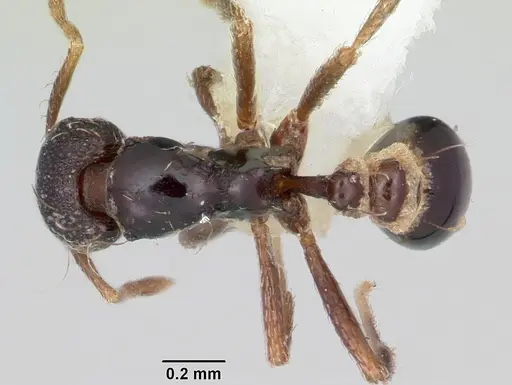
CASENT0418138
View on AntWeb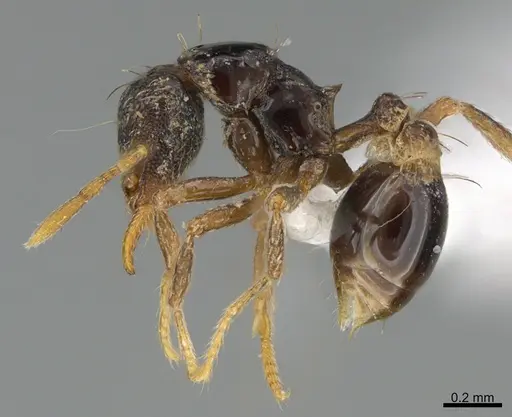
CASENT0763610
View on AntWeb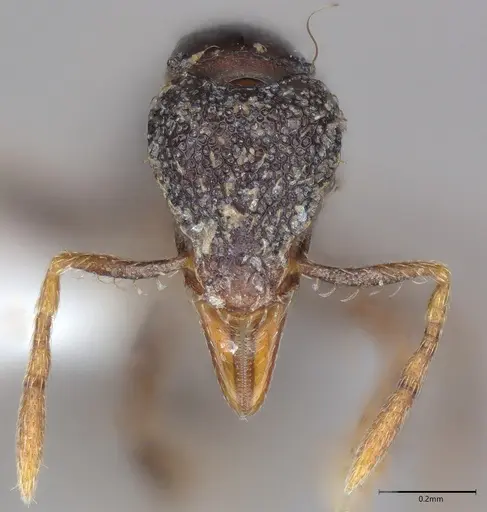
CASENT0900065
View on AntWeb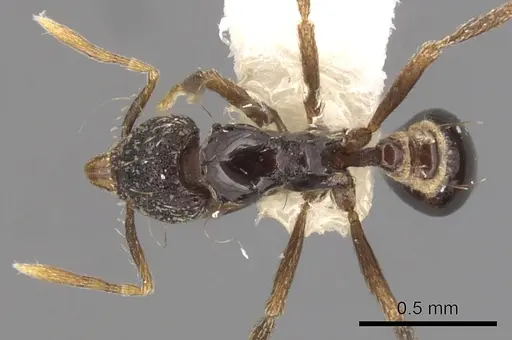
Literature
Loading...Loading products...