

Strumigenys dohertyi
- Scientific Name
- Strumigenys dohertyi
- Tribe
- Attini
- Subfamily
- Myrmicinae
- Author
- Emery, 1897
- Distribution
- Found in 4 countries
Strumigenys dohertyi Overview
Strumigenys dohertyi is an ant species of the genus Strumigenys. It is primarily documented in 4 countries , including China, Indonesia, Malaysia. Detailed taxonomic data and occurrence records can be further explored via authoritative databases such as AntWeb or the Global Biodiversity Information Facility (GBIF).
Strumigenys dohertyi - "Doherty's Strumigenys Ant"
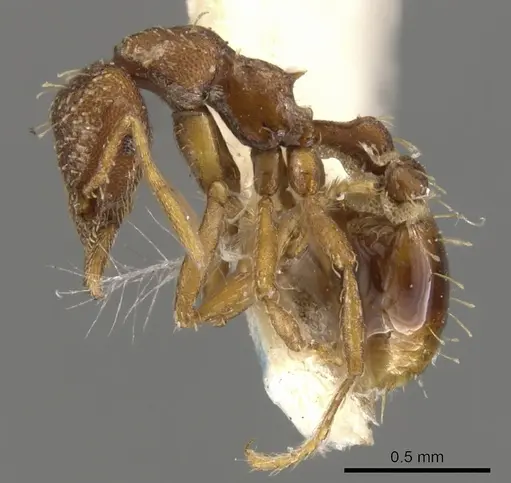
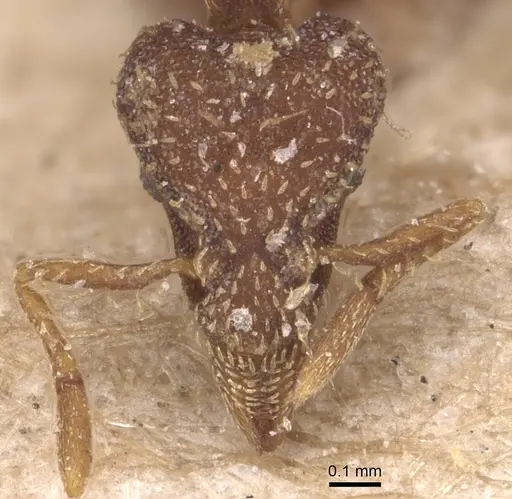
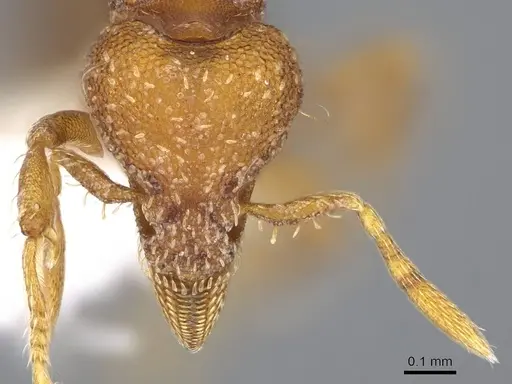
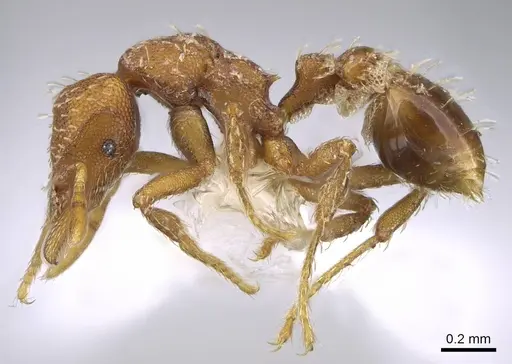
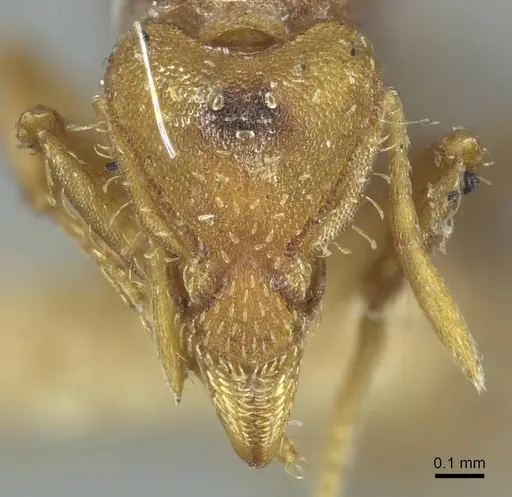
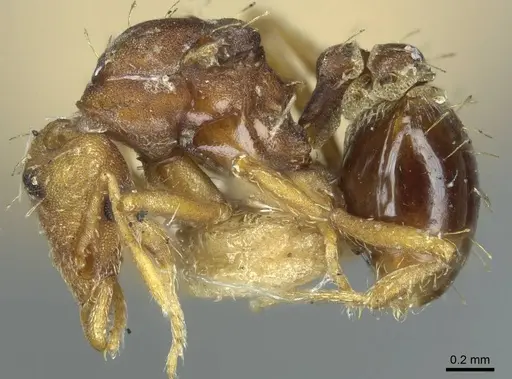
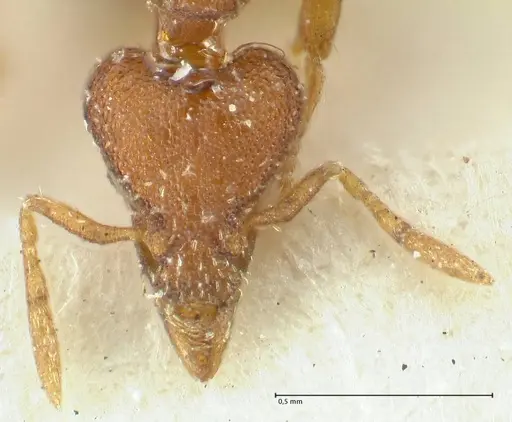
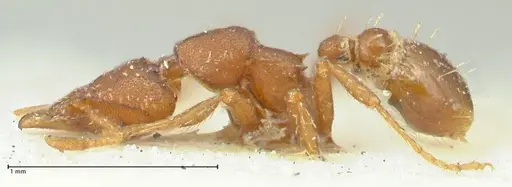
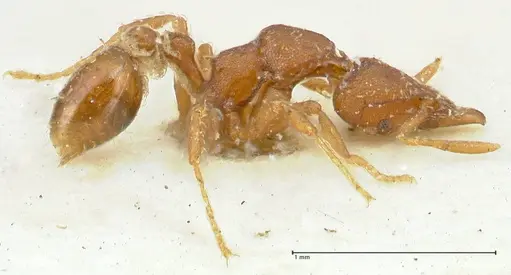
Strumigenys dohertyi is a fascinating, small ant species known for its specialized 'trap-jaw' mandibles, which are used to capture their tiny prey. Workers typically range from 2.0 to 3.0 mm in total length. This species exhibits variation in physical characteristics, such as the shape of the petiole node and postpetiole sculpture. They are generally reddish-brown and shiny, with some darker markings on parts of their body. As cryptic ants, they are often found in leaf litter and soil, making them a hidden gem for ant enthusiasts.
- Difficulty: Medium
- Origin & Habitat: Indo-Australian Region (Borneo, Indonesia, Malaysia, Philippines) and Oriental Region (Bhutan, Myanmar, Thailand, Vietnam), also found in Palaearctic Region (China). in Disturbed forests, leaf litter, soil, and rotten wood in tropical and subtropical regions..
- Colony Type: Monogyne, claustral founding.
- Size & Growth:
- Queen: Not specified
- Worker: 2.0-3.0mm
- Colony: Small (typically less than 100 workers, with a mean colony size of 15-400 for the genus).. Slow growth.
- Antkeeping:
- Temperature: Maintain temperatures around 24-28°C (75-82°F) to mimic their natural tropical habitat. Consistent temperatures are important for their development and activity..
- Humidity: High humidity, ideally around 70-90%, is crucial. Their natural habitat is damp leaf litter and soil, so maintaining moisture is vital for their well-being and preventing desiccation..
- Diapause: Not required. Not specified at Not specified.
- Nesting: These ants prefer nests that simulate their natural subterranean or leaf litter environments. Plaster, ytong, or natural setups with a good substrate layer are suitable. Nests should have small, intricate tunnels that cater to their tiny size and cryptic nature. They are often found in soil, under or between rocks, or in and under logs..
- Behavior: Low (towards handler) aggressiveness.
- Common Issues: Difficulty in providing consistent live prey (springtails), Desiccation due to insufficient humidity, Escape due to small size, Mold in nest (if humidity is too high without proper ventilation), Colony stalling if conditions are not met.
Strumigenys dohertyi are specialized predators, primarily preying on tiny soft-bodied arthropods, most notably springtails (Collembola). This highly specific diet means that providing adequate and consistent food sources can be a challenge for keepers. Unlike many other ant species, they are not generalist feeders, and their unique trap-jaw mandibles are perfectly adapted for seizing these fast-moving micro-arthropods. Sourcing live springtails regularly is essential for a thriving colony, as they rarely practice trophallaxis and larvae often feed directly on prey brought by workers.
Their small size and cryptic nature make Strumigenys dohertyi a fascinating species to observe, but also one that requires careful attention to husbandry. They are known for their slow-motion movements, which can be quite captivating. Due to their preference for nesting within leaf litter and upper soil layers, providing a suitable substrate in their formicarium that allows for foraging and nesting is paramount. This can involve setting up a naturalistic outworld with a deep layer of substrate or incorporating decaying wood within the nest setup.
Humidity is arguably the most critical factor for this species. Coming from tropical and subtropical rainforests, they are highly susceptible to desiccation. Meticulous monitoring and maintenance of high humidity levels within their nesting area are non-negotiable. Dry conditions can quickly lead to stress and colony decline. Incorporating materials that retain moisture well, such as specific types of plaster or a consistently damp substrate, is advised to ensure their long-term health.
Colony growth in Strumigenys dohertyi can be slow, and their colony sizes are typically quite small, generally under 100 workers, although the genus average can range from 15-400 workers. Patience is key when keeping these ants, as rapid expansion is not expected. Keepers should focus on providing stable conditions and a consistent food supply to encourage steady development rather than attempting to accelerate growth artificially.
These ants are not known to be aggressive towards handlers, but their small size makes them incredibly delicate. Handling should be minimized, and when necessary, extreme care must be taken to avoid injury. Their tiny stature also means they can easily escape through even the smallest gaps, so escape-proofing their setup is a top priority. Considering their unique predatory habits and specific environmental needs, Strumigenys dohertyi is best suited for experienced ant keepers looking for a specialized challenge.
Frequently Asked Questions
What makes Strumigenys dohertyi different from other ant species?
Strumigenys dohertyi stand out primarily due to their unique 'trap-jaw' mandibles, which are specialized for capturing tiny, fast-moving prey like springtails. This isn't your average ant that scavenges; they're expert hunters! Their incredibly small size and cryptic habits also set them apart, making them a fascinating, albeit challenging, species to observe in an ant setup.
How big do Strumigenys dohertyi colonies get?
These ants form relatively small colonies. While the genus Strumigenys can range up to a few hundred individuals, Strumigenys dohertyi colonies typically consist of less than 100 workers. So, don't expect a massive formicarium full of ants with this species; they're more about quality over quantity!
What do Strumigenys dohertyi eat?
This is where it gets interesting! Strumigenys dohertyi are highly specialized predators. Their main diet consists of springtails (Collembola) and other small, soft-bodied arthropods. You won't find them chowing down on mealworms or sugar water regularly. Providing a consistent supply of live springtails is absolutely critical for their survival and health.
Do Strumigenys dohertyi require diapause?
No, Strumigenys dohertyi do not typically require a diapause period. They originate from tropical and subtropical regions with stable climates, so they don't experience the seasonal changes that necessitate a hibernation phase for temperate species. Maintaining consistent temperature and humidity year-round is key for their well-being.
What kind of nest is best for Strumigenys dohertyi?
Given their natural preference for nesting in leaf litter, soil, or decaying wood, a naturalistic setup is ideal. Nests made from plaster or ytong with intricate, small tunnels work well. Many keepers find success with deep substrate setups in their outworlds that allow the ants to forage and nest naturally, mimicking their subterranean and leaf litter habitats.
Are Strumigenys dohertyi difficult to keep?
They are considered a 'medium' difficulty species, primarily because of their specialized dietary needs and strict humidity requirements. Keeping a consistent supply of live springtails can be challenging, and any lapse in humidity can quickly lead to issues. They're best suited for ant keepers who have some experience and are ready for a unique challenge.
How important is humidity for Strumigenys dohertyi?
Humidity is extremely important for Strumigenys dohertyi. They thrive in high humidity, typically ranging from 70-90%. These ants are highly susceptible to drying out, so maintaining a consistently moist environment in their nest is non-negotiable. Think tropical rainforest floor – that's the level of dampness they need!
Can Strumigenys dohertyi sting?
Yes, Strumigenys dohertyi workers do possess a sting. However, due to their incredibly small size, their sting is unlikely to be medically significant to humans. They are also generally not aggressive towards handlers. Nonetheless, as with any ant species, it's always best to exercise caution and avoid direct contact.
What is their growth rate like?
Strumigenys dohertyi colonies tend to have a slow growth rate. They won't explode in numbers like some other common ant species. Patience is a virtue when keeping these ants; focus on stable conditions and consistent feeding to support their steady, albeit gradual, development.
How do Strumigenys dohertyi hunt their prey?
They are remarkable hunters! Strumigenys dohertyi use their unique, elongated 'trap-jaw' mandibles to rapidly snap shut on unsuspecting springtails and other tiny prey. This incredible mechanism allows them to quickly immobilize their fast-moving meals. It's a fascinating behavior to witness, if you're lucky enough to catch it!
Do they forage above ground or underground?
Strumigenys dohertyi are primarily leaf litter and subterranean foragers. They are cryptic ants, meaning they prefer to stay hidden within their environment, exploring the nooks and crannies of soil and decaying organic matter for their prey. This makes observing their foraging habits a bit more challenging, but also more rewarding when you do.
Are there any common issues I should watch out for?
Yes, several common issues can arise when keeping Strumigenys dohertyi. The most prevalent are difficulties in sourcing consistent live springtail prey, desiccation if humidity drops too low, and potential escapes due to their tiny size. Mold can also be an issue if humidity is too high without adequate ventilation. Keeping a close eye on these factors is crucial for their success.
What size outworld do they need?
While they are small ants, a decent-sized outworld with a deep substrate layer is beneficial for Strumigenys dohertyi. This allows them ample space to forage for prey and exhibit their natural behaviors. The focus should be on providing a rich, naturalistic environment rather than just a large, empty space.

This caresheet is licensed under CC BY-SA 4.0 .
CASENT0728919
View on AntWeb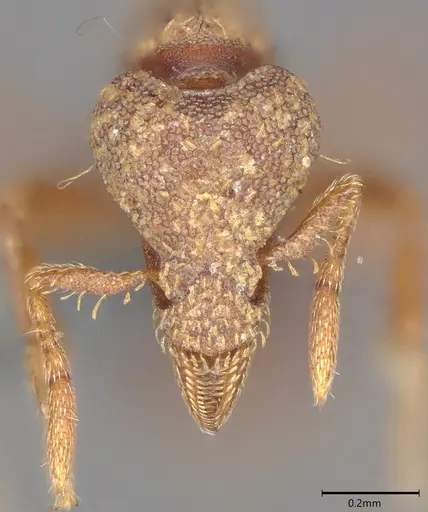
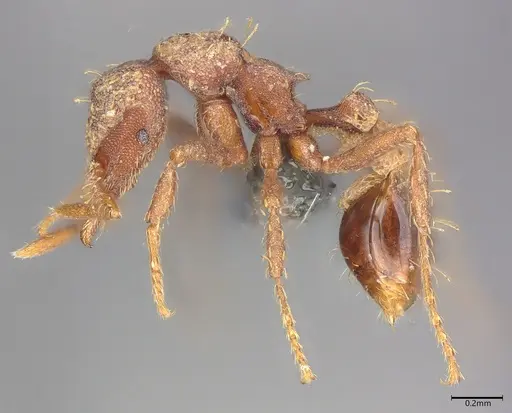
CASENT0900105
View on AntWeb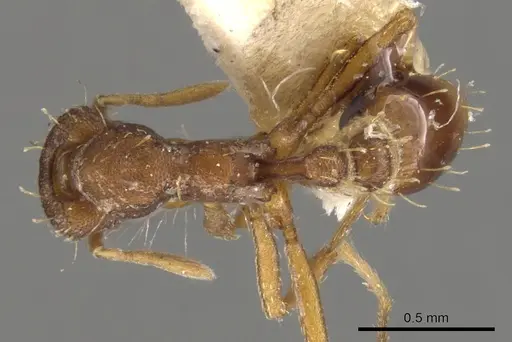
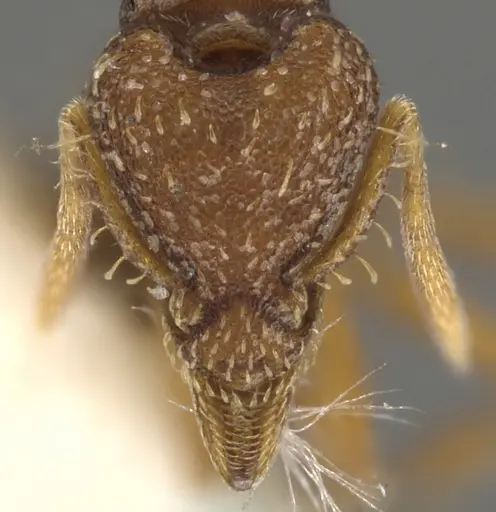
CASENT0904954
View on AntWeb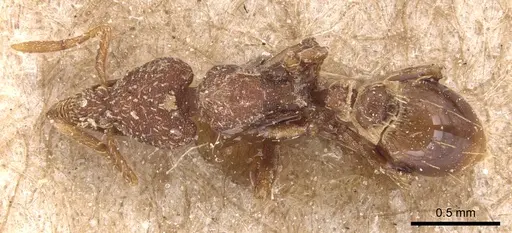
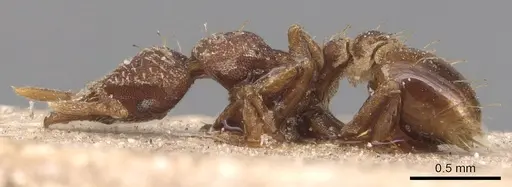
CASENT0914624
View on AntWeb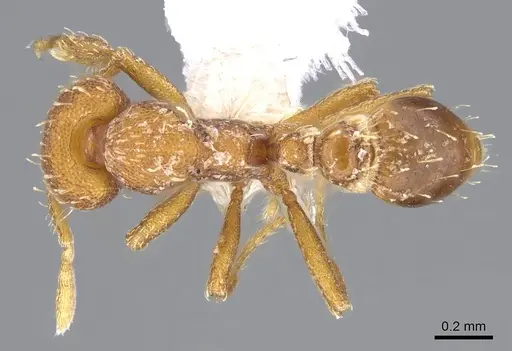
CASENT0915949
View on AntWeb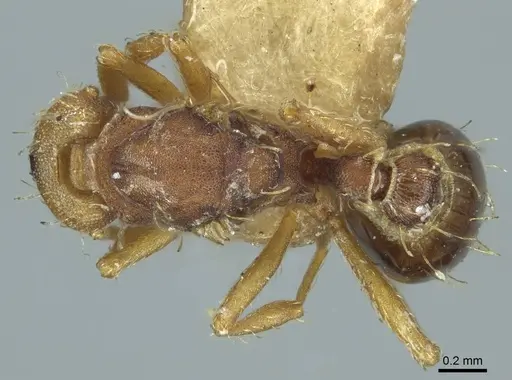
FOCOL2156
View on AntWeb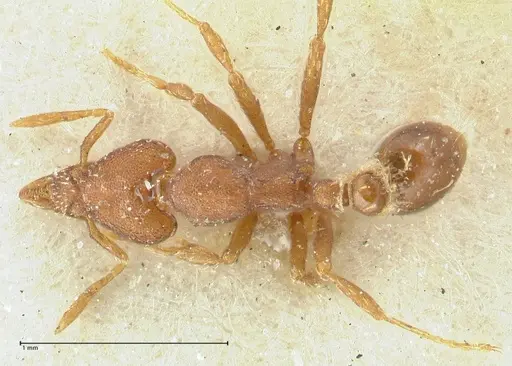
Literature
Loading...Loading products...