

Strumigenys dextra
- Scientific Name
- Strumigenys dextra
- Tribe
- Attini
- Subfamily
- Myrmicinae
- Author
- Brown, 1954
- Distribution
- Found in 5 countries
Strumigenys dextra Overview
Strumigenys dextra is an ant species of the genus Strumigenys. It is primarily documented in 5 countries , including Australia, Congo, Democratic Republic of the. Detailed taxonomic data and occurrence records can be further explored via authoritative databases such as AntWeb or the Global Biodiversity Information Facility (GBIF).
Strumigenys dextra - "Dextrous Strumigenys Ant"
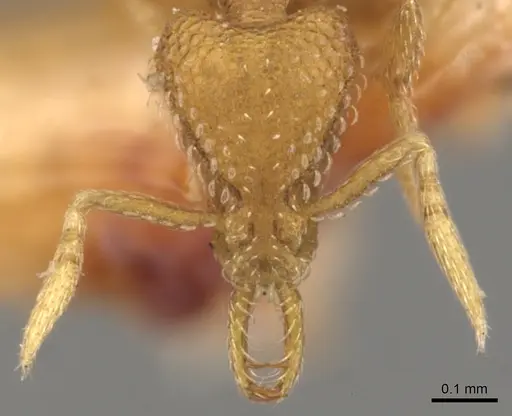
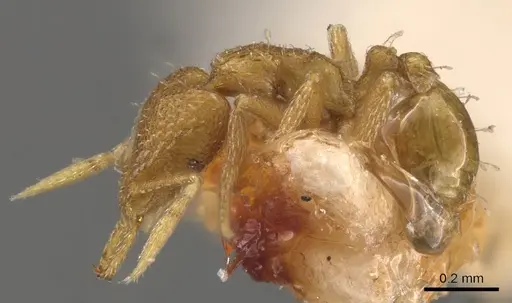
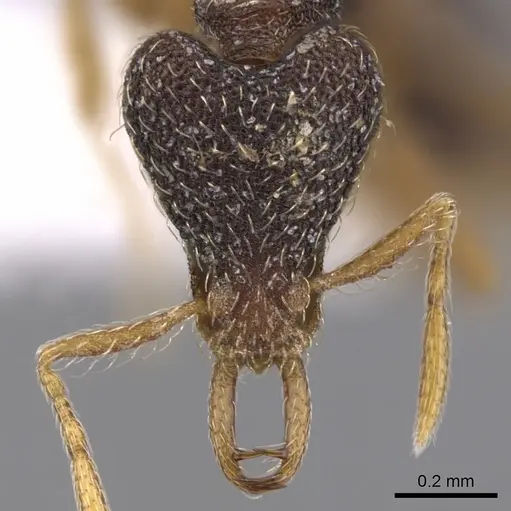
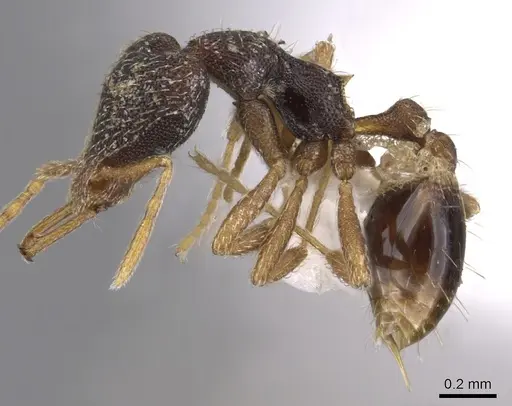
Strumigenys dextra is a fascinating, tiny ant species known for its specialized 'trap-jaw' mandibles, which it uses to capture small prey. These ants are generally dull yellow in color and are quite small, with workers measuring between 1.6 and 1.8 mm in total length. They are cryptic and slow-moving, often freezing when disturbed. Unlike many ant species, males are rarely observed. Their unique morphology includes a single preapical tooth on the left mandible and a long, fine flagellate hair on each pronotal humeri.
- Difficulty: Medium
- Origin & Habitat: Africa (specifically Angola, Cameroon, Central African Republic, Democratic Republic of Congo, Equatorial Guinea, Gabon, Kenya, Uganda) in Moist, warm habitats, primarily found in leaf litter and humus of wet forests, decaying wood, or opportunistically in inhabitable soil cavities..
- Colony Type: Monogyne, claustral founding.
- Size & Growth:
- Queen: Not specified
- Worker: 1.6-1.8mm
- Colony: Small (typically less than 100 individuals, but sometimes up to several hundreds). Slow growth.
- Antkeeping:
- Temperature: Ideal temperature range is between 22°C and 26°C. Avoid extreme temperatures..
- Humidity: High humidity levels are crucial, ideally 60-80%..
- Diapause: Not required. Not specified at Not specified.
- Nesting: Small formicariums with easy-to-access chambers are preferred. They thrive in setups mimicking their natural habitat: soil, leaf litter, or decaying wood. Ytong, acrylic, or naturalistic setups with ample moisture are suitable..
- Behavior: Low (towards handler, food or other ants) aggressiveness.
- Common Issues: Difficulty sourcing appropriate live food (springtails), Maintaining consistent high humidity, Small colony size and cryptic behavior can make observation challenging, Mold in nest due to high humidity, Mites (especially given their preferred damp habitat).
One of the most striking features of Strumigenys dextra, and the genus as a whole, is their incredible 'trap-jaw' mandibles. These aren't just for show; they're incredibly fast and precise, specifically designed for ambushing and seizing tiny soil arthropods like springtails. Observing this unique hunting behavior in your colony is a truly captivating experience for any ant enthusiast, highlighting their specialized predatory nature. It’s a testament to their evolutionary adaptation to their microhabitat.
Due to their highly specialized diet, feeding Strumigenys dextra can be a bit more challenging compared to generalist ant species. They are primarily predators of Collembola (springtails) and other minute, soft-bodied soil arthropods. Offering a consistent supply of appropriately sized live prey, such as various species of springtails or small micro-crickets, is essential for their long-term health and colony growth. Trophallaxis, the sharing of food among adults, is rarely observed in this genus.
These ants are incredibly small and exhibit cryptic behavior, meaning they tend to stay hidden and move slowly, often freezing in place when disturbed. This makes them less active and visible than many other ant species commonly kept in captivity. For keepers, this means you'll need a keen eye and patience to observe their subtle movements and fascinating behaviors. Their discreet nature also means they can be easily overlooked in their natural habitat and, subsequently, in a formicarium.
Maintaining high humidity is paramount for the well-being of a Strumigenys dextra colony. Originating from moist, warm forest environments, they are highly sensitive to desiccation. Regular misting or ensuring a consistently moist substrate within their nest setup is crucial to prevent stress and ensure the health of the queen and brood. A dry environment can quickly lead to the decline of the entire colony, making proper hydration a top priority for successful antkeeping.
While some Strumigenys species have been noted to reproduce parthenogenetically, which can be an advantage for colony establishment in new environments, it's important to note that this hasn't been specifically confirmed for S. dextra. This type of reproduction allows unmated queens to produce female offspring, reducing the reliance on nuptial flights and successful mating. However, even in parthenogenetic species, queens may retain a functional spermatheca for the rare instances where mating might occur, allowing for genetic variability.
Frequently Asked Questions
What makes Strumigenys dextra different from other ant species?
Strumigenys dextra, like other members of its genus, stands out due to its incredible 'trap-jaw' mandibles. These aren't just for show; they're lightning-fast and super precise, specifically evolved to ambush and grab tiny, soft-bodied prey like springtails. This unique hunting style is a major differentiator in the antkeeping world.
What do Strumigenys dextra ants eat?
These little predators are quite particular about their menu! Strumigenys dextra are specialist insectivores, primarily feasting on Collembola (springtails) and other small soil arthropods. You'll need to provide live prey, such as various types of springtails or tiny micro-crickets, to meet their dietary needs. They're not known for trophallaxis, meaning workers generally don't share liquid food, which makes providing solid prey even more crucial.
How big do Strumigenys dextra colonies get?
Don't expect a supercolony here! Strumigenys dextra colonies are on the smaller side, typically housing fewer than 100 individuals. However, some Strumigenys species can reach several hundred workers. This makes them ideal for keepers with limited space or those who prefer observing smaller, more intimate colony dynamics.
What kind of nest setup is best for Strumigenys dextra?
To truly see your Strumigenys dextra colony thrive, think small and moist. A compact formicarium with easily accessible chambers and a dedicated foraging area is recommended. They love nesting in soil, leaf litter, or decaying wood, so consider setups like Ytong nests, acrylic nests with a constant humidity gradient, or naturalistic setups that mimic the damp forest floor. The key is consistent high humidity and a secure environment.
Are Strumigenys dextra easy to keep for beginners?
While captivating, Strumigenys dextra are considered to have a 'medium' difficulty rating. Their specific dietary requirements (specialized live prey) and the critical need to maintain high humidity levels can be a bit challenging for new antkeepers. However, for those willing to commit to their unique care, they offer a truly rewarding and unique antkeeping experience.
Do Strumigenys dextra sting?
Thankfully, no! Strumigenys dextra ants are not known to sting. Their primary defense and hunting mechanism relies on their specialized trap-jaws. So, you can observe these fascinating creatures without worrying about stings.
Where do Strumigenys dextra naturally live?
These tiny ants call the moist, warm regions of Africa home. You'll find them foraging and nesting in the rich leaf litter and humus layers of wet forests, and sometimes in decaying wood. Countries like Uganda, Angola, Cameroon, and Gabon are part of their native range.
How aggressive are Strumigenys dextra?
Strumigenys dextra exhibit low aggression. They are typically slow-moving and cryptic, preferring to freeze when disturbed rather than confront. This makes them quite peaceful inhabitants in a controlled antkeeping setup, both towards their keepers and often other ant species (though housing with other species is not recommended).
Do I need to worry about diapause for Strumigenys dextra?
Given their tropical origins, Strumigenys dextra typically do not require diapause (a period of hibernation or dormancy). Maintaining consistent temperatures and humidity throughout the year is generally sufficient for their continuous activity and colony development.
What are common problems when keeping Strumigenys dextra?
The main hurdles when keeping Strumigenys dextra often revolve around their specialized needs. Sourcing a consistent supply of their preferred live prey, like springtails, can be tricky. Maintaining the consistently high humidity they require without leading to mold growth in the nest is another common challenge. Their small colony size and cryptic behavior also mean they aren't the most 'active' display species, which some keepers might find less engaging.
Can Strumigenys dextra queens reproduce without a male?
While some species within the Strumigenys genus are known to exhibit thelytokous parthenogenesis, meaning queens can produce female offspring without mating, this hasn't been specifically confirmed for Strumigenys dextra. This ability offers a significant advantage for colony establishment, as it removes the need for a successful nuptial flight and male fertilization. Even in species that can reproduce this way, queens often still have the capacity to mate if a male is present, which can introduce genetic diversity.
What is the typical size of a Strumigenys dextra worker?
These are truly tiny ants! Strumigenys dextra workers usually measure between 1.6 and 1.8 mm in total length. Their minuscule size contributes to their cryptic nature and unique charm for macro-photography enthusiasts.
Do Strumigenys dextra exhibit trophallaxis?
Interestingly, trophallaxis, the social act of exchanging liquid food directly between individuals, is rarely observed in Strumigenys species. This highlights their reliance on capturing and consuming solid prey, and it's a behavior that differentiates them from many other ant genera.

This caresheet is licensed under CC BY-SA 4.0 .
CASENT0355553
View on AntWeb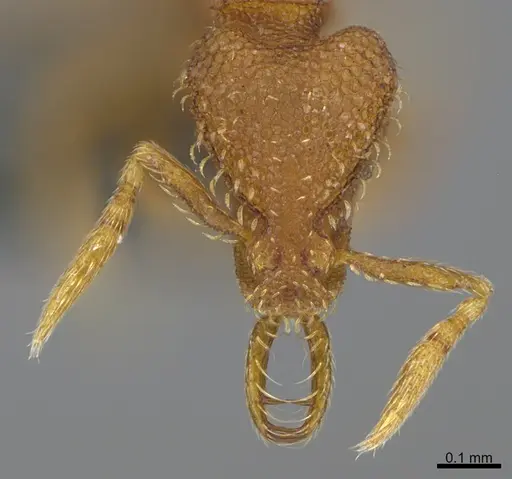
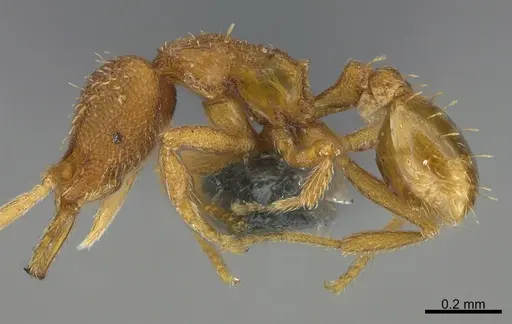
CASENT0763587
View on AntWeb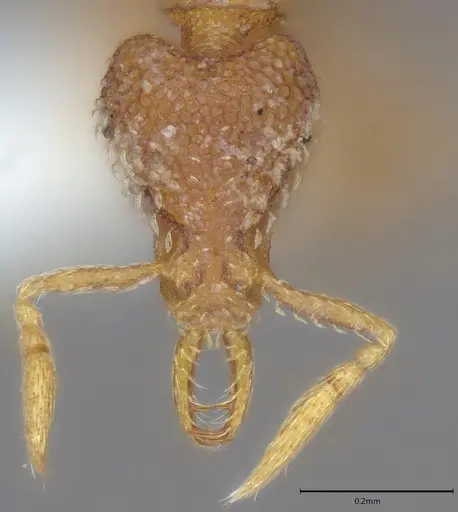
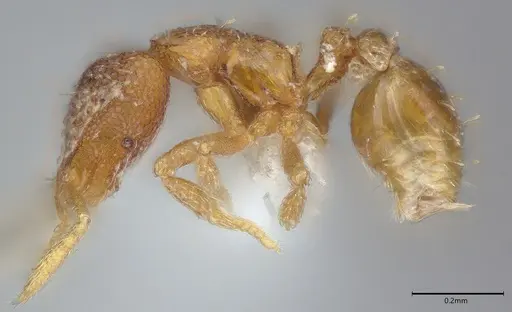
CASENT0900628
View on AntWeb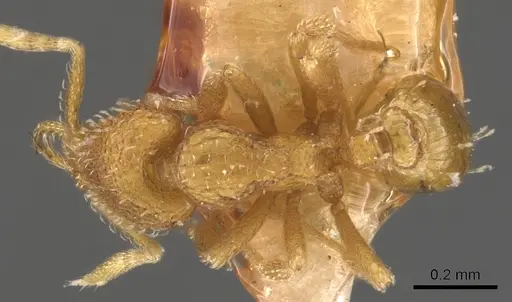
CASENT0900907
View on AntWeb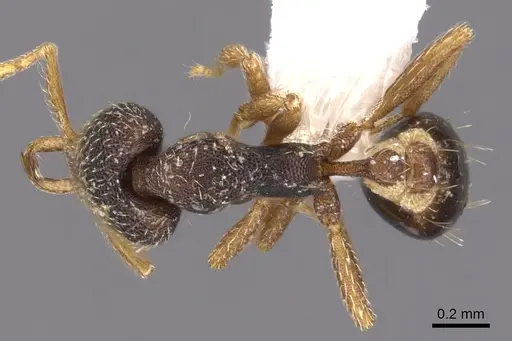
Literature
Loading...Loading products...