

Strumigenys depilosa
- Scientific Name
- Strumigenys depilosa
- Tribe
- Attini
- Subfamily
- Myrmicinae
- Author
- Bolton, 2000
- Distribution
- Found in 1 countries
Strumigenys depilosa Overview
Strumigenys depilosa is an ant species of the genus Strumigenys. It is primarily documented in 1 countries , including Gabon. Detailed taxonomic data and occurrence records can be further explored via authoritative databases such as AntWeb or the Global Biodiversity Information Facility (GBIF).
Strumigenys depilosa
Strumigenys depilosa is an exceptionally tiny predatory ant native to the rainforests of Cameroon and Gabon in Central Africa. Workers measure just 2.4-2.6mm in total length, making them one of the smaller ant species you'll encounter in the hobby . They belong to the tribe Attini (also called Dacetonini), a group known for their remarkable trap-jaw mandibles that can snap shut at incredible speeds to capture prey [1]. This species is distinguished from its relatives by the complete absence of apicoscrobal hairs and pronotal humeral hairs, features that most related species possess .
In the wild, these ants live in the humid leaf litter layer of tropical rainforests, where they hunt small prey like springtails and other micro-arthropods. All known specimens have been collected from rainforest litter samples or rotting wood at elevations between 110m and 640m [1]. Their small size and cryptic lifestyle make them challenging to find and study, which explains why relatively little is known about their specific biology in the wild.
Quick Summary
- Difficulty: Hard
- Origin & Habitat: Rainforests of Cameroon and Gabon in the Afrotropical region. All specimens collected from leaf litter samples or rotting logs in lowland to montane rainforest at elevations of 110-640m [1].
- Colony Type: Colony structure is unconfirmed. Based on related Strumigenys species, likely monogyne (single queen) with relatively small colony sizes.
- Size & Growth:
- Queen: Undescribed, no queen caste has been documented for this species
- Worker: 2.4-2.6mm total length (HL 0.57-0.60mm, HW 0.46-0.48mm)
- Colony: Unknown, likely small colonies typical of Strumigenys genus (dozens to low hundreds of workers)
- Growth: Moderate, based on typical Strumigenys development patterns
- Development: Unknown, estimated 6-10 weeks based on related Strumigenys species at optimal temperature (Development timeline is unconfirmed for this specific species. Estimates based on genus-level patterns for small Myrmicinae in tropical conditions.)
- Antkeeping:
- Temperature: Keep warm at 24-28°C, these are rainforest ants requiring stable tropical temperatures. A gentle gradient allowing slight variation is ideal.
- Humidity: Keep very high, aim for 80-90% humidity. These ants live in rainforest leaf litter where conditions are constantly damp. Use well-moistened substrate and consider a hydration reservoir system.
- Diapause: No, as a tropical species, they do not require hibernation. Maintain warm conditions year-round.
- Nesting: Provide a naturalistic setup with damp substrate (like a soil chamber or plaster nest). They naturally nest in rotting wood and leaf litter, so a setup that retains moisture well is essential. Tight escape prevention is critical due to their tiny size.
- Behavior: These ants are specialized predators using their trap-jaw mandibles to capture small prey. They are not aggressive toward humans and cannot sting. Their tiny size means excellent escape prevention is essential, they can slip through standard barriers that would contain larger ants. They are shy and secretive, preferring to stay within the nest and foraging channels rather than exploring openly.
- Common Issues: escape prevention is critical, their tiny size allows them to squeeze through standard barriers, humidity dropping too low causes colony decline in a matter of days, lack of appropriate live prey leads to starvation, they require small live micro-arthropods, slow growth can lead to keeper impatience and overfeeding, causing mold problems, wild-caught colonies may harbor parasites that can devastate captive populations
Housing and Nest Setup
Strumigenys depilosa requires a setup that recreates the humid leaf litter environment of African rainforests. A naturalistic setup with a damp soil chamber works well, use a mixture of soil and organic matter that stays moist but doesn't become waterlogged. Plaster nests with water reservoirs are also suitable, as they help maintain the high humidity these ants need. Because they are tiny, even small gaps in formicaria can become escape routes. Apply fluon to all edges and use tight-fitting lids. A small outworld connected to the nest allows you to offer prey without disturbing the colony. Keep the nest area dark or dimly lit, these secretive ants prefer minimal light exposure. [1]
Feeding and Diet
As specialized predators, Strumigenys depilosa requires live small prey. Their primary food source should be springtails (collembola), these are the perfect size and are readily accepted by most Strumigenys species. Other small live prey like micro-arthropods, booklice (psocids), and tiny mites can be offered as variety. They are unlikely to accept sugar sources or dead prey, their hunting behavior is triggered by movement. Feed small amounts every few days, removing any uneaten prey to prevent mold. A well-established springtail culture in the outworld can provide a continuous food source, though you should still supplement with additional prey. Never leave large quantities of dead insects in the setup.
Temperature and Humidity
Maintain temperatures between 24-28°C year-round. These are tropical rainforest ants that do not tolerate cool conditions. A small heating cable on one side of the nest can create a gentle gradient, but avoid direct heat that could dry out the substrate. Humidity is critical, aim for 80-90% relative humidity within the nest. The substrate should feel consistently damp but never waterlogged. Check moisture levels daily and rehydrate as needed, typically every few days depending on your setup. A hydration reservoir in plaster nests helps maintain stable humidity. Avoid ventilation that causes rapid drying. [1]
Behavior and Temperament
Strumigenys depilosa is a shy, secretive species that spends most of its time within the nest structure. Workers are rarely seen foraging openly, they hunt by ambush, using their specialized trap-jaw mandibles to capture prey that comes within range. They are not defensive toward keepers and pose no sting threat. However, their tiny size makes them excellent escape artists. Standard barrier methods may not work, you need fine mesh (at least 0.5mm or smaller) and fluon-coated edges. Colony activity increases when prey is present, as workers become more active in hunting. They do not form large trails or forage in the open like some ant species.
Colony Development
Little is known about the specific colony development of S. depilosa, but it likely follows patterns typical of the genus. Colonies are probably small, possibly reaching only a few dozen to low hundreds of workers at maturity. The queen has not been described, so founding behavior is unconfirmed. Based on related Strumigenys species, founding is likely claustral, the queen seals herself in and raises the first workers on stored fat reserves. Growth is probably slow compared to more common ant species, requiring patience from the keeper. Do not disturb founding colonies unnecessarily.
Frequently Asked Questions
Can I keep Strumigenys depilosa in a test tube?
A test tube setup can work for founding colonies, but you must maintain high humidity and provide access to small live prey. However, a naturalistic or plaster nest is preferable for long-term housing as it better maintains the constant moisture these ants require. If using a test tube, ensure excellent escape prevention and consider adding a small water reservoir section.
What do Strumigenys depilosa ants eat?
They are specialized predators that require live small prey. Springtails (collembola) are the ideal food, offer them regularly and consider establishing a springtail culture. Other small live micro-arthropods like booklice and tiny mites may also be accepted. They do not eat sugar or dead insects.
How long does it take for Strumigenys depilosa to raise first workers?
The exact timeline is unconfirmed for this species. Based on related Strumigenys species, expect 6-10 weeks from egg to worker at optimal temperature (around 26°C). Growth is slow, so patience is essential. Disturb founding colonies as little as possible.
Are Strumigenys depilosa good for beginners?
No, this species is not recommended for beginners. Their tiny size, high humidity requirements, specialized predatory diet, and escape risk make them challenging. They are best suited for experienced antkeepers who can provide the specific conditions they need.
How big do Strumigenys depilosa colonies get?
The maximum colony size is unknown but likely small, probably under 200 workers. This is typical for the genus, where colonies remain relatively modest in size compared to many other ant species.
Do Strumigenys depilosa need hibernation?
No, they do not require hibernation. As tropical rainforest ants from Cameroon and Gabon, they need warm conditions year-round. Maintain temperatures between 24-28°C continuously.
Why are my Strumigenys depilosa dying?
The most common causes are low humidity (they decline rapidly in dry conditions), lack of appropriate live prey (they will starve without small moving prey), and escape (their tiny size allows them to slip through barriers). Also check for parasites if the colony was wild-caught. Ensure humidity is consistently high and you are providing live springtails or similar prey.
When should I move Strumigenys depilosa to a formicarium?
Wait until the colony has at least 20-30 workers before moving to a larger formicarium. Test tubes work well for founding colonies and smaller established colonies. Only upgrade when the colony clearly needs more space, and do so gently to avoid disturbing the ants.
Can I keep multiple Strumigenys depilosa queens together?
This has not been studied for this specific species. Based on typical Strumigenys behavior, single-queen colonies are most stable. Combining unrelated queens is not recommended as it often leads to aggression.
References

This caresheet is licensed under CC BY-SA 4.0 .
CASENT0417856
View on AntWeb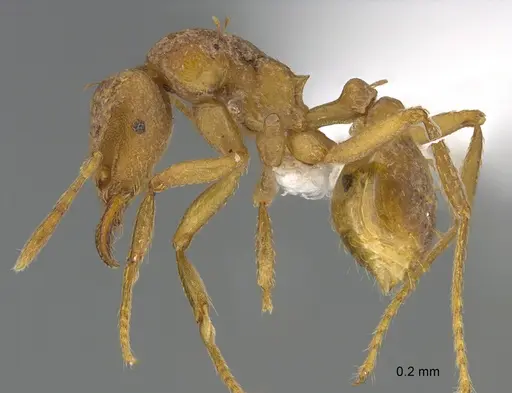
CASENT0900059
View on AntWeb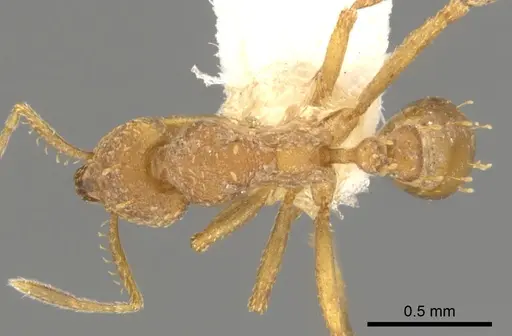
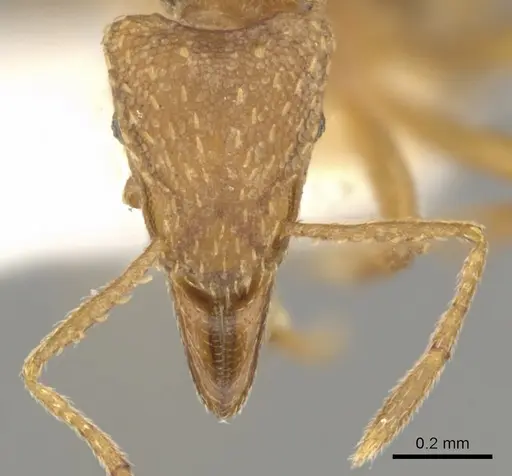
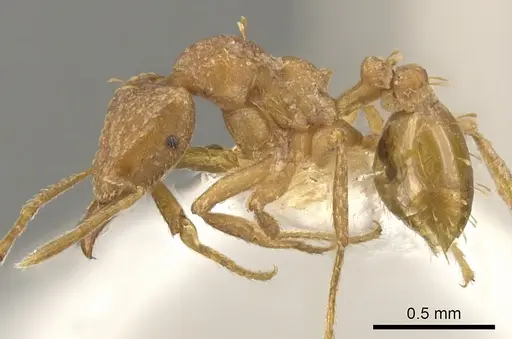
Literature
Loading...Loading products...